

Are your headlights and taillights looking dull or cloudy? You might not realize it, but this can seriously affect how safe and stylish your vehicle looks on the road.
Waxing your headlights and taillights is a simple step that can make a huge difference in restoring their shine and protecting them from future damage. By adding a layer of wax or sealant, you’re not just improving visibility—you’re also shielding your lights from harmful UV rays and everyday wear.
Stick with me, and I’ll show you why waxing these lights is a must-do, how it works, and the best ways to keep your car shining bright in Austin, Texas, or anywhere else you drive. Ready to give your car that fresh, clear look it deserves? Let’s dive in!
Benefits Of Waxing Lights
Waxing your headlights and taillights offers several key benefits. It protects the lenses from damage and keeps them clear. Regular waxing helps maintain the look and function of your vehicle’s lights. This simple step extends the life of your lights and improves safety on the road.
Uv Protection For Lenses
Wax forms a protective barrier against harmful UV rays. These rays cause plastic lenses to weaken and crack. Wax shields the surface, reducing sun damage. This protection keeps lenses strong and durable for longer.
Preventing Yellowing And Haze
Headlights and taillights often turn yellow or hazy over time. Wax helps stop this by sealing out dirt and moisture. It keeps the lenses clear and bright. Preventing yellowing means better light output and a cleaner look.
Enhancing Light Clarity
Waxing removes small scratches and smooths the lens surface. This improves how light passes through the lens. Clear lenses mean brighter, sharper beams on the road. Better clarity increases your visibility and safety at night.
Types Of Protectants
Protecting your headlights and taillights keeps them clear and bright. Various types of protectants serve this purpose. Each type offers unique benefits and levels of durability. Choosing the right one depends on your needs and budget.
Car Wax Options
Car wax is a popular choice for protecting headlights and taillights. It creates a thin, glossy layer that repels water and dirt. Wax is easy to apply and affordable. It usually lasts a few weeks before needing reapplication. This option suits those who want quick protection with minimal effort.
Synthetic Sealants
Synthetic sealants provide stronger protection than wax. They form a harder, more durable barrier on the light surface. Sealants resist UV rays and oxidation well. Their protection lasts for several months. Applying sealants takes more time but offers longer-lasting results. This option fits users seeking better durability without high cost.
Ceramic Coatings
Ceramic coatings offer the highest level of protection for headlights and taillights. These coatings bond chemically to the surface. They create a tough shield against scratches, UV damage, and chemicals. Ceramic coatings can last years with proper care. Application requires skill or professional help. This option suits those wanting long-term, premium protection.
Tools And Products Needed
Waxing headlights and taillights helps protect and brighten your vehicle’s lights. You need the right tools and products for the best results. Using quality materials makes the job easier and lasts longer. Here are some popular items to consider.
Popular Wax Brands
Many wax brands offer products designed for headlights and taillights. Turtle Wax is a top choice. It cleans and adds a protective layer. Blue Magic and Chemical Guys also make effective waxes. These brands remove haze and prevent damage from sun and dirt. They are easy to apply and buff off.
Sealant And Coating Kits
Sealant and coating kits provide extra protection. They create a barrier against UV rays and moisture. Meguiar’s Keep Clear Headlight Coating is well-known. Rain-X offers kits that repel water and dirt. These kits often include polishing pads and instructions. They help keep lights clear for a longer time.
Restoration Compounds
Restoration compounds remove scratches and yellowing from lenses. They prepare the surface for waxing and sealing. Products like E-Tech Lens Restoration Compound work well. Glass polish can also smooth out rough spots. Using these compounds before waxing improves shine and clarity.
Preparing Lights For Waxing
Preparing your headlights and taillights for waxing is a crucial step. It ensures the wax bonds well and lasts longer. Proper preparation also helps restore clarity and shine to your lights. Follow these simple steps to get the best results before waxing.
Cleaning And Polishing
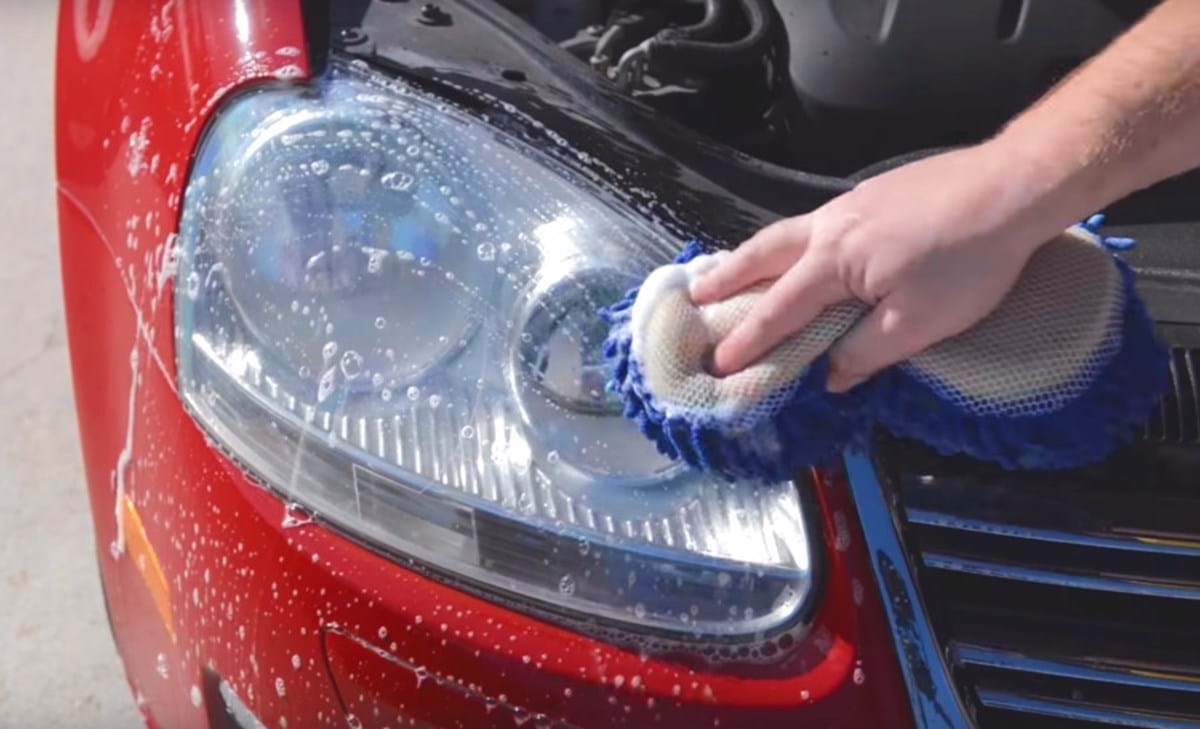
Start by washing your lights with mild soap and water. Remove all dirt, grime, and road debris. Use a soft cloth or sponge to avoid scratches. After cleaning, polish the surface gently to smooth out minor imperfections. Polishing helps the wax stick evenly and enhances the shine.
Removing Oxidation
Oxidation makes lights look cloudy and dull. Use a headlight restoration kit or a mixture of baking soda and water. Apply with a soft cloth, rubbing in small circles. This removes the yellowish layer and restores clarity. Repeat if necessary until the surface looks clear.
Surface Drying Techniques
Dry your lights completely before waxing. Use a clean microfiber cloth to remove all moisture. Avoid air drying, as water spots can form. Pat the surface gently and check for any damp areas. A dry surface allows the wax to spread smoothly and adhere better.
Waxing Headlights Step-by-step
Waxing headlights is a simple way to keep them clear and bright. It protects the plastic from dirt, UV rays, and yellowing. Follow these steps for a smooth, even finish that lasts.
Applying Wax Evenly
Start with a clean, dry headlight. Use a soft cloth to apply a thin layer of wax. Spread it in small, circular motions. Cover the entire surface without missing spots. Avoid putting on too much wax at once.
Buffing For Shine
Let the wax dry for a few minutes. Take a clean microfiber cloth and gently buff the headlight. Use light pressure and circular motions. This removes excess wax and brings out a clear shine. Keep buffing until the surface feels smooth.
Repeating For Durability
For extra protection, repeat the waxing process two or three times. Each layer adds durability to the headlight surface. Allow each coat to dry before applying the next. Regular waxing helps headlights stay bright longer and resist damage.

Credit: www.amazon.com
Waxing Taillights Guide
Waxing taillights is a simple way to keep them clear and bright. This guide helps protect taillights from damage and fading. Regular waxing also keeps their shine long-lasting. Follow these steps to care for your taillights properly.
Special Considerations For Taillights
Taillights are made of plastic, which is softer than glass. Use a gentle wax made for plastic surfaces. Avoid abrasive materials that can scratch or dull the lens. Clean the taillights fully before applying wax. Dry them well to prevent trapped moisture.
Protecting Against Fading
Sunlight causes taillights to fade and turn yellow over time. Wax creates a protective layer against UV rays. Apply wax regularly, especially after washing your car. This layer slows down damage and keeps the plastic clear. Reapply every few months for best results.
Maintaining Gloss
Waxing adds a smooth, shiny finish to taillights. Use a soft cloth to spread the wax evenly. Buff gently to enhance the gloss without scratching. Keep the surface clean and free from dirt. Regular waxing maintains that fresh, polished look for longer.
Maintenance Tips For Lasting Protection
Maintaining wax on headlights and taillights is key to long-lasting protection. Proper care keeps the lights clear and bright. It also prevents damage from dirt, UV rays, and moisture. Follow simple steps regularly to keep your vehicle’s lights in top shape.
Regular Cleaning Schedules
Clean headlights and taillights often to remove dirt and grime. Use a soft cloth and mild soap with water. Avoid abrasive materials that can scratch the surface. Regular cleaning stops buildup that can reduce wax effectiveness. Set a cleaning schedule, such as once every two weeks.
Reapplying Wax Or Sealant
Wax or sealant wears off over time and needs reapplication. Check the lights monthly for signs of dullness or water spots. Apply a thin layer of wax or sealant to restore protection. Follow the product instructions for best results. Reapplying keeps the protective layer strong and durable.
Avoiding Harsh Chemicals
Harsh chemicals can damage the wax and plastic lens. Stay away from strong cleaners, solvents, or ammonia-based products. Use only gentle car care products designed for headlights. Harsh chemicals strip wax and cause clouding or yellowing. Protect the lights by choosing safe cleaning solutions.
Credit: www.turtlewax.com
Diy Vs Professional Services
Waxing headlights and taillights can improve your car’s look and safety. You can choose to do it yourself or hire a professional. Each choice has its own benefits and drawbacks. Understanding these helps you decide what fits your needs and budget.
Cost Comparison
DIY kits usually cost between $10 and $30. They include wax, sandpaper, and polish. Professional services can cost $50 to $150 per vehicle. Prices vary by location and service quality. DIY saves money but requires your time and effort. Professionals charge more but handle all the work for you.
Effectiveness And Longevity
DIY waxing can restore clarity and shine if done carefully. Results may last a few weeks to months. Professionals use special tools and products. Their work often lasts longer, up to a year or more. Experts can fix deeper damage and apply protective coatings. DIY is good for mild cloudiness. Professionals suit severe yellowing or cracks.
When To Seek Expert Help
Choose professional help if your lights are badly damaged. Cloudy or cracked lenses need expert repair or replacement. Professionals ensure safety by restoring proper light output. They save time and avoid mistakes. DIY works best for light cleaning or quick fixes. For lasting results and peace of mind, trust the experts.
Common Mistakes To Avoid
Applying wax to headlights and taillights can improve their look and protect them. Avoiding common mistakes keeps the finish smooth and clear. Simple errors can reduce wax effectiveness and cause damage. Here are common mistakes to avoid.
Overapplying Wax
Using too much wax creates a thick layer that may cloud lights. Excess wax can attract dirt and dust, making surfaces look dull. Apply a thin, even coat for the best shine and protection.
Skipping Surface Preparation
Not cleaning lights before waxing leads to trapped dirt under the wax. This causes haziness and reduces wax adhesion. Always clean and dry lights properly to ensure a smooth finish.
Using Incompatible Products
Some waxes do not work well with certain plastics or coatings. Using the wrong product can cause discoloration or damage. Choose waxes made specifically for headlights and taillights to avoid problems.

Credit: www.amazon.com
Frequently Asked Questions
Should You Wax Your Tail Lights?
Yes, waxing tail lights protects them from UV damage, fading, and dirt. Apply wax after polishing for best results.
Should You Put Wax On Your Headlights?
Yes, apply wax or sealant on headlights to protect against yellowing and fading. Sealants last longer than wax.
Can You Tint Your Headlights And Taillights?
Yes, you can tint headlights and taillights, but check local laws first. Tinting may reduce visibility and affect safety.
Does Wd-40 Really Restore Headlights?
WD-40 can temporarily improve headlight clarity by removing grime. It does not restore or protect headlights long-term. Use dedicated restoration kits for lasting results.
What Is The Purpose Of Waxing Headlights And Taillights?
Waxing protects lenses from dirt, UV rays, and helps maintain clear visibility.
Conclusion
Waxing headlights and taillights keeps them clear and bright longer. It helps protect against dirt, dust, and UV damage. Regular waxing improves your car’s appearance and safety. Applying wax is simple and affordable for every driver. Keep your lights shining to drive safer day and night.
Try waxing as part of your car care routine today. Small steps make a big difference on the road.