Have you ever felt your steering wheel shake or your brake pedal pulse when you press down to stop? That unsettling vibration might be more than just a nuisance—it could be a sign that your brake rotors are warped.
When rotors lose their smooth, flat surface, the way your brake pads grip them changes, causing those vibrations you feel through the wheel, pedal, or even your seat. Understanding why warped rotors cause these shakes and how to spot the symptoms can help you keep your brakes performing safely and smoothly.
Keep reading to discover what’s really behind those vibrations and what you can do to fix the problem before it affects your driving.
Warped Rotors And Vibration
Warped rotors cause noticeable vibrations during braking. This issue affects driving comfort and safety. Understanding the link between warped rotors and vibration helps in identifying and fixing the problem quickly.
How Warping Occurs
Warping happens when brake rotors heat unevenly. Repeated heavy braking can cause this heat build-up. Over time, the rotor surface changes shape slightly. This creates high and low spots on the rotor.
These uneven surfaces make the brake pads grab inconsistently. The rotor no longer spins smoothly. This leads to vibrations felt during braking.
Types Of Vibrations Felt
Vibrations from warped rotors appear in different ways. Most drivers notice a pulsing brake pedal. The pedal feels like it moves up and down as you press it.
The steering wheel may shake, especially with front rotor warping. This shaking happens because vibrations transfer from the rotors to the steering system.
Vibrations can also be felt through the seat or floorboard. This is common when rear rotors are warped. The shaking can make the ride uncomfortable and distracting.
Causes Of Rotor Warping
Rotor warping is a common cause of brake vibrations. It happens when the brake rotors lose their flat surface. This uneven surface makes the brake pads grab inconsistently. Several factors lead to this warping. Understanding these causes helps in maintaining smooth braking performance.
Heat And Friction Effects
Heat builds up during braking from friction between pads and rotors. Excessive heat can cause the rotor metal to expand unevenly. This uneven expansion leads to warping over time. Hard braking and driving downhill often increase heat levels. Continuous heat cycles weaken the rotor’s structure, causing it to warp.
Seized Brake Calipers
Brake calipers hold the brake pads against the rotors. When calipers seize, they do not release the pads properly. This causes constant contact between pads and rotors. The constant friction creates excessive heat and uneven wear. This uneven pressure and heat cause the rotor to warp.
Improper Brake Pad Contact
Brake pads must contact the rotor evenly for smooth braking. Worn or damaged pads can cause uneven contact. Misaligned calipers or rotor surface defects also affect pad contact. Uneven contact creates hot spots on the rotor. These hot spots cause the rotor to warp over time.
Symptoms Of Warped Rotors
Warped rotors cause distinct symptoms during braking. These signs help identify rotor issues early. Recognizing these symptoms can prevent further damage and ensure safe driving. The vibration felt during braking is a key indicator of warped rotors.
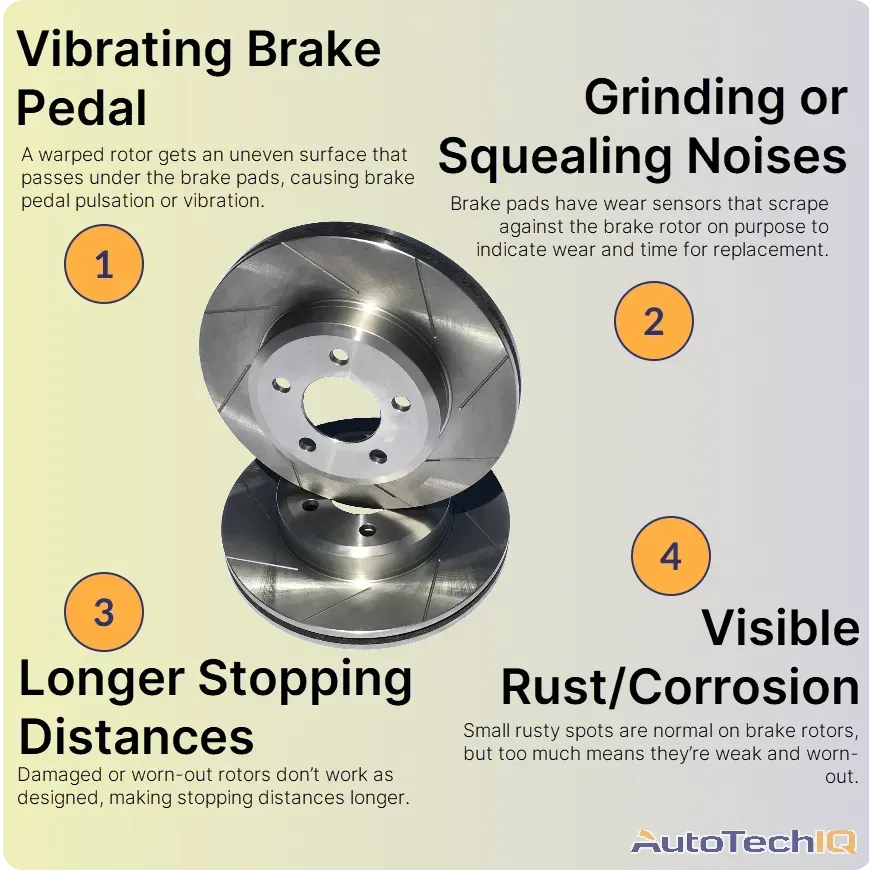
Steering Wheel Shake
A common symptom is a shaking steering wheel. This happens mostly with warped front rotors. The uneven rotor surface causes the brake pads to grab inconsistently. This inconsistent grabbing results in a noticeable shake in the steering wheel. The shaking often increases as you press the brake pedal harder.
Brake Pedal Pulsation
You may feel a pulsing or vibrating sensation in the brake pedal. This pulsation occurs because the rotor surface is uneven. Each time the rotor spins, the brake pads hit high and low spots. This creates a rhythmic pulsing that you can feel through the pedal. The sensation grows stronger at higher speeds or heavier braking.
Vibrations In Seat Or Floorboard
Warped rear rotors often cause vibrations in the seat or floorboard. The shaking moves through the car’s chassis, making it noticeable in the cabin. This vibration may feel like a low rumble or gentle shaking beneath you. It often increases during braking and can make rides uncomfortable.
Unusual Noises During Braking
Strange noises can also signal warped rotors. You might hear squealing, scraping, or grinding sounds. These noises happen because brake pads do not contact the rotor evenly. The uneven surface causes the pads to catch and release repeatedly. This can also wear down brake components faster than usual.
Credit: www.autotechiq.com
Other Vibration Sources
Vibrations during braking do not always stem from warped rotors. Various other vehicle issues can cause similar shaking sensations. Identifying these sources helps in accurate diagnosis and proper repair. Here are common causes of vibrations aside from warped rotors.
Unbalanced Wheels
Unbalanced wheels cause vibration mainly at higher speeds. The uneven weight distribution creates shaking felt through the steering wheel. This vibration often appears even when not braking. Tire balancing services can fix this issue quickly and affordably.
Tire Problems
Tire defects also lead to vibrations. Issues like tread separation or bulges cause uneven contact with the road. These irregularities create a noticeable shake while driving. Inspecting tires for damage or wear is essential for safety and smooth rides.
Loose Suspension Components
Worn or loose parts in the suspension system can cause vibrations. Components like control arms, bushings, or shocks may loosen over time. These issues affect vehicle stability and comfort. Regular suspension checks prevent vibration and improve handling.
Caliper Malfunctions
A stuck or seized brake caliper can cause uneven braking force. This malfunction results in shaking during brake application. Caliper problems may also lead to brake drag or uneven pad wear. Timely caliper repair or replacement restores smooth braking performance.
Diagnosing Rotor Issues
Diagnosing rotor issues is key to fixing brake vibrations. Warped rotors cause uneven friction, leading to shaking during braking. Identifying rotor problems early can improve safety and driving comfort.
Simple checks help spot visible rotor damage. More precise tools measure rotor runout for accurate diagnosis. Professional tips guide effective rotor inspection and testing.
Visual Inspection Techniques
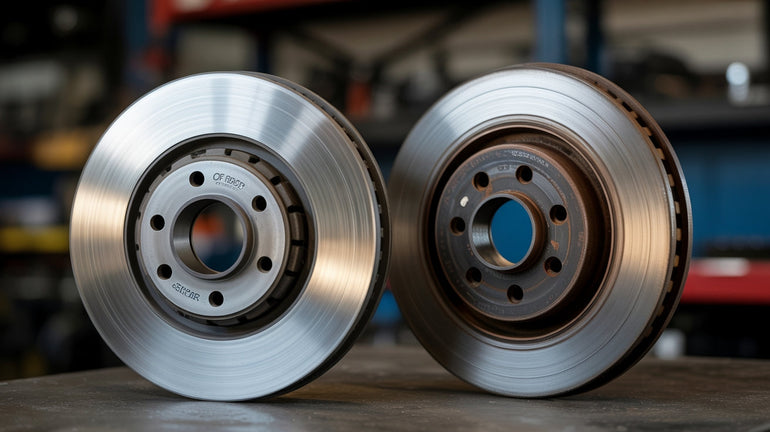
Start by examining the brake rotors closely. Look for grooves, cracks, or discoloration on the rotor surface. Rust buildup or uneven wear can indicate rotor problems.
Check the rotor edges for sharp lips or rough spots. These signs show rotor wear or warping. Clean the rotors before inspection for a clearer view.
Also, inspect brake pads for uneven wear. Uneven pads often result from warped rotors. Visual checks provide a quick way to spot obvious issues.
Testing Brake Rotor Runout
Use a dial indicator to measure rotor runout. This tool shows how much the rotor surface moves during rotation. Even small runout values can cause vibration.
Mount the dial indicator on a stable part of the suspension. Rotate the wheel slowly while watching the indicator needle. Readings above manufacturer limits mean the rotor is warped.
Repeat the test in different rotor spots. This ensures accurate assessment of rotor condition. Regular runout testing helps catch problems before vibrations worsen.
Professional Diagnosis Tips
Seek professional help for complex rotor issues. Mechanics have tools and experience to diagnose subtle problems. They can measure rotor thickness and check for hidden cracks.
Ask for a brake system inspection if vibrations persist. Professionals can test calipers and wheel bearings too. Comprehensive checks ensure all causes of vibration are found.
Follow recommended service intervals for brake maintenance. Timely rotor resurfacing or replacement prevents vibration problems. Trust experts to keep your braking smooth and safe.

Credit: www.youtube.com
Fixes For Warped Rotors
Warped rotors cause noticeable vibrations during braking. These vibrations reduce driving comfort and can affect vehicle safety. Fixing warped rotors quickly restores smooth braking and improves control. Several repair methods suit different rotor conditions and budgets. Understanding these fixes helps choose the best solution for your vehicle.
Rotor Resurfacing Options
Resurfacing smooths the rotor surface by removing thin layers of metal. This process restores flatness and eliminates minor warping. It extends rotor life and improves brake pad contact. Resurfacing works best for rotors with light to moderate warping. Deep grooves or severe warping may require other solutions. Always check rotor thickness before resurfacing to ensure safety.
Rotor Replacement Guidelines
Replace rotors if warping is severe or resurfacing is not possible. New rotors guarantee a flat, even surface for braking. Replacement is essential when rotors are too thin or cracked. Use rotors recommended for your vehicle model for best results. Replacing both rotors on the same axle ensures balanced braking performance. Proper installation and bed-in procedures improve rotor longevity.
Caliper Repair And Maintenance
Calipers must work well to prevent rotor warping and vibrations. Sticking or seized calipers cause uneven pad pressure and rotor damage. Regular caliper inspection and cleaning keep braking smooth. Replace worn caliper parts like pistons and seals as needed. Proper lubrication of caliper slides ensures even pad wear. Fixing calipers reduces stress on rotors and stops vibration issues.
Preventing Rotor Warping
Preventing rotor warping is essential for smooth braking and vehicle safety. Warped rotors cause vibrations that affect driving comfort. Taking simple steps can extend rotor life and improve brake performance.
Proper care helps avoid costly repairs and keeps your brakes responsive. Focus on how you use brakes, check your system regularly, and consider better components for durability.
Proper Brake Usage Habits
Apply brakes gently to avoid overheating the rotors. Sudden, hard braking creates excessive heat, leading to warping. Allow the brakes to cool after heavy use, especially on long downhill drives. Avoid riding the brakes for extended periods. Use engine braking when possible to reduce stress on rotors.
Regular Brake System Checks
Inspect brake rotors and pads regularly for wear and damage. Check for uneven rotor surfaces or grooves that signal early warping. Measure rotor thickness and compare it to manufacturer specifications. Replace worn or damaged parts promptly to prevent further issues. Have a professional brake inspection at least once a year.
Upgrading Brake Components
Choose high-quality rotors made from durable materials. Consider performance rotors with better heat dissipation. Upgrade brake pads to those designed to reduce heat buildup. High-performance brake fluid can also help maintain system efficiency. Quality parts resist warping and improve braking stability.
Credit: gexhaust.com
Frequently Asked Questions
Can Warped Rotors Cause Vibration When Braking?
Yes, warped rotors cause vibration during braking. The uneven surface makes brake pads grip inconsistently, creating pulsation felt in the pedal, steering wheel, or seat. This vibration signals rotor damage needing prompt inspection and repair to ensure safe braking performance.
What Are The Symptoms Of A Warped Rotor?
Symptoms of a warped rotor include a shaking steering wheel, pulsing brake pedal, and vibrations felt in the seat or floorboard during braking.
What Is The 30/30/30 Rule For Brakes?
The 30/30/30 rule for brakes means applying brakes moderately for 30 seconds, three times, with 30-second intervals. This helps evenly heat and cool brake components, preventing warping and extending rotor life.
What Is Causing My Car To Vibrate When I Brake?
Car vibration during braking often results from warped brake rotors causing uneven friction. This leads to brake pedal pulsation and steering wheel shake. Other causes include unbalanced wheels, tire issues, or loose suspension parts. Have a professional inspect your brakes to identify the exact problem.
What Causes Vibrations When Braking With Warped Rotors?
Warped rotors have uneven surfaces that cause brake pads to grab irregularly, leading to vibrations.
Conclusion
Warped rotors often cause vibrations felt during braking. This happens because the rotor’s surface is uneven. Brake pads grab the rotor inconsistently, creating a pulsing feeling. You might notice shaking in the steering wheel, brake pedal, or seat. Remember, other issues like unbalanced tires or loose parts can also cause vibrations.
Always have a mechanic check your brakes to find the exact cause. Fixing warped rotors improves safety and driving comfort. Stay alert to any unusual brake sensations for a smoother ride.