Are you considering Venom tires for your vehicle but have heard mixed opinions? You’re not alone.
Many drivers have faced frustrating problems with Venom tires, from unexpected wear and cracking to vibration issues that affect your ride comfort and safety. Before you make a decision, it’s crucial to understand what these common issues are and how they might impact your driving experience.
You’ll discover the real challenges users report with Venom tires and learn how to spot potential problems early. Keep reading to protect your investment and ensure your vehicle stays safe on the road.

Credit: www.youtube.com
Common Venom Tire Issues
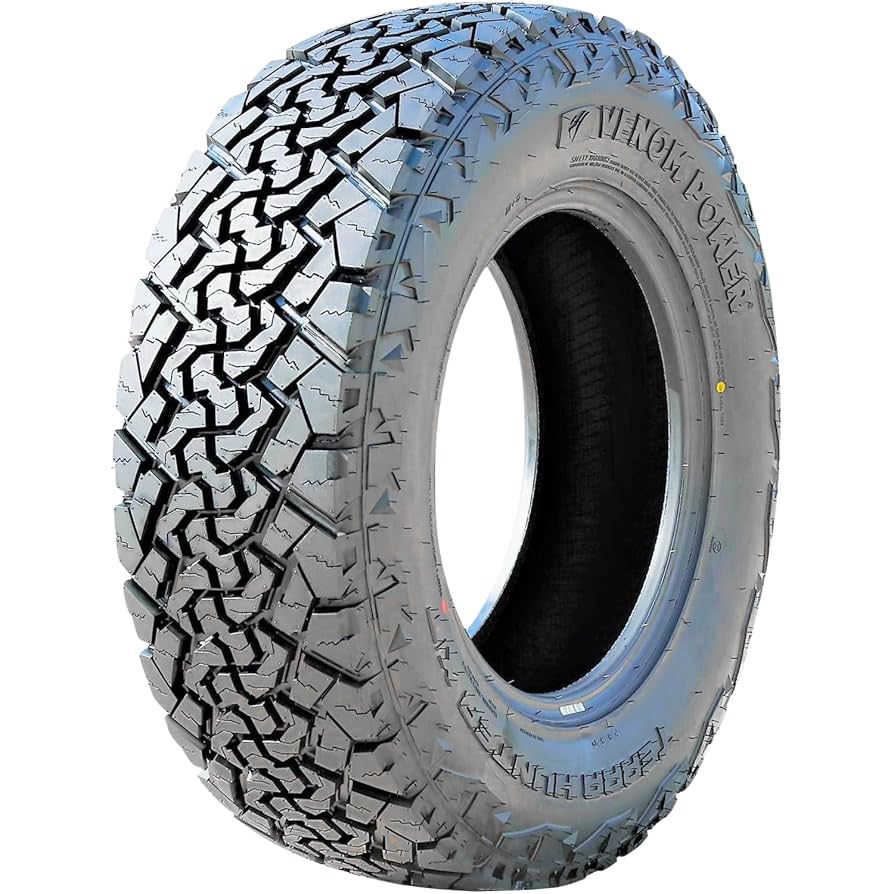
Venom tires are popular among many drivers for their rugged look and off-road capabilities. Despite their strengths, these tires show some common problems. Understanding these issues helps owners get the best performance and safety from their tires.
Cracking And Dry Rot
One frequent problem with Venom tires is cracking. This happens when the rubber dries out over time. Dry rot causes small cracks on the sidewalls and tread. These cracks weaken the tire and can lead to leaks or blowouts.
Exposure to sun and heat speeds up this damage. Tires left unused for long periods also develop dry rot faster. Regular checks can help spot cracks early before they cause bigger problems.
Uneven Wear Patterns
Uneven tire wear is common with Venom tires. This means the tread wears down more on one side than the other. Poor alignment or suspension issues often cause this. Uneven wear reduces tire life and can affect handling.
Rotating the tires and checking alignment helps prevent this problem. Keeping proper tire pressure also supports even wear across the tread.
Vibration And Noise Problems
Many users report vibration and noise issues with Venom tires. These tires have aggressive tread patterns that can cause extra road noise. Vibration may result from imbalanced tires or damaged wheels.
Balancing the tires and inspecting rims can reduce vibration. Noise is sometimes unavoidable due to the tire design but can be lessened with proper maintenance.
Performance In Harsh Weather
Venom tires perform well on dry and rough terrain. Their grip in snow or ice is often less reliable. Some drivers find the tires slip on wet or icy roads. This affects safety during winter or rainy conditions.
Choosing the right tire model for your climate improves performance. Using winter tires in cold months is recommended for better traction.
Load Carrying Concerns
Venom tires are built to carry heavy loads. Still, overloading can cause damage and reduce tire life. Excess weight stresses the tire structure and increases heat build-up. This raises the risk of tire failure.
Always follow the load rating specified by the manufacturer. Proper loading protects the tires and enhances vehicle safety.
Credit: www.amazon.com
Causes Behind Tire Problems
Tire problems with Venom tires can arise from several causes. Understanding these causes helps in identifying and preventing issues. Problems may result from the tire’s build, how you care for them, your driving style, or the environment.
Manufacturing And Material Factors
Some Venom tires may have defects from manufacturing. Poor quality rubber or weak sidewalls can cause early wear. Design flaws might lead to uneven tread wear or vibration. These issues reduce tire life and safety.
Improper Maintenance
Neglecting tire care causes many problems. Low tire pressure leads to uneven wear and poor handling. Skipping regular rotations wears tires unevenly. Missing damage checks can let small problems grow bigger.
Driving Habits And Usage
Aggressive driving wears tires quickly. Hard braking, fast cornering, and speeding stress tires. Overloading a vehicle stresses the tires beyond limits. Off-road driving can damage treads and sidewalls.
Environmental Influences
Heat causes tire rubber to degrade faster. Rough roads and potholes cause cuts and punctures. Exposure to sunlight breaks down tire materials. Chemicals, oil, and debris can weaken tires over time.
Quick Fixes For Common Issues
Venom tires can face issues that affect driving safety and comfort. Quick fixes help solve many common problems fast. These simple steps extend tire life and improve performance. Addressing issues early avoids costly repairs and unsafe conditions. Below are easy tips for common Venom tire troubles.
Repairing Cracks And Cuts
Small cracks or cuts in Venom tires need quick repair. Clean the damaged area with water and a soft cloth. Use a tire patch kit to seal cuts and prevent leaks. Avoid driving on cracked tires at high speeds. Check the tire regularly for new cracks. Replace tires if cracks grow or worsen.
Balancing And Alignment Tips
Unbalanced or misaligned tires cause uneven wear and poor handling. Have a professional balance your tires every 6,000 miles. Proper alignment improves steering and reduces tire damage. Check alignment if the car pulls to one side. Regular balancing and alignment keep your ride smooth.
Addressing Vibration Problems
Vibrations often signal tire or wheel issues. Inspect tires for uneven wear or damage. Loose lug nuts can also cause vibrations; tighten them properly. Rotate tires to even out wear patterns. If vibrations persist, consult a tire specialist for a detailed check.
Improving Traction And Grip
Traction problems reduce control, especially on wet or rough roads. Keep tire tread depth above 4/32 inch for safe grip. Remove debris stuck in tire treads. Use tire dressing products to maintain rubber flexibility. Lower tire pressure slightly on loose surfaces for better contact.

Credit: www.reddit.com
Maintenance Tips To Avoid Problems
Maintaining your Venom tires properly helps prevent common problems. Simple care steps extend tire life and improve safety. Regular attention stops small issues from becoming costly repairs.
Regular Tire Inspection
Check tires for cuts, cracks, or bulges every week. Look for uneven tread wear or embedded objects. Early detection avoids blowouts and poor performance. Clean tires to spot damage more easily.
Proper Inflation Practices
Keep tires inflated to the recommended pressure. Use a reliable gauge to check pressure monthly. Underinflated tires wear faster and reduce fuel efficiency. Overinflated tires risk cracking and poor grip.
Rotation And Balancing Schedule
Rotate tires every 5,000 to 7,000 miles. Balancing helps prevent vibration and uneven wear. Follow the vehicle manufacturer’s guidelines for rotation patterns. Proper rotation extends tire life and improves ride quality.
Storage Recommendations
Store tires in a cool, dry place away from sunlight. Avoid contact with oils, solvents, or chemicals. Keep tires off the ground using a rack or pallet. Proper storage maintains tire shape and prevents cracking.
When To Replace Venom Tires
Knowing the right time to replace Venom tires helps keep you safe on the road. Tires wear down with use and exposure to weather. Old or damaged tires lose grip and can cause accidents. Check your tires often for signs that they need replacing. This guide explains when to replace Venom tires to avoid problems.
Signs Of Irreparable Damage
Look for cuts, cracks, or bulges on the tire sidewalls. These damages cannot be fixed and make the tire unsafe. Deep punctures or large holes also mean replacement is necessary. Uneven tread wear or bald spots show the tire is worn out. If your tire vibrates or pulls to one side, it may be damaged inside. Replace tires showing these signs immediately.
Tread Depth Guidelines
Tread depth measures the tire’s grip on the road. Venom tires should have at least 2/32 of an inch tread depth to be safe. Use a tread depth gauge or a penny test to check. Insert a penny into the tread with Lincoln’s head upside down. If you see the top of Lincoln’s head, the tread is too low. Worn tread reduces traction, especially on wet roads. Replace tires once tread depth reaches the minimum level.
Warranty And Manufacturer Support
Venom tires come with a tread life warranty. Check your tire’s warranty period and terms. Some warranties cover premature wear or defects. Keep your purchase receipt and maintenance records. Contact the manufacturer if you notice early tire problems. Warranty claims may allow you to get a replacement or repair. Knowing your warranty helps you save money on new tires.
Pros And Cons Of Venom Tires
Venom tires offer a mix of benefits and challenges that influence their overall performance. Understanding their strengths and limitations helps buyers make informed choices. Here is a clear look at the main pros and cons of Venom tires.
Strengths To Consider
Venom tires deliver strong traction for both on-road and off-road driving. Their design supports heavy loads, making them suitable for trucks and SUVs. A tread life warranty from the manufacturer adds security to your purchase. These tires also handle well in various weather conditions, except for deep snow. Overall, they provide reliable performance for everyday use and rough terrains.
Limitations And Drawbacks
Venom tires can be noisy during highway driving, which may bother some drivers. They do not perform well in heavy snow or icy conditions. The price is higher compared to many other brands, which might not fit all budgets. Some users report issues like premature wear or vibration problems. These drawbacks can affect comfort and long-term satisfaction with the tires.
Buying Tips For Venom Tires
Buying Venom tires requires careful thought to avoid common problems. Choosing the right tires helps ensure safety and performance. This guide offers practical tips for buying Venom tires wisely.
Choosing The Right Model
Select a Venom tire model that matches your vehicle type. Consider your usual driving conditions and terrain. Off-road tires suit rough trails, while all-terrain tires fit mixed surfaces. Check the tire size recommended by your vehicle manufacturer. Avoid models that do not meet load and speed ratings for your vehicle. Proper fit improves handling and tire lifespan.
New Vs Used Tires
New Venom tires guarantee fresh rubber and full tread depth. They usually come with a manufacturer’s warranty. Used tires cost less but may hide damage or wear. Inspect used tires carefully for cracks, uneven wear, or repairs. Avoid tires with sidewall damage or bulges. New tires offer peace of mind, but used ones can work if checked thoroughly.
Where To Purchase Safely
Buy Venom tires from authorized dealers or trusted online stores. Official dealers provide verified products and proper sizing help. Avoid street vendors or unknown sellers to reduce risk. Check reviews and ratings before purchasing online. Make sure the seller offers return policies and warranties. Secure purchases protect you from counterfeit or poor-quality tires.
Frequently Asked Questions
What Are The Pros And Cons Of Venom Tires?
Venom tires offer durable tread life and strong load capacity. They perform well on- and off-road but can be noisy. Not ideal for heavy snow, and their premium price may deter some buyers.
Who Are Venom Tires Made By?
Venom tires are made by Venom Power, an American brand owned by Transame Tire. Manufacturing occurs mainly in China, Asia, and Europe.
How Long Do Venom Power Tires Typically Last?
Venom Power tires typically last between 30,000 to 50,000 miles, depending on driving habits and road conditions. Proper maintenance extends their lifespan.
What Is The 3% Rule For Tires?
The 3% rule for tires means the tire’s diameter should not increase more than 3% from the original size to maintain proper fit and performance.
What Common Problems Do Venom Tires Face?
Venom tires often have cracking, vibration, and premature wear issues reported by users.
Conclusion
Venom tires offer good traction for many roads and conditions. Some users face issues like vibration and cracking. Regular checks help spot problems early and keep you safe. Choosing the right tire depends on your needs and driving style. Weigh the pros and cons carefully before buying Venom tires.
Proper care can extend tire life and improve performance. Stay informed and drive smart to avoid common tire troubles.