

If you’re thinking about installing a leveling kit on your Toyota Tacoma, you probably want your truck to look tougher and handle better on rough roads. But before you take the plunge, it’s important to know that leveling kits can come with some unexpected problems.
From rough rides and steering troubles to faster wear on suspension parts, these issues can affect your Tacoma’s performance and safety. You’ll discover the common Tacoma leveling kit problems and learn how they could impact your driving experience. Keep reading to find out what to watch for and how to avoid costly mistakes with your leveling kit upgrade.
Common Problems With Tacoma Leveling Kits
Installing a leveling kit on your Toyota Tacoma can improve its look and ground clearance. Yet, these kits often bring several common problems. Understanding these issues helps in making a better choice and maintaining your truck properly.
Leveling kits change the truck’s original suspension design. This can cause various challenges affecting steering, ride quality, and overall vehicle performance. Below are some typical problems many Tacoma owners face after installing a leveling kit.
Steering And Death Wobble Issues
Leveling kits can change suspension angles and steering geometry. This may lead to a dangerous vibration called death wobble. It causes the steering wheel to shake violently, especially at high speeds. This issue needs quick attention to avoid accidents.
Alignment Challenges
After installing a leveling kit, proper wheel alignment is harder to maintain. Misalignment causes uneven tire wear and poor handling. It also increases strain on suspension parts. Regular alignment checks become crucial to keep the truck safe and stable.
Increased Suspension Wear
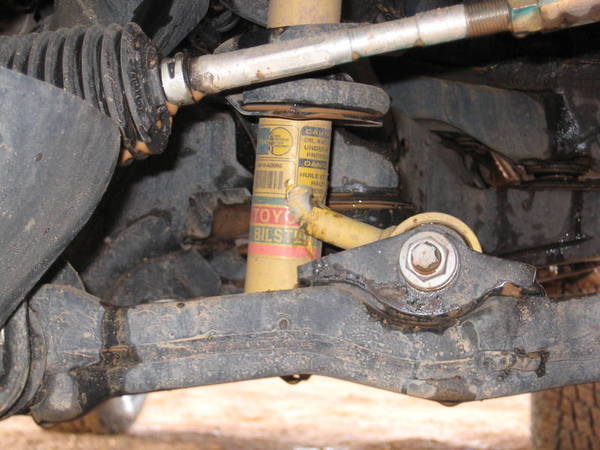
Changing the suspension height adds stress on components like ball joints and bushings. These parts wear out faster than usual. Replacing worn parts often becomes necessary to maintain smooth driving and avoid costly repairs.
Rough Ride Experience
The truck’s ride quality may worsen with a leveling kit. The suspension becomes stiffer or less balanced. Drivers often notice bumps and vibrations that were not there before. This can make daily driving less comfortable.
Fuel Economy Drop
Raising the front of the Tacoma changes its aerodynamics. Increased wind resistance reduces fuel efficiency. This means more frequent stops at the gas station. Over time, this can add up to higher running costs.
Towing Stability Concerns
The factory rake helps keep the truck stable when towing heavy loads. Leveling kits remove this design feature, causing the truck to squat under weight. This reduces control and makes towing less safe and smooth.
Tire Fitment Limitations
Leveling kits allow larger tires but not all tires fit well. Some may rub against the fenders or suspension parts. This limits tire choices and may require extra modifications to avoid damage.
Parking Difficulties
The lifted front end can make parking in tight spaces tricky. The truck’s height and angle may cause clearance problems with curbs or ramps. Drivers need to be extra careful to avoid scratches or damage.
Credit: www.tacomaworld.com
Causes Behind Leveling Kit Issues
Leveling kits can improve the look of your Tacoma. Yet, they often cause problems that affect performance and safety. Understanding the causes behind these issues helps to avoid damage and costly repairs. Most problems arise from changes to the truck’s original design and parts.
Altered Suspension Geometry
Installing a leveling kit changes the angle of your suspension components. This shift affects how the wheels connect with the road. The new angles can cause uneven tire wear and poor handling. Suspension parts may work harder than before, leading to faster wear and tear.
Misalignment After Installation
Leveling kits often cause the wheels to go out of alignment. Misaligned wheels can make steering difficult and reduce fuel efficiency. It also causes tires to wear unevenly, reducing their lifespan. Regular alignment checks are necessary after installation to keep the truck safe and smooth to drive.
Increased Stress On Components
The new height puts more pressure on suspension parts like ball joints and shocks. These parts may fail sooner due to the extra load. Steering components also face more stress, which can lead to issues like death wobble. Proper maintenance and quality parts help reduce these risks.
Loss Of Factory Rake Design
The factory rake is the slight forward tilt of the truck. It helps with stability and load handling. Leveling kits remove this tilt, which can cause the truck to squat more when towing. This change reduces towing performance and may lead to uneven tire wear. Keeping the factory rake helps maintain the truck’s balance and control.
Identifying Symptoms Early
Early detection of Tacoma leveling kit problems helps prevent costly repairs. Knowing the warning signs allows you to act fast. This section highlights key symptoms to watch for after installing a leveling kit. Catching issues early ensures safer driving and better vehicle performance.
Signs Of Death Wobble
Death wobble causes violent shaking of the steering wheel. It happens at certain speeds and feels dangerous. This issue arises from altered suspension geometry after installing a leveling kit. If you notice sudden steering vibrations, check your suspension immediately.
Uneven Tire Wear Patterns
Tires wearing unevenly can signal alignment problems. Leveling kits often change wheel angles. This causes tires to wear faster on one side. Uneven tire wear reduces tire life and affects handling. Inspect your tires regularly for unusual wear spots.
Noticeable Ride Roughness
The ride may feel bumpier or less smooth than before. Suspension changes can make the Tacoma less stable on rough roads. You might feel more vibrations or jolts inside the cabin. A rough ride can mean your leveling kit needs adjustment or repair.
Reduced Fuel Efficiency Indicators
Fuel economy may drop after leveling kit installation. The altered stance increases wind resistance and drag. This forces the engine to work harder, using more fuel. Keep track of your gas mileage to spot sudden drops. Poor fuel efficiency can hint at underlying leveling kit issues.
Credit: www.tundrasolutions.com
Simple Fixes And Adjustments
Simple fixes and adjustments can solve many Tacoma leveling kit problems. These easy steps improve ride quality and vehicle performance. Small changes prevent bigger issues later. Understanding these fixes helps maintain your truck’s safety and comfort.
Proper Alignment Procedures
After installing a leveling kit, proper wheel alignment is essential. Misalignment causes uneven tire wear and steering issues. Use a professional alignment service to adjust camber, caster, and toe angles. Check alignment regularly to maintain smooth handling and prevent premature tire damage.
Upgrading Suspension Components
Stock suspension parts may not handle the changes from a leveling kit well. Upgrading shocks, control arms, and bushings improves stability and reduces vibrations. Stronger components support altered suspension geometry and extend part life. Choose parts designed for lifted or leveled trucks for best results.
Regular Maintenance Checks
Frequent inspections catch problems early. Check suspension parts, bolts, and mounts for wear or looseness. Look for unusual noises or changes in handling. Tighten or replace worn parts promptly to avoid costly repairs. Routine maintenance keeps your Tacoma safe and reliable.
Correct Tire Selection
Select tires that match your new ride height and suspension setup. Larger or wider tires may cause rubbing or affect handling. Choose tires with proper load rating and size to maintain balance and traction. Proper tires reduce strain on suspension and improve overall performance.
Adjusting Driving Habits
Driving style impacts suspension wear and ride comfort. Avoid harsh braking, fast cornering, and rough terrain when possible. Smooth driving reduces stress on suspension components. Adjust speed and steering inputs to match your Tacoma’s new setup for safer, more comfortable trips.
When To Seek Professional Help
Knowing when to seek professional help for Tacoma leveling kit problems is essential. Some issues may seem minor but can cause serious damage over time. Professionals have the tools and knowledge to diagnose and fix complex problems properly. Acting early can save money and keep your truck safe.
Persistent Steering Problems
Steering should feel smooth and steady after installing a leveling kit. If you experience constant shaking, wobbling, or pulling to one side, do not ignore it. Persistent steering problems often mean misaligned or damaged components. These issues can worsen and lead to dangerous driving conditions. A professional mechanic can inspect and repair the steering system correctly.
Severe Suspension Wear
Suspension parts wear faster with a leveling kit if installed improperly. Listen for clunks, squeaks, or rattles while driving. Notice uneven tire wear or a bouncy ride. These signs indicate severe suspension wear. Trying to fix these problems yourself may cause more damage. Experts can replace worn parts and restore suspension performance safely.
Alignment Issues After Diy Fixes
Many Tacoma owners try DIY fixes for leveling kit problems. Poor alignment after these attempts is common. Misalignment can cause uneven tire wear and reduce handling quality. If your truck pulls to one side or the steering wheel is off-center, seek professional alignment service. Proper alignment ensures better control and extends tire life.

Credit: trexhouston.com
Leveling Kits Vs Lift Kits
Choosing between a leveling kit and a lift kit for your Tacoma affects many aspects of your truck’s performance and appearance. Both kits raise the vehicle’s front end but differ in height, purpose, and impact. Understanding these differences helps you pick the right option for your needs.
Performance Differences
Leveling kits raise the front of the truck to match the rear height. This creates a balanced look without a big lift. Lift kits raise the entire truck much higher, improving ground clearance and off-road ability. Leveling kits mainly fix the factory rake, while lift kits change the truck’s stance and capability significantly.
Impact On Handling
Leveling kits keep handling close to stock but may cause issues like death wobble due to altered suspension angles. Lift kits change the center of gravity, which can make the truck less stable at high speeds. Bigger lifts may require extra suspension upgrades to maintain safe handling on and off-road.
Maintenance Considerations
Leveling kits often cause more wear on suspension parts and tires if not aligned correctly. Lift kits usually need stronger components and more frequent checks to avoid premature failure. Both kits can increase maintenance needs, but bigger lifts demand more attention to suspension and drivetrain health.
Cost And Installation Complexity
Leveling kits are cheaper and easier to install, often completed in a few hours. Lift kits cost more due to extra parts and labor. Installation can take days, needing specialized tools and skills. Budget and time should guide your choice between a leveling kit and a lift kit for your Tacoma.
Preventing Future Problems
Preventing future problems with your Tacoma leveling kit starts with smart choices and regular care. Problems like steering issues and uneven tire wear often come from poor installation or low-quality parts. Taking steps now helps keep your truck safe and running smoothly. Follow these guidelines to avoid costly repairs and maintain performance.
Choosing Quality Kits
Select leveling kits made from durable materials. Cheap kits wear out fast and cause issues. Look for brands with good reviews and warranties. Quality kits fit better and keep suspension geometry correct. This reduces risks like the dreaded death wobble. Investing in quality saves money over time.
Professional Installation Benefits
Experts install leveling kits with precision tools and knowledge. Incorrect installation leads to alignment problems and uneven tire wear. Professionals adjust suspension parts properly to keep handling stable. They also check for hidden issues during installation. This service ensures your Tacoma performs safely on the road.
Routine Inspections
Regularly inspect your leveling kit and suspension parts. Look for loose bolts, worn bushings, or damaged components. Check tire wear patterns and steering response often. Early detection of problems prevents bigger failures. Schedule inspections every few months or after off-road trips. Keep maintenance records to track your truck’s health.
Balancing Performance And Safety
Choose a leveling kit height that suits your driving needs. Extreme lifts may harm stability and fuel efficiency. Balance looks with safe handling and comfort. Adjust tire sizes and suspension parts carefully. Stay within manufacturer guidelines to avoid warranty issues. Safe upgrades protect your Tacoma and everyone inside.
Frequently Asked Questions
What Are The Downsides Of A Leveling Kit?
Leveling kits can cause steering issues like death wobble, increased suspension wear, rougher rides, reduced towing stability, lower fuel economy, and alignment problems.
What Is The Most Common Problem With A Toyota Tacoma?
The most common problem with a Toyota Tacoma is premature suspension and ball joint wear. This often leads to steering issues like death wobble.
Do Tacomas Need Leveling Kits?
Tacomas do not require leveling kits but many owners install them for a more balanced look. Leveling kits can cause alignment and suspension wear issues. Proper installation and alignment help avoid problems. Consider towing needs and ride quality before adding a leveling kit to your Tacoma.
Will A Leveling Kit Mess Up Alignment?
A leveling kit can affect alignment by altering suspension geometry. Always get a professional alignment after installation to prevent uneven tire wear and steering issues.
What Common Problems Arise From Tacoma Leveling Kits?
Tacoma leveling kits can cause steering issues, rougher rides, and faster suspension wear over time.
Conclusion
Tacoma leveling kits can cause several common problems. Steering issues like death wobble may occur. Suspension parts may wear out faster than normal. The ride can feel rough and less stable. Fuel economy might drop due to increased wind drag.
Towing performance may suffer because the truck squats more. Proper alignment is crucial after installation to avoid tire wear. Regular checks and maintenance help keep your Tacoma safe. Understanding these issues helps you make better choices for your truck.