

If you own a Subaru Outback or are thinking about towing with one, you need to know the truth about its towing capabilities and common problems. You might have heard mixed opinions about whether the Outback is up to the task, especially when hauling trailers or campers.
But what if your vehicle struggles with issues like transmission shuddering, engine troubles, or even cracked windshields while towing? These problems can turn a simple trip into a stressful experience. You’ll discover the key Subaru Outback towing problems, the specific model years you should be cautious about, and expert tips to avoid costly mistakes.
Keep reading to protect your investment and make sure your Outback handles towing safely and smoothly.
Towing Capacity Limits
Understanding the towing capacity limits of the Subaru Outback is crucial for safe towing. Exceeding these limits can cause damage to the vehicle and reduce its lifespan. Every model has a specific towing capacity set by the manufacturer. Knowing these limits helps prevent common towing problems.
Manufacturer Specifications
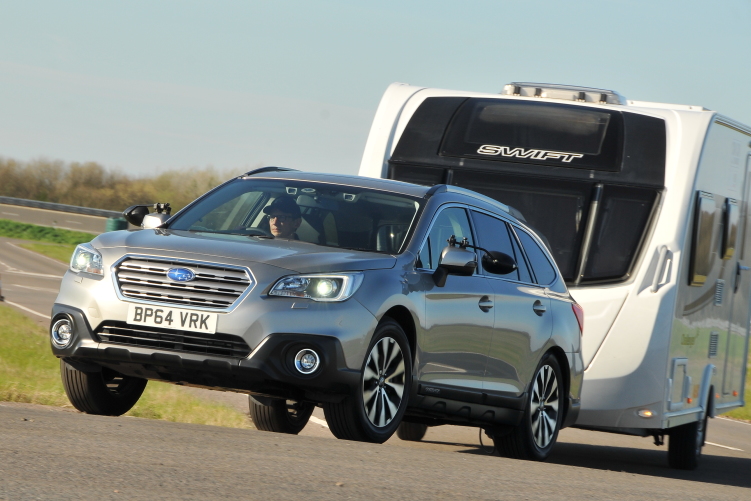
Subaru sets towing limits based on engine size and vehicle design. Most Outbacks can tow between 1,500 and 3,500 pounds. These numbers come from extensive testing under controlled conditions. The owner’s manual provides exact towing capacity for each model year. Following these specs ensures the vehicle performs safely and reliably.
Real-world Performance
Actual towing ability can differ from manufacturer specs. Factors like road conditions, weather, and cargo weight affect performance. Some drivers find their Outbacks struggle near maximum towing limits. Heat and steep hills increase engine and transmission stress. Real-world towing often requires staying below the stated capacity for safety.
Impact Of Modifications
Modifications can change towing capacity but not always for the better. Adding heavy accessories or larger tires may reduce towing ability. Installing aftermarket hitches can help but must match vehicle ratings. Improper modifications risk vehicle damage and void warranties. Always consult experts before altering towing setup.
Engine And Transmission Issues
The Subaru Outback is popular for its versatility and off-road capability. However, some owners face engine and transmission problems, especially during towing. These issues can impact performance and safety. Understanding common problems helps drivers prepare and maintain their vehicles better.
Common Engine Problems
Some Subaru Outback models experience head gasket failures. This leads to coolant leaks and engine overheating. Older models, especially from 2005 to 2007, are more prone to these issues. Engine misfires and rough idling also appear in certain years. Regular checks can catch problems early and avoid costly repairs.
Cvt Transmission Shuddering
The Continuously Variable Transmission (CVT) in Subaru Outbacks is known to shudder or jerk. This happens mostly during towing or heavy acceleration. Models from 2010 to 2011 often report this issue. Transmission shuddering can cause discomfort and reduce control. Timely fluid changes and software updates may improve performance.
Oil Leaks And Maintenance
Oil leaks are common in some Subaru Outbacks, especially around the engine seals. Leaks reduce engine lubrication and can cause damage. Regular oil changes and inspections help prevent serious issues. Maintaining proper fluid levels and replacing worn parts keeps the engine running smoothly.
Electrical System Challenges
The Subaru Outback is popular for towing, but electrical system challenges often arise during heavy use. These issues affect the vehicle’s reliability and towing performance. Understanding common electrical problems helps owners maintain their Outbacks better. The most frequent troubles involve battery drain, infotainment glitches, and headlight burnouts.
Battery Drain Problems
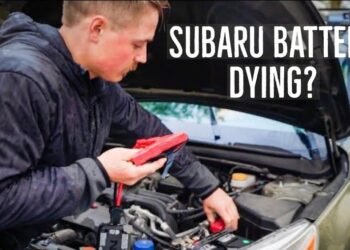
Battery drain is a common problem for Subaru Outback owners who tow regularly. Towing adds extra load on the electrical system, causing the battery to weaken faster. Some users report the battery dying unexpectedly after towing trips. This issue can result from faulty alternators or parasitic electrical drains. Regular battery checks and alternator tests reduce towing-related battery failures.
Infotainment Glitches
The Outback’s infotainment system sometimes malfunctions during towing. Screen freezes, audio drops, and Bluetooth disconnections are typical complaints. These glitches distract drivers and affect the towing experience. Electrical surges or weak connections might cause the infotainment system to act up. Updating the software and securing wiring connections often improves system stability.
Headlight Burnouts
Headlight burnouts occur more frequently in Outbacks used for towing. The additional power draw strains the lighting circuits, leading to faster bulb failure. Owners towing trailers with trailer lights connected to the Outback report this issue. Upgrading to higher quality bulbs or LED lights helps prevent frequent burnouts. Checking the vehicle’s wiring harness for damage also reduces headlight problems.
Body And Structural Concerns
The Subaru Outback is popular for its rugged design and versatility. However, some towing users report concerns about the vehicle’s body and structure. These issues can affect safety and performance during towing. Understanding these problems helps owners take better care of their Outbacks.
Windshield Cracking
Many Subaru Outback owners have noticed windshield cracks appearing easily. Towing heavy loads may increase stress on the frame, causing cracks to form. Some models, especially from 2017 to 2020, show a higher risk of windshield damage. Small chips can quickly grow into larger cracks, reducing visibility and safety. Regular inspections and prompt repairs can help prevent further damage.
Abs Control Module Faults
The ABS control module controls the anti-lock braking system in the Outback. Faults in this module can cause braking problems, especially when towing heavy trailers. Drivers may experience warning lights or reduced brake performance. These faults can result from electrical issues or water damage. Timely diagnosis and replacement of the ABS module ensure safe towing and reliable braking.
Safety And Recall Alerts
Safety is a top concern for Subaru Outback owners, especially when towing heavy loads. Towing problems can sometimes link to bigger safety issues. Staying informed about recalls and alerts helps keep you and your passengers safe. This section covers important safety topics and recall alerts related to the Subaru Outback.
Airbag Defects
Some Subaru Outback models faced airbag defects. Faulty airbags may fail to deploy during a crash. This increases the risk of injury. Owners have reported issues like airbags inflating too late or not at all. These defects can be dangerous, especially during towing accidents. Subaru has issued recalls to fix airbag problems in affected models.
Unintended Acceleration Risks
Unintended acceleration is a serious safety concern. It happens when the vehicle speeds up without driver input. Some Subaru Outbacks have faced this problem due to software or mechanical faults. This can cause loss of vehicle control, especially when towing trailers or heavy loads. Subaru has released updates and recalls to address these risks.
Checking For Open Recalls
Checking for open recalls is vital for all Subaru Outback owners. Recalls fix safety defects and reduce risks during towing. Visit the official Subaru website or the National Highway Traffic Safety Administration (NHTSA) site. Enter your vehicle’s VIN to see if there are any open recalls. Fixing recalls promptly ensures your vehicle is safe and reliable on the road.
Credit: www.thetowcarawards.com
Problematic Model Years
Certain Subaru Outback model years have shown more towing problems than others. Identifying these years helps buyers avoid costly repairs. Some models struggle with engine, transmission, or electrical issues that affect towing performance. Understanding these problematic years improves your decision when selecting a used Outback.
Years With Engine Failures
Models from 2005 to 2007 often had head gasket failures. Coolant leaks were common, causing engine overheating. These issues reduced engine reliability during towing. The sticky dashboard surface was another minor complaint in these years. Avoiding these models can save you from engine trouble on the road.
Years With Transmission Issues
The 2010 and 2011 Outbacks faced frequent CVT transmission failures. Owners reported shuddering and jerking while driving or towing. These transmission problems made towing unsafe and unreliable. Repairs were costly and sometimes required full transmission replacement. Choosing models outside these years lowers transmission risk.
Years With Electrical Defects
Between 2017 and 2020, many Outbacks suffered electrical faults. Airbag defects were serious safety concerns in these models. Owners also reported frequent windshield cracks that affected visibility. Recalls addressed some issues, but problems still persisted. Checking for recalls is crucial before buying these years.
Towing Best Practices
Towing with a Subaru Outback requires careful attention to certain best practices. Following these tips helps avoid common towing problems and keeps your vehicle safe. Proper setup, regular checks, and smart driving all matter when towing a trailer or camper.
Proper Hitch And Weight Distribution
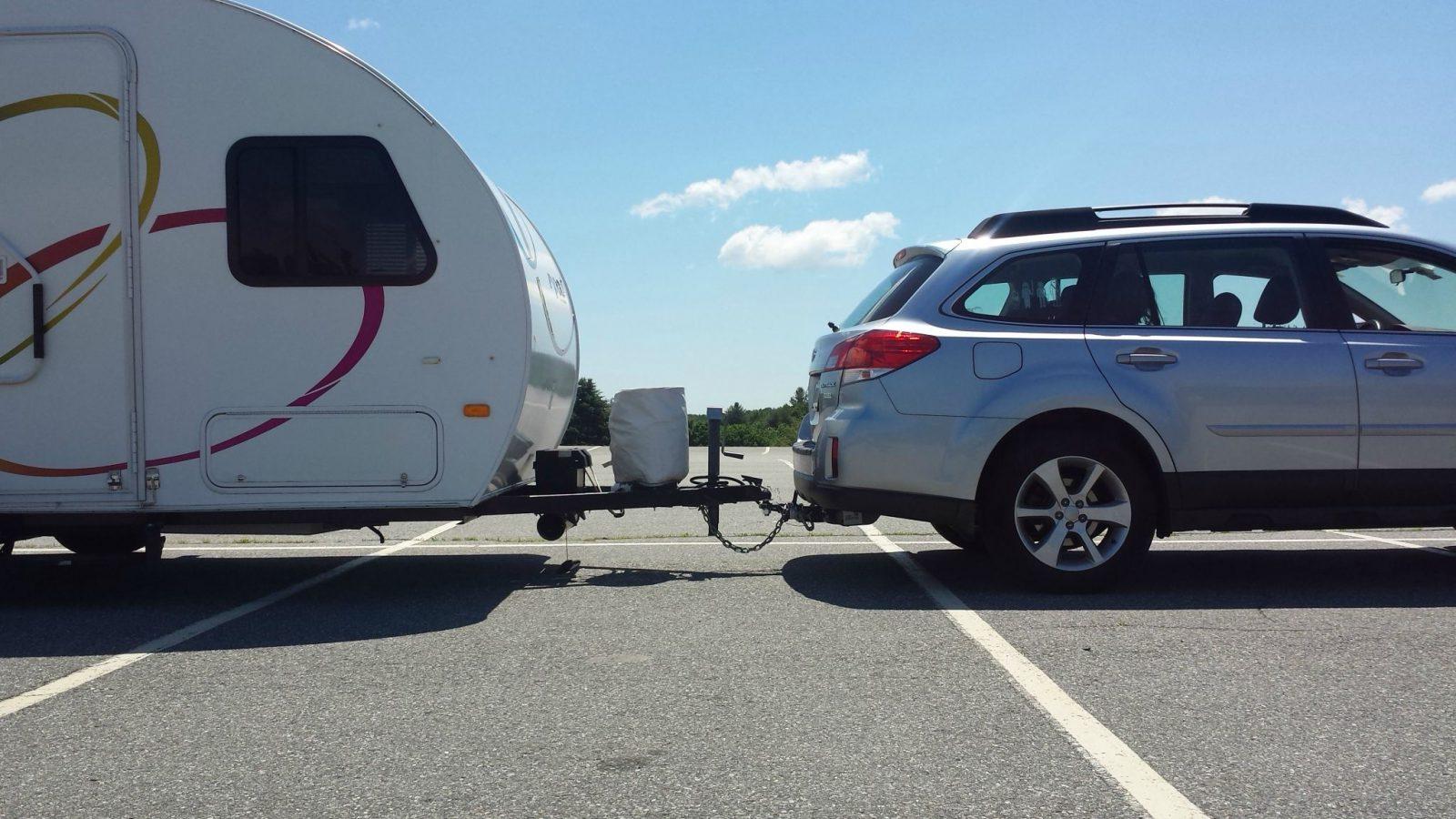
Use a hitch designed for the Outback’s towing capacity. The hitch must be securely attached to the frame. Distribute the trailer weight evenly to prevent sway. Keep the tongue weight around 10-15% of the total trailer weight. This balance improves control and reduces stress on your vehicle.
Routine Vehicle Inspections
Check your Outback before every towing trip. Inspect tires for proper pressure and tread wear. Test brakes to ensure they respond well under load. Examine lights and signals on both vehicle and trailer. Look for leaks or loose connections under the hood. Regular maintenance prevents breakdowns and towing failures.
Driving Tips While Towing
Drive slower than usual and keep extra distance from other vehicles. Avoid sharp turns and sudden stops to maintain stability. Use lower gears on hills to reduce strain on the engine. Be gentle with acceleration to prevent trailer sway. Plan routes to avoid steep grades and rough roads. These habits increase safety for you and your cargo.
Solutions And Repairs
Subaru Outback towing problems need practical solutions and timely repairs. Proper maintenance ensures safe towing and vehicle longevity. Addressing common issues quickly helps avoid costly damage. Here are key repair areas to focus on for Subaru Outbacks used for towing.
Addressing Transmission Problems
Transmission issues often cause poor towing performance. The CVT transmission may shudder or slip under heavy loads. Repair starts with a full transmission fluid change using Subaru-approved fluid. In some cases, software updates improve transmission response. For severe damage, rebuild or replacement might be necessary. Regular checks prevent failures during towing trips.
Fixing Electrical Faults
Electrical problems affect towing safety and vehicle functions. Faulty wiring can disrupt trailer lights and sensors. Inspect all wiring harnesses for corrosion or damage. Replace blown fuses and faulty relays promptly. Updating the vehicle’s software can resolve some sensor errors. Ensure the trailer wiring harness matches the Outback’s system for smooth operation.
Replacing Windshields And Parts
Windshield cracks weaken vehicle safety and visibility. Some Subaru Outback models have fragile glass prone to cracking. Replace damaged windshields with OEM or high-quality aftermarket glass. Check for related issues like worn wiper blades or seals. Other parts such as brake pads and suspension components also need inspection after heavy towing. Timely replacement keeps the vehicle safe and reliable.
Buying Tips For Used Outbacks
Buying a used Subaru Outback requires careful attention. Some model years have towing problems and mechanical issues. Knowing what to check can save money and stress. This guide offers tips to make a smart purchase.
Researching Model Year Reliability
Check the reliability of the specific Outback year. Some years have more towing and engine problems. Look for reviews and owner reports online. Focus on years with fewer complaints and recalls. Avoid years with known issues like 2005-2007 and 2017-2020.
Inspecting For Recalls
Verify if the used Outback has open recalls. Recalls often target safety and towing-related parts. Use the vehicle’s VIN on official sites to check. Ensure recall repairs are completed before buying. This step helps prevent future costly repairs.
Test Driving With Towing In Mind
Take the Outback for a test drive with towing conditions in mind. Listen for unusual noises or shudders from the transmission. Try driving on hills and rough roads if possible. Watch how the car handles weight and braking. This gives clues about towing readiness.
Credit: carfromjapan.com
Credit: www.reddit.com
Frequently Asked Questions
Are Subaru Outbacks Good At Towing?
Subaru Outbacks tow moderately well, supporting up to 2,700 pounds. They suit light trailers but may struggle with heavier loads. Choose the right trim and engine for better towing performance. Regular maintenance helps avoid common issues like transmission problems during towing.
What Years To Avoid For A Subaru Outback?
Avoid Subaru Outback model years 2005-2007, 2010-2011, and 2017-2020 due to engine, transmission, and electrical issues.
What Is A Common Problem With A Subaru Outback?
A common problem with Subaru Outbacks is CVT transmission issues, causing shuddering and rough shifting during acceleration. Owners also report frequent windshield cracking and oil leaks from engine seals. Electrical problems like battery drain and infotainment glitches occur in some models.
What Is The 80% Rule When Towing?
The 80% rule advises towing no more than 80% of your trailer’s loaded weight. This ensures safer handling and better vehicle control.
What Are Common Towing Problems With Subaru Outback?
Subaru Outbacks often face transmission overheating and reduced power during towing.
Conclusion
Subaru Outback towing problems can affect your driving experience and safety. Knowing common issues helps you prepare and avoid surprises. Check for transmission troubles, engine leaks, and electrical faults before towing. Choose model years wisely to reduce risks and costly repairs.
Regular maintenance keeps your Outback ready for towing tasks. Stay informed to protect your vehicle and enjoy smooth towing trips.