When it comes to keeping your engine running smoothly, choosing the right motor treatment can make all the difference. You’ve probably heard about Seafoam and STP Motor Treatment, but which one is truly better for your vehicle?
Whether you want to clean fuel injectors, remove stubborn deposits, or simply maintain engine performance, understanding how these products work and what sets them apart is essential. You’ll discover the key differences between Seafoam and STP Motor Treatment, how each one benefits your engine, and which might be the best fit for your specific needs.
Keep reading to make an informed choice that keeps your ride in top shape.
Seafoam Basics
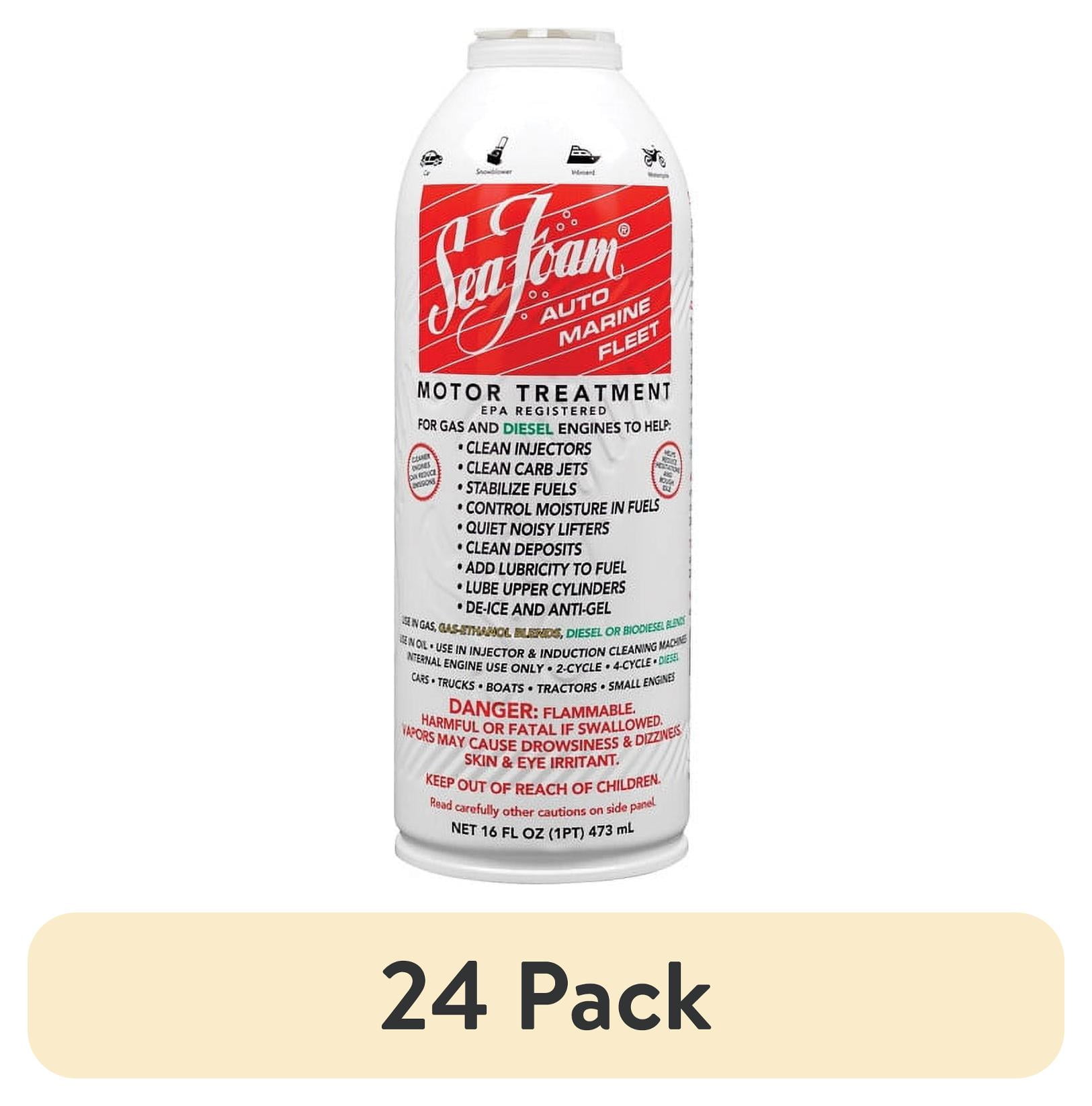
Seafoam is a popular motor treatment trusted by many car owners. It helps clean and protect engines by removing deposits. This product works well in gas, diesel, and oil systems. Many use it to keep engines running smoothly and efficiently.
Understanding Seafoam’s basics is key to deciding if it fits your needs. Below, we explore its formula, uses, and cost to give a clear picture.
Formula And Ingredients
Seafoam’s formula mainly includes petroleum-based naphtha. This ingredient dissolves dirt and deposits inside the engine. It also contains mineral oils to lubricate engine parts. The mix is safe for older and newer engines alike. It breaks down carbon buildup in fuel injectors and combustion chambers.
Primary Uses
Seafoam cleans fuel systems, carburetors, and intake valves. It also stabilizes fuel and removes moisture from the fuel tank. Many add it to engine oil to clean sludge and deposits. It helps reduce engine knocking and smooths idle. Seafoam works well for routine maintenance and problem solving.
Cost And Value
Seafoam is moderately priced compared to other motor treatments. A single can lasts through several uses, offering good value. It is widely available at auto stores and online. Many users find it cost-effective for regular engine care. Its versatility adds to its overall worth.
Stp Motor Treatment Features
STP Motor Treatment offers several features that help maintain your engine’s health. It works to clean, protect, and improve engine performance. These features make it a popular choice among car owners who want reliable engine care. Below are some key aspects of STP Motor Treatment that stand out.
Cleaning Agents
STP Motor Treatment contains special cleaning agents that target dirt and deposits. These agents help remove harmful buildup inside the engine. Cleaner engine parts lead to smoother operation and less wear. This treatment helps keep fuel injectors and valves free from grime.
Water Removal
One important feature is its ability to remove water from the fuel system. Water in fuel can cause poor engine performance and corrosion. STP Motor Treatment works to separate water and helps it exit the system safely. This prevents damage and keeps the engine running well.
Performance Benefits
Using STP Motor Treatment improves engine efficiency. It helps reduce knocking and rough idling. The engine runs cleaner and smoother, which can increase fuel economy. This treatment also protects engine parts from corrosion and wear. Regular use supports longer engine life and better performance.
Fuel System Cleaning
Keeping the fuel system clean is important for engine health. Dirt and deposits can build up over time. This buildup can reduce fuel efficiency and cause engine problems. Using fuel system cleaners helps remove these deposits. These products clean fuel injectors, intake valves, and combustion chambers. They help engines run smoother and last longer. Two popular options are Seafoam and STP Motor Treatment.
Seafoam Effectiveness
Seafoam is known for its strong cleaning action. It uses naphtha as its main ingredient. This helps dissolve carbon deposits inside the engine. Seafoam works well in fuel injectors and intake valves. Many users report smoother idling and better fuel economy. It also helps reduce engine knocking and emissions. Seafoam can be added to fuel or oil for full system cleaning.
Stp Cleaning Power
STP Motor Treatment targets fuel system deposits too. It cleans fuel injectors and carburetors effectively. STP also helps prevent fuel line freeze in cold weather. Its formula is different from Seafoam but still strong. Users notice improved engine performance after use. STP is often praised for its quick action. It is a good option for regular maintenance.
Comparison With Alternatives
Other products offer fuel system cleaning as well. Techron uses polyether amine (PEA) to clean injectors deeply. Lucas Fuel Injector Cleaner is popular for overall engine cleaning. Gumout is safe for catalytic converters and multi-purpose use. HEET helps remove water from the fuel system. Each product has a unique formula and strength. Choosing depends on your engine needs and budget.
Credit: business.walmart.com
Water Removal Capabilities
Water in the fuel system harms engine performance and causes corrosion. Removing this water protects your vehicle from damage and keeps it running smoothly. Both Seafoam and STP Motor Treatment claim to remove water from fuel. Understanding their effectiveness in this area helps you make a better choice.
Seafoam Vs Stp
Seafoam uses a blend of petroleum-based ingredients to clean and protect engines. It breaks down water molecules and helps them evaporate through combustion. STP Motor Treatment contains additives designed to remove moisture and prevent rust. Its formula aims to bind with water and expel it from the fuel system. Seafoam is often praised for its gentle yet thorough cleaning. STP is known for quick action on small amounts of water. Both products work, but Seafoam may take longer to show full results.
Preventing Fuel Line Freeze
Water in fuel lines can freeze in cold weather. This freeze blocks fuel flow and stops engines from starting. Seafoam reduces water buildup, lowering freeze risk over time. STP Motor Treatment also prevents ice formation by removing water quickly. Users in colder climates often choose STP for faster freeze protection. Seafoam offers a more gradual, deep-cleaning effect that helps long-term. Choosing depends on how urgent freeze prevention is for your situation.
User Experiences
Many drivers report Seafoam clears small water amounts with regular use. They notice smoother engine performance and fewer stalls. Some say it takes a few tanks of fuel to see changes. STP users often highlight immediate improvements in cold weather starts. They appreciate the fast water removal and freeze prevention. A few mention needing repeated STP treatments for heavy water contamination. Both products have positive reviews but differ in speed and longevity of effect.
Engine Performance Impact
Engine performance depends on many factors, including how clean the engine is. Seafoam and STP Motor Treatment both aim to improve this by cleaning and protecting engine parts. Their impact varies based on formula and usage. Understanding their effects helps decide which product suits your engine needs.
Fuel Efficiency Improvements
Seafoam helps remove fuel system deposits, improving fuel flow. This can lead to smoother engine operation and better mileage. STP Motor Treatment also cleans fuel injectors and carburetors. It may enhance combustion efficiency, reducing fuel waste. Both products can contribute to slight fuel savings over time.
Deposit Prevention
Seafoam’s formula targets carbon buildup in the engine. It dissolves harmful deposits that reduce power and cause rough idling. STP Motor Treatment focuses on preventing new deposits from forming. This keeps the fuel system cleaner longer. Using either product helps maintain cleaner engine parts and better performance.
Long-term Benefits
Regular use of Seafoam can extend engine life by reducing wear. It protects valves, pistons, and injectors from damage caused by deposits. STP Motor Treatment supports engine health by keeping the fuel system clean and free from moisture. Over time, both products help maintain engine power and reduce costly repairs.
When To Use Each Product
Choosing between Seafoam and STP Motor Treatment depends on your car’s needs and usage. Both products clean and protect engines but work best in different situations. Knowing when to use each helps keep your engine running smoothly and efficiently. Below are clear guidelines for using Seafoam and STP Motor Treatment.
Regular Maintenance
Seafoam works well for regular engine care. Add it to your fuel tank or oil during routine maintenance. It cleans deposits slowly and keeps fuel injectors clear. STP Motor Treatment also helps but is better for targeted cleaning. Use Seafoam to maintain engine health and prevent buildup over time.
Before Long Drives
Use STP Motor Treatment before long trips. It quickly cleans fuel lines and improves engine performance. STP helps reduce rough idling and hesitation during drives. Seafoam takes longer to show effects, so it is less ideal before a trip. STP prepares your engine for steady, extended use.
Older Vehicles
Older engines often have more buildup inside. Seafoam is good for these engines because it breaks down sludge and deposits gently. It can be added to oil or fuel for deep cleaning. STP Motor Treatment is useful too but works better on lighter deposits. For heavy buildup, start with Seafoam for best results.
Alternatives To Seafoam And Stp
There are several alternatives to Seafoam and STP motor treatments. These products serve different needs like cleaning fuel injectors, removing water, or multi-purpose engine cleaning. Choosing the right product depends on what you want to fix or maintain in your vehicle. Below are some popular options that offer effective results.
Techron For Fuel Injectors
Techron is well-known for cleaning fuel injectors deeply. It uses a special formula that breaks down deposits quickly. Many users report smoother engine performance after using Techron. It helps reduce rough idling and improves fuel efficiency. Techron is a trusted choice for keeping injectors clean and working well.
Lucas Fuel Injector Cleaner
Lucas Fuel Injector Cleaner is popular for overall engine cleaning. It works to remove carbon buildup and deposits inside the engine. This cleaner also helps improve engine power and fuel economy. Many car owners prefer Lucas for its strong cleaning effects. It is safe to use in all gasoline engines.
Gumout As Multi-purpose Cleaner
Gumout offers a multi-purpose cleaning solution for engines. It cleans fuel injectors, carburetors, and intake valves. Gumout is also safe for catalytic converters. This makes it a good choice for regular engine maintenance. Many drivers use Gumout to keep engines running smoothly and reduce emissions.
Heet For Water Removal
HEET is designed to remove water from the fuel system. It prevents ice from forming in fuel lines during cold weather. This keeps the engine running without interruptions. HEET is often preferred over Seafoam for this specific purpose. It helps protect the fuel system and improves engine start-up in winter.

Credit: www.youtube.com
Cost And Value Comparison
Comparing the cost and value of Seafoam and STP Motor Treatment helps decide which suits your needs. Both products aim to clean and protect your engine but vary in price and formulation. Understanding these differences guides smarter buying choices.
Price Differences
Seafoam generally costs more per bottle than STP Motor Treatment. The price reflects Seafoam’s longer history and trusted brand name. STP offers more affordable options, often found in larger quantities. Budget-conscious buyers may prefer STP for regular use.
Concentration Of Cleaning Agents
Seafoam contains a higher concentration of active cleaning ingredients. This makes it effective for deep engine cleaning and fuel system maintenance. STP Motor Treatment has a milder formula, suitable for routine fuel system care. The difference affects how often you need to use each product.
User Value Perception
Many users value Seafoam for its versatility and proven results. It cleans engines, fuel injectors, and carburetors effectively. STP users appreciate its lower cost and decent cleaning power. Some prefer STP for quick fixes, while others trust Seafoam for long-term engine health.
User Reviews And Feedback
User reviews and feedback offer valuable insights into how Seafoam and STP Motor Treatment perform in real-life situations. Users share their experiences regarding engine cleanliness, fuel efficiency, and overall engine health after using these products. Examining these opinions helps understand the strengths and weaknesses of each treatment.
Positive Results
Many users report noticeable improvements with Seafoam. They mention smoother engine operation and reduced smoke during startup. STP Motor Treatment also earns praise for cleaning fuel injectors and improving acceleration. Users appreciate the ease of use for both products. Regular application often leads to fewer engine issues and better fuel economy. These positive results build trust among vehicle owners.
Minimal Effects On New Cars
Feedback indicates minimal effects when using either product on new cars. New engines usually run clean, so users see little change after treatment. Some mention that benefits become more evident in older or high-mileage vehicles. Both Seafoam and STP Motor Treatment seem less impactful on well-maintained, modern engines. This suggests they are best suited for vehicles needing extra care.
Community Recommendations
Online communities and forums often recommend Seafoam for deep engine cleaning. It is favored for its versatility and gentle formula. STP Motor Treatment is suggested for routine maintenance and preventing fuel system buildup. Many users advise combining treatments for optimal results. Peer advice highlights the importance of following product instructions carefully. Community feedback encourages trying both to find the best fit for each vehicle.
Credit: business.walmart.com
Frequently Asked Questions
Is There Anything Better Than Sea Foam?
Sea Foam is a reliable general-purpose engine cleaner. Alternatives like Techron, Lucas, Gumout, and HEET excel in specific tasks such as injector cleaning or water removal. Choosing depends on your needs; no single product is universally better than Sea Foam.
Does Stp Gas Treatment Really Help?
Yes, STP gas treatment cleans fuel system deposits and removes water, helping prevent fuel line freeze. It may improve engine performance and fuel efficiency. Effectiveness varies by product and vehicle condition. Many users find it useful as a preventative measure for maintaining a clean fuel system.
What Is The Disadvantage Of Sea Foam?
Sea Foam may cause engine damage if overused and can loosen deposits that clog filters. It is less effective for specific issues compared to specialized cleaners.
What Is Considered The Best Fuel System Cleaner?
The best fuel system cleaner depends on your needs. Techron excels at fuel injector cleaning. Lucas works well for overall engine cleaning. Gumout offers multi-purpose cleaning and protects catalytic converters. HEET removes water and prevents fuel line freeze. Seafoam suits general maintenance.
What Are The Main Differences Between Seafoam And Stp Motor Treatments?
Seafoam cleans engines broadly using naphtha, while STP targets fuel system deposits and freeze prevention.
Conclusion
Choosing between Seafoam and STP Motor Treatment depends on your needs. Seafoam works well for general engine cleaning and maintenance. STP often focuses on fuel system cleaning and preventing freeze-ups. Both products have loyal users who see benefits in engine performance.
Consider your engine’s condition and what type of cleaning you require. Using either regularly can help keep your engine running smoother. Simple upkeep with the right product saves money and extends engine life. Always follow product instructions for best results and safety.