

When it comes to protecting your vehicle or metal surfaces from rust, you want a solution that truly works. But with so many options out there, how do you know which one is right for you?
If you’ve been searching for reliable rust prevention, you’ve likely come across Rust Check and Fluid Film. Both promise to stop rust in its tracks and keep your investment safe, but they work in very different ways. You’ll discover how each product tackles rust, what makes them unique, and which one might be the best fit for your needs.
Keep reading to make sure you choose the right rust protection that will keep your vehicle or equipment in top shape for years to come.
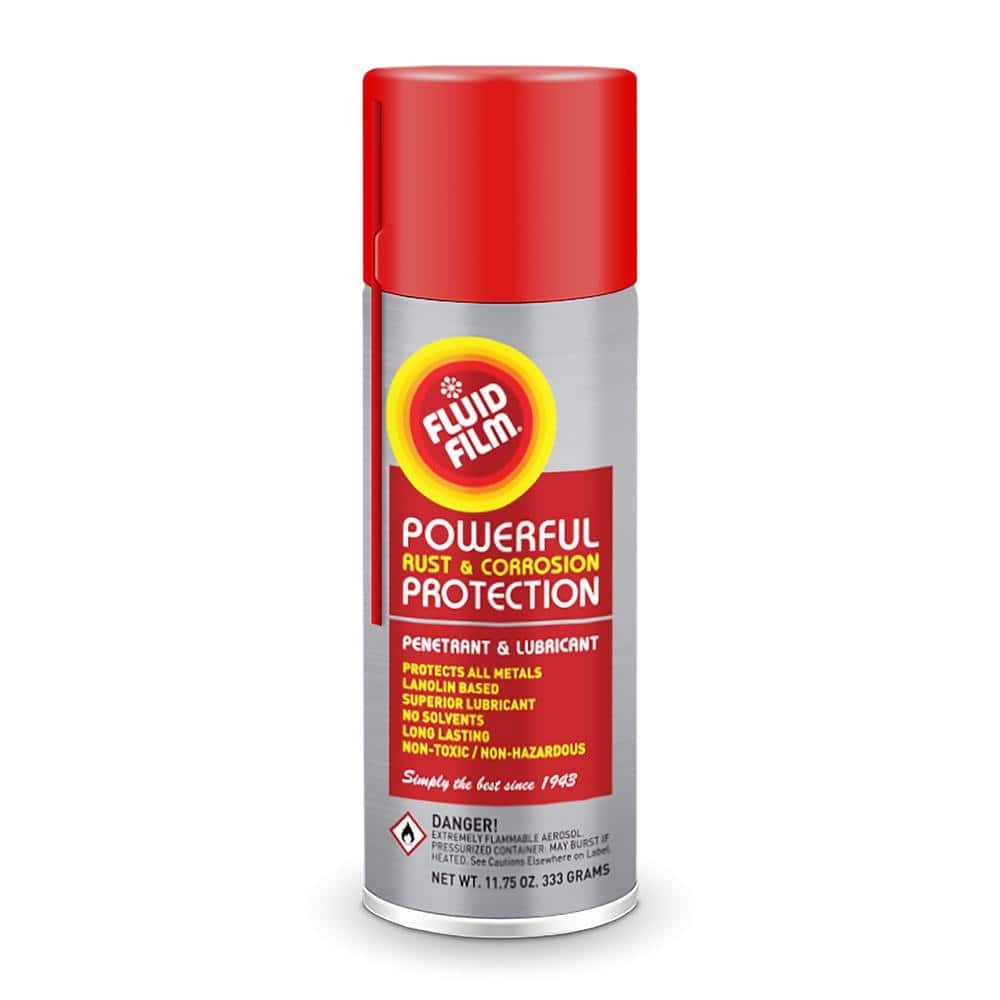
Credit: www.homedepot.com
Rust Check Basics
Rust Check Basics help understand how this rust prevention product works. It protects metal surfaces from rust and corrosion. Rust Check is popular for vehicle undercoating and industrial use. Knowing its composition, application, and features helps choose the right rust protection.
Composition And Ingredients
Rust Check is made from a blend of oils and corrosion inhibitors. It contains petroleum-based ingredients that form a protective layer on metal. The product also includes additives that stop moisture from reaching the metal surface. These ingredients work together to slow down rust formation.
Application Methods
Rust Check can be applied using spray cans or bulk containers. The surface must be clean and dry before application. Users spray or brush Rust Check evenly on the metal parts. It is commonly used on car underbodies, frames, and other exposed areas. Reapplication may be needed for long-term protection.
Key Features
Rust Check provides a thick, oily coating that repels water. It penetrates small crevices to protect hidden metal parts. The product stays flexible and does not crack easily. It also reduces noise from road vibrations. Rust Check resists salt, dirt, and other harsh elements well.
Fluid Film Essentials
Fluid Film Essentials cover key features that make this rust prevention product popular. It offers unique protection by forming a lasting barrier on metal surfaces. Understanding its chemical makeup, application methods, and core benefits helps users choose the right rust protection.
Chemical Makeup
Fluid Film is based on lanolin, a natural oil from sheep’s wool. This oil mixes with petroleum solvents to create a thick, sticky liquid. The formula is non-drying, which means it stays soft and flexible over time. It does not contain wax, silicone, or heavy metals. This helps it penetrate rust and coat metal surfaces deeply.
Application Techniques
Applying Fluid Film is simple and flexible. It can be sprayed, brushed, or wiped onto surfaces. Clean the metal before applying for best results. Use spray cans for small jobs and bulk containers for larger projects. It is often used on vehicle underbodies, machinery, and tools. The coating remains wet and self-healing, so it does not crack or peel.
Core Benefits
Fluid Film stops rust from spreading by displacing moisture and oxygen. It forms a protective, self-healing barrier that lasts for months or years. The product works well on old rust as well as new metal. It does not harden or flake, ensuring continuous protection. It is safe to use on many surfaces and easy to reapply as needed.
Rust Prevention Capabilities
Rust prevention is essential to protect metal surfaces and extend their life. Both Rust Check and Fluid Film offer solutions to combat rust. Understanding their rust prevention capabilities helps choose the right product. This section breaks down how each product stops existing rust, protects against new rust, and forms barriers.
Stopping Existing Rust
Fluid Film penetrates existing rust and halts its progress. It does not remove rust but seals it, preventing further corrosion. Rust Check also targets existing rust by neutralizing it chemically. This stops rust from spreading under the coating. Both products help control rust once it appears on metal surfaces.
Protecting Against New Rust
Fluid Film forms a self-healing layer that repels moisture and salt. This layer blocks oxygen, which rust needs to form. Rust Check provides a protective coating that inhibits new rust from forming. It creates a tough shield that resists water and contaminants. Both products reduce the chance of new rust developing on treated metal.
Barrier Properties
Fluid Film creates a thick, non-drying barrier. This barrier remains flexible and repairs small scratches automatically. Rust Check forms a hard, durable barrier that bonds tightly to metal. It is designed to last for years without cracking or peeling. Each product’s barrier properties play a key role in long-term rust prevention.
Durability And Longevity
Durability and longevity are vital factors in choosing a rust protection product. Both Rust Check and Fluid Film offer strong protection against rust. Their ability to last long and withstand tough conditions affects how well they protect your vehicle or equipment. This section compares their durability and how long they keep your metal safe.
Resistance To Salt And Moisture
Rust Check forms a hard, durable shield that blocks salt and water. It prevents these elements from reaching the metal surface. Fluid Film creates a thick, oily barrier that repels moisture and salt effectively. It stays wet longer, which helps it protect metal in salty or wet environments. Both products resist salt and moisture well, but Fluid Film’s oily nature gives it a slight edge in very damp conditions.
Performance In Harsh Conditions
Rust Check performs well in cold and hot weather. Its protective layer remains intact under stress. Fluid Film excels in harsh conditions due to its flexible coating. It moves with the metal as it expands or contracts. This flexibility helps prevent cracks and peeling. Fluid Film may last longer in extreme climates, but Rust Check still offers solid protection in most environments.
Maintenance Requirements
Rust Check requires less frequent reapplication because of its tough, dry finish. It protects for years with minimal upkeep. Fluid Film needs more regular application since it remains wet and can wash away over time. This means more maintenance but easier touch-ups. Choosing between the two depends on your willingness to maintain and the environment your vehicle faces.
Application And User Experience
Applying Rust Check and Fluid Film involves different steps that affect the overall user experience. Both products aim to protect metal surfaces from rust, but their application methods vary. Understanding these differences helps users choose the best fit for their needs and skills.
Ease Of Use
Rust Check comes in aerosol cans and bulk forms. The spray makes it easy to cover large areas quickly. It dries to a hard coating, so users must work fast for even coverage.
Fluid Film has a thicker, gel-like texture. It applies smoothly with a brush or spray. It remains wet and oily, allowing it to seep into cracks and crevices. Users often find it simpler for detailed spots.
Surface Preparation
Rust Check requires a clean, dry surface before application. Removing loose rust and dirt improves adhesion and protection. Sanding or wire brushing is common.
Fluid Film works well on rusty and dirty surfaces. It penetrates existing rust and stops further damage. Minimal preparation is needed, which saves time and effort.
Potential Drawbacks
Rust Check’s hard finish can crack if the surface flexes. It may need sanding or touch-ups after rough handling. Also, it can be tricky to remove once dried.
Fluid Film leaves a greasy, wet surface that attracts dust and dirt. It may drip or run if applied too thick. Some users dislike the oily feel and frequent reapplication.

Credit: www.youtube.com
Environmental Impact
Understanding the environmental impact of Rust Check and Fluid Film is crucial. Both products aim to prevent rust but differ in their effects on nature. Choosing a rust prevention method that is safe for the environment benefits health and ecosystems.
Environmental impact involves toxicity levels, safety during use, and overall eco-friendliness. This section breaks down these factors for both Rust Check and Fluid Film.
Toxicity And Safety
Rust Check contains chemicals that can be harmful if inhaled or touched. Proper ventilation and protective gear are recommended during application. It may cause skin irritation and respiratory issues if not handled carefully.
Fluid Film uses lanolin-based oil, which is less toxic and safer for users. It has low volatility, reducing harmful fumes. This makes Fluid Film a safer option for people and pets around treated areas.
Eco-friendly Aspects
Rust Check’s chemical composition can affect soil and water if spilled. It is not biodegradable and may persist in the environment. Disposal requires following hazardous waste guidelines to avoid contamination.
Fluid Film is biodegradable and breaks down naturally over time. It does not contain heavy metals or harsh solvents. This makes Fluid Film more environmentally friendly for long-term use.
Both products require careful handling, but Fluid Film offers a greener choice for rust prevention. Users concerned about environmental safety may prefer Fluid Film’s eco-friendly profile.
Cost Comparison
Comparing costs between Rust Check and Fluid Film helps you decide the best rust protection. Both products offer strong rust prevention but differ in price and value. Understanding their costs can save money and keep your vehicle safe longer.
Product Pricing
Rust Check usually costs more upfront than Fluid Film. It is a professional service with a higher price tag. Fluid Film is available in spray cans and bulk containers. It costs less and you can apply it yourself. Buying Fluid Film in bulk lowers the price per use. Rust Check includes application by experts, which adds to its cost. Fluid Film’s DIY option suits those on a tighter budget.
Long-term Value
Rust Check offers a long-lasting protective coating that can last several years. Its professional application may prevent costly repairs later. Fluid Film requires more frequent applications to maintain protection. However, its lower price makes repeat treatments affordable. Rust Check could save money over time through durability. Fluid Film gives flexibility to reapply as needed without high costs.
Real-world Reviews
Real-world reviews offer valuable insights into how Rust Check and Fluid Film perform outside the lab. Users share their actual experiences, highlighting strengths and weaknesses. This feedback helps potential buyers make informed choices based on practical use rather than just marketing claims.
Customer Feedback
Many customers praise Fluid Film for its ease of use and long-lasting protection. It forms a thick, sticky layer that resists water and salt well. Some note it stays effective for years without reapplication. Rust Check users often mention a strong initial effect and a clean finish. Some say it works best on clean, rust-free surfaces. A few customers report needing multiple applications for heavy rust spots. Overall, both products receive positive marks for slowing rust development.
Expert Opinions
Experts recognize Fluid Film’s ability to penetrate and stop rust spread. They note its non-toxic, lanolin-based formula is safer for the environment. Rust Check gets credit for its durable, paint-like coating that protects well in harsh conditions. Specialists recommend Fluid Film for vehicles exposed to road salt and moisture. Rust Check is often favored for structural metal parts and industrial use. Both products have strong support from experts depending on the application.
Comparison Tests
Several comparison tests show Fluid Film excels at rust prevention on older cars. It remains soft and self-healing, protecting hard-to-reach spots. Rust Check performs well on new metal, creating a tough, protective shell. In salt spray chamber tests, both slow corrosion significantly. Fluid Film shows better flexibility and water displacement. Rust Check provides a harder surface that resists scratches. Test results suggest choosing Fluid Film for maintenance and Rust Check for heavy-duty protection.
Choosing The Right Product
Choosing the right rust prevention product is key for your vehicle’s longevity. Rust Check and Fluid Film offer strong protection but suit different needs. Understanding your vehicle type, climate, and how often you apply the product helps make a smart choice.
Vehicle Types
Rust Check works well on cars with light to moderate rust risk. It forms a hard protective layer that lasts long. Fluid Film suits older or classic cars with existing rust. Its soft, oily barrier stops rust from spreading. Choose Rust Check for daily drivers and Fluid Film for stored or vintage vehicles.
Climate Considerations
Harsh winters with road salt demand strong protection. Rust Check’s durable coating handles salty roads better. Fluid Film excels in humid or coastal areas by keeping moisture away. Both prevent rust, but climate guides the best choice. Hot, dry places need less frequent application than wet climates.
Application Frequency
Rust Check usually needs yearly or bi-yearly application. Its thick layer stays effective longer. Fluid Film requires more frequent use, about every 6 months. It remains flexible and self-heals but washes off easier. Consider your maintenance routine and how often you want to apply the product.

Credit: www.amazon.com
Frequently Asked Questions
Does Fluid Film Really Stop Rust?
Yes, Fluid Film stops rust by creating a protective, self-healing barrier. It displaces moisture and blocks oxygen, preventing rust spread and new formation. It does not remove rust but effectively halts corrosion, especially on vehicles exposed to salt and harsh conditions.
Is Rust Check Any Good?
Rust Check effectively prevents rust by creating a protective, moisture-displacing barrier. It stops rust spread but doesn’t remove existing rust. It works well for vehicle undercoating and extends metal lifespan, especially in salty environments. Regular application ensures long-term rust protection and durability.
What Is Better, Krown Or Fluid Film?
Krown offers fast, affordable rust protection with a dry finish. Fluid Film provides longer-lasting, oily, self-healing rust prevention. Choose Krown for quick, budget-friendly use; select Fluid Film for durable, heavy-duty protection in harsh conditions. Both effectively slow rust but differ in application and longevity.
What Is The Best Type Of Rust Proofing?
The best rust proofing uses Fluid Film, which stops rust spread and prevents new rust by displacing moisture. It creates a self-healing, protective barrier, especially effective in salty conditions. Fluid Film does not remove rust but seals and protects metal surfaces for long-term prevention.
What Is The Main Difference Between Rust Check And Fluid Film?
Rust Check is a hard coating, while Fluid Film is a soft, oily rust inhibitor.
Conclusion
Both Rust Check and Fluid Film protect metal surfaces well. Rust Check creates a hard barrier that resists damage. Fluid Film offers a soft, oily coating that stops rust spread. Choose Rust Check for long-lasting, tough protection. Pick Fluid Film if you want easy application and moisture displacement.
Both help prevent rust but work in different ways. Consider your needs and environment before deciding. Proper use of either product can extend your vehicle’s life. Rust protection matters, and these options deliver effective results.