

When it comes to upgrading your engine’s look and durability, powder coating your valve cover is a game-changer you don’t want to miss. You might have tried painting before, only to see the finish peel or fade under heat and wear.
Powder coating offers a tough, long-lasting solution that not only protects your valve cover but also gives your engine bay a sleek, custom appearance. If you want your engine to stand out while staying protected from the harsh conditions under the hood, keep reading to discover why powder coating is the best choice for your valve cover and how it can transform your ride.
Benefits Of Powder Coating
Powder coating valve covers offers many advantages that improve both performance and appearance. This coating method provides a strong, protective layer that lasts longer than traditional paint. It helps keep valve covers safe from damage and wear, making it a smart choice for car owners. Below are some key benefits of powder coating valve covers.
Durability And Resistance
Powder coating creates a tough surface on valve covers. It resists chipping, scratching, and fading. This helps maintain the valve cover’s condition over time. The coating also stands up well to impacts and daily wear. This durability means fewer repairs and less maintenance.
Heat And Corrosion Protection
Valve covers face high engine temperatures and moisture. Powder coating protects metal from heat damage and rust. It forms a barrier that stops corrosion from spreading. This keeps the valve cover strong and functioning well. Heat resistance also prevents the coating from peeling or cracking.
Aesthetic Appeal
Powder coating offers a smooth, clean finish for valve covers. It is available in many colors and textures. This allows customization to match the engine bay style. The coating keeps valve covers looking new and polished. It adds a professional and attractive look to any engine.
Valve Cover Preparation
Preparing a valve cover for powder coating ensures a strong and lasting finish. Proper preparation removes dirt, grease, and old coatings that block powder adhesion. Skipping preparation leads to uneven coating and early peeling. This process demands attention to detail and the right techniques.
Cleaning And Degreasing
Start by removing all oil, grease, and dirt from the valve cover. Use a strong degreaser designed for automotive parts. Apply the cleaner thoroughly, scrubbing with a brush to reach all crevices. Rinse well and dry completely to avoid trapping moisture under the coating. This step is crucial to prevent coating failures.
Surface Blasting Techniques
Surface blasting creates a rough texture that helps powder coat stick better. Common methods include sandblasting and soda blasting. Sandblasting uses abrasive particles to strip old paint and rust. Soda blasting is gentler and removes contaminants without damaging the metal. Choose the method based on your valve cover’s condition and material.
Masking Sensitive Areas
Mask areas that must not receive powder coating, such as bolt holes and gasket surfaces. Use high-temperature tape or plugs to protect these spots. Proper masking prevents coating buildup that can interfere with assembly or sealing. Take care to cover all sensitive parts fully before starting the powder coating process.
Powder Coating Process
Powder coating valve covers is a popular way to protect and enhance their look. This process uses dry powder applied to the metal surface. The powder fuses to the cover during curing, creating a hard, durable finish. Understanding the powder coating process helps to get the best results and long-lasting protection.
Choosing The Right Powder
Selecting the right powder is key to a strong finish. Different powders offer various colors and textures. High-temperature powders work best for valve covers. They resist heat and chemicals found in engine environments. Choosing powders designed for metal ensures better adhesion and durability.
Application Methods
The powder is applied using a spray gun that charges the powder particles. The charged powder sticks evenly to the grounded valve cover. This method creates a smooth and full coverage layer. Proper technique prevents thin spots and ensures a clean finish. Multiple coats may be applied for added protection.
Curing And Cooling
After application, the valve cover moves to a curing oven. The heat melts and bonds the powder to the metal surface. The temperature and time depend on the powder type but usually range from 350 to 400 degrees Fahrenheit. Cooling the cover slowly after curing avoids cracks and stress. The result is a tough, glossy finish that lasts long.

Credit: www.youtube.com
Common Issues And Solutions
Powder coating valve covers is a popular way to protect and beautify them. Despite its durability, some common issues can arise. Knowing these problems and their solutions helps maintain the coating’s look and strength.
Peeling And Flaking
Peeling happens when the powder coating does not stick well. Poor surface preparation often causes this issue. Dirt, oil, or rust on the valve cover stops proper adhesion. To fix peeling, clean the surface thoroughly before coating. Sandblasting or chemical cleaning removes contaminants and rust. Also, ensure the coating is cured at the right temperature. Proper curing makes the finish tough and long-lasting.
Color Fading
Sunlight and heat can cause powder coating colors to fade. UV rays break down the pigments in the coating. This makes bright colors dull over time. To prevent fading, choose UV-resistant powders. These powders keep colors vibrant longer. Applying a clear protective topcoat can also help. It shields the color from sun damage and extends life.
Surface Imperfections
Surface imperfections like bumps or rough spots happen during application. Dust or debris can settle on the valve cover before curing. Uneven powder spraying also causes texture problems. Fix surface imperfections by cleaning the area well. Use a clean booth and filtered air for spraying. Light sanding after curing can smooth minor defects. Careful handling during the process improves the final look.
Comparing Powder Coating And Painting
Choosing between powder coating and painting for your valve cover matters. Both methods improve the look and protection of the cover. Understanding their differences helps you make a smart choice. Let’s compare powder coating and painting by key factors.
Longevity And Maintenance
Powder coating lasts much longer than paint. It forms a tough, thick layer that resists chips and scratches. Paint can peel or fade faster, especially under engine heat. Powder coating also resists chemicals and moisture better. This means less frequent touch-ups and lower maintenance needs.
Cost Considerations
Painting usually costs less upfront. It requires fewer tools and less prep work. Powder coating has a higher initial price due to the process and equipment. Over time, powder coating may save money because it lasts longer. For valve covers, the extra cost often reflects better value and durability.
Touch-up And Repair
Paint repairs are easier and quicker. You can touch up small scratches with spray cans or brushes. Powder coating repairs need professional help and full re-coating. Spot repairs on powder coating often stand out. Think about how often you want to fix your valve cover’s finish.
Tips For A Lasting Finish
Achieving a lasting finish on a powder-coated valve cover requires careful attention after the coating process. Small actions can protect the finish from damage and keep the cover looking new. Proper care helps avoid peeling, chipping, and fading over time. Follow these tips to maintain a strong, durable finish.
Proper Handling After Coating
Handle the valve cover with clean hands or gloves to avoid oils and dirt. Avoid dropping or banging the cover, as impact can cause cracks or chips. Let the coating fully cure before touching or installing the valve cover. This curing time ensures the powder coat hardens completely. Store the coated part in a dry, clean area to prevent dust buildup.
Avoiding Common Mistakes
Do not clean the valve cover with harsh chemicals or abrasive materials. Avoid using wire brushes or rough cloths that can scratch the surface. Refrain from exposing the valve cover to extreme heat right after coating. Keep away from moisture and water until the finish is fully cured. Skip quick fixes or touch-ups without professional help, as they may weaken the coating.
Routine Care And Cleaning
Clean the valve cover regularly with mild soap and water. Use a soft cloth or sponge to wipe the surface gently. Dry the cover completely to prevent water spots or corrosion. Avoid high-pressure washers that can damage the coating. Inspect the finish often for small chips or cracks and address them early to extend the coating life.
Custom Powder Coating Options
Custom powder coating options allow you to personalize your valve cover. This process enhances durability and adds a unique look. You can match your vehicle’s style or create a bold statement. Each option focuses on quality and style, making your valve cover stand out.
Color Choices
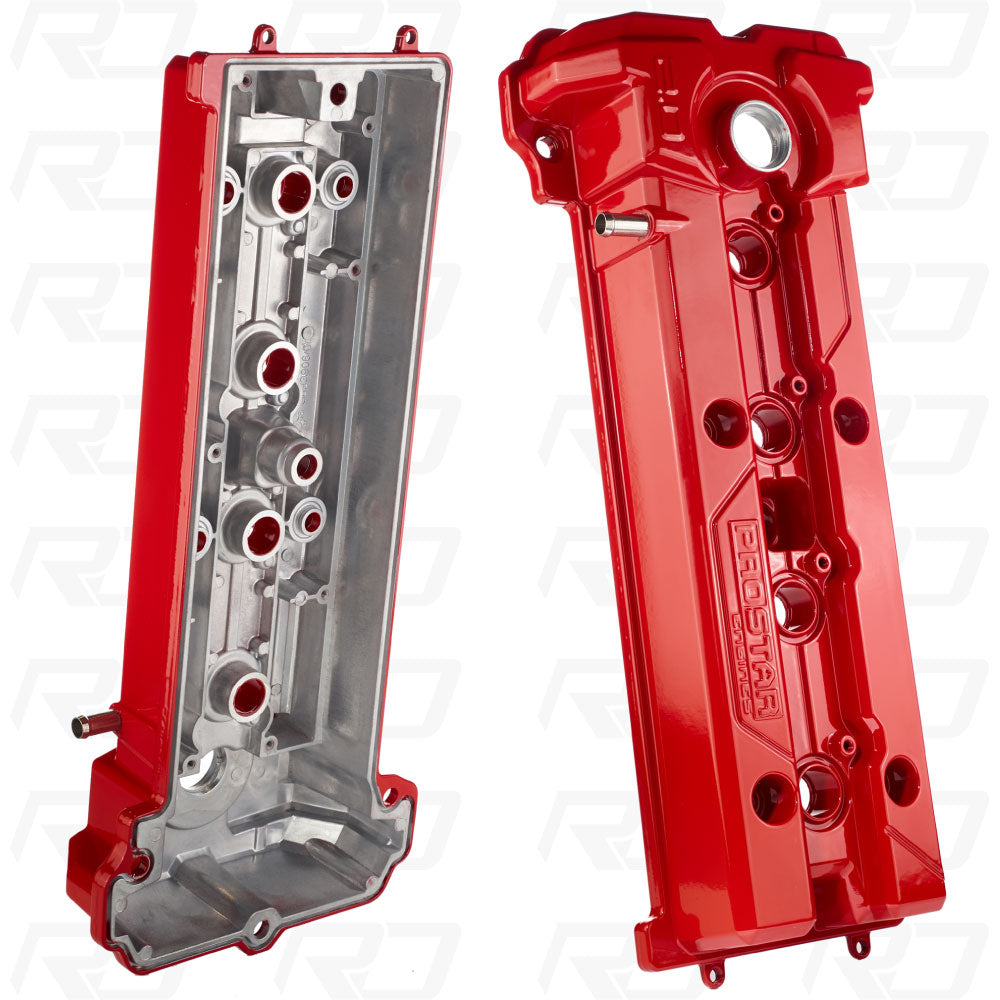
Powder coating offers a wide range of colors. From classic blacks to bright reds, you can select any shade. Custom colors help match your car’s theme or create contrast. These colors resist fading and maintain their shine for years. Choose matte, glossy, or satin finishes to suit your taste.
Texture And Effects
Texture adds depth and character to the valve cover. Options include smooth, rough, or hammered finishes. Effects like metallic or candy coats give a unique shine. You can even select textured finishes for better grip or style. These effects enhance both appearance and function.
Professional Services
Expert powder coating services ensure high-quality results. Professionals prepare the valve cover with cleaning and sanding. They apply coatings evenly to avoid flaws and peeling. Heat curing locks the powder for a tough, long-lasting finish. Trusted services provide warranty and satisfaction guarantees.
Credit: revdynamics.net
Safety And Environmental Factors
Safety and environmental factors play a key role in the powder coating process for valve covers. Proper handling of chemicals and powders protects workers and the workspace. Understanding disposal methods reduces environmental harm. Using the right personal protective equipment ensures health and safety during the coating process.
Handling Chemicals And Powders
Chemicals used in powder coating can be harmful if not handled correctly. Always store powders in sealed containers to avoid spills. Avoid inhaling powders by working in well-ventilated areas. Follow manufacturer instructions when mixing or applying powders. Keep chemicals away from heat and open flames. Careful handling prevents accidents and exposure to toxic substances.
Disposal And Environmental Impact
Disposing of powder coating waste responsibly protects the environment. Do not pour leftover powders or chemicals down drains. Collect and recycle unused powders whenever possible. Use approved disposal methods for hazardous waste. Many powders are free of heavy metals, reducing pollution risks. Proper disposal helps maintain clean air and water quality.
Personal Protective Equipment
Wearing personal protective equipment (PPE) is essential during powder coating. Use respirators to avoid breathing in fine powders. Gloves protect skin from chemical exposure and irritation. Safety glasses shield eyes from dust and particles. Wear coveralls or long sleeves to prevent skin contact. PPE creates a safe work environment and reduces health risks.

Credit: www.ddmworks.com
Frequently Asked Questions
Is It Safe To Powder Coat Valve Covers?
Yes, powder coating valve covers is safe and offers durable, long-lasting protection against heat and wear. It prevents peeling better than paint.
Can You Powder Coat Engine Covers?
Yes, you can powder coat engine covers. Powder coating provides a durable, heat-resistant, and long-lasting finish. It protects covers from wear, corrosion, and heat damage. Proper surface preparation ensures strong adhesion and a smooth finish. Many vehicle owners prefer powder coating for engine covers due to its durability.
What Are The Downsides Of Powder Coating?
Powder coating requires full stripping for repairs, making touch-ups costly and time-consuming. It may not suit heat-sensitive parts.
Is Powder Coating Good For Engine Parts?
Powder coating protects engine parts from corrosion and heat damage. It offers durable, long-lasting protection with a smooth finish. However, delicate components need careful prep to avoid damage during coating. Overall, powder coating enhances engine part longevity and appearance effectively.
What Is Powder Coating For Valve Covers?
Powder coating is a dry finishing process that creates a hard, durable layer on valve covers.
Conclusion
Powder coating valve covers offers strong protection and a fresh look. It resists heat, chips, and chemicals better than paint. This makes your engine bay cleaner and more durable. The process also allows for many color choices to match your style.
Proper preparation ensures the coating lasts longer without peeling. Choose powder coating to improve both function and appearance. It’s a smart upgrade for any vehicle owner.