When it comes to fighting rust, choosing the right product can make all the difference for your project’s success. You might have heard about POR-15 and Zero Rust, two popular rust treatments, but which one truly protects your metal surfaces better?
If you want to save time, money, and frustration, understanding how each works—and what makes them unique—is essential. You’ll discover how POR-15 and Zero Rust tackle corrosion, what you need to know about their application and durability, and which one fits your needs best.
Keep reading to make an informed choice that keeps your metal looking great and rust-free for years to come.

Credit: www.amazon.com
Rust Removal Methods
Rust removal methods vary widely depending on the product used. Understanding the differences in how POR 15 and Zero Rust work helps in choosing the right solution. Both products aim to stop rust, but their approach and preparation needs differ. Below is a breakdown of their rust removal techniques.
Por 15 Chemical Bonding
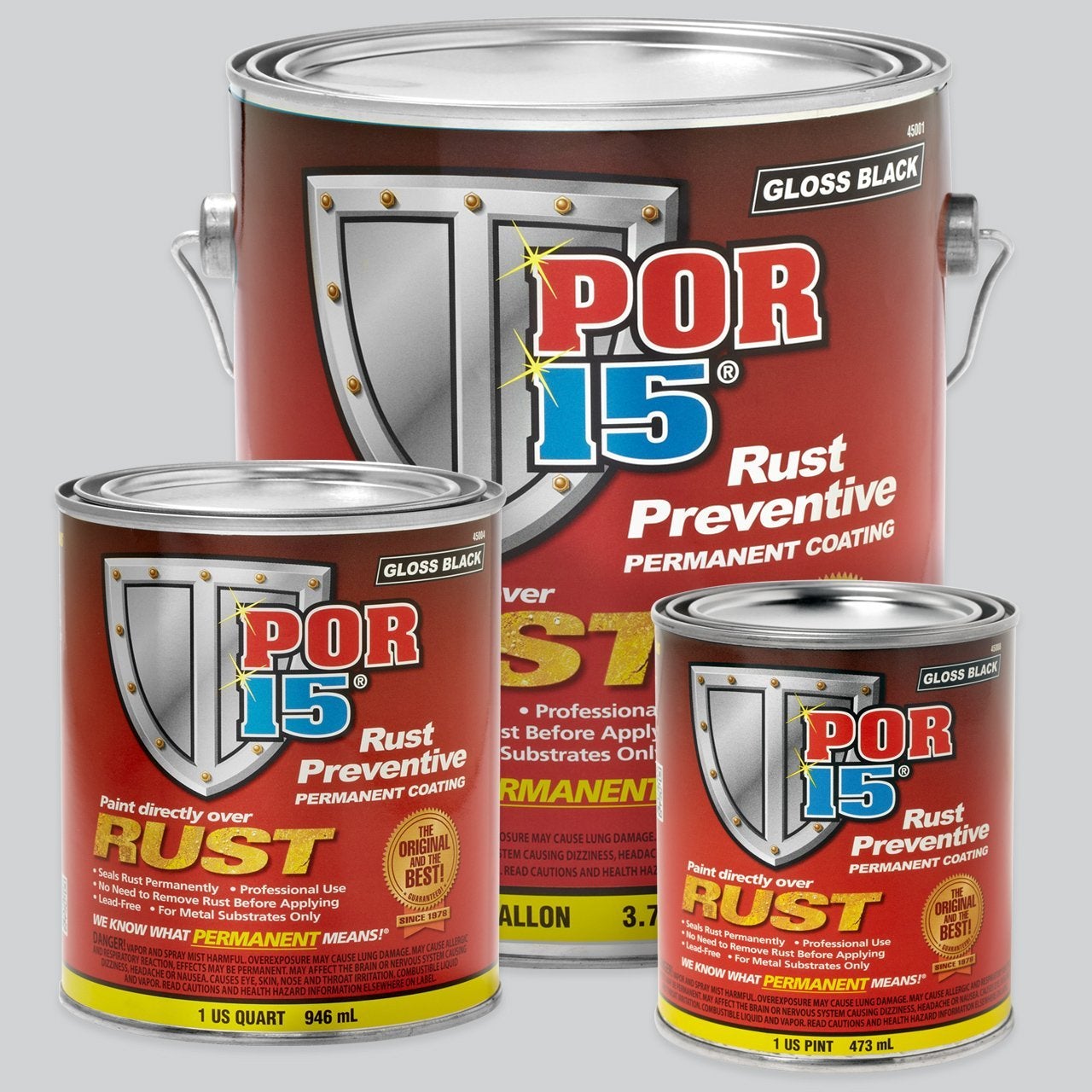
POR 15 works by chemically bonding to the rusted metal surface. It creates a hard, non-porous layer that seals the rust underneath. This coating prevents oxygen and moisture from reaching the metal. The strong bond helps stop rust from spreading further. Users must prepare the surface carefully to ensure the chemical bond forms properly. Without proper prep, the coating may not stick well or last long.
Zero Rust Penetration And Armor
Zero Rust uses a different method by penetrating the existing rust. It dehydrates the rust and mixes with it chemically. This process turns the rust into a solid, protective “armor.” The coating is tough and seals the surface against new rust. Some Zero Rust formulas resist UV light, so they do not need extra topcoats for appearance. This makes it easier to apply and maintain over time.
Surface Preparation Requirements
Surface preparation is critical for both POR 15 and Zero Rust. POR 15 needs a clean, rust-free surface and often requires a metal prep solution. This step removes contaminants and helps the chemical bond form. Zero Rust is more forgiving and can work on rusty surfaces without complete removal. However, loose rust and dirt should be brushed off to improve penetration. Proper prep improves adhesion and durability for both products.
Application Techniques
Applying rust prevention coatings correctly extends the life of your metal surfaces. Each product requires a unique approach to ensure proper bonding and protection. Understanding these techniques helps you avoid common pitfalls and achieve a durable finish.
Por 15 Multi-step Process
Por 15 demands thorough surface preparation for best results. Start by cleaning the metal to remove grease and dirt. Next, use a metal prep solution to etch the surface and remove rust. After this, apply the Por 15 coating evenly in thin layers. Avoid thick coats to prevent runs and bubbles. Allow each layer to dry fully before adding the next. Finish with a topcoat to protect against UV damage and maintain appearance.
Zero Rust Simple Application
Zero Rust offers a more straightforward application method. Begin by cleaning the surface to remove loose rust and debris. The product can be applied directly over rust without extensive prep. Use a brush or spray for even coverage. One or two coats are usually enough for protection. Let the coating dry completely to form a hard, rust-blocking layer. No topcoat is necessary, as it resists UV and weather effects well.
Avoiding Common Mistakes
Skipping surface preparation leads to poor adhesion and peeling. Applying too thick a coat causes runs and uneven drying. Not allowing enough drying time weakens the protective layer. Using Por 15 without a topcoat exposes it to UV damage. Applying Zero Rust over loose rust reduces effectiveness. Following the product-specific steps ensures lasting rust protection and a smooth finish.
Durability And Protection
Durability and protection are crucial factors when choosing between POR 15 and Zero Rust. Both products aim to stop rust and protect metal surfaces. Their effectiveness depends on how well they resist sunlight, how thick and flexible their coatings are, and how long they prevent rust from coming back. Understanding these differences helps pick the right option for lasting protection.
Uv Resistance Differences
POR 15 is not UV resistant. It can turn chalky and fade if exposed to sunlight. This means it needs a topcoat for outdoor use to keep its look and strength. Zero Rust offers better UV resistance. It holds up well under sunlight without breaking down quickly. This makes Zero Rust a good choice for parts exposed to the sun.
Coating Thickness And Flexibility
POR 15 has a thicker coating that forms a very hard shell. This can protect well but may crack if the metal flexes a lot. Its thickness also means careful application is needed to avoid runs or thin spots. Zero Rust has a more flexible coating. It bends with the metal and resists cracking. This flexibility helps maintain protection on parts that move or vibrate.
Long-term Rust Prevention
POR 15 creates a tough, non-porous barrier that bonds chemically to rusted metal. This stops rust from spreading and seals out moisture. It works well on well-prepared surfaces but needs good cleaning before use. Zero Rust penetrates rust and dries into a solid layer that locks out air and water. It can be applied over some rust without full removal. Both protect long term but rely on proper surface prep and application for best results.
Credit: por15.com
Environmental And Safety Factors
Choosing between POR 15 and Zero Rust involves understanding their environmental and safety impacts. These factors matter for your health and the planet. Both products aim to stop rust but differ in their ingredients and safety measures. Let’s explore how they compare on these important points.
Voc Emissions And Heavy Metals
POR 15 contains high levels of volatile organic compounds (VOCs). These VOCs can harm indoor air quality and cause headaches or dizziness. The product also includes heavy metals, which raise environmental concerns during use and disposal.
Zero Rust formulations tend to have lower VOC emissions. They avoid some heavy metals, reducing toxic risks. This makes Zero Rust a better choice for safer air and less pollution.
User Safety Precautions
Using POR 15 requires wearing gloves, masks, and eye protection. Its strong chemicals can irritate skin and eyes. Proper ventilation is essential to avoid inhaling fumes.
Zero Rust is less harsh but still needs safety gear. Gloves and masks help prevent skin contact and breathing in particles. Users should follow all instructions carefully to stay safe.
Eco-friendly Formulations
POR 15’s formula is effective but less eco-friendly. Its heavy metals and solvents pose disposal challenges. Improper handling can harm water and soil.
Zero Rust offers more eco-conscious options. Some versions use water-based formulas and fewer harmful chemicals. They break down more safely and reduce environmental impact.
Visual And Aesthetic Outcomes
Visual and aesthetic outcomes play a major role in choosing between Por 15 and Zero Rust. Both products aim to protect metal from corrosion, but their look and finish differ. These differences affect the final appearance and how the surface feels to touch.
Surface Finish Comparison
Por 15 creates a very hard, glossy finish. It forms a thick, smooth coat that feels almost plastic. The shine can highlight imperfections if the surface is not well-prepared. Zero Rust offers a more matte finish. It looks less shiny and blends better with the metal’s natural texture. This finish hides flaws more effectively.
Need For Topcoats
Por 15 is not UV resistant. Exposure to sunlight causes it to turn chalky and dull. A topcoat is necessary to keep the color and shine intact. Zero Rust has UV-resistant formulas. Some versions do not require a topcoat for visual appeal. This saves time and effort in the painting process.
Texture And Appearance
Por 15 feels thicker and more rigid after drying. It may create slight surface bumps if applied unevenly. Zero Rust dries with a smoother, more flexible texture. This flexibility helps prevent cracking and peeling. Overall, Zero Rust offers a more natural metal look with less shine.
Credit: www.youtube.com
Cost And Value Analysis
Analyzing the cost and value of POR 15 and Zero Rust helps in making a smart buying choice. Both products protect metal surfaces but differ in price, application, and durability. Understanding these differences allows you to pick the best option for your needs.
Product Pricing
POR 15 usually costs more per quart than Zero Rust. The higher price reflects its chemical bonding ability and durability. Zero Rust is more budget-friendly and suits basic rust protection needs. Buying in larger quantities often lowers the cost per unit for both products.
Application Time And Effort
POR 15 requires careful surface prep and a metal prep treatment. Its thick formula demands slow, steady application to avoid runs. Zero Rust is easier and faster to apply with less strict surface prep. This saves time and effort during the project.
Long-term Investment
POR 15 forms a hard, non-porous coating that lasts longer with proper care. It needs a topcoat to protect against UV damage. Zero Rust penetrates and solidifies rust, creating a tough protective layer. Its UV resistance reduces the need for extra coatings. Both products extend metal life but differ in maintenance needs.
Alternative Rust Solutions
Alternative rust solutions offer a variety of ways to protect metal surfaces. These options differ in application, durability, and effectiveness. Choosing the right product depends on the type of rust and the surface condition. Exploring these alternatives helps find the best fit for your project needs.
Epoxy Primers And Paints
Epoxy primers create a strong bond with metal surfaces. They seal and protect against moisture and rust. Two-part epoxy paints add a tough, durable layer that resists chipping. These products work best on clean, properly prepared metal. They provide excellent adhesion and long-lasting protection.
Kbs And Eastwood Products
KBS Coatings are known for flexibility and rust encapsulation. They work well on both bare and rusted metal. Eastwood offers rust encapsulating products with good application ease. Many users prefer Eastwood for its balance of flexibility and durability. Both brands provide strong protection against rust growth.
Rustoleum And Mastercoat Options
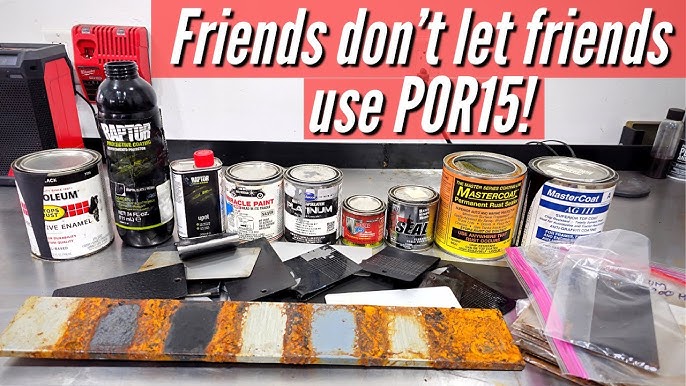
Rustoleum products are popular for small parts and light rust. They do not fully encapsulate rust but offer good surface protection. MasterCoat provides a flexible coating that adapts to metal movement. Both options are budget-friendly and easy to apply. They suit minor rust repair and maintenance tasks.
Choosing The Right Product
Selecting the best rust treatment can be tricky. Both POR 15 and Zero Rust offer strong protection. Choosing depends on the specific needs of your project. Consider the rust severity, surface condition, and desired finish. These factors help find the right fit for your work.
Understanding these key points saves time and effort. It also ensures a durable and lasting result. Below are important details to guide your choice.
Rust Severity Considerations
POR 15 works best on heavy rust that is firmly attached. It chemically bonds to the rust, creating a hard, protective layer. Zero Rust penetrates existing rust and solidifies it into a tough coating. It handles lighter to moderate rust well. For severe rust, POR 15 may offer stronger protection. Zero Rust is ideal for rust that is still loose or flaky.
Surface Condition Matching
POR 15 requires clean, well-prepared surfaces. Metal prep is necessary to ensure proper bonding. Zero Rust is more forgiving and can be applied on rough or slightly dirty surfaces. It penetrates rust and seals without extensive prep. Choose POR 15 for smooth, clean metal. Pick Zero Rust for surfaces that are harder to clean or have residual rust.
Desired Finish And Usage
POR 15 forms a hard, glossy finish but needs a topcoat to prevent UV damage. It is great for parts that don’t get much sunlight. Zero Rust offers a matte finish and some products resist UV rays. It can be used without a topcoat in many cases. For outdoor or sun-exposed areas, Zero Rust may last longer. POR 15 suits indoor or protected locations better.
Frequently Asked Questions
Does Por15 Actually Stop Rust?
POR15 stops rust by chemically bonding to rust, forming a hard, non-porous coating. Proper surface prep ensures effectiveness. It resists chipping but needs a topcoat for UV protection.
Is Rust Bullet Better Than Por15?
Rust Bullet penetrates and solidifies rust, offering UV resistance and flexibility. POR15 bonds chemically but needs perfect prep and a topcoat. Rust Bullet suits heavy rust; POR15 works well on clean metal. Choose based on rust condition and desired finish.
What’s Better Than Por15?
Rust Bullet often outperforms POR15 by penetrating rust and offering UV resistance without a topcoat. Eastwood and KBS Coatings also provide strong, flexible alternatives. Two-part epoxy primers excel on clean metal but need proper prep. Choose based on rust severity and desired finish.
Is Zero Rust A Primer?
Zero Rust® Primer is not just a primer; it controls rust with a high solids phenolic-modified alkyd coating.
What Is The Main Difference Between Por 15 And Zero Rust?
Por 15 forms a hard coating on rust, while Zero Rust penetrates and solidifies rust.
Conclusion
Choosing between POR 15 and Rust Bullet depends on your project needs. POR 15 forms a hard, protective coating but needs careful surface prep and a topcoat. Rust Bullet penetrates rust, creating a tough layer and can resist UV light without a topcoat.
Consider the rust’s condition, surface preparation, and desired finish. Both products protect metal well but suit different situations. Select the one that fits your repair style and environment best. Proper use ensures longer rust protection and better results.