

Is your vehicle’s battery dying faster than it should? If you’ve come across the term “P1Df3 draining battery,” you’re likely facing a frustrating issue that can leave you stranded unexpectedly.
This problem often points to an electrical drain linked to your car’s systems, silently eating away at your battery’s power when the engine is off. But don’t worry—you’re not alone, and understanding what’s behind this drain is the first step to fixing it.
You’ll discover what causes the P1Df3 battery drain, how to spot the signs early, and practical steps you can take to stop your battery from losing charge. Keep reading to protect your ride and avoid those sudden dead battery moments.

Credit: www.reddit.com
Symptoms Of Battery Drain
Battery drain can cause many problems for your vehicle. Recognizing the symptoms early helps prevent being stranded. A weak or failing battery shows clear signs that something is wrong.
These signs indicate your battery is losing power and needs attention. Watch for changes in how your car starts and behaves. Below are common symptoms of battery drain.
Slow Engine Crank
The engine turns over slowly when starting. It may take longer than usual to start the car. This happens because the battery has less power to run the starter motor. A slow crank is a clear sign of battery drain.
Warning Lights
Dashboard warning lights may come on unexpectedly. The battery or check engine light often signals battery issues. These lights show the car’s electrical system is not working properly. Ignoring warning lights can lead to bigger problems.
Electrical Malfunctions
Electrical parts like lights, radio, or power windows may act up. They might work weakly or stop functioning at times. A drained battery cannot supply enough power for these devices. Electrical malfunctions often point to battery problems.
Common Causes Of Drain
Battery drain issues like P1Df3 can frustrate any vehicle owner. Understanding common causes helps identify problems fast. Some causes are hidden deep in your car’s systems.
This section explains the most frequent reasons your battery loses power unexpectedly. Clear, simple explanations will guide you through each cause.
Faulty Engine Control Unit
The Engine Control Unit (ECU) manages many car functions. A faulty ECU may fail to enter sleep mode. This keeps it powered on, draining the battery.
Internal shorts inside the ECU can cause constant power flow. Wiring problems near the ECU may also lead to battery drain. Checking the ECU fuse can help find this issue.
Parasitic Draw Explained
Parasitic draw means electrical devices use power when the car is off. Some components naturally draw a small amount of power. But excessive draw will drain the battery quickly.
Common parasitic draws come from lights, alarms, or faulty modules. Measuring current with a multimeter reveals if the drain is too high. Fixing or replacing the faulty part stops the problem.
Wiring And Connection Issues
Damaged wires and loose connections cause battery drain. Corroded or broken wires can create a short circuit. This leads to continuous power loss even when the car is off.
Inspect wiring harnesses and ground points for damage. Repair or replace any faulty wiring to restore proper battery function. Good connections keep the electrical system running well.
Testing For Battery Drain
Testing for battery drain is essential when your vehicle’s battery loses power quickly. This process helps find the exact cause of the drain. Proper testing saves time and avoids unnecessary part replacements. Start with simple steps and move to detailed checks for accurate results.
Using A Multimeter
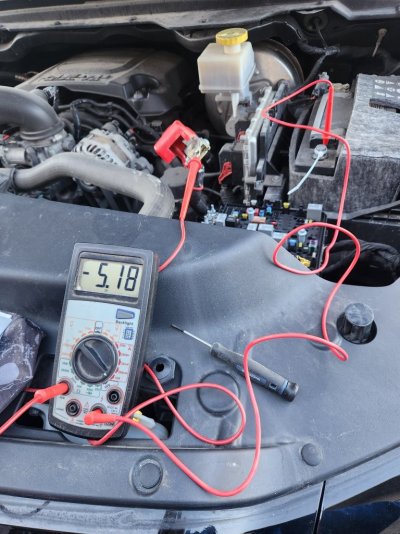
A multimeter measures electrical current to detect battery drain. Set the multimeter to the ampere (A) setting. Disconnect the negative battery cable and connect the multimeter in series. Check the current draw with all electrical devices off. A normal reading is usually below 50 milliamps. Higher readings indicate a parasitic drain that needs further investigation.
Fusing And Module Checks
Inspect the fuses and control modules to find the drain source. Remove fuses one by one while watching the multimeter. When the current drops, the problem is linked to that fuse circuit. Modules like the Body Control Module or Engine Control Unit can cause drain if faulty. Test each module by disconnecting it and checking the current again.
Inspecting Wiring Harness
Check the wiring harness for damage or corrosion. Worn or broken wires can cause short circuits and drain the battery. Look for loose connections and melted insulation. Repair or replace damaged wiring to stop the battery drain. A thorough inspection ensures all power paths are secure and functioning correctly.
Credit: www.ramforum.com
Fixes For Ecu-related Drain
Fixing an ECU-related battery drain requires a careful approach. The Engine Control Unit (ECU) can draw power even when the car is off. This drain can weaken the battery over time. Addressing the issue improves vehicle reliability and saves battery life.
Resetting The Ecu
Resetting the ECU can clear software glitches. Disconnect the car battery for about 15 minutes. This forces the ECU to reboot and stop any abnormal power use. After reconnecting, the ECU may enter proper sleep mode.
Repairing Wiring And Grounds
Check all wiring connected to the ECU. Look for damaged, corroded, or loose wires. Faulty wiring can cause continuous power drain. Repair or replace any broken wires or poor ground connections. Good wiring ensures correct ECU function and reduces battery drain.
Replacing The Ecu
If reset and wiring fixes fail, the ECU might be faulty. Internal short circuits can cause constant power draw. Replace the ECU with a new or tested unit. Ensure proper programming after installation. A good ECU stops unnecessary battery drain and restores normal operation.
Battery And Alternator Checks
Checking the battery and alternator is key to solving P1Df3 draining battery issues. These components work together to keep your vehicle powered. Regular inspections help find problems early and keep your car running smoothly.
Battery Health Inspection
Start by examining the battery’s overall condition. Look for any signs of damage like cracks or leaks. Measure the voltage with a tester; a healthy battery usually reads around 12.6 volts when the car is off. Low voltage may mean the battery is weak or dying. Check the battery’s age too, as older batteries lose capacity and drain faster.
Alternator Function Tests
The alternator charges the battery while the engine runs. Test its output with a multimeter. Voltage should be between 13.5 and 14.5 volts when the engine is on. Lower readings can show the alternator is failing to charge the battery properly. Listen for unusual noises from the alternator, which might hint at mechanical issues.
Cleaning Terminals And Connectors
Dirty or corroded terminals cause poor electrical contact and battery drain. Disconnect the battery cables and clean the terminals with a wire brush. Remove any corrosion using a baking soda and water mixture. Dry the parts before reconnecting. Ensure the connectors fit tightly to prevent power loss and improve battery performance.
Advanced Diagnostic Tools
Advanced diagnostic tools help find the root cause of a P1Df3 draining battery issue. They provide clear data from the vehicle’s systems. This data guides mechanics in fixing battery drain problems quickly and accurately.
These tools give insight into the vehicle’s electronic control units (ECUs). They detect faults that are not visible through simple checks. Using advanced diagnostics reduces guesswork and unnecessary part replacements.
Professional Obd-ii Scanners
OBD-II scanners read error codes from the car’s computer. Professional models offer detailed codes for specific battery drain problems. They help identify if modules like the ECU are causing power loss. These scanners also show live data, such as current draw, to pinpoint issues faster.
Software Updates
Updating the vehicle’s software can fix bugs causing battery drain. Manufacturers release updates to improve ECU performance and power management. Installing the latest software helps the system enter sleep mode properly. This reduces unwanted power consumption when the car is off.
Adaptive Learning Reset
ECUs learn driving habits to optimize performance over time. Sometimes, this learning causes incorrect settings that drain the battery. An adaptive learning reset clears stored data and resets the ECU. After the reset, the system relearns with fresh data, often resolving battery drain problems.
Preventive Tips
Preventing the P1Df3 battery drain requires attention and care. Small steps help keep your battery healthy and avoid sudden failures. Consistent checks and timely fixes protect your vehicle’s electrical system and extend battery life.
Regular Battery Maintenance
Check your battery terminals for dirt and corrosion. Clean them with a brush and baking soda solution. Tighten loose connections to ensure good contact. Test the battery voltage monthly using a multimeter. Replace the battery if it shows signs of weakness or old age. Keep the battery case clean and dry.
Routine Electrical System Checks
Inspect your vehicle’s electrical components regularly. Look for damaged wires or loose connectors. Test the alternator output to confirm it charges the battery properly. Check for any aftermarket accessories that might drain power. Make sure all lights and electronics turn off when the engine is off. Faulty parts can cause parasitic battery drain.
Addressing Issues Early
Notice warning signs like dim lights or slow engine crank. Investigate strange electrical behavior immediately. Use a multimeter to measure parasitic draw if the battery drains fast. Fix wiring problems or replace faulty modules quickly. Early action prevents bigger damage and costly repairs. Keep your vehicle’s electrical system in top shape.

Credit: www.reddit.com
Frequently Asked Questions
Can A Bad Ecu Cause Battery Drain?
Yes, a bad ECU can cause battery drain by failing to enter sleep mode or having internal shorts. It draws power continuously when the car is off. Check the ECU fuse and wiring for faults to diagnose and fix the issue.
What Is The Code P1df3?
The code P1DF3 indicates a diesel particulate filter (DPF) regeneration issue. It signals incomplete DPF regeneration.
What Is Draining My Car Battery When It’s Off?
Parasitic drains, faulty ECU, interior lights, or aftermarket devices can drain your car battery when it’s off. Wiring issues also cause power loss.
How Do I Find Out What’s Draining My Truck Battery?
Use a multimeter to perform a parasitic draw test. Check fuses, wiring, and electronic modules like the ECU. Inspect for corrosion or damage. Remove fuses one at a time to identify the drain source. Repair or replace faulty components to stop battery drain.
What Causes P1df3 Battery Draining Issue?
A faulty ECU or wiring problems often cause P1Df3 battery drain by drawing power when off.
Conclusion
Dealing with a P1Df3 draining battery requires careful checks. Start by inspecting the ECU and its wiring. Look for damaged wires or corrosion that cause power loss. Testing with a multimeter helps find where the drain occurs. Removing the ECU fuse can confirm if it’s the source.
Fix any wiring issues or replace the faulty ECU to stop the drain. Regular battery and electrical system checks keep your vehicle reliable. Staying aware of these steps can save time and avoid unexpected battery problems.