If you drive a Nissan Altima, you might have noticed issues with your driver seat that make your daily commute frustrating. Whether your seat won’t move, gets stuck, or just doesn’t respond like it used to, these problems can affect your comfort and safety behind the wheel.
You want to feel confident and relaxed every time you get in your car, but driver seat problems can quickly ruin that experience. You’ll discover the most common Nissan Altima driver seat problems, why they happen, and simple steps you can take to fix them.
Keep reading to regain control of your seat and enjoy a smoother, more comfortable ride every time you drive.
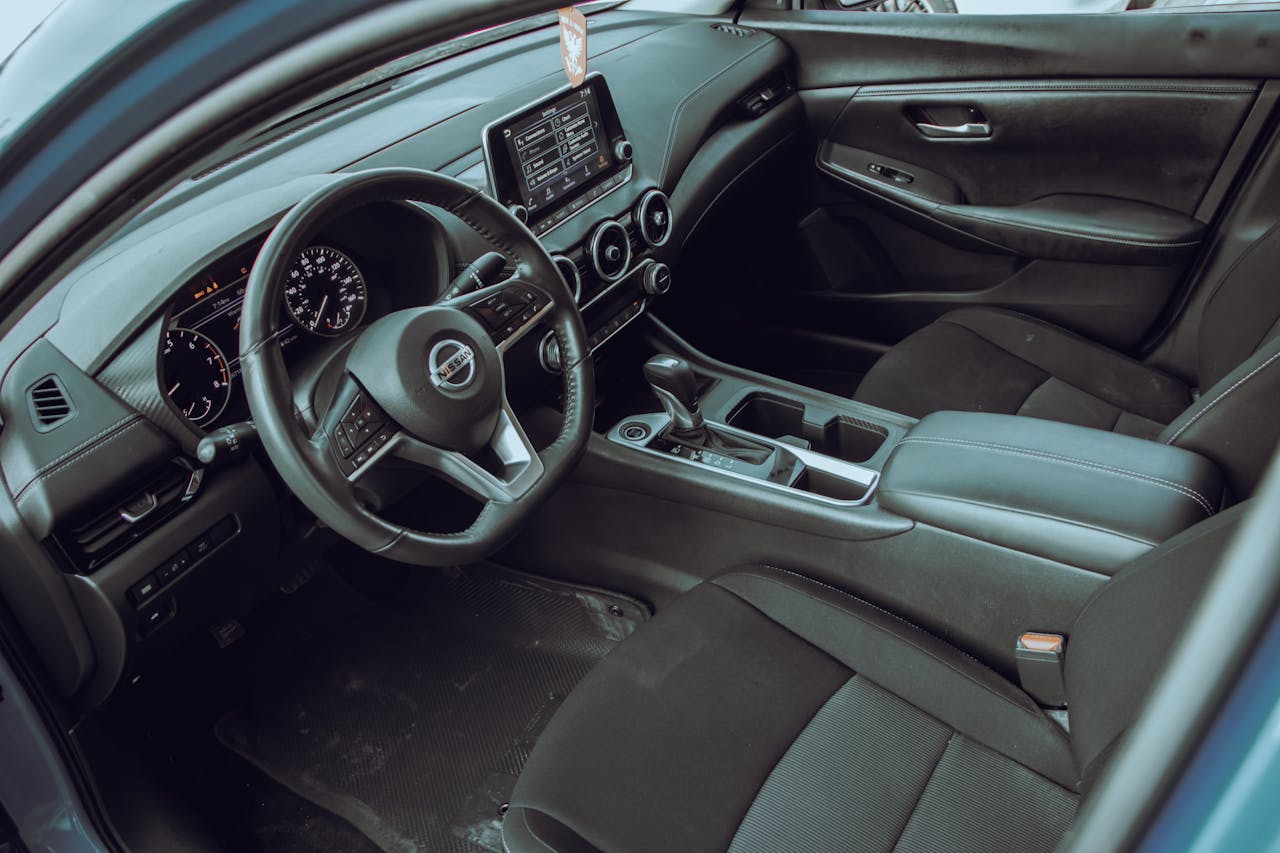
Credit: www.nissan112.com
Common Seat Issues
The Nissan Altima is a popular sedan, but some drivers face seat problems. These issues can affect comfort and driving safety. Understanding common seat problems helps in quick fixes or seeking professional help.
Power Seat Failures
Power seats in the Altima can stop working suddenly. The motor might fail or the seat may not move in any direction. Sometimes, the fuse or wiring causes the problem. This issue usually needs a mechanic’s check or part replacement.
Manual Seat Problems
Manual seats can get stuck or hard to move. The seat rails may become jammed or rusty. This makes adjusting the seat difficult and uncomfortable. Cleaning or lubricating the rails can solve this problem in many cases.
Seat Adjustment Difficulties
Both power and manual seats may not adjust smoothly. The seat might shift unevenly or get stuck halfway. This can be due to worn parts or broken controls. Regular maintenance keeps the seat adjustment working properly and safe.
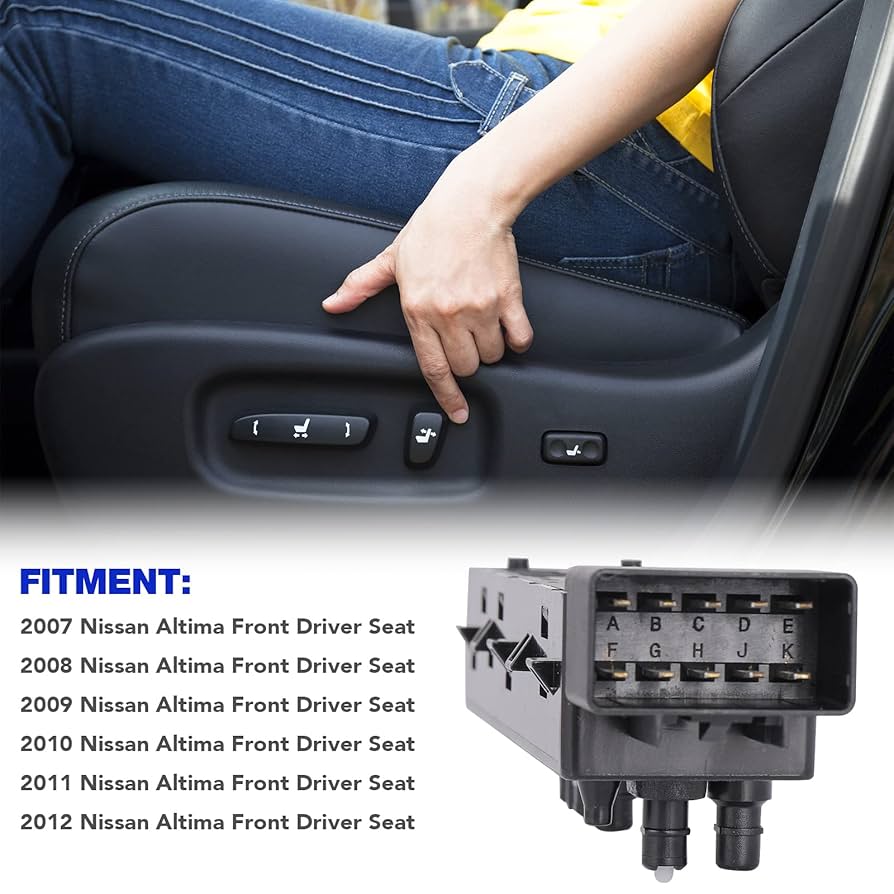
Credit: www.amazon.com
Electrical Causes
Electrical issues often cause driver seat problems in the Nissan Altima. These issues stop the seat from moving or adjusting properly. Understanding common electrical causes helps diagnose and fix the problem quickly. Four main electrical issues affect the seat’s function: blown fuses, faulty wiring, broken switches, and loose connectors.
Blown Fuses
Fuses protect the seat’s electrical system. A blown fuse cuts power to the seat motor. This makes the seat stop working completely. Checking the fuse box for a blown fuse is an easy first step. Replacing a blown fuse can restore seat function fast.
Faulty Wiring
Wiring carries electricity to the seat motor and controls. Faulty wiring may cause power loss or short circuits. Damaged wires can result from wear, corrosion, or accidents. Careful inspection of wiring harnesses can reveal broken or frayed wires. Repairing or replacing damaged wires fixes seat operation issues.
Broken Switches
The seat switch controls movement. A broken switch stops the seat from responding. Switches can wear out or get stuck over time. Testing the switch with a multimeter helps find faults. Replacing a broken switch restores full seat control.
Loose Connectors
Connectors link wiring to the seat motor and switches. Loose connectors cause intermittent or no power flow. Vibrations from driving can loosen these connections. Checking and securing connectors improves electrical contact. Tight connectors help the seat work smoothly and reliably.
Mechanical Causes
Mechanical issues often cause Nissan Altima driver seat problems. These problems affect seat movement and comfort. Understanding common mechanical causes helps in diagnosing and fixing the seat issues quickly.
Motor Failures
Seat motors control the movement of the driver seat. Motors may burn out or fail over time. This leads to the seat not moving or stopping suddenly. Faulty motors often make unusual noises when activated. Replacing the motor usually restores proper seat function.
Obstructions In Tracks
Driver seat tracks guide the seat’s forward and backward movement. Dirt, debris, or small objects can block these tracks. Obstructions prevent smooth sliding and cause the seat to get stuck. Cleaning the tracks and removing blockages fixes this issue easily.
Worn Components
Seats have many moving parts, like gears and levers. These parts wear out from constant use. Worn components cause the seat to move unevenly or not at all. Inspecting and replacing broken parts can restore seat operation. Regular maintenance helps avoid wear-related problems.
Quick Fixes
Quick fixes can solve many Nissan Altima driver seat problems fast. Simple checks and repairs restore seat function without costly trips. These steps suit drivers with basic tools and little experience. Follow this guide to troubleshoot common seat issues safely.
Fuse Replacement Steps
Start by locating the fuse box under the dashboard. Check the owner’s manual to find the exact fuse for the driver seat. Remove the fuse and inspect it for damage or a broken wire. Replace the fuse with one of the same rating if needed. Test the seat controls after replacement to ensure the problem is fixed.
Checking Wiring And Connectors
Inspect the wiring under the seat carefully. Look for loose, frayed, or disconnected wires. Secure any loose connectors by firmly plugging them back in. Clean dirty connectors with electrical contact cleaner to improve connection. Avoid pulling wires forcefully to prevent further damage. Re-test the seat movement after securing wiring.
Clearing Track Obstructions
Move the seat fully forward and backward to check for blockages. Remove any debris like coins, paper, or small objects stuck in the track. Use a flashlight to spot hidden obstacles that may jam the seat. Clean the seat tracks with a brush or compressed air. Lubricate the track lightly with a silicone spray for smooth movement.
Testing And Replacing Motors
Listen for motor sounds when using seat controls. No noise or weak motor sounds indicate a problem. Test the motor by applying direct power from the battery if possible. Replace the motor if it does not run or moves weakly. Use a compatible motor part designed for Nissan Altima models. Install carefully and check seat operation after replacement.
Preventive Tips
Preventing Nissan Altima driver seat problems starts with simple habits. Taking good care of the seat ensures comfort and safety. Small efforts save money and avoid frustration later. Follow easy tips to keep the seat in top shape for years.
Regular Maintenance
Check the seat controls and motors regularly. Clean the seat tracks to remove dirt and dust. Lubricate moving parts with proper grease to prevent wear. Tighten any loose bolts or screws to avoid rattling. Replace worn seat covers or cushions as needed. Regular care keeps the seat working smoothly.
Avoiding Rough Use
Do not slam the seat back or force adjustments. Avoid sitting on the edge or putting heavy weight on one side. Use the seat as designed to prevent damage to mechanisms. Handle seat belts gently to avoid strain on anchor points. Gentle use extends the life of seat parts and motors.
Professional Inspections
Have a mechanic check the seat during routine service visits. Professionals can spot hidden problems early. They test electrical parts and seat motors for faults. Early repairs stop small issues from growing into major problems. Trust experts to keep your Nissan Altima seat safe and reliable.

Credit: www.youtube.com
When To Seek Help
The Nissan Altima driver seat can develop issues that affect comfort and safety. Knowing when to seek professional help is important. Some problems are minor and fixable at home. Others need expert attention to avoid further damage or risk.
Watch for signs that the seat does not respond properly or shows electrical faults. Ignoring these signs can lead to bigger problems. Safety is a top priority when seat mechanisms fail.
Persistent Electrical Issues
Electrical problems with the driver seat often involve wiring or switches. If the seat controls stop working repeatedly or act erratically, it signals a deeper electrical fault. Constant flickering or no power to the seat adjustments means it needs inspection. Avoid using the seat until a technician checks it. Persistent electrical issues can drain the battery or cause short circuits.
Unresponsive Seat Motors
The seat motors move the seat forward, backward, or recline it. When these motors do not respond at all, the problem could be mechanical or electrical. No movement when pressing buttons means the motor or its connection might be damaged. Strange noises from the motor also warn of failure. Seeking help quickly prevents the motor from burning out and keeps your seat functional.
Safety Concerns
A malfunctioning driver seat can be a safety hazard on the road. A seat that shifts unexpectedly or fails to lock in place risks injury during sudden stops. Airbag sensors inside the seat may also be affected by seat problems. If the seat does not hold position or shows signs of damage, do not drive the vehicle. Immediate repair ensures your safety and that of passengers.
Frequently Asked Questions
What Is The Most Common Problem With Nissan Altima?
The most common problem with Nissan Altima is CVT transmission failure, causing rough shifting or stuttering. Suspension strut wear also leads to knocking noises. Regular CVT fluid changes and timely suspension repairs help prevent these issues.
What Are The Two Most Common Problems That Occur With Power Seats?
The two most common power seat problems are electrical issues like blown fuses or faulty wiring and mechanical failures such as worn-out motors or obstructions in seat tracks.
What Causes A Power Seat To Stop Working?
A power seat stops working due to a blown fuse, faulty wiring, a bad motor, broken switch, or obstructions in the seat tracks. Checking the fuse and seat connectors helps identify the issue quickly.
How Do You Manually Move A Nissan Power Seat?
To manually move a Nissan power seat, locate the release lever under the seat. Pull it to unlock the seat. Slide the seat forward or backward to the desired position. Release the lever to lock the seat in place. Avoid forcing the seat to prevent damage.
What Are Common Nissan Altima Driver Seat Problems?
Common issues include power seat motor failure, seat track jams, and faulty seat heaters.
Conclusion
Nissan Altima driver seat problems can affect comfort and safety. Common issues include electrical faults, motor failures, and worn components. Regular maintenance helps prevent these problems. Addressing seat issues early avoids costly repairs. Stay attentive to unusual noises or seat movements.
Proper care ensures a better driving experience. Keep your Altima’s driver seat functioning smoothly for daily comfort.