

When it comes to protecting your vehicle from rust and corrosion, choosing the right undercoating can make all the difference. You might be wondering whether NH Oil or Fluid Film offers the best defense for your car’s underbody.
Both products have their unique strengths, but understanding how they work and what they offer will help you make the best choice for your needs. You’ll discover the key differences between NH Oil undercoating and Fluid Film, so you can protect your investment effectively and keep your vehicle looking and performing great for years to come.
Ready to find out which one suits your car and lifestyle best? Let’s dive in.
Credit: www.jausenstation-uhl.at
Fluid Film Features
Fluid Film is a popular rust protection product known for its unique features. It works differently than hard undercoatings by staying soft and oily. This quality helps it protect metal surfaces in ways other coatings cannot. Below, we explore key features of Fluid Film that make it stand out for rust prevention and maintenance.
Self-healing Properties
Fluid Film remains soft and oily after application. This allows it to flow into tiny cracks and chips. The coating can close gaps that form over time. This self-healing action helps prevent rust from starting or spreading.
Rust Penetration Ability
Fluid Film can seep into existing rust areas. It reaches the base metal beneath the rust layer. This stops rust from growing further and protects the metal underneath.
Water Resistance
The coating repels water effectively. It forms a barrier that keeps moisture away from metal surfaces. This prevents rust caused by water exposure and humidity.
Non-toxic Composition
Fluid Film is made from lanolin and other safe ingredients. It does not contain harmful chemicals. This makes it safer to use indoors and around people and pets.
Reapplication Needs
Because it stays soft, Fluid Film wears off over time. Regular reapplication is needed to maintain protection. Most users apply it once a year for best results.
Messiness Factor
Fluid Film is oily and sticky. It can drip or smear during application. Protective clothing and careful handling are necessary to avoid mess.
Abrasion Durability
Fluid Film is less resistant to heavy abrasion. It can wear away under rough use or impact. Hard undercoatings offer better protection in high-wear areas.

Credit: www.youtube.com
Nh Oil Undercoating Traits
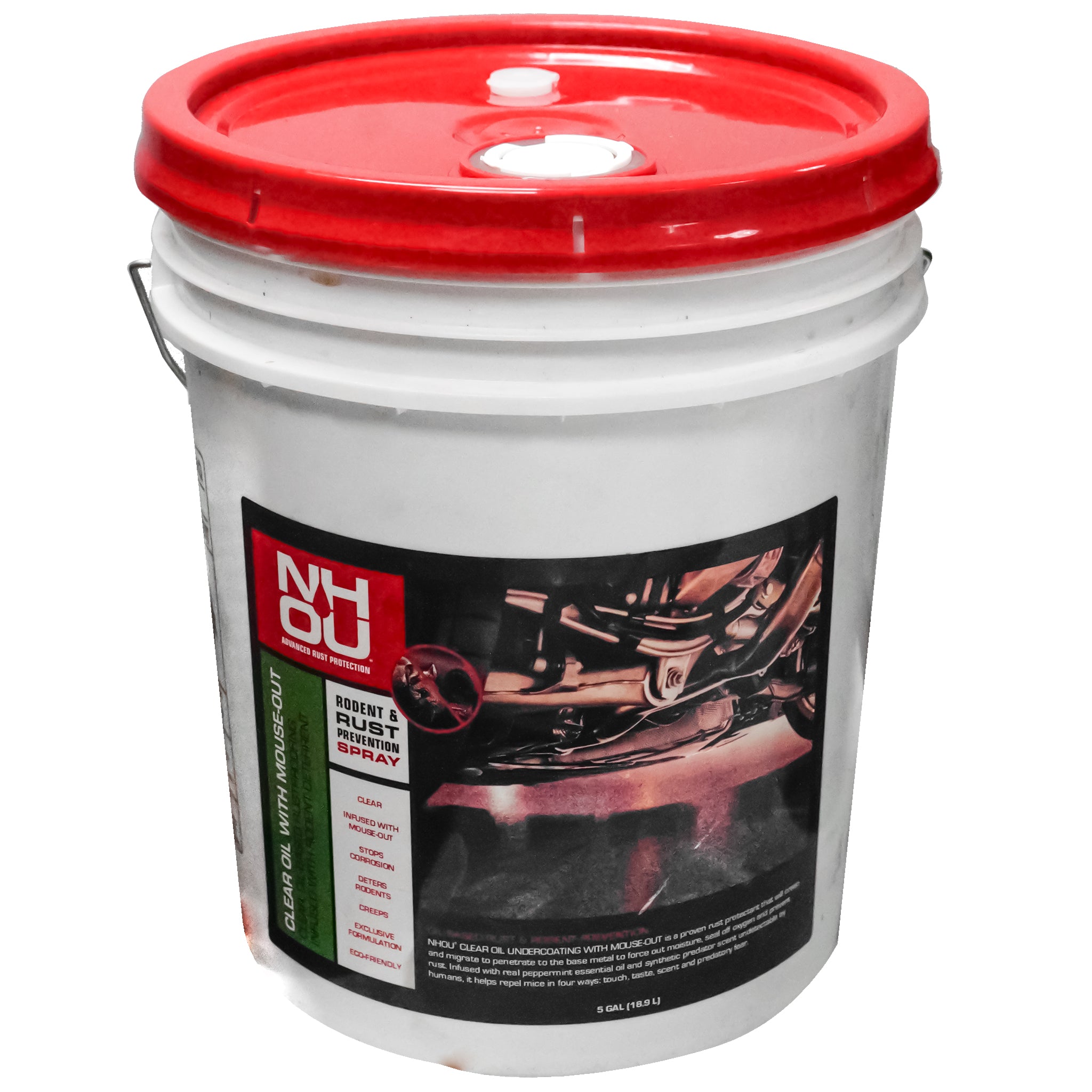
NH Oil undercoating is a popular choice for vehicle rust protection. It forms a thick, solid layer over metal surfaces. This layer acts as a shield against moisture and road debris. The product is easy to apply and dries quickly. Users appreciate its strong protective qualities on car underbodies and frames.
Understanding its traits helps in comparing NH Oil with other undercoatings like Fluid Film. Below are the key aspects of NH Oil undercoating.
Durability And Thickness
NH Oil creates a thick, durable coating on surfaces. It withstands impacts from stones and debris well. This thickness helps block water and salt from reaching metal parts. The coating remains solid for years under normal conditions.
Abrasion Resistance
The product resists wear from rough roads and gravel. It does not easily scrape off or chip away. This abrasion resistance ensures lasting protection on vehicle frames and wheel wells.
Longevity
NH Oil lasts several years without needing reapplication. Its tough layer holds up against weather and road chemicals. This long life reduces the need for frequent maintenance.
Cracking Issues
Over time, NH Oil can develop cracks in some cases. These cracks may allow moisture to seep underneath. Proper surface preparation and application thickness help avoid cracking.
Rust Concealment Risks
NH Oil’s thick layer may hide rust developing beneath it. This concealment can delay rust detection and treatment. Regular inspections under the coating are important to catch hidden rust.
Maintenance Frequency
NH Oil requires less frequent maintenance than soft coatings. Usually, it needs reapplication every 3 to 5 years. This reduces upkeep costs and effort for vehicle owners.
Performance Comparison
Comparing the performance of NH Oil undercoating and Fluid Film helps car owners choose the right protection. Both products protect against rust but work differently. This section breaks down their strengths and weaknesses in key areas.
Protection Against Rust
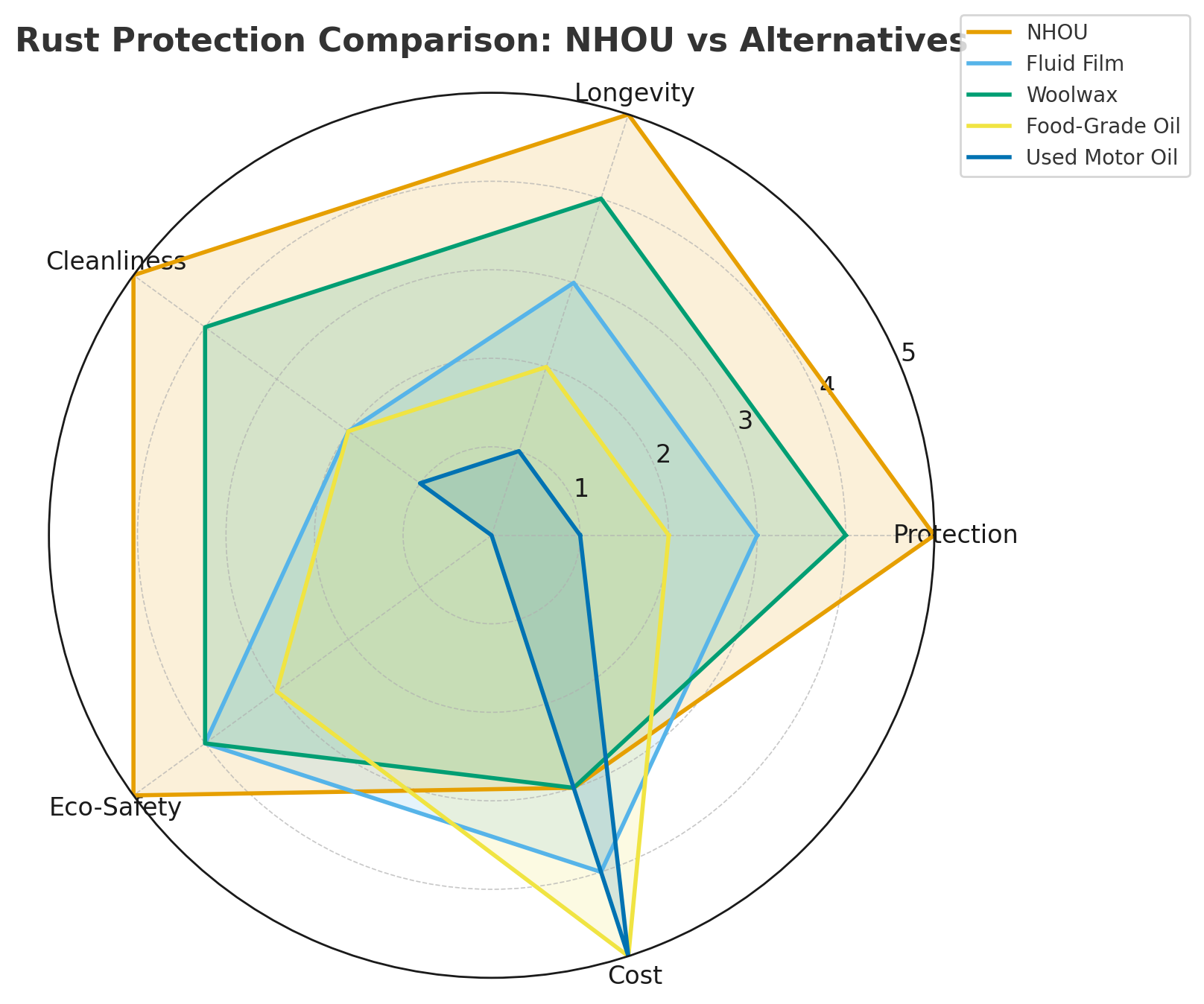
NH Oil forms a thick, durable barrier that blocks moisture and salt. It works well on new metal and stops rust from starting. Fluid Film stays soft and oily, creeping into cracks and hard-to-reach areas. It can stop rust that already exists by penetrating and loosening it. Fluid Film offers ongoing protection by repairing small scratches automatically.
Flexibility And Crack Resistance
NH Oil dries to a hard coating that resists heavy wear but can crack over time. Cracks may trap moisture, causing rust underneath. Fluid Film remains soft and flexible, never hardening or cracking. This flexibility helps it protect moving parts and areas that bend or vibrate. It keeps a seal even under tough conditions.
Ease Of Application
NH Oil usually requires professional spray equipment for an even, thick layer. It can be messy and hard to clean. Fluid Film is easier to apply with a brush, spray, or drip. It spreads smoothly and clings well to surfaces. Many DIY users prefer Fluid Film for its simple application and quick cleanup.
Environmental Impact
NH Oil contains solvents that may affect air quality during application. It forms a solid film that lasts but is harder to remove. Fluid Film uses lanolin and mineral oils, which are less harmful to the environment. It is biodegradable and safer to handle. Both need careful disposal of leftover product.
Cost Considerations
NH Oil tends to cost more upfront due to its thick, durable layer and professional application. It may last several years without reapplication. Fluid Film is usually cheaper per use but needs yearly reapplication for best results. Over time, Fluid Film can cost more if applied regularly. Budget and maintenance plans affect the final choice.
Real-world Tests
Real-world tests reveal how NH Oil Undercoating and Fluid Film perform outside the lab. These tests show their strengths and weaknesses under actual driving and weather conditions. Observing real users and field data helps decide which product suits specific needs best.
User Reviews And Feedback
Many drivers share honest opinions about NH Oil and Fluid Film online. Users praise Fluid Film for its ability to seep into tight spaces and stop rust early. Some say it requires yearly reapplication to stay effective. NH Oil users highlight its thick barrier that lasts longer without needing frequent touch-ups. A few mention that NH Oil can crack over time, letting moisture in. Both products have fans and critics, showing no one-size-fits-all solution.
Video Demonstrations
Videos comparing these undercoatings show clear differences in texture and coverage. Fluid Film appears wet and oily, spreading easily into crevices. Viewers see it “self-heal” scratches by flowing into damaged areas. NH Oil looks thicker and forms a hard shell after drying. Demonstrations reveal NH Oil’s tougher surface but less flexibility. Watching these clips helps visualize how each product behaves on vehicle surfaces.
Field Performance In Austin, Texas
Austin’s hot, humid climate tests undercoatings harshly. Fluid Film users report good rust prevention despite moisture and heat. Its soft formula adapts well to metal expansion from temperature changes. NH Oil users note strong protection against road debris and abrasion common in Austin. Some say NH Oil holds up better on rough roads but may trap moisture if cracks form. Both products offer solid defense but require care suited to Austin’s environment.
Choosing The Right Undercoating
Choosing the right undercoating for your vehicle is essential to protect it from rust and damage. Both NH Oil Undercoating and Fluid Film have unique qualities. Understanding your needs helps you pick the best option. Consider factors like how you use your vehicle, your maintenance plans, budget, and personal preferences.
Vehicle Usage And Environment
Think about where and how often you drive. Harsh winters with salt on roads need strong protection. Fluid Film works well in wet, salty environments because it seeps into small cracks. NH Oil Undercoating creates a tough barrier that resists heavy wear. Off-road or city driving demands different protection types. Choose the product that suits your daily conditions.
Long-term Maintenance Plans
Fluid Film requires yearly reapplication for constant protection. It stays soft and can heal small scratches on its own. NH Oil Undercoating lasts longer without needing frequent touch-ups. It forms a hard shell that shields the metal underneath. Decide how much time you want to spend on maintenance. This will guide your undercoating choice.
Budget Constraints
Budget affects your decision too. Fluid Film is often cheaper upfront but needs regular reapplication. NH Oil Undercoating may cost more initially but lasts longer. Consider the total cost over time, not just the first price. Saving money now might lead to more expenses later. Balance your budget with your protection needs.
Personal Preferences
Your comfort with application and product feel matters. Fluid Film is oily and flexible, ideal if you want self-healing protection. NH Oil feels firmer and more solid, giving a strong physical shield. Some prefer the easy cleanup Fluid Film offers. Others like NH Oil for its hard, durable finish. Choose what feels right for you and your vehicle.
Credit: ultragloss.biz
Frequently Asked Questions
Is Fluid Film Better Than Undercoating?
Fluid Film penetrates rust, self-heals, and stays water-resistant but needs yearly reapplication. Hard undercoating lasts longer and resists abrasion better but can crack and trap moisture. Choose based on protection needs and maintenance preference.
How Long Does Nh Oil Undercoating Last?
NH Oil Undercoating typically lasts 1 to 2 years before needing reapplication. Its oily formula protects against rust but requires annual maintenance for best results.
Does Nh Oil Undercoating Stop Rust?
NH Oil Undercoating effectively stops rust by creating a protective, durable barrier on metal surfaces. It prevents moisture and salt from causing corrosion. Regular application enhances rust prevention, making it a reliable solution for long-term vehicle protection.
Is Oil-based Undercoating The Best?
Oil-based undercoating offers durable, thick protection against abrasion and road debris. It lasts longer but may crack. It requires less frequent reapplication than Fluid Film but lacks self-healing. Choose based on your need for toughness versus flexible, ongoing protection.
What Is The Main Difference Between Nh Oil And Fluid Film?
NH Oil hardens into a thick coat, while Fluid Film stays soft and oily for self-healing protection.
Conclusion
Choosing between NH Oil undercoating and Fluid Film depends on your needs. NH Oil offers a hard, durable layer that lasts long without frequent touch-ups. Fluid Film stays soft and moves into small cracks, providing ongoing protection. It also resists water and stops rust from spreading but needs yearly reapplication.
Think about your climate, vehicle use, and how much maintenance you want. Both products protect well but in different ways. Pick the one that fits your rust protection goals best.