

Are you struggling with unexpected issues after using Matrix paint? Whether you’re a professional painter or a DIY enthusiast, dealing with paint problems can be frustrating and costly.
You might notice peeling, chipping, or uneven finishes that ruin your hard work. But why does this happen with Matrix paint, and how can you fix it? You’ll discover common Matrix paint problems, what causes them, and practical solutions to get your paint job looking perfect again.
Keep reading to protect your investment and master the art of flawless painting!

Credit: www.wickedproblemsolving.com
Common Matrix Paint Issues
Matrix paint is popular for automotive finishes but faces some common problems. These issues affect the paint’s look and durability. Understanding these problems helps in better maintenance and repair. Below are frequent Matrix paint problems explained clearly.
Peeling And Flaking
Peeling happens when the paint loses adhesion to the surface. Flaking is when small pieces break off from the paint layer. These issues often result from poor surface preparation. Moisture and UV exposure also cause peeling and flaking. Fixing these problems requires sanding and repainting properly.
Chalking And Fading
Chalking means the paint surface becomes powdery over time. Fading causes the paint color to lose its brightness. Both happen due to sunlight and weather exposure. UV rays break down the paint’s chemicals, leading to these effects. Regular cleaning and waxing help slow down chalking and fading.
Tiny Chips And Surface Imperfections
Tiny chips appear as small missing spots on the paint. They happen from road debris or minor impacts. Surface imperfections include dust or dirt trapped in the paint. These flaws reduce the smoothness and shine of the finish. Repairing chips quickly prevents rust and further damage.
Batching And Consistency Problems
Batching problems occur when paint from different batches varies in color. This causes inconsistency in the final finish. Poor mixing or storage conditions also affect paint quality. Consistent color matching is crucial for professional results. Using paint from the same batch can reduce these problems.
Causes Behind Paint Flaws
Paint flaws in Matrix systems often stem from a few common causes. These issues affect the finish quality and durability. Understanding these causes helps avoid costly mistakes in automotive refinishing. Below, we explore key reasons behind paint problems in detail.
Improper Reducer Selection
Choosing the wrong reducer impacts paint drying time and flow. A reducer that evaporates too quickly causes poor adhesion. Slow evaporating reducers trap solvents, leading to blistering or soft paint. Each Matrix paint requires a specific reducer for best results. Using the correct reducer ensures smooth application and solid curing.
Incorrect Hardener Use
Hardener controls the paint’s chemical reaction and hardness. Using too much hardener can cause cracks and uneven texture. Too little hardener results in a weak, soft finish. Matrix paints need the right hardener type and amount for optimal performance. Incorrect hardener selection reduces paint durability and appearance.
Environmental Factors
Temperature and humidity affect paint drying and adhesion. High humidity slows solvent evaporation, causing runs or orange peel texture. Low temperatures cause paint to dry unevenly and reduce hardness. Dust, dirt, or wind during application also create surface defects. Maintaining ideal shop conditions prevents many Matrix paint flaws.
Uv Exposure Effects
Ultraviolet light damages paint layers over time. UV rays cause fading, chalking, and paint peeling. Matrix paints with poor UV resistance degrade faster in sunlight. Protecting painted surfaces from direct sun exposure extends their life. Clear coats with UV blockers also help maintain color and gloss.
Preparation Tips For Better Adhesion
Proper preparation is essential for paint to stick well and last longer. Poor preparation causes peeling, bubbling, and uneven finishes. Following simple steps improves paint adhesion and overall results.
Focus on cleaning, priming, and sanding the surface carefully. These actions create a strong base for the paint to bond. Preparation reduces common Matrix paint problems and ensures a smooth finish.
Surface Cleaning Methods
Start by removing all dirt, grease, and dust from the surface. Use a mild detergent mixed with water for general cleaning. For tougher grease, use a degreaser or solvent safe for the material.
Rinse the surface well and let it dry completely before painting. Avoid using oily or waxy cleaners. Clean surfaces allow the paint to stick properly and avoid peeling later.
Primer Application Techniques
Choose the right primer for the surface and paint type. Apply primer in thin, even coats using a brush or spray gun. Avoid thick layers that may cause runs or uneven drying.
Let each coat dry fully before applying the next. Priming fills small imperfections and improves paint adhesion. A good primer prevents paint from lifting or cracking over time.
Sanding And Surface Profiling
Sanding creates a rough texture that helps paint grip better. Use fine to medium grit sandpaper to lightly sand the surface after cleaning and priming. Avoid sanding too hard, which can damage the base.
Wipe away dust with a clean cloth before painting. Surface profiling ensures the paint adheres evenly and reduces the chance of peeling. Proper sanding is key to a smooth, lasting finish.
Reducer And Hardener Choices
Choosing the right reducer and hardener is vital for a smooth Matrix paint job. These components control drying time, flow, and finish quality. Picking the wrong ones can cause common paint problems like bubbling, poor adhesion, or uneven shine. Understanding how to select and use them improves results and reduces mistakes.
Choosing The Right Reducer Speed
Reducer speed affects how fast the paint dries. Slow reducers are best for hot weather. They keep the paint wet longer for smooth leveling. Fast reducers work well in cold weather. They help the paint dry before dust can settle. Always match reducer speed to the temperature and humidity of your workspace.
Matching Hardeners To Job Size
Hardeners control how quickly paint cures. Small jobs need fast hardeners to avoid long wait times. Large jobs benefit from slow hardeners that allow more working time. Using the wrong hardener can cause cracking or poor film build. Measure your project size before choosing a hardener for best results.
Using Accelerators Effectively
Accelerators speed up the curing process. They help in cold or humid conditions where drying slows. Use accelerators sparingly; too much causes rough texture or blistering. Add them only when paint manufacturers recommend. Proper use ensures a hard, smooth finish without defects.
Application Techniques For Flawless Finish
Achieving a flawless finish with Matrix paint requires careful application techniques. Each step matters to ensure smooth, even coverage without defects. Proper handling helps avoid common Matrix paint problems like bubbling or peeling. This section covers key methods to apply Matrix paint perfectly and boost your paint job quality.
Spray Gun Settings
Set the spray gun correctly before starting. Use the recommended pressure for Matrix paint. Too high pressure causes overspray and runs. Too low pressure leads to poor atomization and uneven coverage. Adjust the nozzle size to fit the paint viscosity. Keep the gun perpendicular to the surface. Maintain a consistent distance of about 6 to 8 inches.
Layering And Drying Times
Apply Matrix paint in thin, even layers. Thick coats increase drying time and risk sagging. Allow each layer to dry fully before adding the next. Follow the manufacturer’s drying time guidelines strictly. Rushing this step can trap solvents and cause bubbling. Proper layering builds depth and smoothness in the finish.
Avoiding Over-reduction
Use the correct reducer amount to maintain paint integrity. Over-reduction thins the paint too much. This weakens adhesion and causes runs or orange peel texture. Follow the reducer ratios suggested for Matrix paint exactly. Measure carefully and mix well. Proper reduction ensures a smooth flow and solid finish.
Troubleshooting And Fixes
Troubleshooting paint problems can save time and money. Matrix paint issues often involve peeling, chipping, or color mismatches. Understanding common fixes helps restore paint quality and appearance. Follow simple steps to solve these problems effectively.
Addressing Peeling And Flaking
Peeling and flaking happen when paint loses adhesion to the surface. Clean the area thoroughly before repairing. Lightly sand the edges around the peeled paint to smooth the surface. Apply a primer suitable for the paint type. Let it dry completely. Then, repaint with the correct Matrix paint and use the recommended reducer. Avoid heavy coats to prevent future peeling.
Repairing Chips And Imperfections
Small chips can worsen if left untreated. Clean the chipped area with a mild cleaner. Use a fine brush or touch-up pen to apply matching Matrix paint. Apply thin layers and allow each to dry fully. For deeper chips, fill with automotive filler before painting. Finish with a clear coat to protect the repair and blend with the surrounding paint.
Dealing With Color Mismatches
Color mismatches occur due to fading or incorrect mixing. Always check the paint code before mixing. Use fresh Matrix paint mixed according to the manufacturer’s instructions. Test on a hidden area first to ensure the match. Blend edges of the new paint with old paint using light spray coats. Avoid repainting large areas unless necessary to keep color uniform.
Maintenance For Longevity
Maintaining Matrix paint properly extends its life and keeps its shine. Paint faces many challenges like fading, chipping, and peeling over time. Good upkeep slows down these problems and protects the surface. Simple steps help preserve the paint’s look and strength.
Protective Coatings
Applying a protective coating creates a strong barrier on the paint. It guards against scratches, dirt, and moisture. Clear coats seal the paint, helping it resist damage from daily wear. Use high-quality coatings made for automotive finishes. These coatings keep the paint surface smooth and glossy for longer.
Uv Protection Strategies
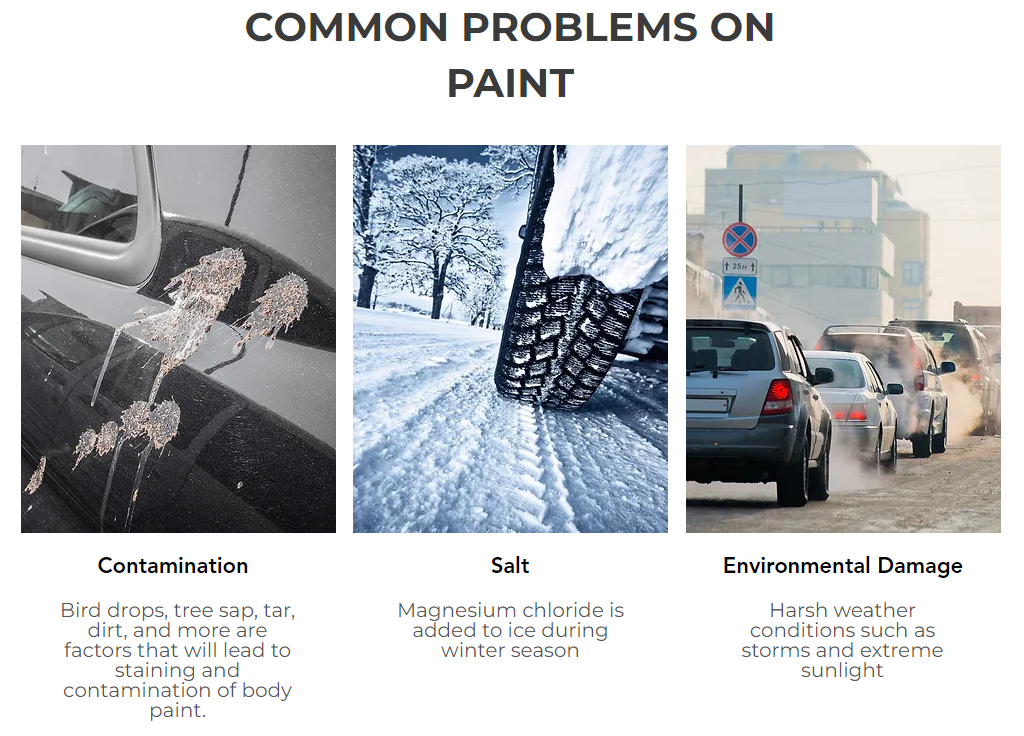
UV rays from the sun break down paint molecules and cause fading. Use UV-blocking sprays or waxes to shield the paint from sunlight. Park vehicles in shaded areas or garages whenever possible. Window tinting also helps reduce UV exposure. Protecting paint from UV light keeps colors bright and vibrant.
Regular Cleaning And Care
Clean paint surfaces gently but regularly to remove dirt and grime. Use mild soap and water with a soft cloth or sponge. Avoid harsh chemicals or abrasive tools that can scratch the paint. Dry the surface completely to prevent water spots. Regular care helps spot early damage and maintains the paint’s finish.
Credit: autotriz.co.uk
Resources For Matrix Paint Users
Matrix Paint users often face challenges that can slow down their work. Access to the right resources helps solve these problems quickly. Reliable information and support improve results and reduce frustration. Below are key resources that offer guidance and help for Matrix Paint users.
Official Product Guidelines
The official product guidelines provide detailed instructions on using Matrix Paint. They explain preparation, application, and safety measures. Users find tips on choosing the right reducer and hardener. These guidelines help avoid common mistakes that cause paint issues. Following them ensures better finish quality and durability.
Community Forums And Support
Community forums bring together Matrix Paint users from all skill levels. Members share experiences, solutions, and advice. Users can post questions and get answers from peers and experts. These forums often include troubleshooting tips for common problems. Reading discussions helps users learn from real-life cases and avoid errors.
Training And Tutorials
Training sessions and tutorials offer hands-on learning for Matrix Paint application. Video guides show step-by-step processes, making complex techniques easier. Some tutorials focus on fixing specific paint issues like peeling or chipping. Regular training builds confidence and improves skills. Users gain practical knowledge to handle paint challenges effectively.

Credit: www.ebay.com
Frequently Asked Questions
Who Makes Matrix Paint?
Matrix paint is made by Matrix System Automotive Finishes, a Valspar Automotive brand owned by Sherwin-Williams.
Who Makes Matrix Edge Paint?
Matrix Edge paint is made by Valspar Refinish Inc. , a well-known automotive paint manufacturer.
What Are The 4 Layers Of Automotive Paint?
The 4 layers of automotive paint are: 1) Primer, 2) Base coat, 3) Clear coat, and 4) Sealer. Each layer protects and enhances the vehicle’s finish.
What Are Common Issues With Matrix Paint Systems?
Matrix paint often faces peeling, chipping, and color fading problems over time.
Why Does Matrix Paint Sometimes Peel Off Surfaces?
Peeling usually happens due to improper surface prep or using the wrong reducer.
Conclusion
Matrix paint problems can affect your vehicle’s finish and durability. Knowing common issues helps you prevent damage early. Always use the right products and follow application guidelines carefully. Small mistakes often cause peeling, fading, or chipping. Choosing quality reducers and hardeners makes a big difference.
Pay attention to drying times and environmental conditions. Fixing problems quickly keeps your paint looking fresh longer. Understanding these points saves time and money on repairs. Stay informed to maintain a smooth, lasting finish on your car.