

If you own a Jeep JK, you know how important a smooth, reliable ride is—especially when tackling Austin’s rugged trails or city streets. But what happens when your Jeep JK’s front drive shaft starts acting up?
You might notice vibrations, strange noises, or difficulty turning. These problems aren’t just annoying—they can signal serious issues that affect your Jeep’s performance and safety. You’ll discover the common symptoms of front drive shaft problems, why they happen, and what you need to do to keep your Jeep running strong.
Don’t ignore the warning signs—read on to protect your vehicle and enjoy every drive with confidence.
Front Drive Shaft Symptoms
The front drive shaft plays a key role in your Jeep JK’s performance. Problems with this part can cause noticeable issues. Recognizing symptoms early helps avoid costly repairs and unsafe driving conditions.
Front drive shaft symptoms often show up as unusual vibrations, noises, or handling problems. These signs point to wear or damage in the drive shaft or its components.
Vibrations And Shuddering
You may feel strong vibrations coming from under your Jeep. These vibrations often grow worse as speed increases. Shuddering or jerking can happen during acceleration, especially from a stop. These feelings indicate imbalance or joint wear in the drive shaft.
Clunking And Clicking Noises
Clunking sounds usually occur when shifting gears or changing speed. Clicking or grinding noises often appear while turning. These noises suggest worn universal joints or CV joints. Ignoring these sounds can lead to further damage.
Squeaking Sounds
Squeaking noises, especially at low speeds, may come from dry or damaged u-joints. This sound can mean the joints need lubrication or replacement. Persistent squeaks should be checked by a professional to prevent failure.
Difficulty Turning
Your Jeep might resist turning or feel stiff during maneuvers. This symptom can result from a failing front drive shaft or its joints. It affects control and safety, requiring prompt attention.
Visible Damage Signs
Inspect the drive shaft for cracks, bends, or dents. Visible damage often means the part is compromised and should be replaced. Rust or leaking grease also signals problems needing repair.
Common Causes Of Problems
The front drive shaft in a Jeep JK plays a key role in transferring power from the transmission to the wheels. Problems in this part can cause vibrations, noises, and poor vehicle handling. Understanding the common causes of these problems helps in timely diagnosis and repair. Here are the main reasons that lead to front drive shaft issues in Jeep JK models.
Worn Cv Joints
CV joints allow the drive shaft to flex while the vehicle moves. Over time, these joints wear out due to constant movement and exposure to dirt and moisture. Worn CV joints cause clicking noises during turns and vibrations while driving. Regular inspection and timely replacement prevent further damage.
U-joint Failure
U-joints connect the drive shaft to other components and allow it to rotate smoothly. Lack of lubrication or excessive stress can cause u-joints to fail. Symptoms include clunking sounds when shifting or sudden jerks during acceleration. Replacing bad u-joints is crucial to avoid complete drive shaft failure.
Imbalanced Shaft
An imbalanced drive shaft can cause strong vibrations at higher speeds. Imbalance occurs due to bent shafts or missing balance weights. Driving with an imbalanced shaft may lead to premature wear of other drivetrain parts. Balancing or replacing the shaft restores smooth driving.
Rust And Corrosion
Rust weakens the drive shaft metal and can cause it to crack or break. Moisture, road salt, and mud contribute to corrosion, especially in older Jeeps. Regular cleaning and rust protection help maintain drive shaft integrity. Severe rust may require full shaft replacement.
Improper Installation
Incorrect installation of the drive shaft or its components causes misalignment and uneven wear. This leads to vibrations, noises, and early failure of joints. Always have the drive shaft installed by a qualified technician following manufacturer guidelines. Proper installation ensures long-lasting performance.
Inspection Tips
Inspecting the Jeep JK front drive shaft helps catch problems early. Regular checks keep your vehicle safe and smooth. Simple steps can reveal issues before they worsen.
Visual Checks
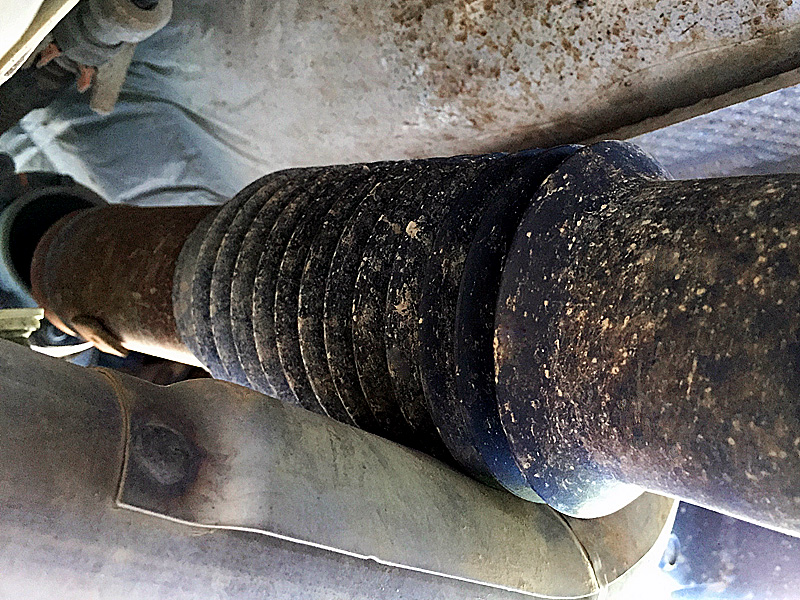
Look closely at the drive shaft for cracks or dents. Check the u-joints for rust or wear. Examine the CV boots for tears or leaks. Any visible damage could mean a failing part.
Listening For Noises
Listen for clunking or clicking sounds while driving. Squeaks at low speeds can signal dry u-joints. Grinding noises during turns often point to worn CV joints. Strange sounds need prompt attention.
Test Driving For Vibrations
Drive at different speeds and feel for vibrations. Shaking or shuddering during acceleration is a warning sign. Vibrations that get worse with speed often come from the drive shaft. Test driving helps confirm problems.
Checking For Grease Leaks
Look under the vehicle for grease spots or splatters. Leaking grease usually comes from damaged CV boots or u-joints. Grease leaks reduce lubrication and cause faster wear. Catching leaks early protects the drive shaft.
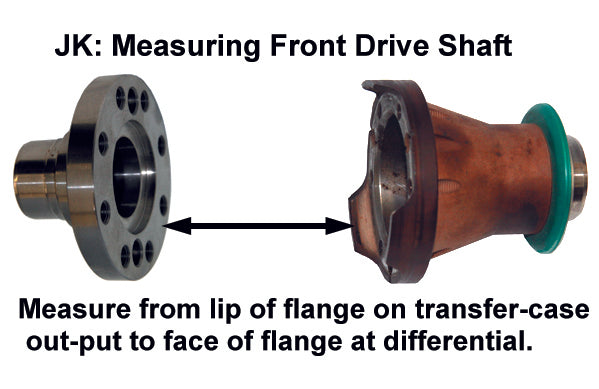
Credit: 4xshaft.com
Fixes And Repairs
Fixing front drive shaft problems in a Jeep JK requires careful attention. Proper repairs ensure smooth driving and prevent further damage. This section covers common fixes and maintenance tips to keep your vehicle running well.
Replacing Cv Joints
CV joints often wear out due to constant movement. Signs include clicking noises during turns. Remove the old joints carefully. Install new, compatible CV joints to restore smooth operation. Always check the CV boots for cracks or tears. Damaged boots can let dirt in and cause joint failure.
U-joint Maintenance And Replacement
U-joints connect the driveshaft to other parts. They need regular inspection for rust or play. Grease the u-joints as part of routine maintenance. If you notice clunking sounds or vibration, replace the worn u-joints. Using quality parts extends the lifespan of the driveshaft system.
Balancing The Driveshaft
An unbalanced driveshaft causes vibrations at higher speeds. Balancing involves adding weights to correct uneven rotation. Take the driveshaft to a professional shop for proper balancing. This process improves ride comfort and reduces stress on other components.
Lubrication Practices
Proper lubrication prevents wear and tear on moving parts. Use the recommended grease for CV joints and u-joints. Regularly check and apply grease according to your Jeep’s service schedule. Avoid over-greasing, as excess grease can attract dirt.
Professional Repair Options
Complex drive shaft issues may require expert help. Mechanics can diagnose hidden problems and provide precise repairs. They have tools to replace parts and balance the shaft correctly. Professional service ensures safety and restores vehicle performance effectively.
Preventive Care Tips
Preventive care helps keep your Jeep JK’s front drive shaft in good shape. Regular maintenance reduces the risk of costly repairs. Simple steps can extend the life of this important part. Follow these tips to avoid common front drive shaft problems.
Regular Inspections
Check the front drive shaft often for signs of wear or damage. Look for cracks, bends, or loose parts. Early detection prevents bigger issues. Inspect the u-joints and CV joints carefully. Catching problems early saves time and money.
Timely Lubrication
Keep the drive shaft joints well-lubricated. Use the right grease recommended for your Jeep. Lubrication reduces friction and wear on moving parts. Do this during every oil change or after off-road trips. Proper lubrication helps the drive shaft last longer.
Avoiding Harsh Driving
Drive smoothly to protect the front drive shaft. Avoid sudden starts, stops, and sharp turns. Rough driving puts extra stress on the drive shaft and joints. Slow down on rough terrain and avoid hitting obstacles hard. Gentle driving keeps the drive shaft healthy.
Protecting Against Rust
Rust weakens the metal parts of the drive shaft. Wash your Jeep regularly, especially after mud or salt exposure. Apply rust protection sprays on the drive shaft. Store the vehicle in a dry place if possible. Rust prevention keeps the drive shaft strong and reliable.
Upgrading Components
Consider upgrading to stronger parts for better durability. High-quality u-joints and CV joints improve performance. Choose parts designed for off-road use if you drive in tough conditions. Upgraded components reduce failures and improve your Jeep’s reliability.
Credit: www.vipermotorsports.com
Jeep Jk Models To Watch
The Jeep JK series has earned a strong reputation for off-road performance and rugged style. Yet, some models show recurring front drive shaft problems. Understanding which Jeep JK models to watch helps owners protect their investment and avoid costly repairs.
Some Jeep JKs face more frequent issues with the front drive shaft. These troubles range from vibrations to rust and drivetrain wear. Identifying the most affected years and models sharpens your focus during inspections and maintenance.
Years With Known Issues
Jeep JK models from 2007 to 2011 often report front drive shaft problems. Early JKs sometimes suffer from premature wear in the drive shaft components. Drivers notice vibrations and noises during acceleration or turning. Later models improved some parts but still show occasional faults. Keeping an eye on these years reduces unexpected failures.
Rust Prone Models
Rust can damage the front drive shaft and its connections. JKs driven in wet or salty climates are more vulnerable. Models with steel components rather than coated metals tend to corrode faster. Rust weakens the shaft and can cause it to fail. Regular cleaning and rust prevention help extend the life of these models.
Engine And Drivetrain Concerns
The front drive shaft links the engine and drivetrain. Some Jeep JK models with certain engine types show extra stress on this part. For example, heavier engines or lifted JKs put more strain on the shaft. This strain can lead to premature joint wear or bending. Monitoring drivetrain health improves safety and performance.
Credit: www.wranglerforum.com
Frequently Asked Questions
How Do I Know If My Front Drive Shaft Is Bad?
A bad front drive shaft causes vibrations, shuddering during acceleration, clunking or clicking noises, difficulty turning, and visible damage. Have a mechanic inspect it promptly to avoid further drivetrain damage.
What Year Jeep Wrangler Jk To Avoid?
Avoid the 2012 Jeep Wrangler JK due to frequent front driveshaft problems causing vibrations and clunking noises.
What Is The Jeep Drive Shaft Recall?
The Jeep drive shaft recall addresses defective front drive shafts causing vibrations, noises, and possible failure. It ensures safety by replacing faulty parts promptly.
Can You Drive A Jeep Wrangler Without The Front Driveshaft?
You can drive a Jeep Wrangler without the front driveshaft, but only in 2WD mode. Avoid 4WD use to prevent damage.
What Are Common Symptoms Of Jeep Jk Front Drive Shaft Problems?
Common symptoms include vibrations, shuddering, clunking noises, clicking sounds, and difficulty turning.
Conclusion
Jeep JK front drive shaft problems can cause serious driving issues. Watch for vibrations, clunking, or shuddering while driving. These signs mean you should check the drive shaft quickly. Ignoring problems can lead to costly repairs or breakdowns. Regular inspections help keep your Jeep safe and smooth.
Stay alert and fix issues early to avoid bigger trouble. Your Jeep will thank you with better performance and reliability.