

If you own a Jeep Cherokee, you know how important it is for every part of your vehicle to work smoothly—especially the rear differential. When this crucial component starts to fail, you might hear strange noises, feel unusual vibrations, or notice your Jeep pulling to one side.
Ignoring these warning signs can lead to costly repairs and unsafe driving conditions. You’ll discover the common Jeep Cherokee rear differential problems, how to spot them early, and what steps you can take to protect your vehicle and keep your drives safe and comfortable.
Keep reading—your Jeep’s health depends on it.
Common Symptoms
Rear differential problems in a Jeep Cherokee often show clear signs before causing serious damage. Recognizing these common symptoms early helps avoid costly repairs. These warning signs usually affect driving comfort and safety. Pay attention to noises, handling changes, leaks, and tire condition for clues.
Unusual Noises
Grinding, howling, or whining noises often come from a failing rear differential. These sounds usually get louder during acceleration or turns. Humming or whirring noises when slowing down might mean worn pinion gear bearings. Clunking sounds when shifting between acceleration and deceleration suggest loose or broken parts. Regular noise changes with speed or direction are a strong symptom.
Handling Issues
Difficulty steering or stiff handling can indicate rear differential trouble. The vehicle might pull to one side, especially during cornering. A feeling of poor stability or looseness in turns also signals problems. These handling issues affect driving safety and should never be ignored.
Fluid Leaks And Vibrations
Oil leaks under the rear of the Jeep often come from damaged seals or gaskets. Vibrations that grow stronger during acceleration or steady driving point to differential wear. These issues show internal damage and lubrication loss. Catching leaks and vibrations early can save the differential from severe damage.
Tire Wear And Smells
Uneven or rapid tire wear often results from a faulty rear differential. This happens because the differential no longer distributes power evenly. A burning smell near the rear axle may signal overheating or fluid problems. These signs warn of lubrication failure and possible internal damage.
Causes Of Rear Differential Problems
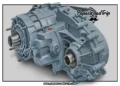
The rear differential in a Jeep Cherokee plays a key role in transferring power to the wheels. Problems in this component can cause noise, poor handling, and even damage to the drivetrain. Understanding the causes of rear differential problems helps in spotting issues early. This knowledge allows for timely repairs and longer vehicle life.
Worn Gears And Bearings
Gears and bearings inside the differential wear out over time. Constant friction and pressure cause the metal parts to degrade. Worn gears may slip or grind, producing noise. Damaged bearings can lead to rough movement and vibration. Regular inspection helps catch wear before it worsens.
Seal And Gasket Failures
Seals and gaskets keep the differential fluid inside the housing. When these parts fail, fluid leaks out. Loss of fluid reduces lubrication and causes overheating. Leaks also allow dirt and water to enter, damaging internal components. Replacing damaged seals stops leaks and protects the differential.
Lack Of Lubrication
Lubrication reduces friction between moving parts. Low or dirty fluid leads to metal-on-metal contact. This accelerates wear and causes heat build-up. Without proper lubrication, gears and bearings break down quickly. Checking and changing fluid regularly keeps the differential running smoothly.
Contaminated Differential Fluid
Contaminated fluid contains dirt, metal shavings, or water. These particles act like sandpaper inside the differential. They damage gears, bearings, and seals. Contaminated fluid also loses its ability to lubricate effectively. Flushing the old fluid and refilling with clean fluid prevents damage and prolongs life.
Diagnosing Rear Differential Issues
Diagnosing rear differential issues in a Jeep Cherokee is key to avoiding costly repairs. Early detection helps keep your vehicle safe and running smoothly. You can spot problems by paying attention to noises, fluid condition, and vehicle handling. Simple tests can reveal if the rear differential needs attention.
Noise Identification
Listen closely for unusual sounds from the rear of your Jeep. Grinding, whining, or howling noises often mean worn gears or bearings. These noises tend to change with speed or when turning. A constant humming or whirring sound could point to a bad pinion gear bearing. Clunking noises may indicate loose parts or missing gear teeth. Note when the noise happens to help pinpoint the issue.
Visual Fluid Inspection
Check the rear differential fluid for leaks or contamination. Look under your Jeep for oil puddles or drips. Fluid leaks usually come from worn seals or gaskets. Open the differential cover if possible and inspect the fluid color and texture. Dark, dirty, or metal-filled fluid signals internal damage. Clean fluid is clear or amber and free of debris. Regular fluid checks prevent overheating and gear wear.
Handling And Steering Tests
Test your Jeep’s handling to find rear differential problems. Notice if steering feels stiff or hard to turn. Pulling to one side, especially in turns, can mean a differential issue. Poor stability or a loose feeling during cornering is another sign. Vibrations during acceleration or steady driving also suggest trouble. These tests reveal mechanical problems affecting safety and control.
Vin And Recall Checks
Use your Jeep Cherokee’s VIN to check for recalls related to the rear differential. Manufacturers sometimes issue recalls for faulty parts or assembly errors. Visit official Jeep websites or contact dealers to verify if your vehicle has open recalls. Addressing recalls promptly can prevent differential failure and costly repairs. Staying informed helps maintain your Jeep’s reliability and safety.
Credit: www.jeepcherokeeclub.com
Repair And Maintenance Options
Maintaining your Jeep Cherokee’s rear differential ensures smooth driving and prevents costly repairs. Addressing problems early keeps the differential in good condition. Simple maintenance tasks and timely repairs extend its lifespan. Below are key repair and maintenance options to consider.
Fluid Replacement And Seal Repair
Changing the differential fluid regularly prevents wear and overheating. Old fluid loses lubrication properties and can cause damage. Inspect fluid levels and top up if low. Replace worn or leaking seals to stop fluid leaks. Seals protect internal parts from dirt and moisture. Proper fluid and seal care keep the differential running quietly and efficiently.
Gear And Bearing Replacement
Damaged gears or bearings cause noise and poor handling. Replace worn gears to restore smooth power transfer. Bearings support rotating parts and reduce friction. Faulty bearings create grinding or whining sounds. Timely replacement prevents further damage and expensive repairs. Use quality parts designed for Jeep Cherokee to ensure durability.
Regular Inspection Tips
Check the rear differential during routine vehicle inspections. Look for fluid leaks under the vehicle and unusual noises while driving. Pay attention to vibrations and difficulty steering, which may signal issues. Inspect seals and bolts for tightness and wear. Early detection allows quick fixes and avoids major failures.
When To Consult A Professional
Seek expert help if noises persist after fluid changes. Complex repairs like gear replacement need specialized tools and skills. Professionals diagnose hidden problems using advanced equipment. Visit a trusted mechanic if steering feels stiff or if leaks continue. Prompt professional service protects your Jeep Cherokee’s rear differential from severe damage.
Preventing Future Problems
Preventing future rear differential problems in your Jeep Cherokee helps avoid costly repairs. Taking simple steps now keeps the differential working smoothly. Focus on maintenance, driving style, fluid care, and early warning signs.
Routine Maintenance Schedule
Stick to the factory maintenance schedule for the rear differential. Change the differential fluid at recommended intervals. Regular inspections catch wear and leaks early. Clean and replace seals to stop fluid loss. A well-maintained differential lasts longer and performs better.
Driving Habits To Avoid
Avoid aggressive driving like sudden acceleration or hard turns. Do not overload your Jeep beyond its capacity. Driving through deep water or mud can damage seals and gears. Steady, gentle driving reduces stress on the rear differential. Smooth driving habits extend the life of your vehicle’s components.
Fluid Type And Quality
Use the correct type of differential fluid as specified in the owner’s manual. High-quality fluid protects gears and bearings from wear. Avoid mixing different fluid brands or types. Regularly check fluid levels and top off if needed. Clean fluid improves lubrication and cooling inside the differential.
Monitoring Warning Signs
Listen for unusual noises like grinding or whining from the rear. Check for fluid leaks under the vehicle regularly. Notice any vibrations or difficulty steering during turns. Watch for uneven tire wear or a burning smell. Early detection of problems helps prevent serious damage.
Credit: www.jeepgarage.org
Recalls And Owner Reports
The rear differential in a Jeep Cherokee plays a vital role in power distribution to the wheels. Problems with this part can affect driving safety and vehicle performance. Many owners report issues, and some problems have led to official recalls. Understanding these recalls and owner experiences helps drivers stay informed and take action if needed.
Manufacturer Recall Notices
Jeep has issued recalls for rear differential problems in some Cherokee models. These recalls often address faulty parts or assembly issues that can cause leaks or noise. The manufacturer provides free repairs or part replacements to fix the problem. Recall notices are important to ensure your vehicle remains safe and reliable.
Common Owner Complaints
Owners frequently report noises like grinding or whining coming from the rear differential. Many say they experience fluid leaks or vibrations during driving. Some also mention difficulty steering or pulling to one side. These complaints help identify patterns and may signal the need for inspection or repair.
How To Check For Recalls
Visit the official Jeep website or the National Highway Traffic Safety Administration (NHTSA) site. Enter your vehicle identification number (VIN) to see if recalls apply. You can also check through authorized Jeep dealers. This quick step ensures you know about any safety issues affecting your Cherokee.
Steps After A Recall
If your Jeep Cherokee has a recall, contact your local dealer promptly. Schedule a repair appointment at no cost to you. Keep records of all communications and repairs. Regularly monitor your vehicle for any signs of rear differential problems after the fix.
Expert Tips For Jeep Cherokee Owners
Jeep Cherokee owners face unique challenges with rear differential issues. Proper care can extend the life of this crucial part. Below are expert tips to help you maintain your vehicle’s rear differential. These simple steps prevent costly repairs and keep your Jeep running smoothly on Austin roads.
Regular Differential Checks
Schedule differential inspections at least twice a year. Look for fluid leaks under the vehicle. Check fluid levels and condition during oil changes. Clean and replace differential fluid as recommended in the owner’s manual. Early detection of problems saves money and avoids breakdowns.
Signs Not To Ignore
Listen for unusual noises like whining or grinding from the rear. Notice any vibration or pulling to one side while driving. Watch for uneven tire wear or burning smells. These are warning signs of differential damage. Addressing these quickly helps prevent major repairs.
Choosing The Right Service Center
Pick a shop with experience in Jeep Cherokee repairs. Ask if they use OEM parts and proper tools. Check reviews from other Jeep owners in Austin, Texas. A skilled technician can spot issues early and fix them right. Avoid general repair shops that lack specific Jeep knowledge.
Budgeting For Repairs
Set aside funds for routine maintenance and unexpected fixes. Rear differential repairs can vary in cost depending on damage. Plan for fluid changes, seal replacements, or gear repairs. Staying prepared reduces stress and keeps your Jeep safe on the road.

Credit: www.amazon.com
Frequently Asked Questions
What Are The Symptoms Of A Failing Rear Differential?
Symptoms of a failing rear differential include grinding, whining, or howling noises. You may notice fluid leaks, vibrations, and difficulty steering. The vehicle can pull to one side, show uneven tire wear, or emit a burning smell. Overheating and poor handling also indicate issues.
Is There A Recall On The 2019 Jeep Cherokee Rear Differential?
There is no official recall on the 2019 Jeep Cherokee rear differential. Some owners report rear differential issues, but no recall exists.
What Are The Worst Years For The Jeep Cherokee To Avoid?
The worst Jeep Cherokee years to avoid are 2014, 2015, and 2016 due to frequent rear differential and transmission issues. These models often face costly repairs and reliability concerns. Choose other years for better performance and fewer mechanical problems.
How Much Does It Cost To Replace A Rear Differential On A Jeep?
Replacing a rear differential on a Jeep typically costs between $800 and $2,500. Prices vary by model and labor rates.
What Causes Rear Differential Problems In Jeep Cherokee?
Rear differential issues often come from worn gears, low fluid, or damaged bearings.
Conclusion
Jeep Cherokee rear differential problems can cause serious driving issues. Listen for unusual noises like grinding or whining. Watch for fluid leaks or uneven tire wear. Difficulty steering or pulling to one side signals trouble. Early detection helps avoid costly repairs later.
Regular maintenance keeps the differential working smoothly. Stay alert to signs and fix problems quickly. Your Jeep will run safer and last longer.