

Have you ever finished polishing your car only to discover a stubborn, cloudy haze left behind by the rubbing compound? That frustrating haze can dull your paint’s shine and make all your hard work feel wasted.
But don’t worry—you don’t have to live with it. In this guide, you’ll learn simple, effective ways to remove rubbing compound haze and restore your vehicle’s smooth, glossy finish. Whether you’re dealing with fresh residue or stubborn dried-on spots, these easy steps will help you bring back that showroom shine quickly and safely.
Keep reading, and get ready to see your car sparkle again!

Credit: www.amazon.com
Causes Of Rubbing Compound Haze
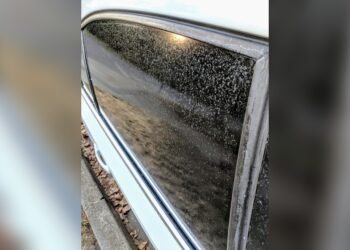
Rubbing compound haze appears as a cloudy film on your car’s paint after polishing. It can spoil the shine and make the surface look dull. Understanding what causes this haze helps avoid it and fix it faster. Several factors lead to rubbing compound haze formation during or after the polishing process.
Incorrect Application Of Rubbing Compound
Applying too much rubbing compound creates excess residue on the paint surface. This residue may not fully wipe off, leaving a hazy layer. Using aggressive pressure or fast buffing speeds can also trap compound residue in the paint’s micro-scratches.
Using The Wrong Type Of Pad
Poor pad choice affects how the compound spreads and removes imperfections. A pad that is too soft or too worn may leave uneven residue behind. This unevenness shows as a haze after the compound dries.
Insufficient Wiping And Cleaning
Not wiping the surface properly after compounding leaves behind fine particles. These particles dry into a film that appears as haze. Using dirty or rough towels can also smear compound residue across the paint.
Environmental Conditions During Application
Polishing in direct sunlight or hot temperatures causes the compound to dry too fast. Fast drying traps the compound on the surface before you can remove it. Dust and airborne particles can stick to wet compound, making haze worse.
Overuse Of Compound On Sensitive Paint
Some paints react poorly to heavy compounding. Overworking these surfaces leads to a cloudy finish. The protective clear coat can get microscopically damaged, resulting in a hazy look.
Credit: www.amazon.com
Tools Needed For Removal
Removing rubbing compound haze requires the right tools. Using proper equipment makes the process easier and safer for your car’s paint. These tools help remove haze without causing damage or scratches. Preparing all tools before starting saves time and effort.
Microfiber Towels
Microfiber towels are soft and absorbent. They trap haze particles without scratching the surface. Use clean towels to avoid spreading dirt or residue. Avoid cotton or rough fabrics that can harm the paint.
Detailing Spray Or Quick Detailer
Detailing sprays help lift haze from the paint. They add lubrication for smooth wiping. These sprays also enhance shine after haze removal. Choose a spray safe for your car’s finish.
Polishing Pads
Foam or microfiber polishing pads help remove stubborn haze. Use with a dual-action polisher or by hand. Select the right pad type for your rubbing compound level. Pads soften the haze for easy removal.
Dual-action Polisher
A dual-action polisher speeds up haze removal. It provides consistent motion and pressure. This tool reduces fatigue and improves results. Use at low speed to avoid paint damage.
All-purpose Cleaner And Soft Brush
All-purpose cleaners break down tough residue. Pair with a soft brush to clean textured surfaces. Use gentle scrubbing to avoid scratching. This combo works well on plastic trims and crevices.
Removing Fresh Compound Residue
Fresh rubbing compound residue appears as a haze or film on your car’s surface. It can dull the shine and hide the paint’s true color. Removing this residue quickly keeps your paint smooth and glossy. Clean it gently to avoid scratching or damaging the finish.
Use simple tools and products for the best results. Focus on wiping the surface carefully and using products designed for car detailing. Fresh residue is easier to remove than dried or stubborn haze.
Using Microfiber Towels And Detailer
Grab a clean microfiber towel. Spray a light mist of detailer on the affected area. The detailer helps lift the compound haze without harsh scrubbing. Wipe gently in straight lines to avoid swirl marks.
Use a fresh section of the towel often. This prevents spreading the residue around. Repeat spraying and wiping until the haze clears. Microfiber towels are soft and absorbent, perfect for delicate surfaces.
Waterless Wash Application
Waterless wash products can also remove fresh compound residue. Spray the product on small areas of the car’s surface. Let it sit for a few seconds to loosen the haze.
Use a microfiber towel to wipe the area clean. The wash lifts dirt and residue without water or rinsing. This method saves time and water. Always work in shade to prevent streaking or quick drying.
Handling Dried Compound Residue
Handling dried compound residue requires patience and the right tools. Dried rubbing compound can leave a stubborn haze on your car’s surface. Removing it carefully avoids damage to paint and trim. Use gentle cleaning methods to restore the shine without scratching.
All-purpose Cleaner And Soft Brush
Start with an all-purpose cleaner (APC) to loosen dried compound. Spray the cleaner on the affected area. Use a soft brush, like a toothbrush, to gently scrub the surface. This helps remove residue from textured or uneven paint. Wipe away loosened compound with a clean microfiber towel. Repeat if needed, but avoid harsh scrubbing.
Cleaning Crevices And Panel Gaps
Dried compound often hides in crevices and panel gaps. Use a soft brush to reach these tight spaces. Lightly spray APC to help break down residue. Gently scrub to avoid scratching paint or trim. Wipe clean with a microfiber cloth. This keeps your car looking detailed and smooth.
Using Toothpicks Safely
Toothpicks can remove compound from very small gaps. Use them carefully to avoid damaging paint or trim edges. Wrap a toothpick in a soft cloth for extra protection. Gently work in crevices without applying too much pressure. This method helps clean hard-to-reach spots without harm.
Removing Residue From Plastic Trim
Removing residue from plastic trim after using rubbing compound is important to restore the trim’s clean look. Plastic trim can easily hold onto haze and residue, making the surface look dull. Proper cleaning helps bring back the natural color and shine. Use gentle methods to avoid damage while removing the haze effectively.
Scrubbing Techniques
Start by using a soft brush or sponge. Gently scrub the plastic trim to loosen the haze. Avoid hard scrubbing which can scratch the plastic. Use circular motions for even cleaning. Rinse frequently to check progress. For textured trim, a soft toothbrush works well to reach small grooves. Pat dry with a microfiber cloth to prevent streaks.
Specialized Product Usage
Choose products made for plastic surfaces. Plastic trim cleaners or detailers remove residue without harm. Spray the product directly on the trim or on a cloth. Wipe the surface in smooth strokes. For tough haze, use a dedicated residue remover. Always follow product instructions. Test on a small area first to ensure no discoloration occurs.
Dealing With Stubborn Spots
Sometimes rubbing compound haze does not come off with simple wiping. Stubborn spots can remain on your car’s surface. These spots may look cloudy or sticky. They need special care to remove completely. Using the right products helps avoid damage and restores the shine. Gentle but effective solutions work best on these tough areas.
Patience and the correct materials are key. Rushing or using harsh chemicals can harm the paint. Below are two reliable methods to tackle these persistent haze spots safely.
Isopropyl Alcohol And Mineral Spirits
Isopropyl alcohol diluted with water is useful for removing sticky residue. Use a mix of about 70% alcohol and 30% water. Apply it gently with a clean microfiber cloth. Rub the spot in a circular motion. This helps break down the haze without harming the paint.
Mineral spirits are another option for tougher spots. They dissolve wax or grease-based residues well. Use a small amount on a soft cloth. Test a hidden area first to ensure no damage. Wipe the haze carefully and follow with a clean, dry cloth to remove any leftover product.
Wax And Residue Removers
Special wax and residue removers are designed for haze and polish leftovers. These products clean the surface without stripping wax protection. Apply a small amount on a soft cloth and work it into the haze. Let it sit briefly to soften the residue, then wipe off with a clean cloth.
These removers often include ingredients that restore shine and smoothness. They are safe for clear coats and help prepare the surface for a fresh wax or sealant. Follow product instructions closely for best results.
Precautions With Solvents
Handling solvents requires care to avoid damage to your vehicle’s finish. Solvents help remove rubbing compound haze but can harm paint or plastic if used incorrectly. Taking precautions ensures the cleaning process is safe and effective.
Always choose the right solvent and test it on a small area first. Avoid excessive rubbing or soaking that might cause discoloration or damage. Use soft cloths to apply solvents gently and avoid harsh scrubbing.
Avoiding Harsh Chemicals
Harsh chemicals can strip paint or dull clear coats. Stay away from strong acids or abrasive solvents. Opt for mild cleaners designed for automotive use. Read product labels carefully and avoid anything with ammonia or bleach.
Using gentle products protects your car’s surface and prevents further damage. Mild solvents break down haze without risking paint erosion. This approach keeps your car looking smooth and shiny.
Protecting Paint And Plastic Surfaces
Paint and plastic react differently to solvents. Plastic trim can discolor or become brittle with strong chemicals. Use diluted solutions for plastic parts and apply solvents sparingly. Always wipe off any residue quickly to avoid staining.
For painted surfaces, avoid leaving solvents on too long. Use microfiber towels to gently buff away haze. Protect edges and seams where solvents may pool. These steps reduce risk and maintain your vehicle’s finish.

Credit: www.reddit.com
Tips For Final Polishing
Final polishing is a key step in removing rubbing compound haze. It helps restore your vehicle’s smooth and glossy finish. Proper techniques ensure the paint looks even and clear. Follow these tips for the best results.
Buffing To Restore Shine
Buffing removes haze and fine scratches left by the compound. Use a clean, soft foam pad with a gentle polish. Work in small sections with slow, circular motions. Avoid pressing too hard to prevent damage. After buffing, wipe the area with a microfiber cloth to check the shine. Repeat if needed until the haze disappears and the surface shines evenly.
Preparing For Repainting Or Polishing
Clean the surface thoroughly before any further work. Remove all dust, oils, and leftover compound with a suitable cleaner. Use a clay bar to pick up any embedded dirt. Dry the surface completely to avoid trapping moisture. This preparation ensures new paint or polish adheres well and looks smooth. Skipping this step may cause uneven finishes or flaking later.
Frequently Asked Questions
How Do You Remove Rubbing Compound Residue?
Remove rubbing compound residue by wiping with a microfiber towel and spray detailer or water. For dried residue, apply all-purpose cleaner and gently scrub with a soft brush. Use diluted isopropyl alcohol or mineral spirits carefully on stubborn spots. Finish by buffing with a clean microfiber towel.
What Dissolves Rubbing Compounds?
Rubbing compounds dissolve with water, spray detailers, or all-purpose cleaners. Use microfiber towels and soft brushes to remove residue safely. For tough spots, apply diluted isopropyl alcohol, mineral spirits, or dedicated residue removers carefully. Always buff with a clean towel for a smooth finish.
How To Remove Wax Haze?
Remove wax haze by wiping with a microfiber towel and spray detailer or water. For stubborn residue, use all-purpose cleaner and a soft brush. Buff with a dry microfiber towel for a clear shine. Avoid harsh scrubbing to prevent surface damage.
Will Rubbing Compound Damage Clear Coat?
Rubbing compound can damage clear coat if used aggressively or improperly. Use gentle pressure and proper technique to avoid harm.
What Causes Rubbing Compound Haze On Car Surfaces?
Rubbing compound haze happens when leftover product dries unevenly on paint or trim.
Conclusion
Removing rubbing compound haze is simple with the right steps. Use a clean microfiber towel and spray detailer to wipe the surface gently. For tougher residue, apply an all-purpose cleaner with a soft brush to clean crevices. Always buff the area afterward with a dry towel to restore shine.
Avoid harsh scrubbing to protect your paint. With patience and care, your car’s finish will look clear and smooth again. Keep these tips handy for easy haze removal anytime.