

Thinking about lifting your Honda Ridgeline to boost its off-road power or to get that rugged, aggressive look? Before you dive in, it’s important to understand the common problems that come with installing a lift kit on your Ridgeline.
You might be excited about the extra ground clearance and bigger tires, but are you prepared for potential issues like changes in handling, suspension troubles, or warranty concerns? You’ll discover the key challenges Honda Ridgeline owners face when lifting their trucks—and how to avoid costly mistakes.
Keep reading to make sure your upgrade gives you the benefits you want without the headaches you don’t.
Credit: www.reddit.com
Lift Kit Types
Lifting a Honda Ridgeline can improve its off-road ability and appearance. Different lift kit types provide various ways to raise the truck. Choosing the right kit depends on your needs and budget. Understanding the common lift kit types helps avoid problems.
Suspension Kits
Suspension kits replace or add parts like shocks and control arms. They raise the ride height by changing the suspension system. These kits offer better ride quality and handling on rough terrain. Installation can be complex and may require professional help. Suspension kits usually cost more but give a smoother, more stable lift.
Spacer Kits
Spacer kits add blocks or spacers to the existing suspension. They increase ride height by lifting the body or suspension components. Spacer kits are simpler and cheaper to install. They do not change the suspension geometry much but may cause extra wear. Spacer kits offer a quick lift but may reduce ride comfort and handling.
Reasons To Lift
Lifting a Honda Ridgeline is a popular modification among truck enthusiasts. The upgrade offers several advantages beyond just making the truck look taller. Many Ridgeline owners choose to lift their trucks to improve performance and style. Understanding the reasons to lift helps decide if this modification suits your needs.
Off-road Benefits
Lifting the Ridgeline raises its ground clearance. This helps the truck clear rocks, mud, and uneven trails easily. Better approach and departure angles reduce the chance of damage on rough terrain. A lifted Ridgeline handles off-road obstacles with more confidence. It makes exploring rugged areas safer and more enjoyable.
Appearance Upgrade
A lift kit gives the Ridgeline a tougher, more aggressive look. The higher stance makes the truck stand out on the road. It adds a sense of power and presence that stock height lacks. Many owners find the visual upgrade satisfying and unique. The change often reflects a more adventurous lifestyle.
Bigger Tire Fitment
Lifting the Ridgeline creates space for larger tires. Bigger tires improve traction on dirt, snow, and mud. They also boost the truck’s off-road capability further. Larger tires add to the rugged look that many owners want. Without a lift, bigger tires might rub against the wheel wells or suspension parts.
Pre-lift Considerations
Lifting a Honda Ridgeline requires careful thought before making changes. The truck’s unique design brings specific challenges. These challenges can affect safety, performance, and warranty coverage.
Understanding these factors helps you make a better decision. Here are key points to consider before installing a lift kit.
Unibody Challenges
The Ridgeline uses a unibody frame, unlike traditional trucks. This design blends the body and frame into one piece. Lifting a unibody vehicle is harder and riskier.
Many lift kits fit body-on-frame trucks better. For the Ridgeline, special spacers or subframe lifts may be needed. Improper lifts can cause stress on the frame and suspension parts.
Choose a kit designed specifically for unibody trucks to avoid damage.
Handling Changes
Lifting raises the truck’s center of gravity. This change affects how the Ridgeline drives on roads. It can lead to more body roll during turns.
Ride quality may drop, especially with bigger tires and stiffer suspension parts. Steering might feel less precise. These changes can make daily driving less comfortable.
Test drive carefully after the lift to check handling and control.
Warranty Risks
Installing a lift kit can impact your Ridgeline’s warranty. Manufacturers may deny claims related to lift kit damage. This includes suspension, drivetrain, and frame components.
Check your warranty terms before lifting. Some dealers refuse service on modified vehicles. Knowing this helps avoid unexpected repair costs later.
Common Lift Kit Issues
Installing a lift kit on a Honda Ridgeline can improve its off-road ability and style. Yet, some common problems arise after lifting the truck. These issues affect driving safety, comfort, and vehicle performance. Knowing these problems helps owners prepare and maintain their lifted Ridgeline properly.
Alignment Problems
Lifting the Ridgeline changes the suspension geometry. This often causes the wheels to become misaligned. Misalignment leads to uneven tire wear and poor handling. Drivers may notice the vehicle pulling to one side. Regular wheel alignment is necessary after installing a lift kit. Ignoring alignment issues can reduce tire life and increase fuel consumption.
Suspension Noise
Lift kits add new parts to the suspension system. Loose bolts or worn components may create noises. Common sounds include clunks, squeaks, or rattles. These noises often happen when driving over bumps or rough roads. Inspecting the suspension regularly can catch loose or damaged parts early. Fixing these noises keeps the ride quieter and safer.
Ride Comfort Loss
Raising the Ridgeline changes how the suspension absorbs shocks. Lifted trucks often feel stiffer or bumpier on the road. This happens because the suspension parts stretch or operate outside their normal range. Drivers may feel more vibration and less smoothness. Choosing quality lift components and tuning the suspension can help improve ride comfort. Still, some loss of comfort is common with lift kits.
Transmission And Drivetrain Effects
Lifting a Honda Ridgeline can change how its transmission and drivetrain perform. These parts work together to move power from the engine to the wheels. Changing the ride height can affect their normal operation. Understanding these effects helps avoid costly repairs and keeps the truck running smoothly.
Gear Shifting Issues
Lifting a Ridgeline may cause gear shifting problems. The transmission may feel rough or delayed when changing gears. This happens because the angles of the driveshaft and axles change after a lift. Misaligned angles put extra stress on the transmission components. Over time, this stress can lead to faster wear and failure.
Drivers might notice hard shifts or slipping between gears. These symptoms reduce driving comfort and safety. It is important to check the transmission after installing a lift kit. Adjusting or realigning parts can help fix shifting issues.
Differential Fluid Concerns
The differential works harder after a lift kit is added. The new suspension height changes the position of the differential housing. This can cause leaks or contamination of the differential fluid. Dirty or low fluid reduces lubrication, leading to overheating and damage.
Regularly inspecting the differential fluid is vital. Changing the fluid more often than usual can protect the drivetrain. Using the correct type of fluid is also crucial. Proper maintenance helps the differential last longer and perform better.
Electrical System Problems
Installing a lift kit on a Honda Ridgeline can affect its electrical system. The changes in height and suspension may interfere with sensors and wiring. These disruptions can cause various electrical issues. Understanding these problems helps owners address them quickly.
Sensor Malfunctions
Lift kits can misalign sensors connected to the suspension and braking systems. These sensors monitor wheel speed, ride height, and stability. Misalignment leads to incorrect readings or no readings at all. Faulty sensor data affects vehicle safety and performance. Owners may notice erratic behavior from systems like ABS or traction control.
Warning Light Triggers
Electrical issues often cause warning lights to appear on the dashboard. Lights for ABS, stability control, or the check engine light may turn on. The vehicle’s computer detects sensor errors or electrical faults. These warning lights alert drivers to potential problems. Ignoring them can lead to bigger mechanical or safety issues.
Brake System Challenges
Lifting a Honda Ridgeline can create challenges for the brake system. Changes in suspension height affect how brakes perform. Some owners notice issues that need attention to keep the vehicle safe. Understanding these brake problems helps drivers prepare and fix them early.
Rotor Warping
Lifting the Ridgeline changes the brake rotor’s alignment. This shift can cause uneven heat build-up during braking. Over time, the rotors may warp, leading to reduced braking efficiency. Warped rotors often create a pulsing feeling on the brake pedal. This can make stopping less smooth and less predictable. Repair usually involves rotor resurfacing or replacement.
Vibration Issues
Brake vibration is another common problem after a lift kit installation. The altered suspension geometry can cause the brake components to sit unevenly. This misalignment leads to vibrations during braking or at higher speeds. The shaking can affect control and driver comfort. Balancing wheels and checking brake parts alignment often reduce this problem. Fixes may require professional inspection and adjustment.
Credit: jprstudies.org
Tailgate Malfunctions
Tailgate malfunctions are a common issue after installing a lift kit on a Honda Ridgeline. The lift can affect the alignment and operation of the tailgate. Owners often report problems that reduce the convenience and functionality of the tailgate. Understanding these malfunctions helps in finding quick fixes and avoiding further damage.
Sticking Tailgate
The tailgate may stick or become hard to move after a lift kit installation. This happens because the new height changes the tailgate’s position. The latch may not align properly with the striker. Dirt and debris can worsen the sticking problem. Regular cleaning and lubrication of the latch can help. Adjusting the striker or latch position often solves the issue.
Opening Failures
Some Ridgeline owners face tailgate opening failures post-lift. The tailgate may not open fully or at all. This occurs due to misaligned hinges or cables stretched by the lift. Electrical tailgates can have sensor or wiring issues from new angles. Checking hinge bolts and cable tension is essential. Fixing the alignment or replacing worn parts restores smooth opening.
Fixes And Solutions
Fixing common problems with Honda Ridgeline lift kits requires attention to detail and proper care. Many issues arise from poor installation or using low-quality parts. Choosing the right solutions can improve performance and safety. This section covers key fixes and solutions to keep your lifted Ridgeline running smoothly.
Proper Installation Tips
Correct installation is the first step to avoid lift kit problems. Use detailed instructions that come with the kit. Ensure all bolts and components are tightened to the right torque. Avoid rushing the process to prevent mistakes. It helps to have a professional mechanic check your work. Align the suspension properly after installation. This reduces uneven tire wear and handling issues.
Component Upgrades
Upgrading parts can solve many lift kit problems. Choose heavy-duty shocks and springs that fit your Ridgeline. Stronger control arms and sway bars improve stability. Replace factory components with those designed for lifted trucks. This reduces strain on suspension and steering parts. Larger tires need upgraded brakes for safety. Investing in quality parts extends the life of your lift kit.
Regular Maintenance
Maintain your lift kit regularly to prevent failures. Check bolts and nuts for tightness every few months. Inspect shocks and springs for signs of wear or damage. Clean dirt and debris from suspension parts to avoid corrosion. Grease moving parts to keep them working smoothly. Regular alignment checks keep your Ridgeline driving straight. Timely maintenance saves money and prevents bigger problems.
Model Year Variations
The Honda Ridgeline has changed through the years. Each model year brings small updates and tweaks. These changes affect how lift kits fit and perform on the truck.
Understanding model year variations helps avoid common lift kit problems. Some lift kits work well on certain years but cause issues on others. It is important to know these differences before installing a lift kit.
2006-2014 First Generation Ridgeline Lift Kit Issues
The first generation Ridgeline has a unique unibody frame. This design limits the types of lift kits that fit well. Many owners report problems with spacer kits causing uneven suspension wear. Bolt-on kits may not align properly with factory mounts. These issues can lead to poor handling and premature part failure.
2017-present Second Generation Lift Kit Challenges
The second generation Ridgeline improved suspension design. It uses a more modern independent rear suspension. Lift kits for these models often require custom brackets or extended brake lines. Without these adjustments, the truck may face brake or alignment problems. Some kits also raise the center of gravity too much, affecting ride stability.
Special Editions And Trim Level Differences
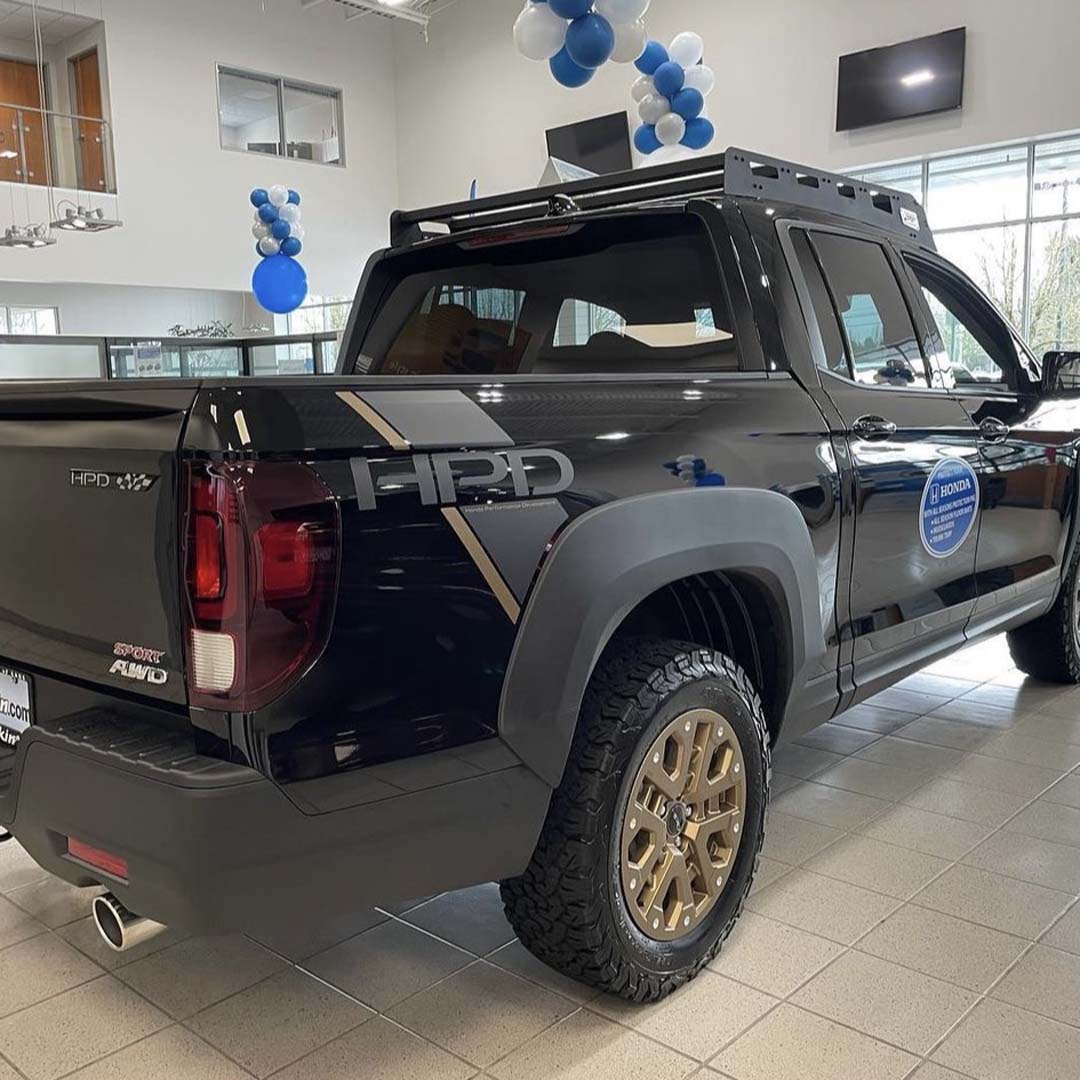
Special editions like the Black Edition or Sport have unique suspension setups. Lift kits that work on standard trims may not fit these models well. These trims often come with factory-installed shocks or sway bars that interfere with lift components. Owners should check compatibility with their exact trim before buying a lift kit.
Credit: www.ridgelineownersclub.com
Frequently Asked Questions
Can The Honda Ridgeline Be Lifted?
Yes, you can lift a Honda Ridgeline using suspension or spacer lift kits. Lifting improves off-road ability and allows larger tires but may affect handling and warranty.
What Is The Most Common Problem With A Honda Ridgeline?
The most common problem with a Honda Ridgeline is transmission issues, including rough shifting or failure. Other frequent problems include electrical malfunctions, brake system concerns, and tailgate latch failures. Regular maintenance helps reduce these issues and ensures reliable performance.
How Does Lifting Affect Ridgeline’s Ride?
Lifting a Honda Ridgeline raises ground clearance and allows larger tires. It may increase body roll and reduce ride smoothness. Off-road capability improves, but on-road handling can feel less stable. Lifting might also affect warranty coverage and requires careful installation due to unibody design.
Can Lift Kits Cause Problems?
Lift kits can cause problems like altered handling, increased body roll, and potential warranty voids. They may also stress suspension components and affect ride comfort. Proper installation and choosing the right kit reduce risks and maintain vehicle safety and performance.
Can You Lift A Honda Ridgeline Safely?
Yes, lifting is possible using bolt-on suspension kits or spacer kits designed for the Ridgeline.
Conclusion
Lifting a Honda Ridgeline can improve off-road ability and style. Still, it may cause handling issues and affect your warranty. The truck’s unique design makes lift kits tricky to install. Choose the right kit carefully and expect some trade-offs. Regular maintenance becomes more important after lifting.
Think about your driving needs before making changes. Proper research and planning help avoid common problems. Keep your Ridgeline safe and reliable while enjoying a lifted look.