

If you own a Honda, you need to pay close attention to the recent fuel pump recall. This isn’t just a routine notice—your safety could be at risk.
The problem lies with the high-pressure fuel pump, which can crack and cause fuel leaks. That increases the chance of fire or your car stalling unexpectedly while driving. Imagine being on the road and suddenly losing power—this is why you can’t ignore this recall.
You’ll learn how to find out if your Honda is affected, what steps you should take next, and why acting quickly can protect you and your loved ones. Keep reading to make sure your vehicle is safe and sound.
Credit: www.hrvforum.com
Recall Details
Honda has issued a recall due to a defect in the fuel pump. This problem can cause serious safety concerns. Understanding the recall details helps owners act quickly. Here is what you need to know about the recall.
Fuel Pump Defect
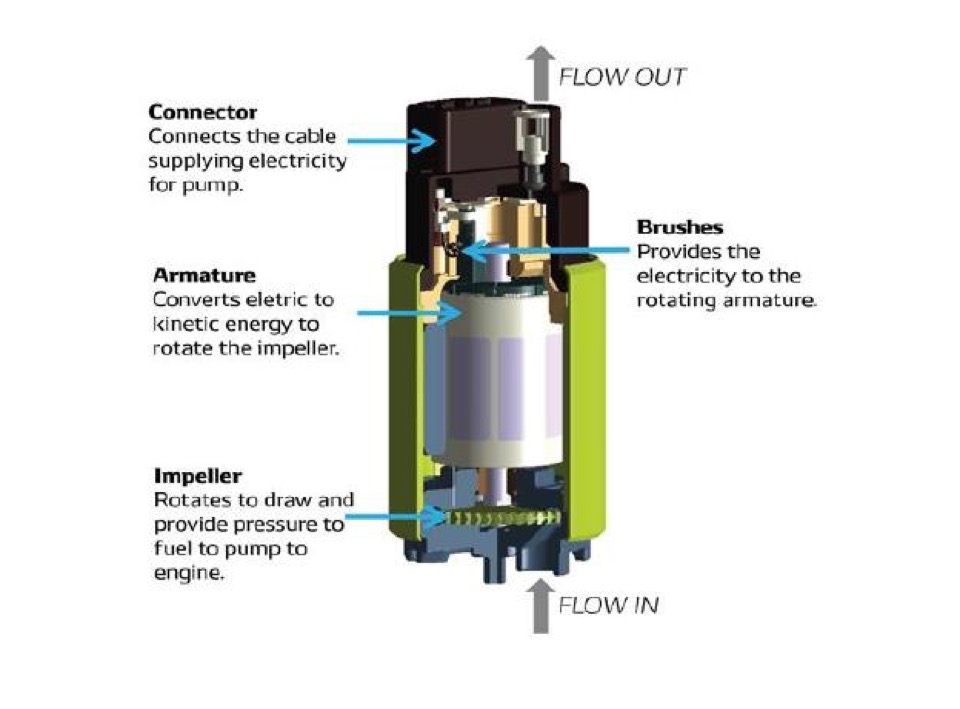
The fuel pump may crack and leak fuel. This defect raises the chance of fire. Fuel leaks can cause the engine to stall suddenly. Honda is addressing this issue with a repair program. The repair includes inspection and, if needed, replacement of the pump.
Affected Models
The recall covers several Honda models from specific years. Owners will receive mail notices starting December. Affected vehicles must be taken to a Honda dealer. The dealer will perform a free check and fix if required. Checking your vehicle’s VIN can confirm if it is included.
Potential Risks
Driving with a faulty fuel pump is dangerous. Fuel leaks can lead to fires or engine failure. Sudden stalling increases the risk of accidents. The recall helps prevent these risks. Prompt action is vital for your safety and others on the road.
Credit: www.hondaproblems.com
Identifying Affected Vehicles
Identifying whether your Honda vehicle is part of the fuel pump recall is essential for safety. Certain models have a risk of fuel pump failure. This issue can cause the engine to stall unexpectedly. It may also lead to fuel leaks and fire hazards. Acting quickly can prevent accidents and costly repairs.
Using Vin Lookup Tools
The easiest way to check if your Honda is affected is by using a VIN lookup tool. Every vehicle has a unique Vehicle Identification Number (VIN). You can enter this number on the official Honda Owners website. The tool will tell you if your vehicle has any open recalls. This method is fast and accurate. Keep your VIN handy to get the information you need.
Checking Nhtsa Database
The National Highway Traffic Safety Administration (NHTSA) also offers a recall database. This site lets you enter your VIN or search by make and model. It shows all safety recalls issued for your vehicle. The database is updated regularly with the latest recall information. Checking this site ensures you do not miss any important safety alerts.
Safety Concerns
Safety concerns around the Honda fuel pump recall are serious. Faulty fuel pumps can cause sudden engine failure. This puts drivers and passengers at risk. A cracked fuel pump may leak fuel. This creates a fire hazard. Understanding these risks helps owners stay safe.
Driving With Recalled Fuel Pumps
Driving with a recalled fuel pump is dangerous. The pump may stop working without warning. This can cause the engine to stall. Losing power on the road increases accident risks. Avoid driving until the pump is fixed. Contact a Honda dealer for a free inspection. Repairs are provided at no cost to owners.
Signs Of Fuel Pump Issues
Watch for warning signs of fuel pump problems. The engine may hesitate or stall during driving. You might hear unusual noises from the fuel tank area. Difficulty starting the car can also indicate pump failure. Fuel smell inside or near the vehicle is a serious sign. Immediate action is needed if these symptoms appear.
Repair And Replacement
The Honda fuel pump recall requires prompt repair and replacement to ensure vehicle safety. The affected fuel pumps may cause leaks or engine stalling. Honda dealers offer free inspections and repairs for recalled vehicles. Understanding the repair process helps owners act quickly and stay safe on the road.
Dealer Inspection Process
Honda dealers start by checking the vehicle’s identification number. They inspect the fuel pump for any signs of damage or cracks. The inspection is free and usually takes less than an hour. Dealers use special tools to test fuel pump pressure and performance. If the pump is faulty, they schedule the replacement immediately.
Parts Availability
Honda provides the necessary parts for all affected models. Parts are shipped directly to authorized dealers. Supply is steady but may vary by location. Dealers prioritize recalled vehicles to minimize wait times. Owners should contact their dealer early to confirm parts availability and schedule service.
Repair Timeline
Repairs typically take one to two hours. The process includes removing the old pump and installing a new one. After replacement, the system is tested for proper function. If many vehicles are recalled, wait times may increase slightly. Early scheduling helps reduce delays and ensures quick service.
Owner Actions
Owners affected by the Honda fuel pump recall must act quickly to ensure safety. The recall concerns a faulty fuel pump that may crack and leak fuel. This can lead to fire risks and sudden engine stalling. Taking the right steps protects you and other drivers on the road.
Scheduling Service
Contact your nearest Honda dealer to schedule a recall service. The inspection and repair are free of charge. Dealers will check your vehicle’s fuel pump and replace it if needed. Appointments may fill fast, so book early to avoid delays. Have your vehicle identification number (VIN) ready for quick service.
Responding To Recall Notices
Honda will send recall notices by mail to registered owners. Read the notice carefully and follow the instructions provided. If you receive a notice, do not ignore it. The recall fixes a serious safety issue that needs prompt attention. You can also check for recalls online using your VIN on Honda’s official site or the NHTSA website.
Community Feedback
Community feedback offers valuable insight into the Honda fuel pump recall. Many owners share their real-life experiences. These stories highlight common issues and how Honda handles the repairs. Listening to the community helps others understand what to expect during the recall process.
Owner Experiences
Many Honda owners report receiving recall notices by mail. They say dealers perform the fuel pump inspection quickly. Some mention free repairs without any hassle. Others appreciate Honda’s clear communication about the recall. A few owners share that the repair improved their vehicle’s performance. These positive experiences bring comfort to worried drivers.
Still, some owners express frustration over wait times. Delays in parts availability cause longer repair waits. A few drivers mention repeated visits for the same issue. Despite this, most owners agree that the free service is important. It helps keep their cars safe and reliable.
Common Complaints
The main complaint centers on the fuel pump’s failure risk. Owners fear sudden stalling or leaks while driving. This issue creates safety concerns on the road. Some report difficulty in scheduling recall repairs. Long dealer waitlists add stress for busy drivers. Others note limited information about the recall process.
Some owners also mention temporary inconvenience. The repair can take several hours to complete. This means arranging alternate transportation for the day. A few express disappointment about the recall affecting multiple vehicle models. Despite complaints, most agree the recall is necessary for safety.
Resources
Finding reliable resources is vital for understanding the Honda fuel pump recall. Accurate information helps owners act quickly and safely. This section lists trusted sources for updates, guidance, and community support. Explore each resource to stay informed.
Official Honda Newsroom
The Official Honda Newsroom offers the latest recall announcements. It provides detailed information about affected models and repair options. Owners can verify recall status and follow Honda’s official instructions here. Updates are timely and accurate.
Helpful Videos
Helpful videos explain the fuel pump issue and repair steps. Visual guides walk through inspection and replacement processes. Watching these videos makes the recall easier to understand. They show what to expect at the dealership.
Support Forums
Support forums connect Honda owners sharing recall experiences. Users exchange tips on dealing with repairs and scheduling service. These communities offer real-life advice and answer common questions. Joining a forum helps owners feel less alone.

Credit: www.youtube.com
Frequently Asked Questions
What Hondas Are Being Recalled For Fuel Pumps?
Honda recalls fuel pumps in models including 2016-2019 Civic, Accord, CR-V, and 2017-2018 Ridgeline due to potential fuel leaks and fire risks. Owners should contact dealers for free inspections and repairs. Check recalls using your VIN at HondaOwners. com or NHTSA.
gov.
Is It Safe To Drive A Honda With A Fuel Pump Recall?
Driving a Honda with a fuel pump recall is unsafe. The fuel pump may fail, causing stalling or fire risk. Schedule a free dealer repair immediately to ensure safety.
What Is The Honda Fuel Pump Issue?
The Honda fuel pump issue involves a high-pressure pump that may crack, causing fuel leaks and fire risks. Affected owners receive free inspections and replacements. Check recalls using your VIN at HondaOwners. com or the NHTSA website.
Does Honda Have Parts For Fuel Pump Recall?
Yes, Honda provides parts for the fuel pump recall. Dealers offer free inspections and replacements for affected vehicles. Check your VIN on HondaOwners. com or NHTSA for recall status. Schedule service promptly to ensure safety and avoid risks from faulty fuel pumps.
What Models Are Included In The Honda Fuel Pump Recall?
The recall affects several Honda models from specific years with a high-pressure fuel pump defect.
Conclusion
The Honda fuel pump recall affects many vehicles and can cause serious safety risks. Checking your car’s recall status is quick and easy with online tools. Do not delay in contacting a Honda dealer for a free inspection and repair.
Fixing the fuel pump ensures your safety and peace of mind while driving. Staying informed helps protect you and your passengers on the road. Act now to keep your Honda running safely and smoothly.