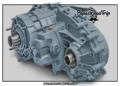


If you drive a Honda CR-V, you might have noticed some strange behavior in your steering. Maybe your steering wheel feels stiff, or you hear unusual noises when turning.
These could be signs of steering rack problems—a common issue that many Honda CR-V owners face. Understanding what causes these problems and how to spot them early can save you from costly repairs and keep you safe on the road.
You’ll learn everything you need to know about Honda CR-V steering rack problems, how to identify the symptoms, and what steps you can take to fix them. Keep reading to protect your vehicle and ensure smooth, confident steering every time you get behind the wheel.
Steering Rack Design Flaws
The Honda CR-V’s steering rack has faced criticism due to design flaws. These flaws can cause steering problems that affect safety and driving comfort. Understanding these flaws helps in identifying issues early. The main problems stem from the gearbox worm wheel, spring preload, and environmental exposure. Each factor plays a role in the steering rack’s performance and longevity.
Gearbox Worm Wheel Issues
The gearbox worm wheel in the Honda CR-V’s steering rack often swells. This happens because of poor manufacturing and material choice. Swelling reduces the grease film thickness between the worm wheel and worm gear. Less grease causes more friction and wear. This leads to noisy steering and rough handling. Over time, it can cause the steering to feel sticky or unresponsive.
Improper Spring Preload Effects
The spring preload in the steering rack is set too high. This increases the sliding force between the worm gear and worm wheel. High preload causes faster wear on the gear teeth. It makes the steering heavier and less smooth. Drivers may notice stiff or jerky steering movements. This flaw speeds up the failure of the steering rack parts.
Impact Of Heat And Moisture
Heat and moisture greatly affect the steering rack’s durability. Exposure to these elements causes the worm wheel to swell. It also degrades the grease inside the gearbox. Without proper lubrication, metal parts grind against each other. This accelerates damage and can cause power steering failure. Moisture also promotes rust, which weakens the rack’s components.
Credit: www.crvownersclub.com
Common Symptoms
The steering rack in a Honda CR-V is a crucial part of the vehicle’s steering system. Problems with this component can affect driving safety and comfort. Recognizing common symptoms early helps prevent serious damage and costly repairs. Here are the usual signs that indicate steering rack issues in a Honda CR-V.
Noises From Steering Assembly
Unusual sounds like clunking or grinding may come from the steering. These noises often increase when turning the wheel. Such sounds suggest worn or damaged parts inside the steering rack. Ignoring these noises can lead to more severe steering problems.
Steering Wheel Vibrations
Feeling vibrations in the steering wheel is a clear warning sign. These vibrations may happen during acceleration or while driving at steady speeds. They usually mean the steering rack or related components are failing. Vibrations reduce control and make driving uncomfortable.
Difficulty In Steering
Steering may feel stiff or heavy, requiring extra effort to turn the wheel. This difficulty points to possible steering rack wear or internal damage. It might also indicate power steering system failure. Hard steering makes driving tiring and unsafe, especially in tight spots.
Power Steering Fluid Leaks
Leaks under the vehicle or around the steering rack area are common. Power steering fluid leaks lower system pressure and cause steering problems. Fluid stains or puddles on the garage floor can be signs of leaks. Regular checks help detect leaks before serious damage happens.
Vehicle Pulling Or Wandering
The vehicle may pull to one side or wander on the road without steering input. This behavior often results from steering rack wear or misalignment. Pulling makes it hard to keep the car straight, increasing accident risk. Proper steering rack function ensures stable and safe driving.
Known Recalls And Fixes
Honda CR-V owners have reported several steering rack problems over the years. To address these concerns, Honda issued recalls and fixes. These actions target specific defects that affect steering performance and safety. Understanding these recalls helps owners recognize symptoms and seek timely repairs.
Power Steering Greasing Recall
Honda recalled some CR-V models due to poor greasing in the power steering system. The grease between the worm wheel and worm gear was insufficient. This caused increased friction and wear, leading to stiff or noisy steering. The recall ensured proper greasing to restore smooth steering operation.
Dislodged Magnet Issue
Another recall focused on a magnet inside the steering rack. In some vehicles, the magnet could become dislodged. This disrupted steering sensor signals and caused erratic steering behavior. Honda’s fix involved securing or replacing the affected components to prevent steering faults.
Honda’s Official Solutions
Honda offers free repairs under these recalls. Technicians inspect the steering rack and related parts. They apply fresh grease or replace faulty magnets as needed. These fixes improve steering feel and safety. Owners should check if their CR-V is affected by recalls for prompt service.

Credit: lemonlawexperts.com
Sticky Steering Problem
The sticky steering problem in Honda CR-V models is a concern for many drivers. This issue makes steering feel stiff or unresponsive at times. It often appears without warning, creating safety worries. The root cause usually lies in the steering rack, where parts may swell or lose lubrication. Drivers notice sudden resistance when turning the wheel, especially at low speeds. Understanding this problem helps owners take timely action and avoid bigger repairs.
User Experiences
Many Honda CR-V owners report feeling a sticky or jerky steering wheel. Some say the wheel gets hard to turn during slow maneuvers. Others mention a sudden catch or delay before the steering responds. These experiences can vary in how often they happen. A few users notice the problem only after long drives or in hot weather. Several owners share that the issue worsens over time without repair.
Frequency And Severity
The sticky steering problem is not very common but not rare either. It mostly affects CR-Vs from certain model years. Severity ranges from mild stiffness to complete steering lock-ups. Most cases start with slight resistance and grow worse. In some rare instances, the steering can become unsafe to use. Early detection and repair help reduce the risk of serious accidents.
Community Feedback
Online forums and social media groups show many drivers discussing this issue. Some suggest simple fixes like changing steering fluid or lubricating parts. Others recommend replacing the steering rack entirely. The Honda community often warns new buyers to inspect steering carefully. Many share repair costs and trusted mechanics for this problem. Community advice helps owners manage the sticky steering issue better.
Repair And Replacement Costs
Repair and replacement costs for Honda CR-V steering rack problems can vary widely. Several factors influence the total expense, including parts, labor, and the severity of the issue. Understanding these costs helps owners prepare for repairs and avoid unexpected bills.
Rack And Pinion Replacement Pricing
The rack and pinion unit is the core part of the steering system. Replacement prices range from $300 to $700 for the part alone. Prices depend on whether you choose a new, rebuilt, or aftermarket rack. New units cost more but offer longer warranties. Rebuilt racks can save money but might have shorter lifespans.
Labor And Parts Estimates
Labor charges usually add $200 to $400 to the total cost. The job involves removing the old rack and installing the new one. Labor time varies from 2 to 4 hours. Shops in Austin, Texas may charge differently based on demand and expertise. Additional parts like tie rods or seals may raise the price. Always ask for a detailed estimate before work begins.
Diy Vs Professional Repair
DIY repair can save money but requires mechanical skill and tools. Mistakes in steering repairs may cause safety risks. Professionals ensure proper installation and alignment. They also offer warranties on work done. For most owners, professional repair is the safer and more reliable choice. DIY may suit those with experience and a well-equipped garage.

Credit: www.youtube.com
Preventive Measures
Preventing steering rack problems in your Honda CR-V saves money and stress. Taking simple steps helps keep your steering smooth and safe. Regular care can catch issues before they grow. Use quality parts and fluids for longer-lasting performance. Follow these tips to maintain your steering rack well.
Regular Maintenance Tips
Check your power steering fluid level often. Low fluid can cause steering problems. Change the fluid as the owner’s manual suggests. Inspect the steering rack for leaks and damage. Tighten loose bolts and parts around the rack. Schedule professional inspections yearly or after heavy use. Clean dirt and debris from steering components regularly.
Early Detection Strategies
Listen for unusual noises like clunks or grinding while steering. Notice if the steering wheel feels stiff or loose. Watch for fluid leaks under your vehicle. Feel for vibrations or pulling to one side when driving. Address small problems quickly to avoid bigger repairs. Test your steering responsiveness in different conditions. Use these signs to seek help before failure.
Using Quality Fluids And Parts
Use only manufacturer-recommended power steering fluid. Avoid cheap or generic fluids that may harm components. Replace worn parts with OEM or trusted aftermarket options. Poor-quality parts can wear out faster and cause damage. Keep your steering system clean and well-lubricated. Quality fluids and parts extend the life of your steering rack. Always follow Honda’s guidelines for replacements and repairs.
Power Steering Electrical Issues
Power steering electrical issues can cause serious problems for Honda CR-V drivers. These issues affect steering feel and response. Electrical faults in the power steering system can lead to sudden loss of assist. This makes steering heavier and more difficult. Understanding common electrical problems helps owners spot trouble early and avoid costly repairs.
Intermittent Failures
Intermittent electrical failures happen randomly and without warning. The power steering may work fine one moment and fail the next. These failures often result from loose wiring or poor electrical connections. Such faults disrupt the power steering motor’s operation. Drivers may notice warning lights flashing or steering effort changing unexpectedly.
Sensor And Component Malfunctions
Power steering systems rely on sensors to adjust steering assist. Faulty sensors send incorrect signals to the control module. Common sensor problems include steering angle sensors and torque sensors. Malfunctioning sensors cause erratic steering behavior or loss of power assist. Other components like the control unit or wiring harness can also fail and cause issues.
Troubleshooting Steps
Start troubleshooting by checking for power steering warning lights on the dashboard. Scan the vehicle’s computer for trouble codes related to steering. Inspect wiring and connectors for damage or corrosion. Test sensor outputs using a diagnostic tool to ensure proper function. Reset the system after repairs and check if the issue persists. Seek professional help if problems continue or diagnosis is unclear.
Frequently Asked Questions
What Is The Steering Issue With The Honda Cr-v?
The Honda CR-V steering issue involves a faulty gearbox worm wheel swelling from heat and moisture. This reduces grease, causing stiff, sticky steering and increased wear. Improper spring preload also raises friction, leading to steering difficulty, unusual noises, and potential power steering failure.
What Are The Signs Of A Steering Rack Going Bad?
Signs of a bad steering rack include clunking or grinding noises, steering wheel vibrations, difficulty steering, fluid leaks, and the car pulling to one side.
What Is The Recall On Honda Steering Rack?
Honda recalled certain CR-V models for steering rack defects causing reduced steering control and increased crash risk. The issue involves a faulty gearbox worm wheel. Owners should check for recall status and seek dealer repairs promptly to ensure safe steering performance.
How Much Does It Cost To Replace A Power Steering Rack On A Honda Crv?
Replacing a power steering rack on a Honda CR-V typically costs between $500 and $1,200. Prices vary by model year and labor rates.
What Causes Honda Cr-v Steering Rack Problems?
The steering rack issue is caused by a faulty worm wheel and high spring preload.
Conclusion
Steering rack problems in the Honda CR-V can affect safety and driving comfort. Watch for signs like strange noises, steering difficulty, or fluid leaks. Early detection helps prevent bigger repairs and higher costs. Regular maintenance keeps the steering system working smoothly.
Stay informed about recalls or fixes from Honda. Taking quick action protects your vehicle and ensures safer drives. Don’t ignore warning signs—address issues promptly for peace of mind.