

If you own a Honda CR-V, you need to pay close attention to the door lock actuator recall. This small but vital component controls your car’s power door locks, and when it fails, it can cause serious headaches—like doors that won’t lock or unlock properly, strange noises, or even stuck doors.
Imagine being stranded because your door won’t open or feeling unsafe because your locks don’t respond. That’s why it’s crucial for you to understand the recall, recognize the warning signs, and know what steps to take next. Keep reading to find out how this recall affects your Honda CR-V and what you can do to keep your vehicle secure and reliable.
Recall Details
The Honda CR-V door lock actuator recall affects certain models due to a defect in the locking mechanism. This recall aims to fix the actuator that may fail and cause door lock problems. Understanding the recall details helps owners know if their vehicle is affected and what risks they face.
Affected Models And Years
The recall includes Honda CR-V models from 2017 to 2019. Both front doors may have the faulty door lock actuators. Owners should check their vehicle identification number (VIN) to confirm if their car is included in the recall.
Reason For Recall
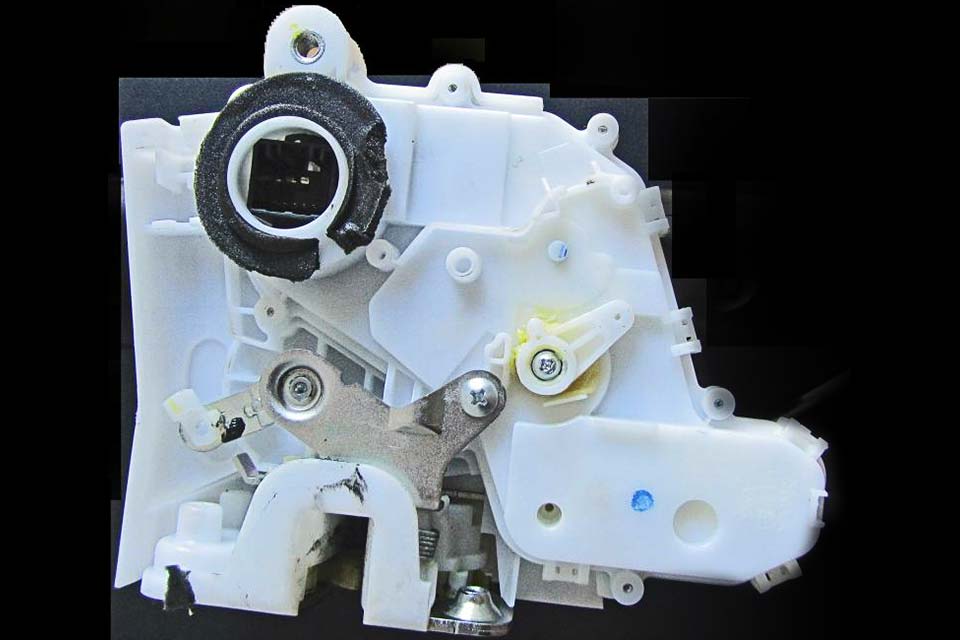
The door lock actuator can fail due to a broken internal gear. This failure causes the power door locks to stop working properly. As a result, the doors may lock or unlock erratically or get stuck in one position.
Safety Risks Involved
A malfunctioning door lock actuator can create safety concerns. Doors that fail to unlock quickly may prevent exit during emergencies. Erratic locking also increases the risk of being accidentally locked out or trapped inside the vehicle.

Credit: www.amazon.com
Symptoms Of Actuator Failure
The door lock actuator is vital for smooth locking and unlocking of your Honda CR-V’s doors. When this part fails, it causes several noticeable problems. Recognizing early symptoms helps prevent further damage and ensures safety. Below are common signs of actuator failure to watch for.
Unusual Noises
One clear sign is strange sounds from the door. Clicking, grinding, or fluttering noises occur when locking or unlocking. These sounds come from a worn or broken gear inside the actuator. Such noises often mean the actuator is struggling or damaged.
Power Lock Malfunctions
The power locks may stop responding to the key fob or door switch. Pressing the lock button might not work at all. Sometimes the lock works only in one direction, either locking or unlocking. This failure shows the actuator is not controlling the lock properly.
Erratic Lock Behavior
Locks may behave unpredictably, locking and unlocking on their own. The door may lock but refuse to unlock or vice versa. This erratic action can confuse drivers and passengers. Erratic locks often indicate internal actuator faults or electrical issues.
Stuck Or Hard-to-open Doors
Doors may become difficult to open from inside or outside. The handle might feel stiff or unresponsive. Even manual unlocking might not work smoothly. This symptom signals a mechanical failure within the actuator or door lock assembly.
Diagnosing The Problem
Diagnosing the door lock actuator issue in your Honda CR-V is the first step toward fixing it. This problem can cause the door locks to behave erratically or stop working completely. Understanding how to test and identify the failure saves time and money. Simple checks can reveal if the actuator is the cause.
Manual Lock Testing
Start by testing the door lock manually. Use the key or the inside lock switch to lock and unlock the door. If the lock moves smoothly without resistance, the mechanical parts are likely fine. Stuck or hard-to-move locks may indicate mechanical problems beyond the actuator. Manual operation helps rule out other issues.
Listening For Mechanical Sounds
Listen carefully when you lock or unlock the door using the power switch or key fob. Clicking, grinding, or fluttering noises inside the door panel often point to a bad actuator. These sounds come from worn or broken gears inside the actuator. No noise at all might mean the actuator motor has failed completely.
Identifying Actuator Failure
Check if the power lock responds to commands. No response or inconsistent locking and unlocking signals actuator failure. Sometimes, the door locks only lock or unlock, not both. This partial failure also suggests actuator problems. Confirming actuator failure usually requires removing the door panel and inspecting the part directly.
Repair And Replacement
Repair and replacement of the Honda CR-V door lock actuator is necessary to restore proper door locking function. The actuator controls the power locks, and failure causes problems like unresponsive locks and strange noises. Replacing the actuator fixes these issues and improves vehicle security.
Actuator repair involves removing the door panel to access the faulty part. Replacement requires installing a new actuator and testing the lock system. Understanding costs, repair options, and necessary parts helps owners decide the best approach.
Cost Of Replacing Actuator
The cost to replace a door lock actuator on a Honda CR-V varies. On average, prices range from $150 to $400. Labor charges at a shop usually add $100 to $200. Parts alone cost about $50 to $150 depending on the model year. Prices may differ by location and service provider.
Diy Vs Professional Repair
DIY repair saves money but needs skill and time. Removing the door panel can be tricky without experience. A professional mechanic ensures correct installation and testing. They also provide warranty on work. Choose DIY only if comfortable with car repairs and have the right tools.
Parts And Tools Needed
Replacing the actuator requires a new door lock actuator specific to the Honda CR-V model. Tools needed include a screwdriver set, panel removal tool, and possibly a socket wrench. A trim clip remover helps avoid damage to door panels. Having all parts and tools ready speeds up the repair process.
Preventive Measures
Taking preventive measures can help you avoid issues with your Honda CR-V door lock actuator. Regular care and attention keep the locking system working smoothly. It also reduces risks of sudden failures that could leave you locked out or cause security problems.
Simple steps and early detection make a big difference. You can protect your vehicle and save on repair costs by acting early. Below are key tips to maintain your door locks and recognize warning signs.
Regular Maintenance Tips
Check door locks often for smooth operation. Clean the lock mechanisms to remove dirt and dust. Use a silicone-based lubricant on moving parts to prevent wear. Avoid forcing locks if they feel stuck; this can cause damage. Keep your key fob batteries fresh to ensure proper signal strength.
Early Warning Signs To Watch
Listen for clicking or grinding sounds when locking or unlocking. Notice if the door lock moves slowly or gets stuck. Observe if the power lock works only sometimes or not at all. Check if the door handle feels hard to use. These signs may indicate the actuator is failing and needs attention.
When To Seek Professional Help
Contact a trusted mechanic if you see any warning signs. Delaying repairs can worsen the problem and increase costs. Professionals can diagnose the exact cause and replace faulty parts safely. They also ensure the door locks function properly after repair. Routine inspections during service visits help catch issues early.

Credit: www.amazon.com
Owner Actions
Taking prompt action as a Honda CR-V owner is essential when a door lock actuator recall is announced. Addressing the issue quickly helps ensure your vehicle’s safety and functionality. Understanding the steps to verify recalls, communicate with Honda, and prepare for repairs will make the process smoother and stress-free.
How To Check For Recalls
Check your vehicle’s identification number (VIN) on the official Honda recall website. This simple step tells if your CR-V is affected. You can also visit the National Highway Traffic Safety Administration (NHTSA) recall page for updates. Entering your VIN will provide detailed recall information for your car.
Contacting Honda Service
Reach out to your nearest authorized Honda dealership for recall assistance. Schedule an appointment to discuss the door lock actuator issue. Have your vehicle’s details ready, including VIN and purchase information. Service advisors will guide you through the process and answer your questions clearly.
What To Expect During Recall Repair
Recall repairs are free of charge and done by trained Honda technicians. The defective door lock actuator will be replaced or repaired. The process usually takes a few hours, depending on the dealer’s schedule. After the repair, your power door locks should work smoothly and reliably again.
Impact On Vehicle Safety
The Honda CR-V door lock actuator recall raises concerns about vehicle safety. A faulty actuator affects the door locking system. This impacts how securely the vehicle protects its occupants and belongings. Understanding the safety risks helps owners take necessary actions quickly.
Risk Of Lock Malfunction
A defective door lock actuator may cause locks to fail. Doors might not lock or unlock properly. This can trap passengers inside or allow unwanted entry. The malfunction can happen unexpectedly, increasing danger during emergencies. Reliable door locks are essential for safe driving and parking.
Potential Security Issues
Faulty actuators weaken vehicle security. Thieves can exploit doors that do not lock securely. This raises the chance of theft or vandalism. Owners risk losing personal items or the vehicle itself. Secure locks provide peace of mind against such threats.
Legal And Insurance Implications
Driving a vehicle with a known recall may lead to legal trouble. Authorities might consider it unsafe or non-compliant. Insurance claims could be denied if the issue causes damage or theft. Timely repair helps avoid penalties and maintains insurance coverage. Taking recalls seriously protects both drivers and their finances.
Credit: www.hondaproblems.com
Frequently Asked Questions
How Much Does It Cost To Replace A Door Lock Actuator On A Honda Cr-v?
Replacing a door lock actuator on a Honda CR-V typically costs between $200 and $400. Labor and parts vary by location.
What Happens When A Door Lock Actuator Goes Bad?
A bad door lock actuator causes power locks to fail, making locks stuck, noisy, or erratic. Manual locks still work.
Is There A Class Action Lawsuit Against Honda Cr-v?
There is currently no active class action lawsuit against the Honda CR-V. Check official sources for updates regularly.
Is The Door Lock Actuator Covered Under Warranty?
Coverage for the door lock actuator under warranty depends on the vehicle’s warranty terms and conditions. Check your Honda CR-V’s warranty details or contact the dealer for confirmation. Typically, defects in materials or workmanship are covered, but wear and tear or damage from misuse usually are not.
What Is The Honda Cr-v Door Lock Actuator Recall About?
The recall fixes faulty door lock actuators causing power lock failures and unusual noises.
Conclusion
The Honda CR-V door lock actuator recall aims to fix common locking problems. Faulty actuators cause strange noises and erratic lock behavior. Ignoring these issues may lead to stuck doors or failed power locks. Checking for recall updates helps keep your vehicle safe and secure.
Visit your local dealer to get the repair done at no cost. Staying informed protects your car and peace of mind. Act quickly to avoid inconvenience and maintain proper door function.