

If you own a Honda CR-V, you need to pay close attention to the door lock actuator recall. This issue isn’t just a minor inconvenience—it can affect your vehicle’s security and your peace of mind.
Imagine your door refusing to lock or unlock properly, or worse, getting stuck unexpectedly. That’s exactly what a faulty door lock actuator can do. You’ll discover what the recall means for you, how to spot the warning signs, and what steps you should take next to keep you and your vehicle safe.
Don’t wait until the problem catches you off guard—read on to protect your Honda CR-V today.

Credit: www.amazon.com
Recall Details
The Honda CR-V door lock actuator recall affects many owners. Understanding the recall details helps you stay safe. It explains which models are involved, why the recall happened, and the timeline for repairs. Read on to learn more about this important safety notice.
Affected Models And Years
The recall covers Honda CR-V models from 2017 to 2019. Both base and higher trims are included. This range means many vehicles on the road may have the faulty actuator. It is essential to check if your car is part of this recall.
Reason For Recall
The door lock actuator can fail unexpectedly. When this happens, the door may not lock or unlock properly. It can also cause the door to get stuck in one position. This failure creates a safety risk, especially when driving or parking. Honda issued the recall to fix this problem quickly and prevent accidents.
Recall Timeline
The recall was announced in early 2023. Honda began notifying owners soon after. Dealers started offering free repairs within weeks. The repair process involves replacing the faulty actuator with a new part. Owners are urged to schedule service as soon as possible. Acting early helps avoid lock issues and keeps the vehicle secure.
Symptoms Of Faulty Actuator
A faulty door lock actuator in your Honda CR-V shows clear signs. These symptoms affect your vehicle’s security and daily convenience. Recognizing these issues early helps you avoid bigger problems and safety risks. Below are common symptoms that indicate a bad actuator.
Unusual Noises
A failing actuator often creates strange sounds inside the door. You might hear grinding, clicking, or whirring when locking or unlocking. These noises mean the internal motor or gears struggle to work properly.
Inconsistent Locking
The door lock may work sometimes but fail at other times. This erratic behavior shows the actuator is losing its ability to lock or unlock reliably. It can leave you unsure if your vehicle is secure.
Stuck Door Mechanism
The door might get stuck in a locked or unlocked position. This happens when the actuator can no longer move the locking parts. Stuck doors cause frustration and can be a safety concern.
Failure To Lock Or Unlock
The door may not respond at all to the key fob or power lock button. This total failure means the actuator motor has likely stopped working. Your vehicle’s locking system becomes unusable until repaired.
Door Handle Issues
Sometimes the interior or exterior door handle stops working properly. A bad actuator can cause the handle mechanism to jam or disconnect. This makes opening or closing the door difficult or impossible.
Dashboard Warning Lights
Faulty actuators can trigger warning lights on the dashboard. The “Door Ajar” light may stay on even if all doors are closed. This alerts you to a problem with the door’s locking system.
Safety Concerns
The Honda CR-V door lock actuator recall raises important safety issues. Faulty actuators may stop doors from locking properly. This can put drivers and passengers at risk. Understanding these safety concerns helps owners take the right steps.
Malfunctioning door locks can create problems beyond just inconvenience. They affect security and the vehicle’s alert systems. These issues can impact your peace of mind and safety on the road.
Risk Of Door Not Locking
A defective door lock actuator may cause the door to stay unlocked. This leaves the vehicle vulnerable to unauthorized entry. It also increases the chance of the door opening while driving. Such failures can lead to accidents or injuries.
Drivers may not realize the door is unlocked until it is too late. This silent risk makes the recall critical for all affected Honda CR-V models.
Potential Security Issues
Broken actuators reduce the security of your vehicle. Thieves can take advantage of doors that do not lock securely. This raises the risk of theft or vandalism. Protecting your car requires reliable locking mechanisms.
Failing door locks may also prevent the alarm from activating. This leaves your vehicle exposed to threats without any warning.
Impact On Vehicle Alarms
Door lock actuators help trigger the vehicle’s alarm system. A malfunction may cause false alarms or prevent the alarm from sounding. False alarms can be annoying and ignored by others. No alarm means no alert during a break-in.
This impact lowers the overall effectiveness of your car’s security system. Fixing the actuator issue restores proper alarm function and improves safety.
Inspection And Diagnosis
Inspecting and diagnosing a Honda CR-V door lock actuator issue requires careful steps. Accurate diagnosis ensures proper repair or replacement. The process involves checking manual functions, electrical power, and sometimes advanced tools. Each step reveals different clues about the actuator’s condition.
Manual Lock Testing
Start by using the key or door lock switch to test the locks manually. Listen for any grinding or clicking sounds inside the door panel. Check if the lock moves smoothly or feels stuck. A stuck or slow lock can indicate a faulty actuator or mechanical issue. Try locking and unlocking multiple times to spot inconsistent behavior.
Electrical Power Checks
Next, test the electrical power to the door lock actuator. Use a multimeter to check voltage at the actuator’s connector. Ensure the car’s battery has enough charge to power the locks. Look for broken wires or loose connections in the door wiring harness. Faulty wiring can cause the actuator to malfunction or stop working altogether.
Professional Diagnostic Tools
Professional mechanics use scan tools to read error codes from the vehicle’s computer. These tools can identify actuator problems or related electrical faults. Some advanced tools allow testing the actuator function remotely. This method helps confirm if the actuator needs replacement or if another part causes the issue.
Repair And Replacement
Repair and replacement are key steps after a Honda CR-V door lock actuator recall. Addressing the faulty actuator ensures your vehicle’s door locks work safely and smoothly. Ignoring these repairs can lead to door lock failures or security risks. Understanding the repair process helps you make informed decisions.
Replacing a door lock actuator involves several tasks. From removing the door panel to installing the new actuator, the process requires care and precision. Knowing the costs and whether to choose DIY or professional service makes the repair easier.
Actuator Replacement Process
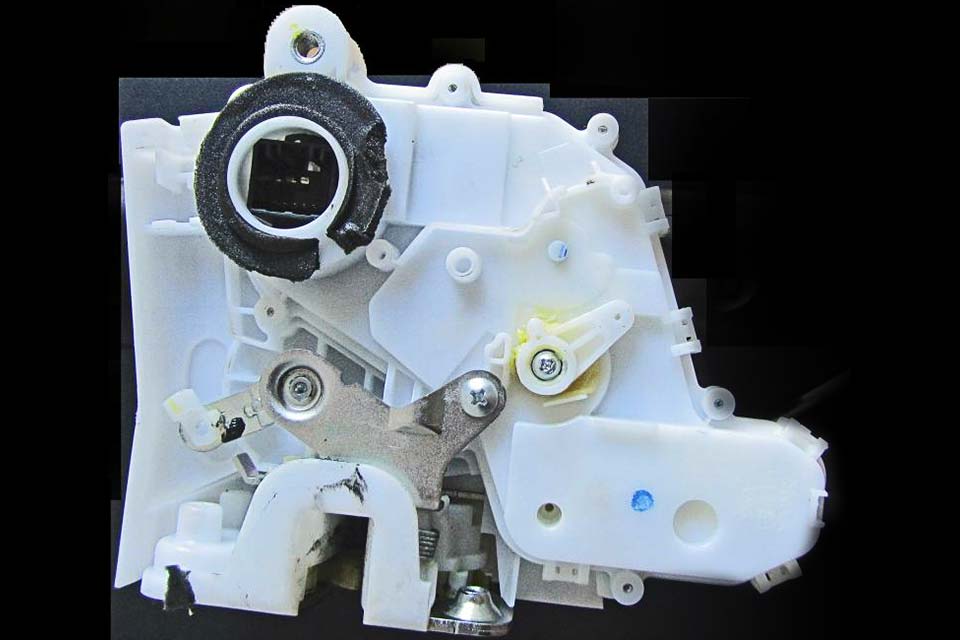
The replacement starts by removing the door panel carefully. Disconnect the electrical connectors linked to the old actuator. Unscrew and remove the faulty actuator from the door frame. Install the new actuator by reversing the removal steps. Test the door lock to ensure proper operation before reassembling the panel.
Cost Estimates
Cost depends on parts and labor rates. A new actuator typically costs between $50 and $150. Labor fees may range from $70 to $200, depending on the service provider. Total repair costs usually fall between $120 and $350. Prices may vary by location and dealer rates.
Diy Vs Professional Service
DIY repair saves money but requires tools and skills. Mistakes can cause further damage or safety issues. Professional service offers expert installation and warranty on work. It ensures the repair meets safety standards. Choosing professional repair reduces risks and provides peace of mind.

Credit: www.amazon.com
Preventive Measures
Taking preventive measures can protect your Honda CR-V from door lock actuator problems. Early care helps avoid costly repairs and ensures your doors function properly. Simple actions maintain the locking system and keep you safe.
Regular checks and attention to door locks reduce the risk of actuator failure. Knowing signs to watch and when to get professional help is vital for all Honda CR-V owners.
Regular Maintenance Tips
Clean the door locks regularly to prevent dirt buildup. Use a silicone-based lubricant on moving parts to keep them smooth. Check the door seals to avoid moisture entering the actuator. Test all door locks monthly to ensure they work correctly. Replace worn or damaged parts immediately to prevent further issues.
Early Warning Signs To Watch
Listen for strange noises like grinding or clicking inside the door. Notice if the door locks sometimes fail or work inconsistently. Watch for doors that get stuck locked or unlocked. Observe if the power lock button or key fob stops responding. Pay attention to the “Door Ajar” warning light when the door is closed.
When To Seek Service
Visit a certified mechanic if you hear unusual noises from the door locks. Get professional help when locks act irregularly or fail to respond. Contact service if the door handle feels loose or does not work. Schedule repairs immediately if the “Door Ajar” light stays on. Do not ignore any signs of actuator problems for your safety.
Recall Process
The recall process for the Honda CR-V door lock actuator ensures your vehicle’s safety and proper function. The manufacturer identifies the issue and notifies owners about the recall. The process involves checking your car’s recall status, scheduling a free repair, and understanding dealer duties. Follow these steps carefully to fix the door lock actuator problem.
How To Check Recall Status
Start by visiting Honda’s official recall website. Enter your vehicle identification number (VIN) to see if your CR-V is affected. You can also call Honda customer service for assistance. Checking recall status is free and quick. It confirms if your vehicle needs repair under the recall.
Scheduling A Recall Repair
Once confirmed, contact your local Honda dealer to book a repair appointment. The repair is free of charge and uses original Honda parts. The dealer will replace the faulty door lock actuator. Scheduling early helps avoid further issues with your door locks. Repairs usually take a few hours, depending on your dealer’s schedule.
Dealer Responsibilities
Honda dealers must perform recall repairs at no cost to you. They will inspect your vehicle and replace the defective parts. Dealers provide a safe and reliable repair service. They also update your vehicle’s recall record in Honda’s system. Your safety and satisfaction are their priority during the recall service.
Owner Experiences
Many Honda CR-V owners have shared their experiences with the door lock actuator recall. These stories reveal the real impact of the issue on daily driving. Understanding owner feedback helps potential buyers and current owners stay informed.
Issues with the door lock actuator often lead to frustration and inconvenience. Owners describe problems ranging from annoying noises to complete lock failure. These firsthand accounts give insight into the recall’s importance.
Common Complaints
Owners frequently report strange sounds like clicking or grinding inside the door. Many say the locks work irregularly, sometimes failing to respond to the key fob or buttons. Others mention doors getting stuck locked or unlocked, creating safety concerns. Some drivers notice the “Door Ajar” warning light stays on, even when doors are closed. These issues disrupt daily use and cause worry about vehicle security.
Customer Service Feedback
Feedback on Honda’s customer service varies among owners. Some praise quick responses and free repairs through the recall. Others express frustration with long wait times for parts or appointment availability. A few owners mention unclear communication from dealerships. Overall, many appreciate the recall effort but hope for smoother service.
Community Advice
Owners advise checking your vehicle for symptoms regularly. They suggest contacting your local dealer immediately if you notice strange noises or lock problems. Sharing experiences in online forums helps others spot early signs. Many recommend keeping your vehicle updated on recall repairs to avoid further issues. Staying informed and proactive keeps drivers safe and vehicles reliable.
Credit: www.hondaproblems.com
Frequently Asked Questions
How Much Does It Cost To Replace A Door Lock Actuator On A Honda Cr-v?
Replacing a door lock actuator on a Honda CR-V typically costs between $150 and $300. Prices vary by location and labor fees. Parts usually range from $50 to $150. Labor costs depend on mechanic rates and complexity. Getting a detailed quote ensures accurate pricing.
What Happens When A Door Lock Actuator Goes Bad?
A bad door lock actuator causes grinding noises, inconsistent locking, or complete power lock failure. Doors may get stuck locked or unlocked. The “Door Ajar” light can stay on, and door handles might stop working. Replacing the actuator usually fixes these issues.
What Year Is The Honda Cr-v Being Recalled?
The Honda CR-V door lock actuator recall affects 2017 and 2018 model years. Owners should check for recall notices.
Is A Lock Actuator Covered Under Warranty?
A lock actuator may be covered under warranty if the defect occurs within the warranty period. Check your vehicle’s warranty terms for specific coverage details.
What Is The Honda Cr-v Door Lock Actuator Recall About?
The recall fixes faulty door lock actuators that cause locking and unlocking problems.
Conclusion
The Honda CR-V door lock actuator recall is important for safety. Faulty actuators cause strange noises and locking problems. Ignoring these issues can lead to stuck doors or security risks. Check if your vehicle is part of the recall to avoid trouble.
Visit your local dealer to get the actuator fixed at no cost. Staying informed helps protect you and your passengers. Act quickly to ensure your door locks work properly. Safety should always come first in every drive.