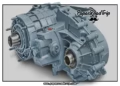


If you own a Honda CR-V, you might be wondering about the reliability of its CVT transmission. You’re not alone—many drivers have faced issues that affect their vehicle’s performance and safety.
From sudden slipping to strange noises, these problems can catch you off guard and lead to costly repairs. But what causes these transmission troubles, and how can you spot the warning signs early? You’ll discover the most common Honda CR-V CVT transmission problems, how to prevent them, and what steps to take if you notice something’s wrong.
Keep reading to protect your investment and keep your CR-V running smoothly for miles to come.
Common Cvt Issues
The Honda CR-V’s CVT transmission offers smooth driving and good fuel efficiency. Yet, some common issues may arise with this system. Understanding these problems helps owners spot troubles early.
CVT problems often stem from overheating, fluid issues, and mechanical wear. These faults can cause poor performance and costly repairs if ignored. Knowing the signs can prevent bigger damage.
Overheating Effects
Excess heat harms the CVT fluid’s quality. This damage reduces lubrication and causes internal parts to wear faster. Overheating may lead to slipping and loss of power. Avoid heavy loads and stop if the transmission feels too hot.
Fluid Contamination
Dirty or old CVT fluid can cause harsh shifting and jerking. Contaminated fluid carries debris that wears down belts and pulleys. Regular fluid changes keep the system clean and working smoothly. Check fluid levels often and replace as recommended.
Belt And Pulley Wear
The CVT uses a belt and pulleys to change speeds. Over time, these parts may wear or stretch. Worn belts cause delayed acceleration and strange vibrations. Pulley damage affects smooth gear changes. Early replacement prevents bigger failures.
Whining Noises
Whining or humming sounds from the transmission usually mean bearing or gear wear. These noises often grow louder with use. Ignoring them risks severe mechanical damage. Have a mechanic inspect any unusual sounds promptly.
Mechanical Failures
Serious CVT problems include belt breakage or pulley failure. These mechanical faults can stop the vehicle from moving. Repairing may require full transmission replacement. Proper care and timely maintenance reduce these risks significantly.

Credit: www.youtube.com
Symptoms To Watch For
Recognizing early signs of CVT transmission problems in your Honda CR-V is crucial. These symptoms help catch issues before they worsen. Watch your vehicle carefully for unusual behaviors. Noticing symptoms early can save you from costly repairs.
Juddering And Slipping
Your CR-V may feel like it’s shaking or slipping during acceleration. This juddering happens when the CVT belt struggles to maintain grip. Slipping causes a loss of smooth power delivery. It feels like the engine races but the vehicle moves slower.
Delayed Acceleration
The vehicle may hesitate before speeding up after pressing the gas pedal. This delay shows the transmission is not responding properly. It can make driving unsafe, especially when merging or passing. The delay often worsens over time.
Loud Humming Sounds
You might hear a loud humming or whining noise from the transmission area. This sound often means worn bearings or other internal parts. The noise usually increases with engine speed. Ignoring it can lead to bigger transmission damage.
Jolting During Shifts
The CR-V may jerk or jolt when changing speeds. Instead of smooth shifts, you feel sudden movements. Jolting is a sign the CVT is struggling to adjust the belt and pulleys. This issue can cause discomfort and harm other parts.
Fluctuating Rpms
The engine RPMs may rise and fall unexpectedly while driving. This fluctuation shows the CVT is not holding steady ratios. It causes uneven power and can confuse the vehicle’s control systems. Watch for sudden RPM changes without speed increase.
Transmission Fluid Leaks
Check under your car for reddish fluid spots. Leaking transmission fluid reduces lubrication and cooling. Low fluid levels can cause overheating and internal wear. Regularly inspect and fix leaks promptly to protect the transmission.
Maintenance Tips
Proper maintenance helps prevent Honda CR-V CVT transmission problems. Simple care steps keep the transmission running smoothly and extend its life. Regular checks and using the right products protect against costly repairs.
Following Service Schedules
Stick to Honda’s recommended service intervals. Scheduled maintenance includes fluid changes and inspections. This helps catch issues early before damage occurs. Skipping services increases the risk of transmission problems.
Preventing Overheating
Overheating damages the CVT fluid and parts. Avoid heavy towing or driving in extreme heat for long periods. Give the engine breaks in stop-and-go traffic. Keep the cooling system working well to reduce heat buildup.
Using Correct Cvt Fluid
Always use the fluid specified by Honda. The wrong fluid can cause slipping and wear. Fresh, clean CVT fluid lubricates and cools the transmission. Change the fluid at recommended intervals to maintain performance.
Regular Leak Inspections
Check for fluid leaks under the vehicle often. Low fluid levels cause slipping and overheating. Look for wet spots or stains where you park. Fix leaks quickly to avoid transmission damage and costly repairs.
Professional Inspections
Have a trusted mechanic inspect the transmission yearly. Experts can spot early signs of wear or failure. They test fluid condition and check belt and pulley health. Timely professional checks help keep the CVT running well.
Repair Options
Repairing a Honda CR-V CVT transmission requires understanding the type of problem first. Different issues call for different repair methods. Some problems are minor and easy to fix. Others may need more extensive work or part replacements. Choosing the right repair option can save time and money. It also helps keep your vehicle running smoothly.
Fluid Replacement
CVT fluid plays a key role in transmission health. Over time, the fluid breaks down and loses its effectiveness. Replacing the fluid can restore smooth shifting and reduce slipping. This repair is simple and affordable. It also helps prevent bigger problems from developing. Regular fluid changes are recommended every 30,000 to 50,000 miles.
Belt And Pulley Repairs
The CVT uses a belt and pulley system to change gears. Wear or damage to these parts causes slipping and delayed acceleration. Repairing or replacing the belt and pulleys can fix these symptoms. This work is more complex than fluid changes but often avoids a full transmission rebuild. Early detection of belt issues is important to prevent failure.
Transmission Rebuilds
A rebuild involves disassembling the transmission to replace worn or broken parts. This option suits severe internal damage or persistent problems. Rebuilding can restore transmission function without full replacement. It costs more than fluid or belt repairs but is cheaper than a new transmission. Skilled mechanics should handle rebuilds for best results.
When To Replace The Transmission
Transmission replacement is the last option. Choose this when repairs and rebuilds fail or damage is extensive. Signs include constant slipping, strange noises, and sudden power loss. Replacement ensures reliability but has the highest cost. Consider this only after all repair options are exhausted. A trusted mechanic can help decide the best course.
Driving Habits To Protect Cvt
Protecting your Honda CR-V’s CVT transmission starts with smart driving habits. These habits reduce stress on transmission parts and extend their life. Careful driving helps prevent common CVT problems like overheating and belt wear. Follow these simple tips to keep your transmission running smoothly.
Avoiding Aggressive Driving
Aggressive driving puts extra strain on the CVT system. Hard acceleration and sudden stops cause the belt and pulleys to wear faster. Drive gently and avoid rapid throttle changes. Smooth driving reduces heat buildup inside the transmission. This lowers the risk of early failure and costly repairs.
Managing Heat Exposure
High temperatures harm CVT fluid and components. Avoid driving in extreme heat for long periods. Use your air conditioner wisely to keep engine and transmission temperatures down. Park in shaded areas when possible. Let your vehicle cool before heavy driving or towing to protect the transmission.
Smooth Acceleration Practices
Accelerate gradually to reduce stress on the CVT belt. Avoid flooring the gas pedal from a stop. This prevents belt slippage and pulley damage. Maintain steady speeds on highways to keep transmission fluid temperature stable. Gentle acceleration helps the CVT work efficiently and last longer.

Credit: www.shadetreeautomotive.net
Honda Cvt Reliability Over Time
Honda continuously refines its CVT transmissions to improve reliability over time. Early models faced challenges like overheating and belt wear. Over the years, Honda addressed these issues with better materials and engineering. Today’s CVTs offer smoother performance and longer service life for the CR-V.
Regular maintenance plays a key role in keeping the CVT reliable. Proper fluid changes and gentle driving habits help prevent common problems. Understanding how the transmission ages can help owners spot issues early. This knowledge supports better care and fewer costly repairs.
Performance Improvements
Honda enhanced CVT designs to reduce heat buildup. Newer models use stronger belts and improved pulleys. These upgrades lead to smoother acceleration and less noise. Software updates also help optimize shifting patterns. The result is better fuel efficiency and driving comfort.
Common Longevity Issues
Despite improvements, some problems still appear over time. Heat can break down CVT fluid, causing slipping or juddering. Belt wear may cause delayed acceleration or unusual noises. Contaminated fluid often leads to rough shifting. Early attention to these signs prevents bigger failures.
Comparisons With Other Cvt Brands
Honda’s CVT transmissions tend to be more durable than many competitors. Some brands face more frequent belt failures or overheating. Honda’s focus on quality materials helps extend transmission life. Still, proper maintenance is crucial across all CVT types. Drivers choosing Honda benefit from a solid reputation for reliability.

Credit: lemonlawexperts.com
Frequently Asked Questions
Do The Honda Cvt Transmissions Have Problems?
Honda CVT transmissions may experience issues like overheating, fluid breakdown, and belt wear. Proper maintenance and fluid changes improve reliability. Watch for symptoms such as slipping, juddering, whining noises, or delayed acceleration. Regular service and professional inspections help prevent costly repairs and extend transmission life.
What Year Does The Honda Cr-v Have Transmission Problems?
The 2015-2016 Honda CR-V models commonly face CVT transmission problems. Issues include slipping, juddering, and overheating. Regular maintenance and fluid changes can reduce risks.
How Long Will A Honda Cr-v Cvt Transmission Last?
A Honda CR-V CVT transmission typically lasts 150,000 to 200,000 miles with proper maintenance. Regular fluid changes and gentle driving extend its lifespan.
Which Crv To Stay Away From?
Avoid early 2015-2016 Honda CR-V models with CVT transmissions due to overheating and belt wear issues. Regular maintenance helps.
What Are Common Honda Cr-v Cvt Transmission Problems?
Common issues include overheating, fluid breakdown, belt or pulley wear, slipping, and whining noises.
Conclusion
Honda CR-V CVT transmission issues can affect driving comfort and safety. Watch for signs like slipping, noises, or delayed acceleration. Regular fluid changes and gentle driving help keep the transmission healthy. Early checks by a mechanic can prevent costly repairs later.
Staying informed and caring for your vehicle ensures better performance and peace of mind. Take action at the first sign of trouble to protect your Honda CR-V’s transmission.