If you own a Honda Civic, you know how important it is for your door locks to work smoothly every time. But what happens when your door locks start acting up?
You might find yourself struggling to lock or unlock your car, feeling frustrated and worried about your vehicle’s security. Door lock problems aren’t just an inconvenience—they can affect your daily routine and peace of mind. You’ll discover the most common Honda Civic door lock issues, why they happen, and simple steps you can take to fix them.
Keep reading to make sure your Civic’s door locks never leave you stranded or stressed again.
Credit: www.8thcivic.com
Common Causes Of Door Lock Issues
Door lock problems in the Honda Civic can cause frustration and safety concerns. Understanding the common causes helps to identify and fix these issues quickly. Several factors often lead to door lock malfunctions. These include problems with the key fob, the door lock actuator, the lock tumblers, and the electrical system. Each factor affects the door locks differently and requires specific attention.
Key Fob Battery Problems
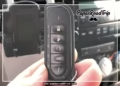
The key fob controls the locking system remotely. A weak or dead battery in the key fob can stop it from sending signals to the car. This causes the locks to respond slowly or not at all. Replacing the battery often solves this problem. It is a simple and cost-effective fix.
Faulty Door Lock Actuator
The door lock actuator is a small motor inside the door. It moves the lock mechanism when you press the key fob or the lock button. If the actuator fails, the door locks may not work properly. Common signs include strange noises or locks that do not move. Replacing the actuator usually restores proper function.
Worn Door Lock Tumblers
Door lock tumblers wear out over time due to repeated use. When they wear, the key may not turn smoothly or the lock may stick. This can prevent the door from locking or unlocking. Cleaning or replacing the tumblers can fix these issues. Regular maintenance helps to avoid this problem.
Electrical System Glitches
The door locks rely on the car’s electrical system to work correctly. Wiring problems, blown fuses, or faulty control modules can cause the locks to fail. Electrical glitches may make the locks work intermittently or stop working completely. Diagnosing electrical faults requires a professional scan and repair.
Symptoms Of Door Lock Failures
Door lock failures in a Honda Civic show clear signs before total breakdown. Recognizing these symptoms helps prevent getting stuck or locked out. Watch for unusual sounds, inconsistent locking, or doors that refuse to move. Early detection saves time and repair costs.
Grinding Noises When Locking
Grinding sounds appear during lock or unlock attempts. These noises come from worn gears inside the door lock actuator. The sound signals mechanical parts struggling or breaking. Ignoring grinding leads to complete lock failure and costly repairs.
Erratic Lock Responses
Locks sometimes respond, sometimes do not. The door lock may lock or unlock on its own. This erratic behavior shows electrical or actuator problems. It also points to issues with the key fob or wiring. Erratic locks cause frustration and reduce vehicle security.
Doors Stuck Locked Or Unlocked
Doors that stay locked or unlocked cause major inconvenience. A stuck lock often means a broken actuator or jammed mechanism. Sometimes the door won’t lock despite pressing the button. Stuck doors can trap passengers or leave the car unsecured.
Multiple Attempts Needed To Lock Or Unlock
Locking or unlocking requires pressing the button several times. This delay shows a failing actuator or weak electrical signals. The system struggles to complete the command quickly. Multiple attempts increase wear on the lock system and drain the key fob battery faster.
Quick Fixes For Door Lock Problems
Door lock problems in a Honda Civic can cause frustration and inconvenience. Quick fixes often resolve these issues without needing professional help. These simple steps help restore proper function fast. Follow these easy solutions to get your door locks working again.
Replacing The Key Fob Battery
A dead key fob battery is a common reason for door lock failures. Replace the battery with a new one that matches your key fob model. Open the key fob carefully using a small screwdriver or coin. Remove the old battery and insert the new battery with the correct polarity. Test the key fob to ensure it sends signals properly to your Civic.
Lubricating Door Lock Mechanisms
Door lock parts can become stiff or stuck over time. Use a silicone-based lubricant to ease movement inside the lock. Spray the lubricant into the keyhole and around the door latch. Avoid oil-based sprays as they attract dirt and dust. Move the lock and handle several times to spread the lubricant evenly. This often restores smooth locking and unlocking.
Resetting Door Lock Systems
Electronic door lock systems may need resetting to fix glitches. Sit inside your Honda Civic and close all doors. Turn the ignition to the ON position without starting the engine. Press and hold the lock and unlock buttons on the key fob simultaneously for about 10 seconds. Release the buttons and turn off the ignition. Test the locks to check if the reset worked.
Checking And Replacing Fuses
Blown fuses can cause door locks to stop working. Locate the fuse box inside your Honda Civic, usually under the dashboard or in the engine compartment. Use the owner’s manual to find the fuse related to power door locks. Remove the fuse and inspect it for damage. Replace it with a fuse of the same amperage if it is blown. Test the door locks after replacing the fuse to confirm the issue is fixed.

Credit: www.youtube.com
Testing The Door Lock Actuator
Testing the door lock actuator is essential for diagnosing Honda Civic door lock problems. The actuator controls the locking and unlocking of your car doors. Faulty actuators often cause doors to lock inconsistently or not at all. Accurate testing can identify whether the actuator needs repair or replacement. This step saves time and money by avoiding unnecessary parts changes.
Using A Multimeter To Check Power
Start by disconnecting the door panel to access the actuator. Use a multimeter to test the electrical power at the actuator’s connector. Set the multimeter to measure voltage. Press the lock and unlock buttons while observing the reading. A healthy actuator should receive about 12 volts. No voltage or a fluctuating reading means a wiring or switch problem. Consistent power with no actuator response points to a faulty actuator.
Identifying Actuator Grinding Sounds
Listen carefully when locking or unlocking the door. Grinding or clicking noises often come from a damaged actuator gear. These sounds indicate worn or broken internal parts. The actuator may try to move but cannot fully engage the lock mechanism. Grinding noises suggest mechanical failure inside the actuator. This symptom confirms the need for actuator replacement.
When To Replace The Actuator
Replace the actuator if it receives power but does not operate correctly. Mechanical noises and failure to lock or unlock are clear signs. Also replace it if the actuator causes the door lock to work intermittently. Ignoring a bad actuator can lead to door lock failure. A new actuator restores reliable locking function and peace of mind.
Diy Troubleshooting Tips
DIY troubleshooting can save time and money for Honda Civic owners facing door lock problems. Understanding simple repair steps helps restore your door locks quickly. Basic tools and a bit of patience go a long way. Follow these tips carefully to identify and fix common issues on your own.
Manual Lock And Unlock Techniques
Start by testing manual lock and unlock functions. Use the key to turn the lock cylinder gently. Check if the door lock moves smoothly or feels stuck. Try locking and unlocking from inside using the door switch. Notice any resistance or unusual sounds. These checks reveal mechanical or electrical problems early.
Inspecting Door Lock Linkages
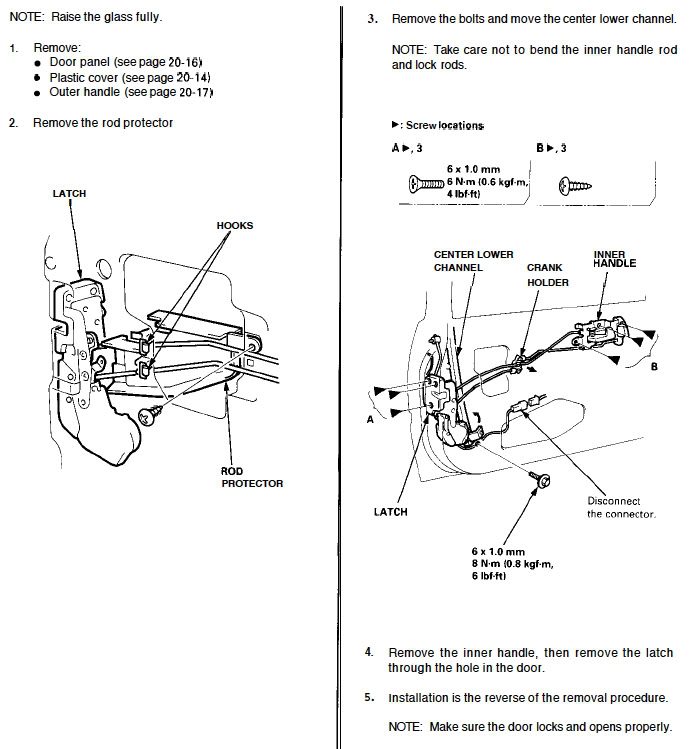
Remove the inner door panel to access the lock linkages. Look for loose or disconnected rods connecting the lock to the handle. Bent or broken rods cause lock failure. Adjust or replace damaged parts carefully. Ensure linkages move freely without obstruction. Proper alignment helps the lock engage correctly every time.
Cleaning And Maintaining Lock Components
Dirt and grime build-up can block lock mechanisms. Use a clean cloth to wipe dirt from visible parts. Spray a small amount of silicone lubricant inside the lock cylinder. Avoid oil-based lubricants that attract dust. Regular cleaning prevents jams and extends the lock’s life. Perform this maintenance every few months for best results.
Credit: www.hondacivicforum.com
When To Seek Professional Help
Knowing when to seek professional help for Honda Civic door lock problems saves time and prevents further damage. Some issues appear minor but may hide deeper problems. Early diagnosis by a skilled technician ensures proper repair and safety. Below are key signs you should not ignore.
Persistent Lock Failures
Repeated lock failures indicate a serious problem beyond simple fixes. If your door locks stop working frequently or only respond sporadically, professional help is needed. This prevents complete lock system failure that could leave you stranded or vulnerable.
Complex Electrical Issues
Modern Honda Civics use advanced electrical systems for door locking. If you notice flickering lock lights, unresponsive remote controls, or strange sounds, electrical faults may be present. These issues require expert diagnostic tools and skills to repair correctly.
Replacing Door Lock Assemblies
Sometimes, replacing the entire door lock assembly is the best solution. This task involves dismantling door panels and handling delicate parts. Professionals ensure proper installation and alignment, avoiding damage to other door components.
Frequently Asked Questions
How Do You Reset A Honda Door Lock?
To reset a Honda door lock, use the key fob to lock and unlock the doors twice. Then, insert the key into the driver’s door and turn it to unlock. This recalibrates the system. If issues persist, replace the key fob battery or consult a professional locksmith.
Why Is My Honda Civic Door Not Locking?
Your Honda Civic door may not lock due to a weak key fob battery, faulty door lock actuator, or worn tumblers. Electrical issues and damaged wiring can also cause locking failures. Check the key fob battery first and inspect door lock components for damage or wear.
What Is The Most Common Problem With A Honda Civic?
The most common Honda Civic problem is transmission issues, especially with CVTs. Engine troubles like oil consumption and misfires also occur frequently. Electrical glitches, brake wear, and door lock failures are other typical complaints among owners.
How Do I Know If My Door Lock Actuator Is Bad?
Listen for unusual noises when locking or unlocking. Check if doors fail to lock or unlock consistently. Inspect for slow or unresponsive door lock operation. Electrical issues or blown fuses may indicate a bad actuator. Test with a multimeter to confirm actuator function.
Why Are My Honda Civic Door Locks Not Working?
Weak key fob batteries or blown fuses often cause door locks to stop working.
Conclusion
Honda Civic door lock problems can disrupt daily routines. Common causes include worn key fob batteries and faulty actuators. Regular checks help spot issues early and prevent bigger repairs. Addressing problems quickly keeps your car secure and functioning well. Understanding symptoms lets you choose the right fix without guesswork.
Stay alert to unusual noises or inconsistent locking. Taking action saves time, money, and stress in the long run. Keep your Honda Civic safe by maintaining its door locks properly.