If you’re using a Holley 670 Street Avenger carburetor, you might have noticed some frustrating issues that affect your engine’s performance. Maybe your engine hesitates when you hit the throttle, or it struggles to start when hot.
These problems can leave you wondering what’s wrong and how to fix it. The good news is, you’re not alone—and many of these common Holley 670 Street Avenger problems have straightforward solutions. You’ll discover what causes these issues and how to troubleshoot them step-by-step, so your engine runs smooth and strong every time you drive.
Keep reading to get your carburetor back in top shape without the guesswork.
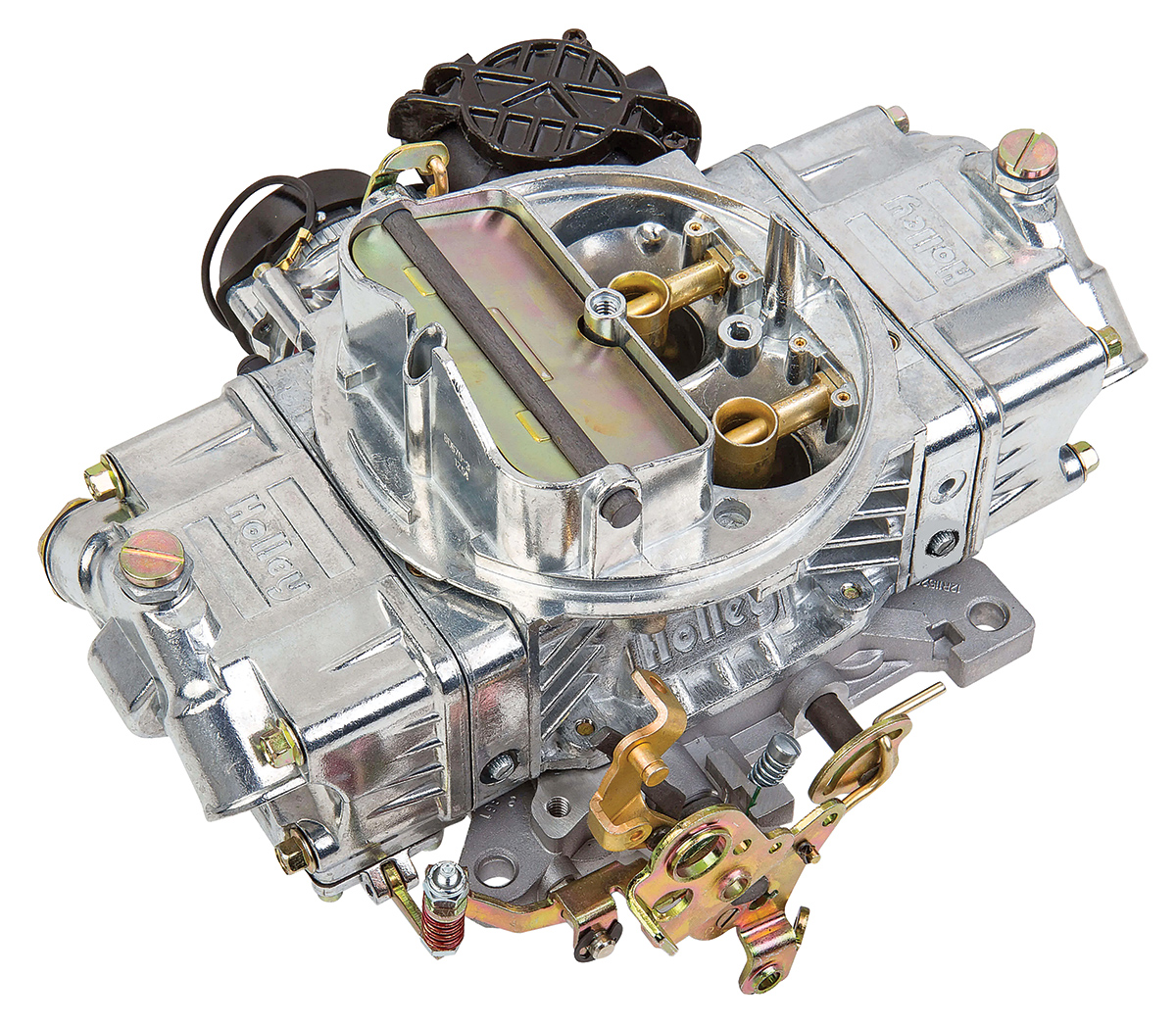
Credit: www.opgi.com
Hot Start And Flooding
The Holley 670 Street Avenger carburetor sometimes faces hot start and flooding issues. These problems cause the engine to struggle during warm starts or flood with fuel. Understanding the causes helps fix the problem quickly. Proper maintenance and setup reduce these common troubles.
Causes Of Hard Hot Starts
Hard hot starts happen when the engine is warm and hard to start. Excessive fuel pressure can flood the engine, making it difficult to ignite. Heat can cause fuel to vaporize inside the carburetor, leading to fuel boil and flooding. These issues stop the engine from starting smoothly after running.
Fuel Pressure Issues
Fuel pressure that is too high pushes too much fuel into the carburetor. This causes flooding and rough starts. A fuel pressure regulator that is faulty or missing can cause this. Checking and adjusting fuel pressure to the correct level is important. Proper fuel pressure keeps the carburetor working well and prevents flooding.
Needle And Seat Maintenance
The needle and seat control fuel flow into the carburetor bowl. Dirt or wear can cause them to stick or leak fuel. Ethanol in modern fuels can cause the needle to swell or the seat to harden. This creates a constant flood of fuel. Cleaning and replacing these parts regularly stops flooding and helps the engine start easily.
Using A Venelli Spacer
A Venelli spacer fits between the carburetor and intake manifold. It helps reduce heat transfer to the carburetor. Less heat means less chance of fuel boiling inside the carburetor. Installing this spacer lowers hot start problems and flooding. It also improves overall carburetor performance during warm engine starts.
Off-idle Stumble
The Holley 670 Street Avenger is a popular carburetor but may show off-idle stumble issues. This problem feels like a hesitation or lag when you press the gas pedal from a stop. It can cause poor throttle response and rough engine running. Several factors can cause this problem, mostly related to fuel delivery and timing. Troubleshooting these areas helps restore smooth off-idle acceleration.
Accelerator Pump Problems
The accelerator pump supplies extra fuel when the throttle opens quickly. If it malfunctions, the engine hesitates or stumbles. Check if the pump squirts fuel from both discharge nozzles. Dry squirts or uneven flow cause lean spots. Adjust the pump linkage to ensure full travel. Replace worn pump diaphragms or cups that leak fuel.
Checking Fuel Delivery
Fuel flow must be steady and enough for acceleration. Low fuel pressure or blocked passages cause stumble. Inspect the fuel lines and filters for clogs. Verify the fuel bowl level is correct. A weak fuel pump or dirty needle and seat can disrupt flow. Clean or replace parts as needed to maintain proper fuel supply.
Throttle Blade Adjustments
Throttle blades control air entering the carburetor. Incorrect blade position can cause off-idle bogging. Adjust the primary and secondary blades for smooth opening. Ensure the blades open fully without sticking. Fine-tune the idle speed screw to balance air and fuel mix. Proper blade settings improve throttle response.
Timing Verification
Ignition timing affects how the engine burns fuel. Incorrect timing causes hesitation and stumble. Use a timing light to check initial and mechanical advance settings. Adjust timing to manufacturer specs for the Holley 670. Proper timing ensures fuel ignites at the right moment for smooth acceleration.
Accelerator Pump Check Valve
The check valve inside the accelerator pump controls fuel flow direction. A faulty valve leaks fuel back, reducing pump effectiveness. Remove and test the check valve for proper sealing. Replace it if it is cracked, stuck, or worn. A good check valve ensures strong fuel squirt when opening the throttle.
Bogging And Lean Conditions
Bogging and lean conditions are common issues with the Holley 670 Street Avenger carburetor. These problems cause the engine to hesitate or lose power during acceleration. The engine may feel weak or stall, especially at low speeds or when you press the gas pedal. Understanding the causes helps fix the problem quickly and keep the engine running smoothly.
Blocked Air Bleeds
Air bleeds control the air flow inside the carburetor. If they become blocked, the fuel mixture turns too rich or too lean. Blocked air bleeds cause the engine to bog down and hesitate. Dirt, varnish, or debris often block these small passages. Checking air bleeds is one of the first steps in diagnosing lean conditions.
Cleaning Air Bleeds
Cleaning air bleeds requires careful attention. Use carburetor cleaner and compressed air to clear any blockages. Avoid using sharp tools that can enlarge or damage the passages. Cleaning restores proper air flow and helps the carburetor deliver the right fuel mixture. Regular cleaning prevents future bogging and lean conditions.
Secondary Vacuum Spring Tuning
The secondary vacuum spring controls when the secondary throttle plates open. If the spring is too light, the secondaries open too quickly, causing a lean condition. A heavier spring slows the opening, giving the engine time to get the right fuel mixture. Adjusting or replacing the spring improves throttle response and reduces bogging.
Mechanical Timing Effects
Mechanical ignition timing affects how the engine burns fuel. Incorrect timing can cause lean conditions and bogging. Advancing or retarding the timing changes engine performance. Check the timing with a timing light and adjust according to the engine’s specifications. Proper timing ensures smooth acceleration and reduces hesitation.
Credit: documents.holley.com
Fuel Level And Float Issues
The Holley 670 Street Avenger carburetor often shows fuel level and float issues. These problems affect engine performance and fuel efficiency. Correct fuel level is vital for smooth running. Float and needle parts control fuel flow inside the carburetor. Any faults here cause flooding, stalling, or hesitation. Understanding these components helps diagnose and fix common troubles.
Float Height Settings
The float height controls fuel level inside the carburetor bowl. If set too high, the carburetor floods. Too low, the engine starves for fuel. Float height needs precise adjustment to match engine needs. Incorrect settings cause poor running or hard starts. Measuring the float height with a gauge ensures proper fuel level. Small changes can make a big difference in performance.
Worn Needle And Seat Effects
The needle and seat regulate fuel entering the carburetor bowl. Worn parts allow too much fuel to flow. This leads to flooding and rich running conditions. Fuel leaks can cause rough idling and smoke from the exhaust. Replacing the needle and seat restores tight fuel control. Ethanol fuel can cause these parts to stick or wear faster. Regular inspection prevents these common failures.
Debris And Contamination
Debris in the fuel damages the float and needle operation. Dirt or varnish blocks the needle seat, causing fuel leaks. Contaminants prevent the float from moving freely. This leads to erratic fuel levels and engine problems. Cleaning the carburetor and fuel system regularly is crucial. Using clean fuel and filters reduces contamination risks. Keeping these parts clean ensures steady fuel supply and better engine response.
Throttle And Linkage Adjustments
The throttle and linkage adjustments on the Holley 670 Street Avenger carburetor play a critical role in engine performance. Improper settings often cause hesitation, bogging, or poor throttle response. Fine-tuning these parts helps smooth acceleration and eliminates common drivability issues.
Understanding how to set the secondary throttle blades and accelerator pump linkage is key. Each adjustment impacts fuel flow and throttle opening speed. Small errors can lead to off-idle stumbles or flat spots during acceleration. Careful calibration ensures the carburetor works in harmony with the engine’s demands.
Secondary Throttle Blade Settings
The secondary throttle blades control air and fuel flow during higher RPMs. If these blades open too fast or too slow, the engine may hesitate or bog down. Adjust the tension on the secondary spring to control blade opening speed. A heavier spring slows the blades, preventing sudden bogs in heavier vehicles.
Check that the blades open fully under wide-open throttle. Partial opening reduces power and causes lean conditions. Use a screwdriver to gently adjust the blade position. Test the throttle response after each change to find the best setting for smooth acceleration.
Accelerator Pump Linkage Setup
The accelerator pump delivers extra fuel when the throttle opens suddenly. Incorrect linkage setup causes lag or flat spots. The pump must squirt fuel immediately as the throttle moves. Adjust the linkage length and pivot point to ensure timely pump action.
Inspect the pump discharge nozzles for fuel spray during throttle movement. Both nozzles should spray evenly. If not, clean or replace the accelerator pump check valve. Proper linkage setup improves throttle response and eliminates hesitation off idle.
Common Fixes And Upgrades
Common fixes and upgrades keep the Holley 670 Street Avenger running smoothly. These solutions address typical problems like hesitation, bogging, and flooding. Simple adjustments and part replacements improve performance and reliability. Here are the main areas to focus on for better carburetor function.
Replacing Worn Components
Worn parts often cause carburetor issues. Replace the needle and seat assembly to stop flooding. Old O-rings can harden and leak fuel; swap them out for new ones. Clean or replace clogged jets and air bleeds. Fresh gaskets prevent air leaks that cause poor running. Regular inspection helps catch wear before it causes bigger problems.
Tuning Accelerator Pump Output
The accelerator pump controls fuel delivery during throttle changes. Adjust the pump linkage to ensure fuel squirts correctly from both nozzles. Check the pump diaphragm for cracks or stiffness. Replace faulty check valves to prevent fuel loss. Proper tuning eliminates hesitation or flat spots when accelerating from a stop. Test changes on the road for best results.
Upgrading Vacuum Secondary Springs
Vacuum secondary springs control the timing of secondary throttle opening. Upgrading to heavier springs delays the secondaries opening too fast. This reduces bogging or stumbling at mid-range RPMs. Choose springs based on vehicle weight and engine power. Installation is simple and makes throttle response smoother. Adjust the springs until acceleration feels steady and controlled.
Troubleshooting Tips
Troubleshooting Holley 670 Street Avenger problems can be straightforward with the right approach. This section offers practical tips to diagnose common issues. Follow these steps carefully to identify and fix carburetor problems. Clear understanding helps avoid unnecessary repairs and saves time.
Step-by-step Diagnostic Approach
Start by checking the engine’s basic performance. Listen for hesitation or bogging during acceleration. Note any hard starts or flooding signs. Inspect the fuel delivery system for leaks or blockages. Verify that all linkages move freely without sticking. Test the accelerator pump to ensure it squirts fuel properly. Adjust the choke and idle mixture screws if needed. Each step narrows down the possible causes. This method reduces guesswork and targets the exact issue.
Using Pressurized Cleaners
Blocked air bleeds often cause lean conditions and bogging. Use a pressurized cleaner with a thin straw to clear these narrow passages. Spray degreaser or carburetor cleaner into all air bleed holes. This removes dirt and varnish buildup. Avoid soaking the entire carburetor. Focus on the bleed holes and fuel passages. Clean components improve fuel flow and mixture consistency. Repeat the cleaning if performance does not improve immediately.
Testing Fuel Pressure
Fuel pressure that is too high or too low affects carburetor function. Attach a fuel pressure gauge to the fuel line. Compare the reading to Holley’s recommended pressure range. Excessive pressure can cause flooding and hard starts. Low pressure may lead to hesitation and poor acceleration. Adjust the fuel pump or install a pressure regulator if needed. Proper fuel pressure ensures stable engine operation. Regular testing prevents long-term damage to the carburetor and engine.

Credit: www.amazon.com
Frequently Asked Questions
Is A Holley Street Avenger A Good Carburetor?
The Holley Street Avenger is a reliable carburetor offering good performance. Proper tuning prevents common issues like bogging or hesitation. It suits street and mild performance engines well.
What Is The Fuel Pressure For A Holley 670 Street Avenger?
The Holley 670 Street Avenger requires a fuel pressure of 5 to 6 psi for optimal performance. Maintain this range to prevent flooding or hesitation issues.
Is Holley Street Avenger A 4150?
Yes, the Holley Street Avenger is a 4150-style carburetor. It features a square bore design common to 4150 models.
What Is The Holley 350 Cfm Street Avenger?
The Holley 350 CFM Street Avenger is a reliable, performance carburetor designed for street engines. It offers smooth throttle response and easy tuning for daily driving and mild performance upgrades.
What Causes Holley 670 Street Avenger To Flood When Hot?
Excessive fuel pressure and heat cause flooding during hot starts in this carburetor.
Conclusion
Holley 670 Street Avenger problems often stem from fuel delivery or timing issues. Common troubles include off-idle hesitation, hard hot starts, and bogging under load. Regular cleaning and proper adjustments help keep performance steady. Checking the accelerator pump and air bleeds solves many drivability concerns.
Simple maintenance can prevent most common issues. Understanding these problems saves time and frustration. Keep your carburetor tuned for smooth engine operation.