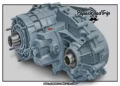


If you own a GMC Yukon, you know it’s built for power and performance. But what happens when your Yukon’s transfer case starts acting up?
Transfer case problems can disrupt your driving experience, causing strange noises, shifting issues, or even leaving you stuck in one mode. These issues don’t just affect how your vehicle drives—they can lead to costly repairs if ignored. You’ll discover the common signs of GMC Yukon transfer case problems, how to spot them early, and what steps you should take to protect your investment.
Keep reading to make sure your Yukon stays reliable and ready for the road.
Credit: advancedtransmission.com
Common Transfer Case Issues
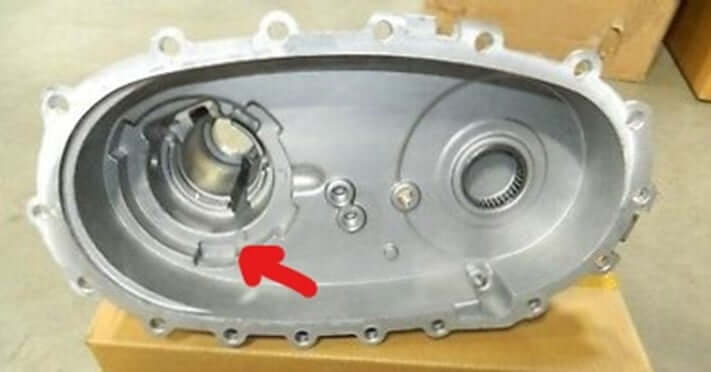
The transfer case is a vital part of the GMC Yukon’s drivetrain. It directs power from the transmission to the front and rear axles. Problems with the transfer case can affect vehicle performance and safety. Recognizing common transfer case issues early helps avoid costly repairs.
Many GMC Yukon owners report typical symptoms that point to transfer case trouble. These issues often arise from wear, lack of maintenance, or mechanical failure. Understanding these symptoms can guide you to timely service.
Grinding And Whining Noises
Grinding or whining noises often come from worn gears inside the transfer case. These sounds usually appear during acceleration or when shifting between drive modes. Ignoring these noises can lead to severe damage and costly repairs. Regular inspection helps catch these problems early.
Difficulty Shifting Modes
The transfer case allows switching between two-wheel and four-wheel drive modes. Difficulty or delay in shifting modes signals a problem. It may result from damaged linkages or internal components. This can cause the vehicle to get stuck in one mode or fail to engage properly.
Fluid Leaks And Their Impact
Fluid leaks near the transfer case are a warning sign. Transfer case fluid lubricates and cools internal parts. Leaks cause low fluid levels, leading to overheating and wear. Spotting puddles or stains under the vehicle should prompt immediate inspection.
Excessive Vibrations While Driving
Vibrations felt during driving, especially at higher speeds, can indicate transfer case issues. Imbalanced or damaged internal parts cause these vibrations. This affects driving comfort and can lead to further mechanical failures if left untreated.
Warning Lights And Error Messages
The vehicle’s dashboard may show warning lights related to the drivetrain. Error messages can indicate transfer case or four-wheel drive system faults. These alerts should never be ignored. They help identify problems early and prevent breakdowns on the road.
Credit: advancedtransmission.com
Diagnosing Transfer Case Problems
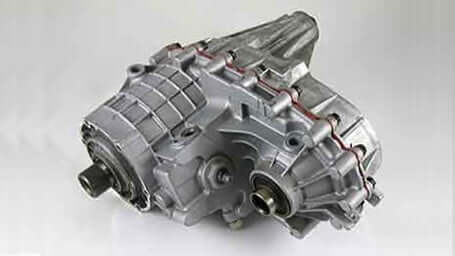
Diagnosing transfer case problems in a GMC Yukon requires careful attention. The transfer case controls power distribution to the front and rear wheels. Problems here can affect your vehicle’s handling and safety. Early diagnosis helps avoid costly repairs and breakdowns. Understanding symptoms and proper inspection methods is key. Differentiating transfer case issues from other drivetrain problems will lead to faster fixes.
Symptoms To Watch For
Listen for unusual noises like grinding or whining under the vehicle. These sounds often occur during acceleration, deceleration, or turning. Difficulty shifting between two-wheel and four-wheel drive modes can also signal trouble. Look for fluid leaks under the transfer case, which cause lubrication problems. Vibrations at higher speeds may indicate internal damage. Warning lights or unexpected system engagement are other signs to note.
Professional Inspection Importance
Transfer case problems can mimic transmission issues. A professional mechanic has the right tools and knowledge to diagnose accurately. They inspect fluid levels, check for leaks, and test the transfer case operation. Early professional diagnosis prevents further damage and expensive repairs. Do not ignore symptoms or delay expert evaluation. Quick action ensures your GMC Yukon remains safe and reliable.
Differentiating From Transmission Issues
Transfer case and transmission problems share similar symptoms. Clunking noises, shifting difficulties, and warning lights can confuse drivers. Transfer case issues often involve four-wheel drive functions, while transmission problems affect gear changes. A mechanic will check specific components to find the root cause. Accurate diagnosis avoids unnecessary repairs and targets the real problem. Understanding these differences protects your vehicle’s performance.
Repair Solutions
Addressing GMC Yukon transfer case problems requires clear repair solutions. Timely action helps avoid costly damage and ensures smooth driving. Different issues need targeted fixes. Understanding repair options helps maintain your vehicle’s performance and safety.
Software Updates And Recalls
Manufacturers sometimes release software updates to fix transfer case glitches. These updates improve shifting and control functions. Checking for recalls is important. A recall might cover repairs or replacements for free. Keep your vehicle’s software current to prevent problems.
Replacing Faulty Components
Damaged gears, sensors, or actuators can cause transfer case failure. Replacing these parts restores proper function. Use genuine or high-quality components for durability. Early replacement stops further damage to the drivetrain. A mechanic can identify which parts need changing.
Fluid Replacement And Maintenance
Transfer case fluid lubricates moving parts and cools the system. Old or low fluid causes wear and overheating. Regular fluid checks and changes keep the transfer case healthy. Use the fluid type recommended by GMC. Proper maintenance extends the transfer case lifespan.
When To Seek Expert Help
Transfer case problems can be complex and tricky. Strange noises, shifting trouble, or warning lights need professional diagnosis. Experts use special tools to find hidden issues. Early expert help prevents bigger repairs. Visit a trusted mechanic if symptoms persist or worsen.

Credit: www.youtube.com
Preventing Transfer Case Failures
Preventing transfer case failures in your GMC Yukon extends the life of your vehicle’s drivetrain. The transfer case is crucial for distributing power to all wheels. Regular care helps avoid costly repairs and breakdowns. Simple habits can keep your transfer case working smoothly for years.
Regular Maintenance Tips
Follow the manufacturer’s schedule for transfer case service. Change the transfer case fluid at recommended intervals. Use the correct type of fluid as specified in the owner’s manual. Inspect the transfer case for leaks or damage during oil changes. Clean the area around the transfer case to prevent dirt buildup. Regular checks reduce wear and prevent small problems from growing.
Avoiding Harsh Driving Conditions
Drive gently on rough roads and avoid sudden stops or starts. Avoid deep water crossings that can damage the transfer case. Do not overload your vehicle beyond its capacity. Steer clear of sharp turns at high speeds to reduce stress on the drivetrain. Smooth driving habits reduce strain and keep the transfer case parts intact.
Monitoring Fluid Levels
Check transfer case fluid levels regularly, especially before long trips. Low fluid levels cause overheating and increased friction inside the case. Look for fluid leaks under your vehicle. Dark or dirty fluid means it needs changing. Maintaining proper fluid levels keeps the transfer case lubricated and cool.
Early Detection Practices
Listen for unusual noises like grinding or whining while driving. Notice any difficulty shifting between drive modes or four-wheel drive. Watch for warning lights on your dashboard related to drivetrain issues. Pay attention to vibrations or clunking sounds from beneath the vehicle. Early detection helps fix problems before they become serious.
Recall Information For Gmc Yukon
Recall information plays a key role in addressing GMC Yukon transfer case problems. It helps owners find out about safety or performance issues officially recognized by the manufacturer. Staying updated on recalls can prevent costly repairs and improve vehicle safety.
GMC issues recalls to fix defects related to the transfer case or transmission system. These recalls often include software updates or part replacements. Knowing about recalls ensures your Yukon runs smoothly and avoids unexpected breakdowns.
Transmission Control Module Updates
Many GMC Yukon recalls involve updates to the transmission control module (TCM). The TCM manages how the transfer case shifts between drive modes. Faulty software can cause shifting problems or transfer case failure. Updated TCM software improves shifting response and protects the transfer case from damage.
GMC provides these updates free of charge at authorized dealers. The process is quick and can restore proper transfer case function. Checking for TCM updates is important if you notice unusual shifting or noises.
Checking For Model-specific Recalls
Recall issues vary by model year and trim. Some Yukon models have more transfer case-related recalls than others. Owners should check the National Highway Traffic Safety Administration (NHTSA) website using their vehicle identification number (VIN). This search reveals any open recalls specific to their Yukon.
Dealers also have recall information and can run a free check. Knowing your model’s recall status helps prioritize repairs. It prevents ignoring a known problem that could worsen over time.
How To Access Free Recall Repairs
Recall repairs for the GMC Yukon are free of cost. Dealers cover parts and labor during recall fixes. Owners need to schedule an appointment and present their vehicle’s VIN. Repairs may involve software updates or part replacements related to the transfer case.
Completing recall repairs keeps the Yukon safe and reliable. It also ensures warranty coverage remains intact. Recall fixes are the best way to avoid expensive transfer case damage later.
Frequently Asked Questions
How Do You Know If Your Transfer Case Is Going Bad?
Signs of a bad transfer case include grinding or whining noises, difficulty shifting gears, fluid leaks, excessive vibrations, and warning lights. The vehicle may also get stuck in one mode or engage unexpectedly. Seek professional inspection promptly to avoid costly repairs and safety risks.
What Is The Recall On The Gmc Yukon Transmission?
The GMC Yukon transmission recall updates the control module software. It prevents wheel lock-up by limiting the transmission to fifth gear if needed. Drivers may notice a service engine light or reduced propulsion warning. Dealers will install this fix free of charge.
Can I Still Drive If My Transfer Case Is Bad?
Driving with a bad transfer case is unsafe and can cause further damage. Get it inspected and repaired promptly.
Is It Common For A Transfer Case To Go Bad?
Transfer cases can fail but it’s not very common with regular maintenance. Wear, leaks, or unusual noises signal problems.
What Are Common Gmc Yukon Transfer Case Problems?
Common problems include strange noises, difficulty shifting, fluid leaks, vibrations, and warning lights.
Conclusion
GMC Yukon transfer case problems can cause serious driving issues. Watch for noises, leaks, and shifting troubles. Early attention helps avoid costly repairs. A quick inspection by a professional keeps your vehicle safe. Fixing problems soon keeps your Yukon running smoothly.
Stay alert to signs and maintain your transfer case well. This ensures better performance and longer vehicle life.