

Is your GMC Sierra’s climate control acting up and leaving you uncomfortable on the road? Whether your heater blows cold air or your AC won’t cool properly, these common climate control problems can turn every drive into a frustrating experience.
You might notice uneven airflow, unresponsive buttons, or strange noises coming from the vents. If this sounds familiar, you’re not alone—and it’s important to understand what’s going wrong and how to fix it before the issue gets worse. Keep reading to discover the key signs of GMC Sierra climate control problems and simple steps you can take to restore comfort to your cabin.
Your next drive should feel just right, no matter the weather.
Credit: www.gmc.com
Common Climate Control Issues
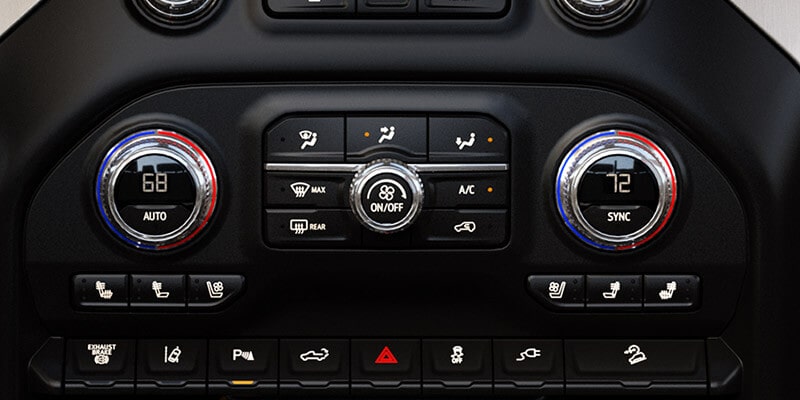
The GMC Sierra climate control system can face several common issues that affect comfort and driving experience. These problems often involve heating, cooling, airflow, and control responsiveness. Understanding these issues helps in identifying faults early and seeking proper repairs.
Many GMC Sierra owners report trouble with temperature consistency, airflow strength, and control panel functions. Such issues reduce the effectiveness of the climate system and can cause frustration during drives. Below are common climate control problems found in GMC Sierra trucks.
Inconsistent Heating And Cooling
The system may fail to maintain the set temperature inside the cabin. Sometimes it blows cold air when heat is needed or warm air during cooling. This inconsistency can be due to sensor problems, low refrigerant, or faulty climate control modules.
Uneven Airflow
Air may not distribute evenly through all vents. Some vents might blow strong air while others have weak or no airflow. Blocked ducts, broken blend doors, or a failing blower motor can cause uneven airflow issues.
Unresponsive Controls
Climate control buttons or dials may not respond when pressed or turned. The system might ignore input changes or fail to adjust temperature and fan speed. This problem often points to electrical faults or malfunctioning control panels.
Display Malfunctions
The climate control display can show incorrect information or fail to light up. Blank screens or flickering displays make it hard to operate the system. Display issues usually stem from wiring problems or damaged control modules.
Strange Noises And Cycling
Unusual sounds like clicking, buzzing, or whirring may come from the HVAC system. The climate control might cycle on and off rapidly, causing uneven temperature changes. These noises often indicate a failing blower motor or stuck blend door.
Poor Defroster Performance
The defroster may not clear fog or ice efficiently. Weak airflow or improper temperature delivery reduces defrosting power. Faulty heater cores, clogged vents, or broken blend doors can impair defroster function.
Electrical Problems
Wiring issues or blown fuses can disrupt the climate control system. Electrical faults may cause intermittent operation or complete failure. Inspecting fuses, relays, and wiring connections is essential for diagnosing these problems.

Credit: www.rotiandchai.co.za
Main Causes Of Problems
The GMC Sierra’s climate control system can face various issues. Understanding the main causes helps in diagnosing problems quickly. Several key components often lead to system failures. Identifying these can save time and money on repairs. Below are the primary reasons behind climate control problems.
Faulty Climate Control Module
The climate control module manages temperature and airflow settings. A faulty module can cause unresponsive controls or wrong temperature output. This part often fails due to age or electrical faults. Symptoms include inconsistent heating and cooling or no response from control buttons.
Damaged Heater Control Module
The heater control module controls the heating functions inside the cabin. Damage to this module results in weak or no heat from the vents. It can also cause strange noises or uneven temperature distribution. Moisture and wear often lead to its failure.
Blown Fuses And Relays
Fuses and relays protect the climate control system’s electrical circuits. A blown fuse or faulty relay interrupts power supply to the system. This causes complete failure or intermittent operation. Checking these components is a simple first step in troubleshooting.
Sensor Failures
Sensors monitor cabin and outside temperatures to adjust climate settings. When sensors fail, the system gets incorrect data. This causes irregular temperature changes or weak airflow. Sensor issues are common and easy to diagnose with proper tools.
Wiring And Connector Issues
Loose or damaged wiring disrupts communication between climate control parts. Connectors can corrode or become loose over time. These issues cause intermittent or complete system failure. Inspecting wiring and connectors is crucial for reliable operation.
Refrigerant Leaks
Refrigerant is essential for the air conditioning function. Leaks reduce cooling efficiency and can cause the AC to stop working. Signs include warm air from vents and hissing sounds. Regular maintenance helps detect leaks early and maintain system performance.
Diy Fixes And Resets
DIY fixes and resets can often solve common GMC Sierra climate control problems. These simple steps help restore proper function without costly repairs. Many issues arise from minor glitches or loose connections. Basic maintenance and troubleshooting can bring relief quickly.
Start with easy resets and inspections before moving to complex repairs. Understanding these DIY methods saves time and money. Follow each step carefully for the best results.
Resetting The Climate Control System
Resetting the system can clear minor electronic errors. Turn off the ignition and disconnect the battery. Wait about five minutes to allow the system to reset. Reconnect the battery and start the truck. Test the climate controls for improved operation. This reset often fixes unresponsive or erratic controls.
Replacing Fuses And Relays
Blown fuses or bad relays can stop the climate control from working. Locate the fuse box under the dashboard or hood. Check the owner’s manual for the correct fuse related to HVAC. Replace any blown fuses with ones of the same rating. Swap out faulty relays if you have a spare. This simple fix restores power to the climate system.
Cleaning And Inspecting Connectors
Dirty or loose connectors cause weak airflow or no response. Locate connectors behind the climate control panel or under the dashboard. Disconnect and inspect for dirt, corrosion, or damage. Clean with electrical contact cleaner and dry fully. Reconnect firmly to ensure a solid connection. This step improves signal and power flow to climate components.
Recharging Refrigerant
Low refrigerant causes poor cooling and warm air output. Purchase a refrigerant recharge kit designed for GMC vehicles. Locate the low-pressure service port on the AC system. Attach the recharge hose and follow kit instructions carefully. Add refrigerant slowly while running the AC. Stop when pressure reaches recommended levels. Proper refrigerant levels restore cooling performance.
Basic Troubleshooting Steps
Begin by checking if the climate control display lights up. Listen for the blower motor running when controls adjust fan speed. Verify air vents open and close properly. Test both heating and cooling functions for responsiveness. Note any unusual noises or smells. These checks help identify the source of the problem before deeper repairs.

Credit: www.youtube.com
Professional Repair Options
Professional repair options offer the best solution for GMC Sierra climate control problems. These issues often need precise diagnosis and quality parts. Attempting fixes without the right tools or knowledge can cause more damage. Skilled technicians ensure your system works properly again. Here are key repair options to consider for your GMC Sierra’s climate control system.
Climate Control Module Replacement
The climate control module manages temperature and airflow settings. A faulty module causes erratic or no response from the system. Replacing this module restores full control of heating and cooling. Professional technicians use exact OEM parts for reliable performance. This replacement is common in GMC Sierra models with persistent climate issues.
Heater Control Module Repair
The heater control module regulates the heat inside your vehicle. Problems here may lead to no heat or uneven warmth. Repairing this module often fixes temperature inconsistency. Experienced mechanics test and repair or replace the module as needed. This fix improves comfort during cold weather drives.
Sensor Diagnostics And Replacement
Sensors monitor temperature and system functions in the climate control system. Faulty sensors cause wrong temperature readings and poor system response. Diagnostic tools identify sensor failures quickly. Replacing bad sensors helps the system maintain desired cabin conditions. This step is vital for accurate climate control operation.
Ac Compressor Evaluation
The AC compressor circulates refrigerant to cool the cabin air. A failing compressor leads to weak or no cooling. Experts inspect the compressor for damage or leaks. Repair or replacement of the compressor restores proper air conditioning. This service keeps your GMC Sierra cool during hot days.
When To Seek Expert Help
Persistent climate control issues need professional attention. If controls don’t respond, or airflow remains weak, consult a technician. Strange noises or fluctuating temperatures also signal trouble. Early diagnosis prevents costly repairs later. Trust trained experts to restore your GMC Sierra’s climate system quickly and safely.
Maintenance Tips To Avoid Issues
Proper maintenance helps prevent GMC Sierra climate control problems. Simple care keeps the system working well. Follow these tips to avoid costly repairs and enjoy a comfortable ride.
Regular System Inspections
Have your climate control system checked regularly. A professional can spot small issues early. Routine inspections keep the system running smoothly. This reduces the chance of sudden breakdowns.
Keeping Sensors Clean
Clean the sensors inside the vehicle often. Dust and dirt can block sensor signals. Dirty sensors cause inaccurate temperature readings. Use a soft cloth to wipe sensors gently.
Timely Refrigerant Checks
Check refrigerant levels on schedule. Low refrigerant causes weak cooling performance. Refilling refrigerant helps maintain proper air conditioning. Avoid leaks by having the system checked yearly.
Proper Use Of Climate Controls
Use climate controls as the manual directs. Avoid rapid temperature changes that stress the system. Turn off the AC or heater before switching off the engine. This habit extends the life of control components.
Battery And Electrical System Care
Keep the battery and electrical system in good shape. Weak batteries can affect climate control functions. Regularly inspect battery terminals for corrosion. Replace old batteries to ensure steady power supply.
Frequently Asked Questions
How Do I Reset My Gmc Climate Control?
To reset your GMC climate control, turn off ignition and disconnect the battery. Wait a few minutes, reconnect, then start your car for two minutes. Turn off the ignition again, wait 20 seconds, and test the climate controls.
What Are The Symptoms Of A Bad Climate Control Module?
Symptoms of a bad climate control module include inconsistent heating or cooling, weak airflow, unresponsive controls, strange noises, and display malfunctions. The system may blow warm air, cycle on and off unexpectedly, or show uneven air distribution and poor defroster performance.
What’s The Worst Year For The Gmc Sierra 1500?
The worst year for the GMC Sierra 1500 is often considered 2014. It faced frequent transmission and electrical issues. These problems affected reliability and owner satisfaction.
How To Reset Climate Control Module?
To reset the climate control module, turn off ignition and disconnect the battery. Wait five minutes, reconnect, then start the car. Turn off ignition again, wait twenty seconds, and test the controls. This process clears system errors and may restore proper function.
What Causes Gmc Sierra Climate Control Problems?
Faulty control modules, bad sensors, low refrigerant, or blower motor issues often cause climate control problems.
Conclusion
GMC Sierra climate control problems can disrupt your comfort quickly. Common issues include weak airflow, inconsistent temperatures, and unresponsive controls. Regular checks and simple resets often help restore proper function. Ignoring these problems may lead to bigger repairs later. Stay aware of warning signs like strange noises or display errors.
Taking timely action keeps your truck’s climate system running smoothly. Maintaining your GMC Sierra ensures a comfortable ride all year round. Don’t let climate control troubles spoil your driving experience.