

Have you ever found yourself behind the wheel of your Ford Escape, only to realize it’s stuck in reverse? It’s frustrating, stressful, and can leave you feeling helpless—especially when you need to get moving fast.
If you’re facing this exact problem, you’re not alone. Many Ford Escape owners experience this issue, and it often points to common but fixable causes like low transmission fluid or a faulty shift linkage. You’ll discover why your Ford Escape might be stuck in reverse and learn simple steps you can take to troubleshoot and potentially fix the problem yourself.
Keep reading—understanding the root cause could save you time, money, and a lot of hassle.
Common Causes
The Ford Escape stuck in reverse often results from mechanical or fluid-related problems. Understanding the common causes helps identify the issue quickly. Most problems relate to the transmission system or its components. This section covers key reasons that cause this frustrating situation.
Low Or Dirty Transmission Fluid
Transmission fluid lubricates and cools the gears inside the transmission. Low or dirty fluid can cause poor gear engagement. This leads to difficulty shifting out of reverse. Regular checks and changes keep the transmission working smoothly.
Shift Linkage Problems
The shift linkage connects the gear shifter to the transmission. If the linkage is loose, broken, or misaligned, the gear may stay in reverse. Inspecting the linkage for damage or disconnection can reveal the problem. Fixing or adjusting it often restores normal shifting.
Faulty Shift Position Sensor
The shift position sensor tells the car’s computer which gear is selected. A broken sensor may send incorrect signals. This can make the car think it is still in reverse. Replacing the sensor can solve this issue and allow proper gear changes.
Internal Transmission Damage
Worn or broken parts inside the transmission can block gear changes. Gears, clutches, or other components may fail over time. Internal damage usually requires professional repair. Ignoring it can lead to more severe transmission problems.
Damaged Transmission Mount
The transmission mount holds the transmission in place. A damaged mount causes misalignment. This affects the shift linkage and prevents smooth shifting. Replacing the mount ensures the transmission stays properly aligned and functional.
Quick Checks
Quick checks help identify simple reasons why your Ford Escape is stuck in reverse. These steps take only a few minutes. They often solve the issue without needing a mechanic. Start with basic inspections that cover the most common problems. This saves time and money.
Check Transmission Fluid Level
Check the transmission fluid first. Low fluid can cause shifting problems. Locate the transmission dipstick under the hood. Pull it out and wipe it clean. Reinsert and pull it out again to see the level. The fluid should be between the low and full marks. Also, check the fluid color. It should be bright red or pink. Dark or burnt fluid means it needs changing.
Inspect Shift Linkage
Look at the shift linkage next. This connects your gear shifter to the transmission. Open the hood and find the linkage cable. See if it looks loose, bent, or broken. A damaged linkage can stop the car from shifting out of reverse. Sometimes, the cable may have slipped out of place. Gently push it back or tighten loose parts. This simple fix often frees the gear shift.
Use Shift Lock Release
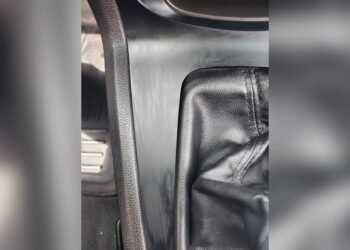
Try the shift lock release if your car won’t move from reverse. This is a small slot near the gear shifter. Insert your car key or a flat tool into the slot. Press down and try to move the shifter out of reverse. This bypasses the electronic lock that may be stuck. Many Ford Escapes have this feature to avoid towing or costly repairs.
Troubleshooting Tips
When your Ford Escape is stuck in reverse, simple fixes may solve the problem. Follow these troubleshooting tips to find the cause and fix it quickly. Each step targets a common issue that may block the gear shift.
Resetting The Transmission
Start by turning the engine off. Wait a few minutes to let the system reset. Then, restart the car and try shifting out of reverse. Sometimes, the transmission control module needs a reset to clear errors. This simple step can fix minor electronic glitches causing the problem.
Testing The Shift Position Sensor
The shift position sensor tells the car which gear is selected. A faulty sensor may falsely signal reverse gear. Use a diagnostic tool to check the sensor’s output. If it shows an error or wrong reading, replacing the sensor can restore correct gear shifting.
Assessing Transmission Mounts
Transmission mounts hold the transmission in place. Broken or loose mounts can misalign parts, blocking gear changes. Inspect the mounts for cracks or wear. Tighten or replace damaged mounts to ensure the transmission stays properly positioned and shifts smoothly.

Credit: www.reddit.com
When To Seek Help
Knowing when to seek professional help for a Ford Escape stuck in reverse is crucial. Some problems require expert diagnosis and repair. Acting quickly can prevent further damage and higher costs. Pay close attention to your vehicle’s behavior and any warning signs.
Signs You Need A Mechanic
Your car does not shift out of reverse despite trying multiple times. Strange noises come from the transmission area when you attempt to change gears. The transmission fluid is low, burnt, or dirty. Warning lights on your dashboard related to transmission or check engine turn on. The shifter feels loose or stuck even after using the shift lock release. These signs show that professional help is needed.
Choosing A Transmission Specialist
Select a mechanic with experience in Ford transmissions. Look for certifications and positive reviews from other Ford Escape owners. A specialist will have the right tools to diagnose and fix complex problems. Avoid general repair shops that lack transmission expertise. A trusted transmission specialist ensures proper repair and safety.
Cost Considerations
Transmission repairs can vary widely in price. Simple fixes like fluid changes or linkage adjustments cost less. Major repairs or part replacements will be more expensive. Always ask for a clear estimate before work begins. Consider the vehicle’s age and overall condition when deciding on repairs. Balancing cost and quality repair is key to long-term savings.
Preventive Care
Preventive care plays a vital role in avoiding the Ford Escape getting stuck in reverse. Taking simple steps regularly keeps the transmission healthy. This helps ensure smooth shifting and prevents costly repairs.
Paying attention to fluid levels, linkage condition, and scheduled inspections can save trouble later. These practices extend the life of your vehicle’s transmission system.
Regular Fluid Checks
Check the transmission fluid often. Low fluid causes gears to stick or slip. Dirty fluid can harm internal parts. Use the recommended type of fluid for the Ford Escape. Replace or top up fluid as needed. Clean fluid helps the transmission work smoothly.
Maintaining Shift Linkage
Inspect the shift linkage regularly. The linkage connects the gear shifter to the transmission. If it is loose, damaged, or misaligned, shifting may fail. Tighten loose parts and repair any damage quickly. Proper linkage keeps gear changes precise and reliable.
Scheduled Transmission Inspections
Have a professional check the transmission on a set schedule. Inspections find early signs of wear or failure. Technicians can spot problems before they worsen. Regular inspections keep the transmission in good condition. Follow the manufacturer’s recommended intervals for best results.
Credit: www.escape-city.com

Credit: www.youtube.com
Frequently Asked Questions
What Causes The Gear Shift To Be Stuck In Reverse?
A gear shift stuck in reverse often results from low or dirty transmission fluid, damaged shift linkage, faulty shift position sensor, or internal transmission damage. Check fluid levels and linkage condition first. If problems persist, consult a mechanic for accurate diagnosis and repair.
How To Get A Car Unstuck From Reverse?
Check transmission fluid level and condition first. Inspect shift linkage for damage or disconnection. Use the shift lock release if available. Gently rock the car while trying to shift. Seek professional help if the car remains stuck in reverse.
How Do You Reset The Transmission Fault On A Ford Escape?
To reset a transmission fault on a Ford Escape, first disconnect the battery for 15 minutes. Reconnect and start the engine to clear the fault. Use an OBD-II scanner to erase error codes if needed. Consult a mechanic if the issue persists or returns.
How To Unlock Gear Shift On Ford Escape?
To unlock the gear shift on a Ford Escape, check the brake pedal is pressed firmly. Use the shift lock release slot near the shifter with a key or screwdriver. Inspect transmission fluid and linkage for issues. Consult a mechanic if the problem persists.
Why Is My Ford Escape Stuck In Reverse Gear?
A faulty shift linkage or low transmission fluid often causes the Ford Escape to stick in reverse.
Conclusion
A Ford Escape stuck in reverse can stop your drive suddenly. Checking the transmission fluid and shift linkage helps find simple problems. Using the shift lock release might free the gear shifter. Some issues need a mechanic’s tools and knowledge.
Acting quickly can prevent more damage and higher costs. Stay calm and inspect your vehicle step by step. Proper care keeps your Ford Escape running smoothly and safely.