If you own a Ford Escape, you might have faced the frustrating problem of a hood latch that won’t release properly. Imagine trying to open your hood for a quick check or repair, only to find it stuck shut.
This isn’t just an inconvenience—it can be a safety risk and leave you stranded when you need access the most. You’ll discover the common causes behind Ford Escape hood latch problems, how to recognize the warning signs, and simple steps you can take to fix or prevent this issue.
Keep reading to protect your vehicle and avoid unexpected hassles on the road.
Credit: www.ford-trucks.com
Common Hood Latch Issues
The hood latch is a small but vital part of the Ford Escape. It keeps the hood securely closed while driving. Problems with the hood latch can cause safety risks. It can also make it hard to open the hood for maintenance. Understanding common hood latch issues helps you spot trouble early. This section covers symptoms, causes, and model years prone to these problems.
Symptoms Of A Failing Latch
A failing hood latch shows clear signs. The hood might rattle or shake during driving. Sometimes, the hood will not close properly. It may pop open slightly on bumpy roads. Another symptom is difficulty opening the hood. The release lever inside the car may feel loose or stuck. These signs warn that the latch needs checking.
Causes Of Hood Latch Problems
Hood latch problems often result from wear and tear. Dirt, rust, or debris can block the latch mechanism. Corrosion weakens the metal parts over time. The release cable may stretch or snap. Poor maintenance or exposure to moisture speeds up damage. Accidents or rough handling can also bend or break the latch.
Model Years Prone To Issues
Certain Ford Escape model years report more hood latch problems. Early 2000s models often show latch wear due to age. Some 2013 to 2016 models have complaints about latch failure. Regular inspection is key for these vehicles. Owners should watch for symptoms and act quickly to avoid bigger issues.
Diagnosing Hood Latch Problems
Diagnosing hood latch problems on a Ford Escape requires careful attention. The hood latch keeps the hood securely closed. If it fails, the hood might not open or stay shut, creating safety risks. Early detection helps avoid bigger repairs and ensures safe driving. This section guides you through basic diagnostic steps.
Visual Inspection Tips
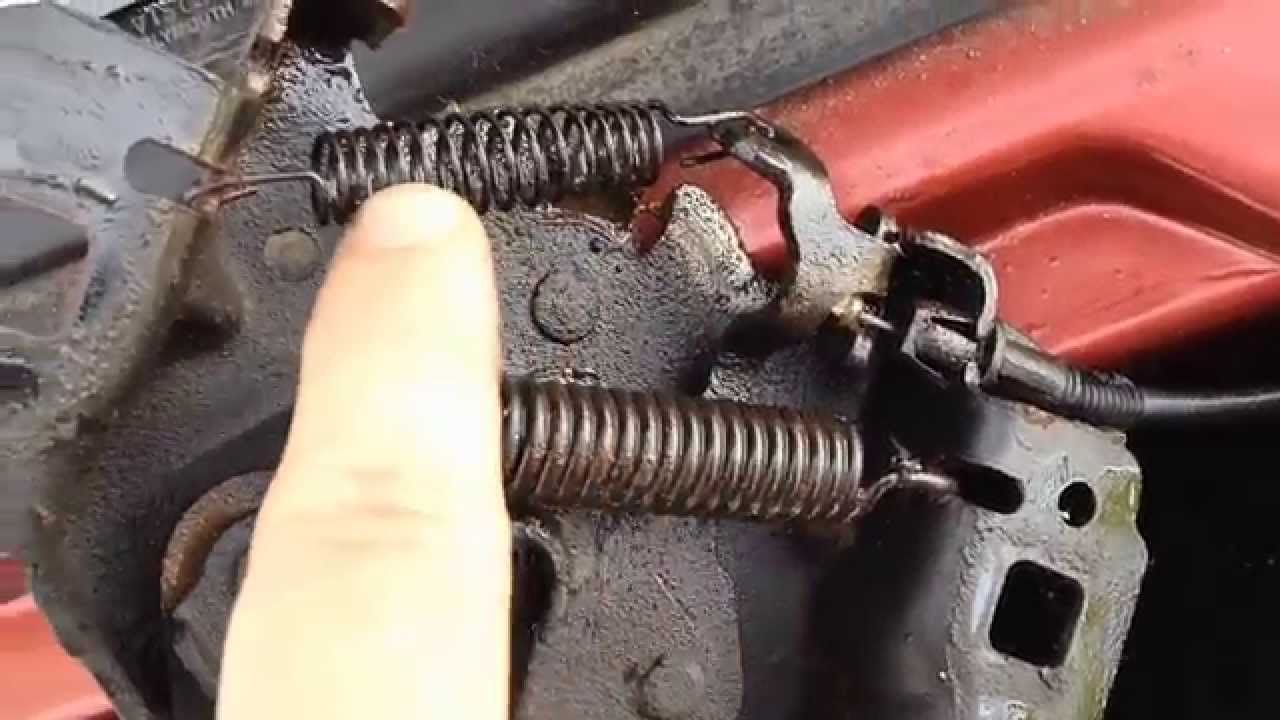
Start by looking at the hood latch area closely. Check for rust or dirt blocking the latch. Look for broken, bent, or worn parts. Also, examine the latch mechanism for any obvious damage. Clean the area if needed to see parts clearly. A stuck or dirty latch often causes problems.
Testing The Hood Release Cable
Next, check the hood release cable inside the vehicle. Pull the hood release lever gently. Notice if it feels loose or stuck. If the cable does not pull smoothly, it may be stretched or broken. Follow the cable from the lever to the latch to inspect for damage or disconnection. Repair or replace the cable if necessary.
Checking For Hood Alignment
Finally, inspect the hood alignment. The hood should line up evenly with the fenders and front grille. Misaligned hoods can prevent the latch from engaging properly. Look for gaps or uneven spaces around the hood edges. Adjusting the hood hinges or latch position may fix alignment issues. Proper alignment helps the latch work smoothly.
Diy Fixes For Hood Latch
Fixing a Ford Escape hood latch issue yourself saves time and money. Many hood latch problems come from dirt, rust, or cable damage. Simple DIY steps can restore your hood’s function. Basic tools and some patience are enough to complete these repairs safely.
Lubrication And Cleaning
Start by cleaning the latch area. Remove dirt and debris with a brush or cloth. Use a spray lubricant on the latch mechanism to reduce rust and friction. Open and close the hood several times to spread the lubricant evenly. This often solves sticking or slow-release issues quickly.
Replacing The Hood Release Cable
A broken or stretched cable stops the hood from opening. Locate the cable running from the release handle inside to the latch. Detach the old cable carefully, noting how it fits. Install a new cable by reversing the removal steps. Test the release handle to ensure the hood opens smoothly.
Adjusting The Latch Mechanism
Misalignment can cause the hood to stay stuck or not latch securely. Check the latch position and the striker on the hood. Use a wrench or screwdriver to loosen bolts and adjust the latch or striker. Align them so the hood closes firmly but can still open without force. Tighten all bolts and test the latch several times.

Credit: www.wikihow.com
Professional Repair Options
Professional repair options provide the best solution for Ford Escape hood latch problems. Skilled mechanics have the right tools and knowledge to fix these issues safely and efficiently. Attempting repairs without experience can cause further damage or safety risks. Choosing professional service ensures the hood latch works correctly and your vehicle stays secure. Understanding when to seek a mechanic, repair costs, and warranty coverage helps you make informed decisions.
When To Seek A Mechanic
Seek a mechanic if the hood latch does not release or feels stuck. Strange noises, like rattling, suggest latch problems needing professional attention. If the hood opens unexpectedly while driving, it creates a safety hazard. Avoid forcing the hood open, which can break parts. A mechanic can diagnose the issue and fix it properly.
Cost Estimates For Repairs
Repair costs vary depending on the problem’s severity and parts needed. Replacing a hood latch or cable usually ranges between $100 and $300. Labor charges depend on the repair shop and location. Minor adjustments or lubrication might cost less. Ask for a detailed estimate before authorizing work.
Warranty And Recall Coverage
Check if your Ford Escape’s hood latch is covered by warranty or recall. Some models have recalls addressing latch defects at no cost. Warranty coverage depends on vehicle age and mileage. Contact a Ford dealer or visit the official website to verify. Using warranty or recall services saves money and ensures proper repair.
Preventive Maintenance Tips
Preventive maintenance is key to avoiding Ford Escape hood latch problems. Small checks and care help keep the latch working smoothly. This reduces risks of the hood not opening or closing properly. Follow these simple tips to protect your vehicle and stay safe on the road.
Regular Hood Latch Checks
Check the hood latch at least once a month. Open and close the hood slowly to feel for smooth movement. Look for any signs of sticking or difficulty in releasing the latch. Clean dirt and debris that may block the mechanism. Early detection stops small issues from turning into costly repairs.
Protecting Against Rust And Corrosion
Rust is a common cause of hood latch failure. Keep the latch dry and clean to prevent corrosion. Apply a light coat of lubricant to metal parts every few months. Use products designed for automotive use to avoid damage. Rust can cause the latch to seize or break, making it unsafe to drive.
Safe Hood Operation Practices
Always open the hood with care. Pull the release lever gently and wait for the secondary latch to unlock. Avoid forcing the hood open or closed, which can damage the latch. Never slam the hood shut as it stresses the mechanism. Safe handling extends the life of the hood latch and prevents accidents.
Credit: www.youtube.com
Related Ford Escape Issues
Several issues can affect the Ford Escape beyond the hood latch problem. These issues often impact vehicle performance and driver experience. Understanding related problems helps owners stay alert and maintain their vehicles properly. The following sections highlight common concerns linked to the Ford Escape.
Transmission Concerns
Transmission problems are common in many Ford Escape models. Drivers report rough or jerky shifting while driving. Some experience hesitation before the vehicle changes gears. In severe cases, the transmission may fail completely. Repairs can be costly and require professional service. Early detection of these symptoms can prevent major damage.
Engine And Electrical Problems
Engine issues like stalling and misfires have affected certain Ford Escape years. Ignition problems may cause the engine to hesitate or stall unexpectedly. Electrical faults include malfunctioning sensors and wiring issues. These problems can lead to warning lights on the dashboard. Regular inspections help identify electrical faults early. Proper maintenance reduces the risk of engine failures.
Recall Information And Updates
Ford has issued recalls to fix safety and performance problems in some Escape models. Recalls may address hood latch defects to prevent the hood from opening properly. Other recalls focus on transmission and engine components. Owners should check if their vehicle is part of any recall. Ford often provides free repairs under these recalls. Staying informed ensures vehicle safety and reliability.
Frequently Asked Questions
What Is The Biggest Problem With The Ford Escape?
The biggest problem with the Ford Escape is frequent transmission issues, including rough shifting, hesitation, and possible failure. Engine misfires, overheating from coolant leaks, and electrical faults also affect some models. These problems often appear around or after the warranty period, causing costly repairs.
What Are Signs Of A Failing Hood Latch?
Signs of a failing hood latch include rattling noises, hood not staying securely closed, difficulty opening the hood, and visible rust or damage on the latch mechanism.
What Is The Current Recall On Ford Escape?
Ford Escape currently has recalls for cracked fuel injectors causing fire risks and rearview camera software issues. Ford offers repairs and software updates.
Why Is My Hood Latch Not Latching?
Your hood latch may not latch due to a broken release cable, misaligned latch, dirt buildup, or worn components. Clean and inspect the latch mechanism, check the cable for damage, and realign parts to ensure proper engagement.
What Causes Ford Escape Hood Latch Problems?
Hood latch issues often come from rust, dirt buildup, or a broken release cable.
Conclusion
Ford Escape hood latch problems can cause safety risks and inconvenience. Regular checks help catch issues early. Replace worn or broken parts quickly to keep the hood secure. Pay attention to noises or difficulty opening the hood. Taking care of these problems protects your vehicle and peace of mind.
Stay alert to signs and act promptly to avoid bigger repairs. A well-maintained hood latch ensures safer driving every time you hit the road.