

If you’re working on a metal surface and thinking about applying fiberglass directly over bare metal, you might wonder if it’s the right move. You want your repair to last, avoid rust, and keep that smooth finish intact.
But here’s the truth: putting fiberglass or body filler straight onto bare metal can cause hidden problems like rust and blistering that show up later—sometimes long after you think the job is done. This article will guide you through the safest, smartest way to handle fiberglass over metal.
You’ll learn why prepping with an epoxy primer is a game changer, how it protects your work, and why it’s worth the extra step. Stick with me, and you’ll avoid costly mistakes and get a finish you can trust for years to come.
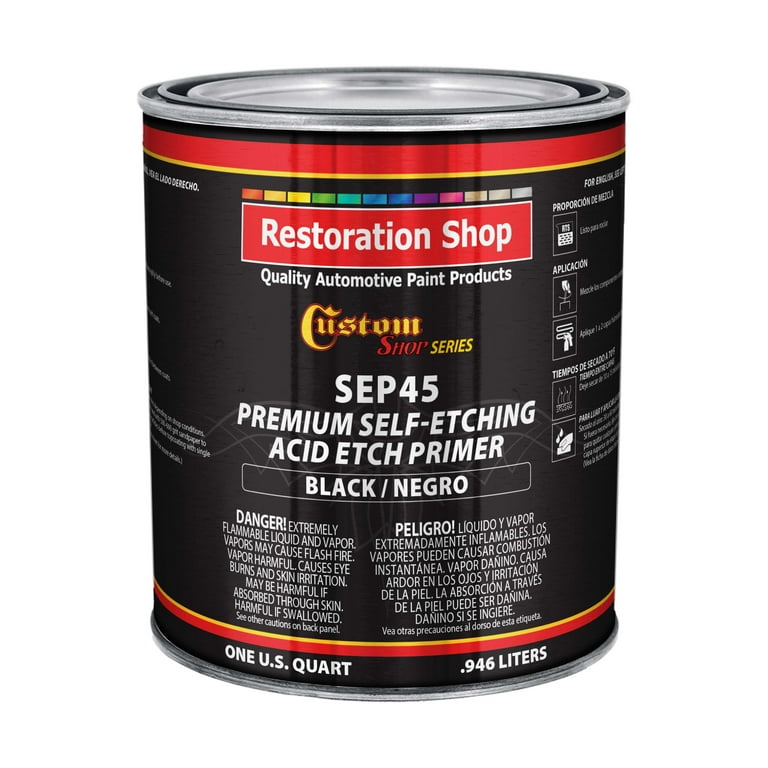
Credit: www.walmart.com
Risks Of Fiberglass On Bare Metal
Applying fiberglass directly over bare metal poses several risks that can affect the durability of your repair. Without proper preparation, the metal surface can suffer damage beneath the fiberglass layer. These hidden issues often worsen over time, leading to costly repairs.
Understanding the risks helps in making informed decisions about repair methods. The key problems include rust formation, moisture trapping, and long-term failures. Each of these issues compromises the integrity of the fiberglass repair.
Rust Formation Causes
Bare metal reacts with the chemicals in fiberglass resin. This reaction speeds up rust development under the fiberglass layer. Rust weakens the metal and causes the fiberglass to separate. The presence of iron oxide pushes the fiberglass away from the metal surface. This separation causes bubbles and cracks in the repair.
Moisture Trapping Effects
Fiberglass can trap moisture against the bare metal. Changes in temperature cause condensation under the fiberglass. This moisture stays trapped and cannot evaporate. Trapped moisture accelerates rusting and corrodes the metal faster. Over time, this hidden moisture reduces the repair’s lifespan.
Long-term Repair Failures
Rust under fiberglass leads to failure of the repair. The metal weakens and loses structural strength. Fiberglass cracks and peels away from the damaged metal. Repairs over bare metal often require redoing sooner than expected. Proper priming before fiberglass application prevents these long-term problems.

Credit: www.amazon.com
Benefits Of Epoxy Primer
Epoxy primer plays a key role in preparing bare metal for fiberglass application. It creates a strong base that protects the metal and improves the overall durability of the repair. Using epoxy primer ensures better results and longer-lasting protection. The benefits go beyond just adhesion. It guards the metal from damage caused by moisture and corrosion.
Corrosion Protection
Epoxy primer seals bare metal from air and moisture. This stops rust from forming under the fiberglass layer. Rust weakens metal and causes the repair to fail. The primer acts as a shield, preventing corrosion and extending the metal’s life. Without it, bare metal is vulnerable to fast damage.
Waterproof Barrier Role
The epoxy primer creates a waterproof barrier. It blocks water and humidity from reaching the metal. This barrier stops moisture from getting trapped between the fiberglass and metal. Moisture can cause bubbling and peeling of the repair. The waterproof layer keeps the surface dry and stable.
Enhanced Adhesion
Epoxy primer improves the bond between fiberglass and metal. It creates a rough surface that fiberglass can grip onto better. This strong adhesion prevents the fiberglass from lifting or separating. It also helps the repair resist cracks and chips. A good bond is key for a smooth, durable finish.
Proper Metal Preparation
Proper metal preparation is essential for successful fiberglass application over bare metal. It ensures strong adhesion and prevents future problems like rust and filler failure. The metal surface must be clean, smooth, and free of contaminants before applying fiberglass. Each step in the preparation process plays a vital role in the final result.
Cleaning Techniques
Start by removing all dirt, grease, and oil from the metal surface. Use a degreaser or a dedicated metal cleaner for best results. Wipe the surface with a clean cloth to remove residues. Avoid using harsh chemicals that may damage the metal. A clean surface allows the fiberglass resin to bond properly.
Sanding Methods
Sanding roughens the metal surface for better adhesion. Use medium-grit sandpaper, around 80 to 120 grit, to scuff the metal evenly. Sand in a circular motion or along the metal grain. Remove all rust, paint, and old coatings completely. After sanding, clean the surface again to remove dust and particles.
Surface Inspection
Inspect the metal for any remaining rust, dirt, or damage. Look closely for scratches or pits that may affect adhesion. Small rust spots should be treated or removed. Ensure the surface is dry and smooth before proceeding. Proper inspection avoids problems during and after fiberglass application.
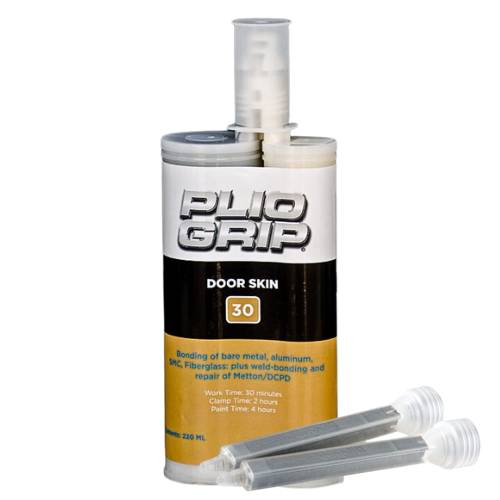
Credit: eaglenationalsupply.com
Applying Epoxy Primer
Applying epoxy primer over bare metal is a crucial step in fiberglass repair. It creates a strong, protective layer that prevents rust and helps the fiberglass stick better. Without this primer, moisture and air can reach the metal, causing corrosion and weakening the repair. Proper use of epoxy primer ensures a durable, long-lasting finish.
Primer Selection Tips
Choose an epoxy primer designed for bare metal surfaces. Check for rust-inhibiting properties. Select a primer that offers good adhesion to both metal and fiberglass. Use a primer with low VOC for safer indoor use. Always read product labels and data sheets before purchase. Avoid using primers meant only for painted surfaces.
Application Process
First, clean the bare metal thoroughly to remove dirt and oils. Sand the surface lightly to create a rough texture. Mix the epoxy primer components as per instructions. Apply the primer in thin, even coats using a spray gun or brush. Avoid heavy layers that can cause runs or drips. Allow each coat to flash off before applying the next.
Curing Times
Epoxy primer needs time to cure properly. Follow the manufacturer’s recommended curing time closely. Typically, it takes 30 minutes to 1 hour at room temperature. Higher temperatures can speed up curing, but avoid applying fiberglass too soon. Full cure may take up to 24 hours for best results. Proper curing ensures strong adhesion and corrosion resistance.
Fiberglass Application Steps
Applying fiberglass over bare metal requires precise steps for a strong, lasting bond. Follow these steps carefully to ensure the fiberglass adheres well and protects the metal underneath. Proper application prevents rust and damage over time. The process includes mixing resin, laying mats, and sanding the finish.
Mixing Fiberglass Resin
Begin by preparing the resin mixture. Use a clean container and mix resin with the hardener as per the instructions. Stir gently to avoid air bubbles. The mixture should be smooth and consistent. Work quickly because the resin starts to harden fast.
Laying Fiberglass Mats
Cut the fiberglass mats to fit the metal surface. Apply a layer of resin on the bare metal first. Place the mat on the wet resin carefully. Use a brush or roller to press the mat down and soak it with resin. Make sure there are no air pockets. Add more resin over the mat until it is fully saturated.
Sanding And Finishing
Allow the fiberglass to cure completely before sanding. Start with coarse sandpaper to smooth rough areas. Gradually move to finer grit for a smooth finish. Clean the surface to remove dust before painting or sealing. Proper sanding improves adhesion and appearance.
Common Mistakes To Avoid
Applying fiberglass over bare metal can be tricky. Avoiding common mistakes helps ensure a strong, lasting bond. These errors often cause peeling, bubbles, or rust under the fiberglass. Knowing what to avoid saves time and effort.
Skipping Primer
Primer acts as a protective layer between metal and fiberglass. Without it, moisture can reach the metal and cause rust. Rust weakens the bond and causes fiberglass to lift. Always use a suitable epoxy primer before applying fiberglass.
Improper Surface Prep
Clean and roughen the metal surface for better adhesion. Dirt, oil, or rust stop the resin from sticking properly. Use sandpaper or a wire brush to prepare the surface. Wipe away dust and grease with a clean cloth before applying fiberglass.
Incorrect Resin Mixing
Resin and hardener must be mixed in the correct ratio. Too much or too little hardener affects curing and strength. Mix thoroughly but avoid whipping air into the resin. Improper mixing leads to soft or brittle fiberglass layers.
When To Apply Fiberglass Directly
Applying fiberglass directly over bare metal can be a useful technique in certain situations. It saves time and effort, especially in quick repairs or large projects. Understanding when this method works best helps achieve strong, lasting results without extra steps.
Time-saving Situations
Fiberglass over bare metal speeds up the repair process. When you need a fast fix, skipping primer can save hours. This method suits small patches or emergency repairs. Make sure the metal is clean and free of rust before applying. Quick jobs like these benefit from direct fiberglass use, reducing wait times for primer drying.
Large Repair Considerations
Large repairs often require more careful planning. Fiberglass can be applied directly on vast metal areas if the surface is well-prepared. Removing rust and cleaning thoroughly is essential. Sometimes, applying primer first prevents future corrosion. For big projects, balance speed with durability to avoid problems later.
Maintenance And Longevity
Proper maintenance extends the life of fiberglass applied over bare metal. This care prevents rust and damage under the fiberglass. Regular checks and timely repairs keep the surface strong and smooth.
Understanding how to maintain these repairs helps avoid costly restorations. Simple steps protect the metal and keep the fiberglass intact for years.
Inspecting Repairs
Check the fiberglass and metal surface often. Look for cracks, bubbles, or soft spots. These signs show moisture may have entered or rust started. Early detection stops damage from spreading. Use a bright light and run your fingers over the area. Any roughness or weakness needs attention.
Preventing Future Rust
Keep the metal dry and clean under the fiberglass. Moisture causes rust and weakens the bond. Use rust inhibitors or sealants on exposed metal edges. Avoid water pooling near the repair. Ensure good ventilation to reduce humidity. These steps create a strong barrier against rust.
Touch-up Techniques
Minor damage can be fixed with simple touch-ups. Sand the area lightly before applying new fiberglass or filler. Clean the surface well to remove dust and grease. Use epoxy primer on bare metal spots for extra protection. Apply thin, even layers of fiberglass resin. Allow each layer to dry fully before sanding smooth. Touch-ups keep the repair durable and neat.
Frequently Asked Questions
Can You Apply Body Fillers On Bare Metal?
Applying body filler directly on bare metal risks rust and blistering over time. Always use epoxy primer first. Primer protects metal from corrosion, traps moisture, and improves filler adhesion. This method ensures a durable repair and aligns with manufacturer recommendations.
Avoid skipping primer to prevent long-term damage.
Can You Fiberglass Over Rusted Metal?
Fiberglassing directly over rusted metal is not recommended. Clean and remove rust first. Apply epoxy primer to prevent corrosion. Then, fiberglass adheres better and lasts longer. Skipping primer risks rust under the fiberglass, causing damage over time. Proper prep ensures a strong, durable repair.
What Is The Best Way To Bond Fiberglass To Metal?
The best way to bond fiberglass to metal is to clean and sand the metal surface thoroughly. Apply an epoxy primer to prevent rust and enhance adhesion. Then, use a compatible fiberglass resin and lay the fiberglass cloth firmly. Allow proper curing for a strong, durable bond.
Will Resin Adhere To Metal?
Resin can adhere to metal if the surface is clean and properly prepared. Use a suitable primer for better bonding and durability.
Can Fiberglass Be Applied Directly Over Bare Metal?
Fiberglass can be applied, but bare metal must be clean and dry to avoid rust and poor adhesion.
Conclusion
Fiberglass over bare metal needs careful preparation to last. Always clean and sand the metal well before starting. Applying an epoxy primer first helps stop rust and moisture damage. This primer creates a strong, waterproof layer under the fiberglass. Skipping the primer risks rust that can lift and crack the fiberglass.
Taking these steps ensures a smooth, durable repair. Keep your work steady and patient for the best results. This approach helps your fiberglass finish stay solid and long-lasting.