

If your Dodge Ram won’t start or is acting up when you turn the key, your starter relay could be the hidden culprit. This small but crucial part sends power from your battery to the starter motor, making your engine roar to life.
When it fails, you might hear clicking sounds, experience slow or no cranking, or even notice the starter motor running after the engine has started—leading to costly damage. Understanding the signs of starter relay problems can save you time, frustration, and money.
You’ll learn exactly what to watch for and how to tackle these issues so your Dodge Ram starts smoothly every time. Keep reading to protect your truck and avoid unexpected breakdowns.
Starter Relay Location
The starter relay plays a key role in starting your Dodge Ram. Knowing its location helps diagnose starter relay problems quickly. The relay is usually inside the fuse box. Finding it is the first step in troubleshooting.
Fuse Box Placement
The fuse box in a Dodge Ram is often under the hood. It is near the battery or engine compartment. Some models have an additional fuse box inside the cabin on the driver’s side. Check both places to locate the relay.
Accessing The Relay
Open the fuse box cover carefully. Some covers have clips or screws. Use a screwdriver if needed. Inside, you will see rows of fuses and relays. Handle them gently to avoid damage.
Identifying The Relay
The starter relay is a small, square or rectangular box. It usually has a label or symbol on the fuse box cover. Look for words like “START” or “IGN”. If unsure, check the owner’s manual for exact location and identification.

Credit: www.youtube.com
Common Symptoms
The starter relay plays a key role in starting your Dodge Ram. Problems with this part cause various starting issues. Recognizing common symptoms helps diagnose the relay quickly. These signs often show up before the vehicle fails completely. Understanding them can save time and money on repairs.
No-start Condition
The engine does not turn over when you turn the key. Sometimes, you hear a single click but no crank. This happens because the relay fails to send power to the starter motor. The vehicle simply won’t start, leaving you stranded.
Intermittent Starting
The truck starts sometimes but not always. You may need several attempts before it fires up. This happens due to worn contacts or dirt inside the relay. Loose connections also cause this unreliable behavior.
Starter Stuck Engaged
The starter motor keeps running even after the engine starts. This causes a loud grinding noise that can damage parts. The relay may be stuck in the “on” position. Immediate repair is needed to avoid costly damage.
Clicking Noise
You hear a rapid clicking sound from under the hood. The relay tries to activate but cannot send full power. This noise signals a failing relay or weak connection. The engine fails to crank despite the clicks.
Slow Cranking
The engine turns slowly or weakly when starting. The relay does not supply enough power to the starter motor. This symptom often points to relay problems or poor electrical flow. It makes starting the truck difficult and frustrating.
Less Common Signs
Starter relay problems in Dodge Ram trucks do not always show clear symptoms. Some signs are less common but important to recognize. These unusual symptoms can help catch issues early before serious damage occurs. Pay attention to subtle clues that the starter relay might be failing.
Smoke Or Burning Smell
Smoke or a burning smell near the engine or fuse box is a warning sign. This happens if the relay overheats or has a short circuit. Poor electrical connections cause excess heat. Ignoring this smell can lead to serious electrical damage or fire risk. Check the starter relay immediately if you notice smoke or any burning odor.
Bright Interior Lights But No Start
The interior lights may shine bright, but the engine won’t start. This means the battery and electrical system still work. The problem lies in the starter relay or starter motor. The relay might fail to send power to the starter. This sign helps rule out a dead battery. Focus on the starter system for repairs.
Causes Of Relay Failure
The starter relay plays a vital role in your Dodge Ram’s starting system. Relay failure causes starting issues and vehicle frustration. Understanding the causes helps in spotting problems early and avoiding costly repairs.
Relay failure happens due to several common factors. Each factor affects the relay’s ability to send power to the starter motor. Below are the main causes of relay failure in Dodge Ram trucks.
Worn Internal Contacts
Inside the relay, metal contacts open and close the circuit. Over time, these contacts wear out or get dirty. Worn contacts cause weak or no electrical connection. This leads to intermittent starting or no-start conditions. Dirt and corrosion speed up contact wear.
Poor Electrical Connections
Loose or corroded wiring disrupts the power flow to the relay. Poor connections cause voltage drops and relay malfunction. Vibration and moisture can loosen terminals and connectors. Checking and cleaning connections prevents relay failure.
Relay Overheating
Excess heat damages the relay’s internal parts. Overheating occurs from high current or prolonged use. It can melt plastic parts and warp metal contacts. Overheated relays often fail suddenly or work erratically. Proper wiring and cooling help avoid this issue.
Short Circuits
A short circuit sends too much current through the relay. This overload quickly damages the relay coil and contacts. Shorts happen due to damaged wires or faulty components. They cause the relay to burn out or blow fuses. Repairing shorts is crucial to protect the relay.
Testing The Starter Relay
Testing the starter relay is essential to diagnose Dodge Ram starter relay problems. This process helps identify if the relay is faulty or if other components cause starting issues. Proper testing ensures accurate repair and prevents unnecessary part replacements.
Swapping Relays
Swapping relays is a quick way to check the starter relay. Locate another relay with the same part number in the fuse box. Remove the suspected faulty relay and replace it with the good one. Try starting the vehicle. If the engine starts normally, the original relay is likely bad. If the problem persists, the relay may not be the issue.
Using A Multimeter
A multimeter measures electrical continuity and voltage in the starter relay. Set the multimeter to the ohms setting to test resistance. Place the probes on the relay’s input and output terminals. A reading close to zero indicates good continuity. Next, check for voltage at the relay’s coil terminals while turning the ignition key. Proper voltage means the relay coil is receiving power. No voltage suggests wiring or ignition switch problems.
Starter Motor Response
Observe how the starter motor reacts when the relay is engaged. A healthy relay sends power to the starter motor, causing it to crank the engine. If the relay clicks but the starter motor does not respond, the relay may be faulty or the starter motor could be the problem. Continuous starter motor running after the engine starts indicates a stuck relay. This can damage the starter and flywheel if not fixed.
Credit: www.reddit.com
Fixes And Repairs
Fixing starter relay problems in your Dodge Ram can save time and money. Start by understanding simple steps that often solve the issue. Some repairs need basic tools and a little patience. Others may require replacing parts or checking electrical connections. Follow these tips to restore your truck’s reliable starting power.
Cleaning Contacts
Dirty or corroded contacts inside the relay can cause poor connection. Remove the relay from its socket carefully. Use a small brush or sandpaper to clean the metal contacts gently. Ensure no debris remains before reinserting the relay. Clean contacts improve electrical flow and reduce starting issues.
Replacing The Relay
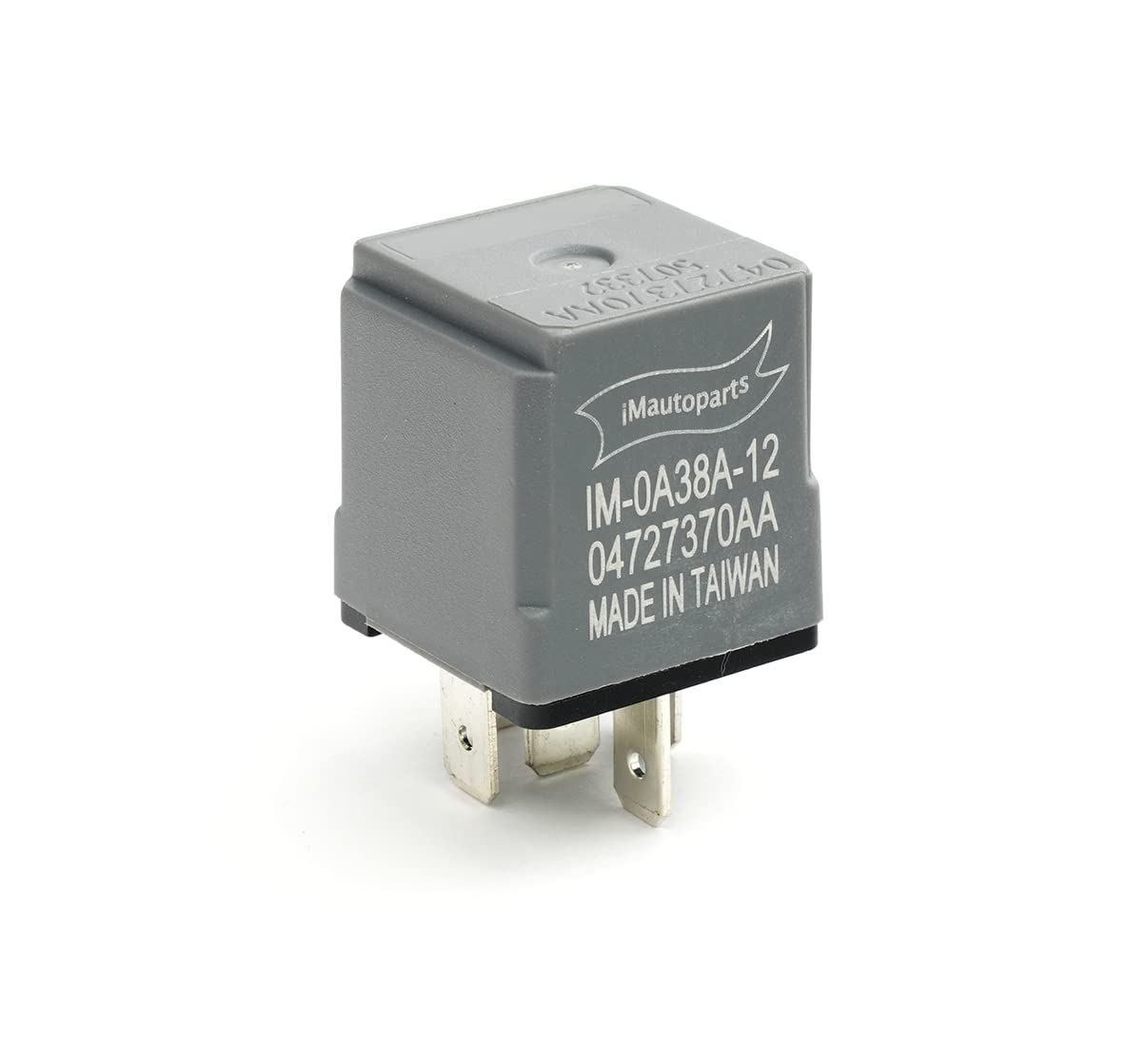
Relays can wear out after long use or exposure to heat. Purchase a new starter relay that matches your Dodge Ram’s model. Unplug the old relay from the fuse box. Plug in the new relay firmly to ensure a solid connection. Replacing the relay often fixes no-start problems and clicking sounds.
Checking Wiring Harness
Wiring problems cause poor current flow to the starter. Inspect the wiring harness connected to the relay for damage or loose connections. Look for frayed wires, corrosion, or burnt spots. Tighten any loose terminals or replace damaged wires. Secure wiring supports reliable starting and prevents shorts.
Battery Condition Check
A weak battery can mimic relay failure symptoms. Test your battery’s voltage using a multimeter. A fully charged battery shows around 12.6 volts. Clean battery terminals to remove corrosion that blocks power flow. Replace the battery if it fails to hold a charge. Good battery health supports proper relay function and engine start.
Expert Tips
Expert tips can help you avoid Dodge Ram starter relay problems. These tips focus on simple actions to keep your truck starting smoothly. Follow these easy steps to protect your vehicle’s starter system and save time and money.
Preventive Maintenance
Check your starter relay regularly for signs of wear. Keep the electrical connections clean and tight. Moisture and dirt can cause corrosion and poor contacts. Replace the relay every few years or as recommended by your owner’s manual. Use a quality relay that fits your Dodge Ram model.
Signs To Watch For
Listen for clicking sounds when you turn the key. Notice if your engine does not crank or starts slowly. Pay attention if the starter keeps running after the engine starts. Look for smoke or burning smells near the relay or fuse box. These signs mean the relay may be failing.
When To Consult A Mechanic
Get professional help if your Dodge Ram has repeated starting issues. A mechanic can test the relay and other parts. They can find hidden problems that may cause relay failure. Avoid driving with a faulty starter relay to prevent further damage. Early repairs save you from costly breakdowns later.
Credit: www.amazon.com
Frequently Asked Questions
What Are The Symptoms Of A Bad Starter Relay?
Symptoms of a bad starter relay include no engine crank, clicking sounds, intermittent starts, slow cranking, and starter motor staying engaged.
Where Is The Starter Relay Located On A Dodge Ram 1500?
The starter relay on a Dodge Ram 1500 is located in the engine compartment fuse box. It sits near the battery and firewall.
How To Check If Start Relay Is Bad?
Check a bad start relay by listening for clicking sounds, testing voltage with a multimeter, or observing intermittent starting issues.
What Happens When The Starter Relay Fuse Blows?
A blown starter relay fuse stops power to the starter motor, causing the engine not to crank. The vehicle may produce clicking sounds or fail to start. Replacing the fuse and checking the relay resolves the issue, restoring proper starting function.
What Are Common Symptoms Of Dodge Ram Starter Relay Problems?
Symptoms include clicking sounds, no-start conditions, slow cranking, and starter staying engaged after start.
Conclusion
Dodge Ram starter relay problems can cause many starting issues. You might hear clicking sounds or experience slow engine cranking. Sometimes the starter stays engaged, causing grinding noises and damage. Watching for these symptoms helps catch problems early. Fixing the relay quickly saves you time and money.
Regular checks keep your Dodge Ram running smoothly. Don’t ignore signs of starter relay failure. Taking action ensures reliable starts every time you turn the key.