

If you drive a Dodge Ram, you know how important smooth steering is for a comfortable and safe ride. But what happens when your steering starts feeling stiff or slow to respond?
Your Dodge Ram power steering pump could be the culprit. This small but vital part keeps your steering effortless, especially at low speeds or tight turns. If you’ve noticed strange noises when turning, fluid leaks, or your steering wheel vibrating, it’s time to pay attention.
You’ll discover how to spot signs of a failing power steering pump, why it matters, and what you can do to fix it before it affects your driving experience. Keep reading to protect your Ram and keep your steering sharp and reliable.
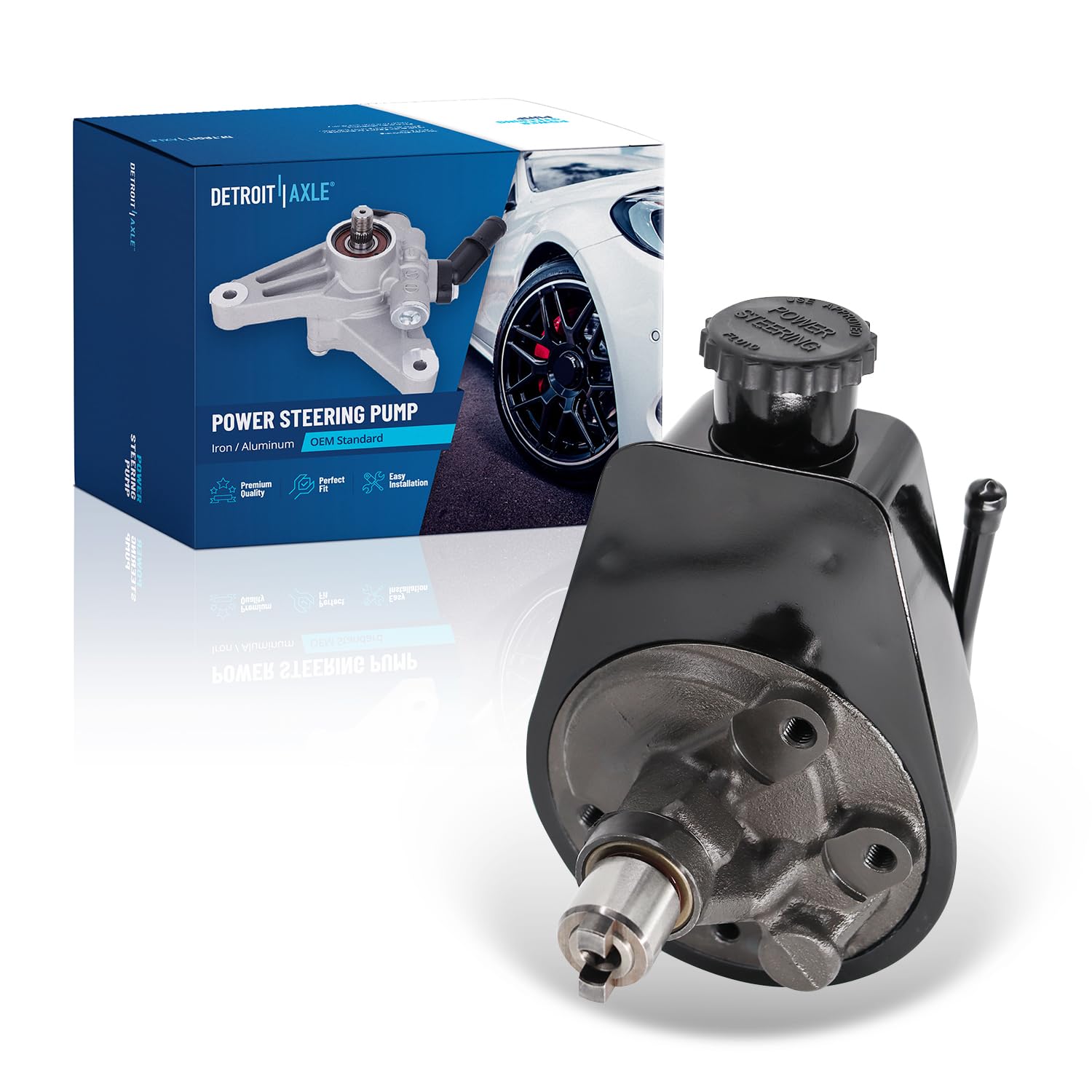
Credit: www.amazon.com
Symptoms Of A Bad Pump
The Dodge Ram power steering pump plays a key role in smooth steering. Signs of a bad pump appear early and should not be ignored. Recognizing these symptoms helps avoid costly repairs and unsafe driving. Watch for changes in steering feel, sounds, and fluid condition. These clues point to power steering pump trouble.
Stiff Or Heavy Steering
Steering becomes tough and hard to turn. This happens especially at low speeds. The pump may fail to push fluid properly. You feel more effort is needed to steer the truck. It feels less responsive and heavy.
Noises When Turning
Unusual noises arise during steering. Whining, groaning, or squealing sounds may occur. These noises come from a failing pump bearing or low fluid. They get louder when you turn sharply. Such sounds signal pump damage or fluid issues.
Fluid Leaks
Power steering fluid may leak under the truck. Look for wet spots near the pump or hoses. Leaks cause low fluid levels and poor steering. Fluid leaks often mean worn seals or cracked lines. Fix leaks quickly to protect the pump.
Slow Steering Response
The steering wheel reacts slowly to your input. Delayed response means the pump is not supplying enough pressure. This delay makes handling unsafe, especially in tight turns. It shows the pump is losing power or failing.
Burning Smell
A burning odor may come from the engine area. Overheated power steering fluid causes this smell. Pump friction or low fluid can lead to overheating. The smell warns of internal pump damage. Check the pump and fluid temperature.
Foamy Or Discolored Fluid
Check the power steering fluid for bubbles or dark color. Foamy fluid means air entered the system. Discolored fluid shows contamination or old age. Both conditions harm the pump and steering. Regular fluid checks prevent pump failure.

Credit: www.ebay.com
Initial Checks
Before diving into repairs or replacements, start with initial checks on your Dodge Ram power steering pump. These checks help spot simple problems early. They save time and money by avoiding unnecessary parts replacement.
Inspecting key components keeps your steering smooth and safe. Begin with fluid levels, then move to the drive belt, and finally check for leaks. Each step reveals vital clues about your power steering pump’s condition.
Check Fluid Levels
Power steering fluid is essential for pump function. Open the hood and locate the fluid reservoir. The fluid should be between the minimum and maximum marks. Low fluid causes hard steering and noise. Top up with the recommended fluid if levels are low. Avoid overfilling as it can cause damage.
Inspect Drive Belt
The drive belt powers the steering pump. Look for cracks, fraying, or glazing on the belt surface. A worn belt slips and reduces pump efficiency. Check the belt tension by pressing it gently. It should have some give but not be loose. Replace the belt if it looks damaged or worn out.
Look For Leaks
Leaks often cause power steering problems. Inspect around the pump, hoses, and reservoir for fluid spots or drips. Fluid leaks lower system pressure and damage components. Use a clean cloth to wipe suspected areas and recheck after running the engine. Fix leaks promptly to avoid bigger issues.
Tools And Parts Needed
Replacing a Dodge Ram power steering pump requires specific tools and parts. Having the right items ready makes the job smoother. This section covers the essential tools and parts needed for the replacement process. Understanding these will help you prepare properly.
Replacement Pump Options
Choose between new, remanufactured, or used pumps. New pumps offer the best reliability and warranty. Remanufactured pumps are cost-effective and tested for quality. Used pumps are cheaper but riskier due to unknown wear. Select a pump that fits your Dodge Ram model and year.
Required Tools
Basic hand tools include a socket set, wrenches, and screwdrivers. A pulley puller helps remove the old pump pulley safely. A drain pan catches leaking fluid during removal. A jack and jack stands provide safe vehicle access. Gloves and safety glasses protect you during the job.
Power Steering Fluid Types
Use the fluid type recommended by Dodge for your Ram. Common types include ATF+4 and specific power steering fluids. Check the owner’s manual for exact specifications. Using the wrong fluid can damage the new pump. Always refill with clean fluid to ensure smooth steering performance.
Credit: www.youtube.com
Step-by-step Repair
Repairing a Dodge Ram power steering pump is a task that demands care and attention. Following clear steps ensures safety and effective results. This guide breaks down the process into simple, manageable parts. Each step focuses on precision and avoiding damage. Let’s walk through the step-by-step repair process.
Removing The Old Pump
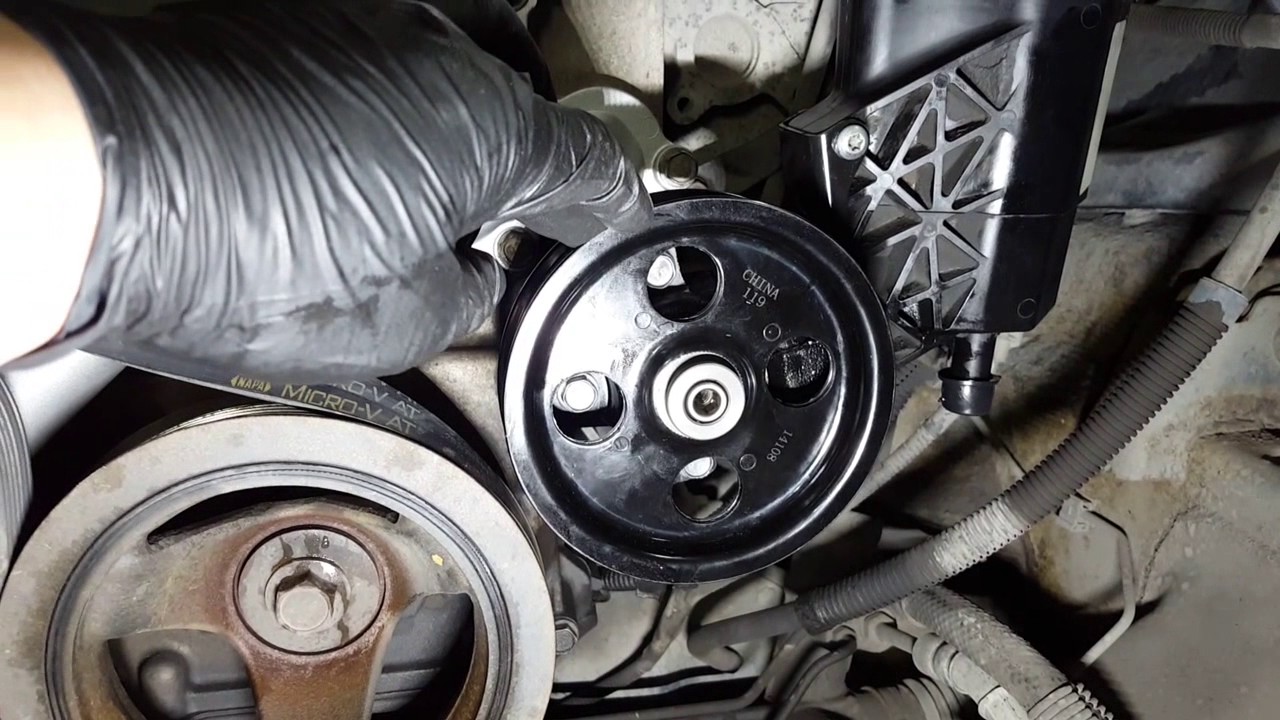
Start by disconnecting the battery to prevent electrical issues. Locate the power steering pump under the hood. Remove the belt by loosening the tensioner. Disconnect the fluid lines carefully to avoid spills. Unscrew the bolts holding the pump in place. Gently take out the old pump from its mount.
Preparing The New Pump
Inspect the new pump for any visible damage before installation. Compare it with the old pump to ensure a perfect match. Fill the reservoir with fresh power steering fluid if required. Lubricate the pulley and seals lightly to aid installation. Keep the pump upright to prevent fluid leakage during setup.
Installing The Replacement
Position the new pump in the mount carefully. Align the bolt holes and secure the pump with bolts. Reconnect the fluid lines tightly to avoid leaks. Reinstall the belt and adjust the tension for proper fit. Double-check all connections and bolts for safety.
Refilling Fluid
Use the recommended power steering fluid for your Dodge Ram. Fill the reservoir slowly to avoid overfilling. Check the fluid level with the dipstick or sight glass. Add fluid until it reaches the full mark. Clean any spilled fluid to prevent damage to engine parts.
Bleeding The System
Start the engine and turn the steering wheel from lock to lock several times. This helps remove air bubbles trapped in the system. Keep an eye on the fluid level and top up as needed. Listen for unusual noises indicating trapped air. Repeat the process until steering feels smooth and responsive.
Common Issues During Repair
Repairing the Dodge Ram power steering pump involves challenges that can slow the process. Understanding common issues helps avoid delays and ensures a smoother repair. These problems often arise from the pump’s tight spaces and fluid handling needs. Being prepared for these issues can save time and frustration during maintenance or replacement.
Dealing With Stuck Bolts
Bolts on the power steering pump may seize due to rust or dirt buildup. Using penetrating oil loosens them and prevents stripping the bolt heads. Apply steady pressure and avoid sudden force to reduce the risk of breaking bolts. Patience and the right tools are key to safely removing stuck bolts.
Avoiding Air In The System
Air trapped inside the power steering system causes noisy, jerky steering. After repairs, bleeding the system removes air pockets. Use the correct fluid and follow the bleeding steps carefully. Keeping the fluid level steady prevents air from entering and maintains smooth steering operation.
Handling Fluid Spills
Power steering fluid spills are common during pump repair. Clean spills quickly to avoid slippery surfaces and damage to painted areas. Use absorbent cloths and dispose of waste properly. Avoid mixing fluid types to keep the system clean and functioning well after repairs.
Testing After Replacement
After replacing the Dodge Ram power steering pump, proper testing is crucial. Testing ensures the new pump works correctly and safely. It helps catch any issues early. Follow a simple process to check the system’s condition and performance.
Checking For Leaks
Start by inspecting the area around the power steering pump. Look closely for any fluid dripping or wet spots. Check the hoses and connections for tightness. Leaks can cause steering problems and damage other parts. Fix any leaks before driving the vehicle.
Steering Performance Test
Turn the steering wheel slowly from lock to lock. The movement should feel smooth and easy. Watch for any stiffness or resistance while turning. The steering should respond quickly without delay. Test the wheel at different speeds to confirm consistent performance.
Listening For Unusual Noises
Listen carefully while turning the steering wheel. The pump should run quietly without whining or grinding sounds. Strange noises may indicate air in the system or pump failure. If you hear unusual sounds, recheck the installation and fluid level. Address any noise issues before using the truck regularly.
Maintenance Tips
Proper maintenance keeps your Dodge Ram power steering pump working well. Regular care prevents damage and costly repairs. Follow these simple tips to extend the pump’s life and ensure smooth steering.
Regular Fluid Checks
Check the power steering fluid often. Low fluid causes the pump to work harder and wear out faster. Look for leaks under the truck or around the pump. Use the correct fluid type listed in your owner’s manual. Top off the fluid if it is low to maintain proper pressure and performance.
Belt Inspection
Inspect the belt that drives the power steering pump. A worn or loose belt can slip and reduce pump efficiency. Look for cracks, fraying, or glazing on the belt surface. Replace the belt if it shows signs of wear. Adjust the tension so the belt is firm but not too tight.
When To Replace The Pump
Replace the power steering pump if you hear whining or groaning sounds during steering. Stiff or slow steering response also signals pump failure. Check for fluid leaks around the pump area. If you notice vibrations or burning smells, it may be time for a new pump. Early replacement avoids damage to other steering parts.
Where To Buy Parts In Austin
Finding the right parts for your Dodge Ram power steering pump in Austin is simple with many options available. Austin offers several places to buy quality parts at fair prices. Choose from local stores or online shops to suit your needs.
Local Auto Parts Stores
Austin has many trusted auto parts stores. These stores provide parts you can see and touch before buying. Staff often help you find the exact power steering pump parts for your Dodge Ram. Common stores include NAPA Auto Parts and O’Reilly Auto Parts. Visiting local stores means quick pickup and easy returns.
Online Retailers
Online retailers offer a wide selection of Dodge Ram power steering pump parts. Websites like Amazon, eBay, and CarParts.com have competitive prices. They deliver parts directly to your home in Austin. Online shopping saves time and gives access to customer reviews. Make sure to check return policies before buying.
Recommended Brands
Choosing the right brand is important for durability and performance. Brands like Mopar, ACDelco, and Dorman are known for quality power steering pumps. These brands fit Dodge Ram models well and last longer. Select brands with good reviews and warranty options for peace of mind.
Frequently Asked Questions
How Do I Know If A Power Steering Pump Is Bad?
A bad power steering pump causes stiff steering, whining noises, fluid leaks, and slow wheel response. Vibrations and squealing sounds may also occur.
What Is The Recall On The Dodge Ram Power Steering?
The Dodge Ram power steering recall addresses potential pump failures causing stiff steering or fluid leaks. Check your vehicle’s VIN for specific recall details.
Can I Replace My Power Steering Pump Myself?
You can replace your power steering pump yourself if you have mechanical skills and proper tools. Follow a detailed guide carefully. Otherwise, seek professional help to avoid damage or safety risks.
How Many Labor Hours To Replace A Power Steering Pump?
Replacing a power steering pump typically takes 2 to 3 labor hours. Time varies by vehicle make and model.
What Are Common Symptoms Of A Bad Dodge Ram Power Steering Pump?
A bad pump causes stiff steering, whining noises, fluid leaks, or vibrations when turning.
Conclusion
Maintaining your Dodge Ram’s power steering pump ensures smooth steering. Watch for stiff steering or strange noises while driving. Early repairs prevent costly damage and keep your truck safe. Regular checks of fluid levels help avoid pump failure. Choose quality parts for lasting performance.
Stay alert to any leaks or vibrations in the steering wheel. Proper care extends your vehicle’s life and driving comfort. Keep your Dodge Ram running strong on every trip.