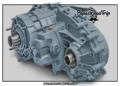


If you own a Dodge Dakota, you know how important it is for every part of your truck to work smoothly—especially the transfer case. This crucial component controls power distribution between your front and rear wheels, helping you tackle tough terrains and tricky driving conditions.
But what happens when your Dodge Dakota transfer case starts acting up? You might notice strange noises, difficulty shifting, or even warning lights that leave you worried about your truck’s health. Ignoring these signs can lead to bigger problems and costly repairs.
You’ll discover the common transfer case problems Dodge Dakota owners face, how to spot them early, and what steps you should take to keep your truck running strong. Keep reading to protect your ride and avoid unexpected breakdowns.
Transfer Case Basics
The transfer case is a key part of the Dodge Dakota’s four-wheel-drive system. It sends power from the transmission to both front and rear axles. This helps the truck move all wheels, improving grip on rough or slippery roads.
The transfer case works with other parts like the transmission and driveshaft. It controls how power is divided, which affects driving performance. Knowing how it works helps you spot problems early.
Role In Dodge Dakota
In the Dodge Dakota, the transfer case shifts power between two-wheel and four-wheel drive modes. It allows the driver to switch between 2WD, 4WD high, and 4WD low settings. This gives better control on different terrains.
The transfer case also balances torque to prevent wheel slippage. It improves traction on mud, snow, and steep hills. Without it, the Dakota would struggle in tough driving conditions.
Common Transfer Case Types
Dodge Dakota models often use chain-driven or gear-driven transfer cases. Chain-driven types are quieter and lighter but may wear faster. Gear-driven cases are stronger and last longer but can be noisier.
Many Dakotas have part-time transfer cases. They require the driver to switch to 4WD manually. Some newer models may have full-time or automatic systems that adjust power distribution on their own.

Credit: www.transmissiondigest.com
Symptoms Of Transfer Case Issues
The transfer case is a vital component of your Dodge Dakota’s drivetrain. It controls power distribution between front and rear wheels. Problems in this part can cause serious drivability issues. Recognizing symptoms early helps avoid costly repairs and unsafe driving conditions.
Below are common signs that indicate transfer case problems. These symptoms often appear before the transfer case fails completely. Pay close attention to these warning signs to maintain your truck’s performance and safety.
Unusual Noises
Listen for strange sounds from under your vehicle. Grinding, whining, or clunking noises often signal transfer case wear. These sounds may occur when shifting gears or while driving. Early detection can prevent further damage.
Difficulty Shifting
Hard or delayed gear shifting can indicate transfer case trouble. The truck may hesitate when switching between two-wheel and four-wheel drive. This issue can lead to stuck or slipping gears over time.
Fluid Leaks
Check for fluid puddles beneath your truck. Transfer case fluid is usually reddish or brownish. Leaks lower lubrication, causing internal parts to wear faster. Regular fluid checks help spot leaks early.
Warning Lights
Dashboard warning lights may turn on if the transfer case malfunctions. The 4WD or service vehicle light often illuminates. Ignoring these alerts can worsen the problem and increase repair costs.
Vibrations And Shuddering
Unusual vibrations or shuddering during acceleration may come from a failing transfer case. This shaking often grows worse at higher speeds. It signals imbalanced or damaged internal components.
Typical Causes Of Problems
The transfer case in a Dodge Dakota is a vital part of the drivetrain. It splits power between the front and rear wheels. Problems in this system can lead to poor vehicle performance and costly repairs. Understanding the typical causes helps in early detection and maintenance. Here are the main reasons transfer case issues occur in Dodge Dakotas.
Wear And Tear
Over time, parts inside the transfer case wear down. Constant movement causes friction on gears and bearings. This gradual wear reduces efficiency and may lead to noise or slipping. High mileage trucks often experience this issue. Regular maintenance can slow the wear process.
Fluid Contamination
Transfer case fluid lubricates moving parts and keeps them cool. If the fluid becomes dirty or contaminated, it loses effectiveness. Contamination can come from water, dirt, or metal particles. Dirty fluid causes overheating and damages internal components. Changing the fluid at recommended intervals prevents this problem.
Mechanical Failures
Mechanical problems include broken gears, damaged seals, and faulty chains. These failures disrupt the transfer of power between wheels. Mechanical breakdowns often produce clunking noises and difficulty in shifting. Sudden stops or heavy towing can trigger these failures. Timely repairs avoid further damage.
Factory Design Flaws
Some Dodge Dakota transfer cases have known design weaknesses. These factory flaws may cause premature wear or failure. Certain model years report recurring issues like weak bearings or poor sealing. Awareness of these flaws helps owners monitor their vehicle closely. Consulting recalls and service bulletins is useful.

Credit: www.amazon.com
Troubleshooting And Diagnosis
Troubleshooting and diagnosing Dodge Dakota transfer case problems requires a careful and step-by-step approach. The transfer case plays a key role in power distribution to the wheels. Early detection of issues can prevent costly repairs and ensure safe driving. The following methods help identify the root cause of transfer case troubles.
Fluid Level And Quality Check
Start by checking the transfer case fluid level. Low fluid can cause overheating and damage. Use the dipstick or fill plug to inspect the fluid level. The fluid should be clear and have a smooth texture. Dark, dirty, or burnt-smelling fluid indicates wear or contamination. Metal particles in the fluid suggest internal parts breaking down. Regular fluid checks help maintain transfer case health.
Visual Inspection
Perform a visual inspection of the transfer case and surrounding components. Look for leaks, cracks, or damage on the housing. Check for loose or broken bolts and connections. Inspect the driveshaft and U-joints for wear or misalignment. Damaged seals or gaskets often cause fluid leaks. Visual signs guide you to specific transfer case problems quickly.
Professional Diagnostic Tools
Advanced diagnostic tools can read error codes from the vehicle’s computer. These codes help pinpoint transfer case malfunctions. Tools like scan devices and pressure gauges measure performance and detect hidden faults. A professional mechanic uses these tools to find electrical or mechanical issues accurately. Proper diagnostics save time and avoid unnecessary repairs.
Repair And Replacement Options
Repairing or replacing a Dodge Dakota transfer case requires understanding various options. Each option depends on the extent of the damage and your budget. Some problems need simple fixes, while others demand full replacement. Knowing these repair and replacement choices helps you make the best decision for your truck.
Fluid Flush And Replacement
Transfer case fluid lubricates and cools internal parts. Old or dirty fluid causes wear and damage. A fluid flush removes contaminated fluid and replaces it with fresh fluid. This simple service can prevent major problems and improve transfer case performance. Regular fluid changes extend the life of your transfer case.
Seal And Gasket Repair
Leaking seals or gaskets cause fluid loss and damage inside the transfer case. Replacing worn seals and gaskets stops leaks and protects internal parts. This repair is less costly than rebuilding or replacing the whole unit. Proper sealing keeps your transfer case running smoothly and avoids further issues.
Rebuilding The Transfer Case
Rebuilding involves replacing worn or broken internal parts. This option restores function without buying a new transfer case. It takes skilled labor but can save money compared to full replacement. Rebuilding is ideal if damage is limited to specific components inside the transfer case.
Complete Replacement
Severe damage or failure often requires a complete transfer case replacement. Installing a new or remanufactured unit guarantees reliability. This option is more expensive but ensures long-term performance. Replacement is the best choice when repairs or rebuilding are not cost-effective or possible.

Credit: www.youtube.com
Maintenance Tips
Maintaining the transfer case of your Dodge Dakota helps prevent costly repairs. Proper care keeps the system running smoothly and extends its life. Simple, regular maintenance can avoid many common problems with the transfer case.
Regular Fluid Checks
Check the transfer case fluid often. The fluid lubricates internal parts and keeps them cool. Low or dirty fluid causes damage and wear. Use the type of fluid recommended in your owner’s manual. Change the fluid as scheduled to keep the transfer case healthy.
Driving Habits To Avoid
Avoid harsh driving habits that stress the transfer case. Do not shift between two-wheel and four-wheel drive while moving fast. Sudden changes can damage internal gears. Avoid off-road driving in deep water or mud, which may cause fluid contamination. Drive smoothly to reduce strain on the transfer case.
Scheduled Inspections
Have a mechanic inspect your transfer case regularly. Professional checks can find small issues before they become big problems. Inspections include checking for leaks, unusual noises, and fluid condition. Follow the manufacturer’s recommended service intervals for the best care.
Model Year Concerns
The Dodge Dakota has a reputation for durability but some model years face transfer case issues. Transfer cases control power distribution between wheels in four-wheel drive vehicles. Problems can cause poor performance and costly repairs. Knowing which model years had transfer case troubles helps owners stay alert and prepare for repairs.
Some Dodge Dakota models have more frequent transfer case failures. These issues often relate to design or manufacturing flaws in specific years. Paying attention to these model year concerns can save time and money. Awareness also aids in spotting symptoms early to avoid severe damage.
Problematic Years
The 1997 to 2004 Dodge Dakota models show higher rates of transfer case problems. These years often report noises like grinding or clunking from under the truck. Difficulty shifting between two-wheel and four-wheel drive modes is common. Fluid leaks around the transfer case area also occur frequently in these models. Many owners report the transfer case locking up or failing completely, especially after heavy use.
The 2005 and later models improved transfer case design but some still face issues. Regular maintenance remains crucial for all model years to extend transfer case life and prevent failure.
Known Recalls And Fixes
Some Dodge Dakota models had recalls addressing transfer case components. For example, the 1998 to 2000 models experienced recalls for transfer case shift motor replacements. These fixes aimed to stop the transfer case from getting stuck or not shifting properly. Dealers replaced faulty parts free of charge under recall programs.
Beyond recalls, aftermarket fixes and rebuild kits help owners repair transfer cases. Replacing worn bearings, seals, and shift motors can restore proper function. Regular fluid changes and inspections catch problems early before major damage occurs.
Preventing Future Issues
Preventing future issues with your Dodge Dakota transfer case is vital for reliable driving. Regular care helps avoid costly repairs and breakdowns. Small habits and good practices extend the transfer case’s life and keep your truck running smoothly.
Knowing how to protect this key component reduces frustration and keeps your vehicle safe on the road.
Quality Parts
Using quality parts ensures better fit and durability. Cheap parts wear out fast and cause more damage. Choose parts made for Dodge Dakota models. OEM or trusted aftermarket parts work best. They help the transfer case perform well for longer.
Professional Servicing
Let experts handle transfer case checks and repairs. Professional mechanics spot problems early and fix them right. They use proper tools and follow correct steps. This reduces the risk of new issues. Regular servicing keeps the transfer case healthy.
Timely Repairs
Fix transfer case problems as soon as they appear. Ignoring issues causes more damage over time. Strange noises or shifting trouble need quick attention. Early repairs save money and prevent breakdowns. Act fast to keep your truck reliable.
Frequently Asked Questions
How Do I Know If My Transfer Case Is Bad?
Signs of a bad transfer case include grinding or whining noises, difficulty shifting, fluid leaks, warning lights, and vibrations during driving. Check for reddish or brown fluid under the vehicle. Have a professional inspect it promptly to avoid further damage or driving issues.
What Are Common Dodge Dakota Transmission Problems?
Common Dodge Dakota transmission problems include gear slipping, failure to engage gears, rough shifting, and fluid leaks. Factory design flaws often cause these issues. Regular maintenance helps prevent costly repairs.
What Year To Stay Away From Dodge Dakota?
Avoid Dodge Dakota models from 2005 and 2006 due to frequent transfer case and transmission problems.
Can You Still Drive With A Bad Transfer Case?
Driving with a bad transfer case risks further damage and safety issues. Limit driving and get it inspected immediately.
What Are Common Dodge Dakota Transfer Case Problems?
Common issues include fluid leaks, strange noises, difficulty shifting, and vibrations during driving.
Conclusion
Dodge Dakota transfer case problems can disrupt your driving experience. Watch for unusual noises, fluid leaks, and shifting issues. Early attention helps avoid costly repairs. Regular inspections keep your transfer case working well. Drive carefully if you suspect a problem.
Taking prompt action protects your vehicle’s performance and safety. Stay alert to signs and maintain your Dodge Dakota properly.