

If you rely on your vehicle every day, a faulty fuel pump can quickly turn your routine upside down. When it comes to Delphi fuel pumps, you might wonder if they live up to the promise of reliability and performance.
Are they truly a smart choice, or could you face unexpected problems that leave you stranded? You’ll discover the most common Delphi fuel pump problems, how to spot them early, and what you can do to keep your vehicle running smoothly.
Don’t let a simple fuel pump issue catch you off guard—read on to protect your ride and your peace of mind.

Credit: www.dubaigardenglow.com
Common Fuel Pump Issues
Fuel pumps play a vital role in keeping your vehicle running smoothly. Common fuel pump issues can cause performance problems and even stop your car from starting. Understanding these issues helps in quick diagnosis and repair. Delphi fuel pumps, known for quality, can still face some common problems. This section explores typical symptoms, causes, and Delphi-specific concerns.
Symptoms Of Failure
One of the first signs is engine sputtering at high speeds. The vehicle may stall unexpectedly. You might notice difficulty starting the engine. A loud whining noise from the fuel tank is a warning sound. Reduced fuel efficiency can also indicate pump trouble. Check engine light might turn on without other signs. These symptoms suggest the fuel pump needs inspection.
Causes Of Pump Malfunction
Fuel contamination is a common cause. Dirt and debris clog the pump and filters. Overheating due to low fuel levels can damage the pump. Electrical issues like bad wiring or a faulty relay disrupt power. Wear and tear over time reduce pump efficiency. Using poor quality fuel or additives can harm the pump. Ignoring regular maintenance speeds up failure.
Delphi-specific Problems
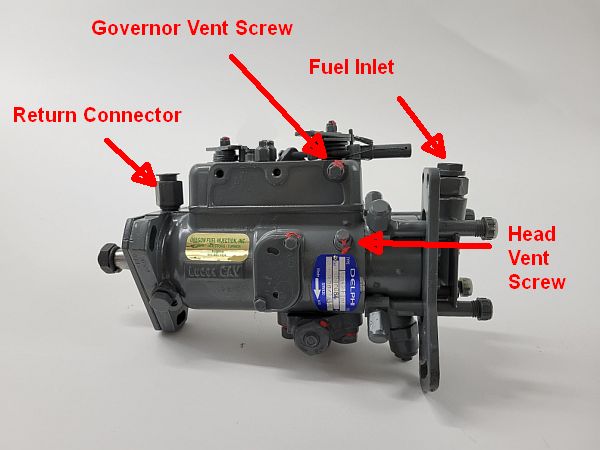
Delphi pumps generally match original equipment standards. Some users report leaks from hoses or connectors included with the pump. Installation may require adjustments to fit correctly. A few pumps fail prematurely but may be covered by warranty. Mixed reviews show some reliability concerns with specific models. Testing and proper installation help avoid common Delphi pump problems.
Delphi Pump Quality Insights
Delphi fuel pumps are known for their strong build and reliable performance. Many drivers trust Delphi for replacement parts that match original equipment quality. Understanding the quality of Delphi pumps helps in making smart repair choices. This section explores the key aspects of Delphi pump quality to guide your decisions.
Original Equipment Standards
Delphi fuel pumps meet strict original equipment standards. They are designed to fit and function like factory-installed parts. This ensures smooth vehicle operation and durability. The parts undergo rigorous testing to match or exceed OEM requirements. Using Delphi means getting a pump that performs as expected without surprises.
User Performance Reviews
Many users report positive results with Delphi fuel pumps. They highlight reliable starts and steady engine power after installation. Some mention improved acceleration and fuel efficiency. A few users face minor issues like connector leaks or fit adjustments. Overall, the majority find Delphi pumps dependable and worth the cost.
Warranty And Support
Delphi often backs their fuel pumps with solid warranty coverage. This offers buyers peace of mind against early failures. Customer support helps resolve issues like installation questions or part defects. Warranty terms vary by product, but coverage usually protects for a reasonable time. Good support adds value to the Delphi fuel pump purchase.
Installation Challenges
Installing a Delphi fuel pump can present several challenges. These issues often stem from compatibility and fitting problems. Knowing what to expect helps avoid common mistakes. Proper installation ensures the pump works efficiently and lasts longer.
Accessory Compatibility
Delphi fuel pumps come with various accessories. Sometimes, these parts do not match your vehicle’s original fittings. Mismatched hoses or connectors cause installation delays. Using incompatible accessories can lead to leaks or poor performance. Check all accessories before starting the installation. Confirm they fit your car’s make and model.
Fitting And Leak Issues
Fuel pump fitting requires precision. Incorrect fitting risks fuel leaks and engine problems. Tight spaces in the fuel tank area add difficulty. Some users report leaks from seals or connectors after installation. Ensuring all parts fit snugly reduces leak risks. Always inspect seals and clamps for damage or wear.
Tips For Proper Setup
Prepare your workspace with clean tools and clear space. Follow the vehicle’s service manual step-by-step. Test the pump for leaks before final assembly. Use new seals and gaskets during installation. Tighten all connections to the correct torque specifications. Double-check electrical connections for secure contact. Take your time to avoid rushing and mistakes.

Credit: www.youtube.com
Troubleshooting Tips
Troubleshooting Delphi fuel pump problems can save time and money. Understanding key steps helps identify issues quickly. This section offers simple tips to diagnose and fix common problems. Follow these guidelines for effective troubleshooting.
Diagnostic Steps
Start by checking the fuel pump fuse and relay. A blown fuse or faulty relay can stop the pump from working. Listen for a humming sound from the fuel tank when you turn the key. No sound may mean the pump is not running.
Use a multimeter to test the pump’s electrical connections. Check for proper voltage at the pump connector. Inspect the fuel filter for clogs. A clogged filter can reduce fuel flow and mimic pump failure.
Scan the vehicle’s computer for error codes. Codes related to fuel delivery help pinpoint the issue. Observe engine performance. Hesitation, stalling, or hard starting can indicate fuel pump problems.
Common Fixes
Replace a blown fuse or faulty relay to restore power. Clean or replace clogged fuel filters to improve flow. Tighten or repair loose wiring and connectors to ensure good electrical contact.
Sometimes, cleaning the fuel pump’s screen filter helps. If the pump is worn out or damaged, replacement is necessary. Use quality Delphi parts for best compatibility and durability.
Check for fuel leaks around the pump and hoses. Replace any cracked or damaged hoses to prevent fuel loss. Proper installation and sealing reduce future issues.
When To Seek Professional Help
Consult a mechanic if electrical tests are confusing or if error codes persist. Complex fuel system problems need specialized tools and knowledge. Professionals can perform pressure tests to confirm pump health.
Seek expert help if the pump needs removal or replacement. Incorrect handling can cause damage or safety risks. A certified technician ensures correct fit and function.
Visit a service center if the vehicle shows signs of deeper engine or fuel system trouble. Early diagnosis prevents costly repairs later. Trust experienced professionals for accurate solutions.
Replacement Considerations
Replacing a Delphi fuel pump requires careful thought. Choosing the right part ensures proper function and avoids future issues. Consider brand, quality, and fit for your vehicle. These factors help maintain engine performance and fuel efficiency.
Choosing The Right Part Number
Always verify the part number before purchase. Using the exact Delphi part number guarantees compatibility. Check your vehicle’s manual or ask a trusted mechanic. Installing the wrong part can cause poor fuel delivery or damage. Matching the part number also helps keep warranty coverage intact.
Comparing Delphi With Other Brands
Delphi offers many original equipment quality pumps. Other brands might be cheaper but vary in reliability. Some aftermarket pumps lack durability and exact fit. Delphi parts often fit perfectly without modification. Consider brand reputation and user reviews before deciding. Quality parts reduce installation problems and improve vehicle performance.
Value And Reliability Factors
Delphi fuel pumps balance cost with quality well. They provide reliable performance for most drivers. Some pumps come with warranties for added security. Watch for reports of early failures or leaks. Proper installation is key to lasting performance. Investing in a good pump saves money on repairs later.
Credit: oregonfuelinjection.com
Frequently Asked Questions
Does Delphi Make A Good Fuel Pump?
Delphi fuel pumps offer OE-quality performance and reliability. Many users report smooth operation and good value. Some face installation or premature failure issues. Research specific models and consider professional diagnosis before purchase for best results.
What Are The Signs That Your Fuel Pump Is Bad?
Signs of a bad fuel pump include engine sputtering, difficulty starting, loss of power, stalling, and unusual whining noises.
How Long Does A Delphi Fuel Pump Last?
A Delphi fuel pump typically lasts 100,000 to 150,000 miles. Lifespan varies by usage and maintenance. Proper installation ensures longer durability.
Which Fuel Pump Is Better, Delphi Or Bosch?
Bosch fuel pumps generally offer higher reliability and durability than Delphi. Delphi provides good OE fit and value but may have occasional installation issues. Choose Bosch for long-term performance; select Delphi for cost-effective, original-equipment replacement. Always match the pump to your vehicle’s specific needs.
What Are Common Delphi Fuel Pump Problems?
Delphi fuel pumps may face leaks, premature failure, or installation difficulties with hoses and connectors.
Conclusion
Delphi fuel pumps offer solid quality and reliable performance overall. Some users face installation challenges or early pump failures. Checking the exact part number helps avoid compatibility problems. Having a mechanic inspect your fuel system ensures accurate diagnosis. Proper care and timely repairs keep your vehicle running smoothly.
Stay informed to make the best choice for your fuel pump needs.