

When it comes to choosing the right steering wheel for your car, you might find yourself stuck between two popular options: deep dish and flat steering wheels. Each style offers unique benefits, but which one suits your driving style best?
Whether you’re into drifting, rally racing, or just want a better feel for your daily drive, understanding the key differences can make a huge impact on your control, comfort, and confidence behind the wheel. You’ll discover how deep dish and flat steering wheels affect your grip, handling, and overall driving experience—helping you decide which wheel truly fits your needs.
Keep reading to find out which steering wheel will take your driving to the next level.
Deep Dish Steering Wheels
Deep dish steering wheels are popular in motorsports and performance cars. They have a unique design that sets them apart from flat wheels. The center hub sits deeper than the outer rim, creating a bowl shape. This style offers specific advantages for drivers who need precise control.
Many drivers prefer deep dish wheels for drifting and rally racing. These wheels help improve grip and handling in tight turns. They also offer better leverage for steering inputs. Understanding their features helps choose the right wheel for your driving style.
Design Features
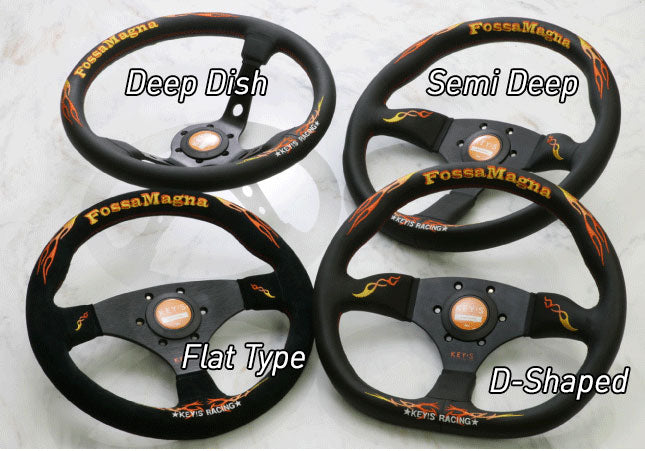
Deep dish wheels have a recessed center section. The rim extends outward while the hub stays pushed back. This creates a dish-like appearance. The design keeps fingers away from the spokes during sharp turns. Many deep dish wheels use lightweight materials like aluminum or carbon fiber. This lowers the overall weight while maintaining strength. The diameter and thickness vary based on vehicle type and intended use.
Benefits For Drifting And Rally
Drifting requires quick and precise steering inputs. Deep dish wheels provide extra leverage to make sharp turns easier. Rally drivers benefit from improved grip and control on rough terrain. The dish shape allows hands to stay clear of the dashboard and other controls. These wheels also reduce hand fatigue during long, intense drives. The enhanced control helps maintain vehicle balance in tricky situations.
Impact On Vehicle Stability
Deep dish wheels can improve stability by offering better steering feedback. The design allows for finer adjustments when cornering. It helps drivers react faster to changes in road conditions. Some drivers feel more connected to the vehicle using these wheels. However, the effect depends on suspension setup and tire choice. Proper alignment and tuning are essential for stability benefits.
Potential Drawbacks
Deep dish wheels can add weight compared to flat wheels. This extra weight might increase wear on suspension parts. Some models have a larger steering radius, which can reduce quick response. The deep design may also limit visibility of dashboard instruments. Installation can require special adapters or modifications. Overall, these wheels suit specific driving needs but may not fit all vehicles.
Flat Steering Wheels
Flat steering wheels offer a modern twist to traditional round designs. They feature a straight, horizontal bottom edge instead of a full circle. This shape changes how drivers interact with the wheel and the overall driving feel. Flat steering wheels suit many cars, especially sporty and compact models.
Design Characteristics
Flat steering wheels have a straight, flat bottom section. This design reduces the wheel’s overall height. The diameter is often smaller than round wheels. Materials include leather, suede, or synthetic covers. Many feature metallic accents or stitching for style. The flat shape adds a sporty and technical look.
Ergonomic Advantages
The flat bottom creates extra legroom for the driver. It prevents the wheel from rubbing against the thighs. This is helpful during sharp turns or quick movements. Drivers can grip the wheel more securely at the 9 and 3 o’clock positions. The shape encourages a natural hand placement. It reduces wrist strain on long drives.
Use In Daily Driving
Flat steering wheels work well for everyday use. Their size and shape improve comfort in tight spaces. Parking and maneuvering feel more precise. Many drivers find them easier to handle in stop-and-go traffic. The flat bottom helps with quick steering inputs. They fit well in cars with lower seating positions.
Aesthetic Appeal
Flat steering wheels give cars a modern, sporty look. They add a sense of performance and style inside the cabin. The clean lines and shapes appeal to younger drivers. Custom stitching or color accents can enhance the appearance. They match well with sporty seats and trim. Overall, they boost the vehicle’s visual appeal.
Performance Comparison
Comparing deep dish and flat steering wheels reveals clear differences in performance. Each style affects how a driver handles the vehicle, feels comfort, and experiences durability. These factors influence driving quality and vehicle response. Understanding these aspects helps choose the right steering wheel for your needs.
Handling And Control
Deep dish wheels offer better leverage, improving steering precision. They allow easier hand placement, which helps in tight turns. Flat wheels provide a more direct feel, benefiting quick steering inputs. Drivers often prefer flat wheels for sportier, faster reactions. Both types improve control but suit different driving styles.
Comfort And Grip
Deep dish wheels keep fingers away from the spokes, reducing hand fatigue. Their shape offers a natural grip, ideal for long drives. Flat wheels provide a consistent grip area, which some find more comfortable. Grip materials also affect comfort, regardless of wheel shape. Comfort depends on hand size and personal preference.
Weight And Durability
Flat wheels usually weigh less, which can improve steering response. Deep dish wheels tend to be heavier due to their design. Heavier wheels may increase wear on steering parts over time. Both wheel types use durable materials, but weight impacts longevity. Choosing a lightweight wheel can reduce strain on vehicle components.
Effect On Vehicle Components
Deep dish wheels can put extra stress on the steering column and suspension. This stress might lead to faster wear of these parts. Flat wheels place less load on components, helping preserve them longer. Proper installation and quality parts reduce potential damage. Vehicle maintenance should consider the steering wheel type used.

Credit: www.youtube.com
Choosing Based On Driving Style
Choosing the right steering wheel depends largely on your driving style. Different types of wheels offer unique benefits suited to specific driving needs. Understanding these can improve control and comfort behind the wheel. Below, explore how deep dish and flat steering wheels match various driving activities.
Drifting And Rally Needs
Deep dish steering wheels excel in drifting and rally driving. Their recessed design keeps hands clear of the spokes during sharp turns. This feature allows quick, precise steering inputs. Drivers gain better grip and leverage for aggressive maneuvers. Rally drivers also benefit from the added control on rough terrain.
Circuit Racing Preferences
Flat steering wheels are popular in circuit racing. They offer a sleek, direct feel for high-speed precision. The flat shape provides extra legroom and easier entry and exit from the cockpit. Racers can perform quick, small steering corrections with confidence. This style supports smooth handling on tight corners and fast straights.
Off-road Considerations
Off-road drivers often prefer deep dish wheels for added leverage. The deeper grip helps control the vehicle on uneven surfaces. It reduces arm fatigue during long rides over rough trails. The design also keeps hands safely away from buttons and controls. This reduces accidental inputs while navigating challenging terrain.
Daily Commuting Factors
Flat steering wheels suit daily commuting and city driving well. Their slim profile offers comfort and ease in tight parking spots. Drivers enjoy a clear view of the dashboard and instruments. The design feels natural during stop-and-go traffic. It helps reduce strain on wrists during long drives.
Installation And Compatibility
Choosing between a deep dish and flat steering wheel involves more than style. Installation and compatibility play a key role. Each type fits differently and changes how the steering feels. Understanding these aspects helps avoid costly mistakes and ensures a smooth driving experience.
Vehicle Fitment
Not all steering wheels fit every vehicle. Deep dish wheels often need more space behind the wheel. Some cars with tight dashboards may not fit them well. Flat wheels usually require less clearance and fit more vehicles. Always check the bolt pattern and hub adapter. These must match your car’s steering column. Also, consider if your vehicle has airbags or controls on the wheel. These features can limit your choices.
Adjusting To Steering Feel
Deep dish wheels bring the rim closer to the driver. This changes how you hold and turn the wheel. Drivers may find it easier to grip during sharp turns. Flat wheels offer a more direct feel and can help with precision. Switching wheels might need some time to get used to. Practice helps your hands and arms adjust to the new position. This adjustment impacts comfort and control on the road.
Aftermarket Options
The aftermarket offers many options for both deep dish and flat wheels. Brands provide different sizes, materials, and designs. Some include quick-release hubs for easy removal. Choose wheels with good build quality and safety features. Look for those that meet industry standards. Many aftermarket wheels come with adapters for better fitment. This variety allows customization for style and driving needs.
Credit: www.scoobynet.com
Maintenance And Longevity
Maintenance and longevity are key factors when choosing between a deep dish and a flat steering wheel. Both types affect your vehicle’s parts differently over time. Proper care helps extend the life of your steering system. Understanding the impact on suspension and steering parts is important. Cleaning habits also influence how long these wheels last.
Wear On Suspension And Steering
Deep dish steering wheels often sit closer to the driver. This design changes the steering angle and force needed. It can cause extra strain on suspension components. The increased leverage may wear out ball joints and tie rods faster. Flat steering wheels offer a more direct feel. They usually put less stress on the steering system. Choosing the right wheel can reduce long-term repair costs.
Cleaning And Care Tips
Regular cleaning keeps both wheels in good shape. Use a soft cloth and mild soap to wipe the surface. Avoid harsh chemicals that can damage leather or plastic. For leather wheels, apply conditioner every few months. This prevents cracking and drying out. Check the wheel bolts and connections often. Tighten any loose parts to avoid safety risks. Proper care ensures your steering wheel stays reliable and looks great.
Credit: www.rzcreweurope.com
Frequently Asked Questions
Are Deep Dish Steering Wheels Better?
Deep dish steering wheels offer better grip and finger clearance, ideal for drifting and off-road driving. They improve control but may add weight. The choice depends on driving style and vehicle type.
What Are The Cons Of Deep Dish Wheels?
Deep dish wheels can increase suspension wear due to their wider stance and heavier weight. They may also add extra weight, affecting handling and fuel efficiency.
Is A Flat-bottom Steering Wheel Better?
A flat-bottom steering wheel improves legroom and offers a sportier feel. It enhances driver comfort and control during aggressive driving.
Do Deep Dish Wheels Make A Difference?
Deep dish wheels improve grip and control by offering a wider rim and better hand clearance. They enhance handling in drifting and off-road driving.
What Is The Main Difference Between Deep Dish And Flat Steering Wheels?
Deep dish wheels have a recessed center for hand clearance, while flat wheels have a straight design.
Conclusion
Choosing between a deep dish and flat steering wheel depends on your needs. Deep dish wheels offer better grip and control in drifting or off-road driving. Flat wheels provide improved legroom and a sporty feel for daily use. Each type has unique benefits and small drawbacks.
Consider your driving style and comfort first. Whichever you pick, ensure it fits your vehicle and driving habits well. This choice shapes your driving experience and helps you stay confident behind the wheel.