If you’ve ever wondered whether you can add a clear coat over single stage paint, you’re in the right place. Maybe you want that extra shine, better protection, or a deeper gloss on your car’s finish.
The good news? Yes, you can clear coat single stage paint—but it’s not always straightforward. Understanding how and when to apply clear coat can make all the difference between a flawless finish and a paint job that falls short. You’ll discover simple, effective methods to clear coat your single stage paint, key tips to avoid common mistakes, and how to achieve that showroom-worthy look right in your own garage.
Ready to take your paint job to the next level? Let’s dive in.
Single-stage Paint Basics
Understanding the basics of single-stage paint helps in making smart decisions for your painting projects. This type of paint combines color and gloss in one layer. It simplifies the painting process and suits many DIY and professional jobs.
What Is Single-stage Paint
Single-stage paint is a complete paint system in one product. It contains both the color and the protective finish. This paint dries to a glossy finish without needing a separate clear coat. It is easy to apply and saves time during painting.
Because it has everything in one, you don’t have to mix or add anything extra. This makes it popular for quick repairs or full paint jobs on cars, furniture, and other surfaces.
Pros And Cons
Single-stage paint has several advantages. It is simpler to use and requires fewer steps. This lowers labor and material costs. The paint also tends to be more durable against chips and scratches without a separate clear coat.
On the downside, the gloss may not be as deep or shiny as a basecoat with clear coat system. The finish can fade faster under strong sunlight. Repairing small areas can be tricky to blend perfectly since the color and gloss are combined.
Overall, single-stage paint works well for many projects but may not suit those needing the highest gloss or long-term UV protection.
When To Add Clear Coat
Knowing the right time to add a clear coat over single-stage paint helps improve the finish. Clear coat adds protection and shine, but it is not always required. Understanding when to apply it ensures the best results for your paint job.
Is Clear Coat Necessary
Single-stage paint combines color and gloss in one layer. It can look good without clear coat. Still, adding clear coat offers extra protection from sun and scratches. Clear coat helps maintain the paint’s look for a longer time. Some single-stage paints are designed to be left without clear coat. Check the product instructions before deciding.
Benefits Of Clear Coating
Clear coating adds a strong layer over the paint. It protects from UV rays that can fade colors. Scratches and chips become less visible with clear coat. Clear coat also gives a smooth and shiny finish. It makes cleaning the surface easier. For cars exposed to harsh weather, clear coat is a smart choice.
Methods For Clear Coating
Clear coating enhances the appearance and durability of single-stage paint. It adds gloss and protects against scratches and UV damage. There are two main methods to apply a clear coat. Each method has its own steps and benefits. Understanding these will help you choose the best approach for your project.
Mixing Clear Coat Into Paint
Mix a compatible clear coat directly into the single-stage paint. Do this before applying the final coat. Spray the mixture immediately after the second coat of paint. This method allows the clear coat to blend as it dries. It creates a smooth, glossy finish in one step. Ensure proper mixing ratios for the best results. This technique saves time and reduces materials needed.
Spraying Clear Coat After Curing
Wait for the single-stage paint to fully cure before applying clear coat. Curing can take several days or weeks. Clean the surface to remove dust and contaminants. Lightly scuff-sand the paint to help the clear coat adhere well. Spray two thin, even coats of clear over the cured paint. This method offers extra protection and a deeper shine. It allows for better control over the final look.
Surface Preparation Tips
Surface preparation is key for a smooth and lasting clear coat finish. Proper prep helps the clear coat stick well and look shiny. Take your time with each step to avoid problems later. Clean, sand, and remove dust carefully before applying the clear coat. This section shares easy tips for surface prep before clear coating single stage paint.
Scuff Sanding Techniques
Scuff sanding roughens the paint surface for better clear coat adhesion. Use fine grit sandpaper, usually 400 to 600 grit. Sand lightly in circular or crosshatch patterns. Avoid sanding too deep to prevent paint damage. Focus on the entire painted area evenly. Clean the surface after sanding to remove all dust particles. Proper scuff sanding helps the clear coat bond and last longer.
Cleaning Before Clear Coat
Cleaning removes oils, dust, and dirt that block adhesion. Use a wax and grease remover or isopropyl alcohol on a clean cloth. Wipe the entire surface thoroughly. Avoid touching the surface after cleaning. Let it dry fully before spraying clear coat. A clean surface ensures a smooth, bubble-free finish. Do this step carefully to achieve a professional look.
Clear Coat Application Steps
Applying a clear coat over single-stage paint improves the finish and protection. Follow precise steps to achieve a smooth, durable surface. Proper timing and the right number of coats are key to success.
Spray Timing And Conditions
Spray clear coat only after the single-stage paint has cured or is tacky. Avoid spraying on wet paint unless using a wet-on-wet method. Ideal temperature ranges from 65°F to 75°F for best results. High humidity can cause issues like blushing or poor adhesion. Spray in a dust-free area to prevent contamination. Always check the product’s recoat window to know when to spray clear coat.
Number Of Clear Coats
Typically, apply two to three clear coats for a solid finish. The first coat should be light to avoid running or sagging. Let each coat flash off for 10 to 15 minutes before the next application. More coats add depth and protection but avoid heavy layers. Follow the clear coat manufacturer’s instructions for recommended coats and drying times.
Compatibility And Product Selection
Choosing the right clear coat for single stage paint ensures a smooth and lasting finish. Compatibility and product selection play a key role in the paint job’s success. Using compatible products prevents peeling, bubbling, or uneven gloss. Understanding recoat windows helps to apply the clear coat at the best time. This section covers how to match clear coat to paint and how to check recoat windows.
Matching Clear Coat To Paint
Select a clear coat that matches the type of single stage paint. Solvent-based paints need solvent-based clears, while waterborne paints require waterborne clears. Use the same brand if possible to avoid chemical conflicts. Check product labels and technical sheets for compatibility details. Mixing clear coat into the final paint layer can improve adhesion. Always test a small area first to see how the products react together.
Checking Recoat Windows
The recoat window is the time frame to apply clear coat over single stage paint without sanding. Each product has a specific window, often listed in the technical data sheet. Applying clear coat too soon can cause softening or lifting. Waiting too long requires scuff sanding to promote adhesion. Follow manufacturer instructions carefully to avoid finish defects. Proper timing improves durability and gloss of the final surface.
Special Considerations
Clear coat single stage paint requires certain special considerations to achieve the best finish. Understanding these helps prevent common problems and improves durability. Proper handling ensures a smooth, glossy surface that lasts.
Paying attention to paint type and application techniques makes a big difference. This section covers key points for metallic paints and how to avoid typical issues during the process.
Working With Metallic Paints
Metallic paints contain tiny metal flakes that reflect light. These flakes make the paint shine but need careful handling. Allow extra drying time before applying clear coat. This avoids lifting or dulling the metallic finish.
Spray the clear coat gently and evenly. Avoid heavy layers that can cause runs or orange peel texture. Use a compatible clear coat designed for metallic paints to keep the shine vibrant.
Avoiding Common Issues
Scuff sand the single stage paint before clear coating if the surface has cured. This helps the clear coat stick better. Clean the surface thoroughly to remove dust or oils that cause defects.
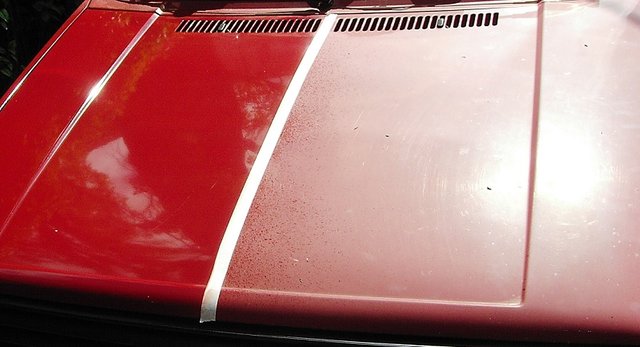
Watch for bubbling, peeling, or uneven gloss after applying clear coat. These often happen due to poor surface prep or wrong product choice. Follow product instructions for drying times and temperatures strictly.
Work in a dust-free area with proper ventilation. Temperature and humidity affect paint curing and finish quality. Taking these steps reduces the risk of issues and improves the final appearance.

Credit: www.youtube.com
Enhancing Durability And Shine
Clear coat single stage paint offers a solid base for a durable and shiny finish. Enhancing its durability and shine extends the life of your paint job. It protects against environmental damage and keeps the surface looking fresh longer.
Adding extra layers or treatments can boost this protection. These steps improve resistance to fading, scratches, and chemical stains. They also help maintain a glossy, smooth appearance that attracts attention.
Uv Protection Benefits
Clear coat paints shield your vehicle from harmful UV rays. UV rays can fade and dull paint over time. A good clear coat blocks these rays, preserving color and gloss. It reduces the chance of cracking and peeling caused by sun damage.
UV protection helps maintain your paint’s original look. It keeps the surface vibrant and smooth. This protective layer also slows down oxidation, which can make paint look old and worn.
Adding Ceramic Coating
Ceramic coating adds a strong, protective layer over clear coat paint. It creates a tough barrier against dirt, water, and chemicals. This makes cleaning easier and keeps the shine longer.
The coating bonds at a molecular level, giving excellent scratch resistance. It enhances the gloss and depth of the paint finish. Ceramic coating also boosts UV protection, improving durability even more.
Applying ceramic coating after clear coat paint is a smart way to keep your vehicle looking new. It reduces wear and tear from daily driving and weather exposure.
Troubleshooting And Faqs
Troubleshooting issues with clear coat single stage paint can save time and money. Understanding common problems helps you fix them quickly. This section answers frequent questions and offers solutions from experts.
Fixing Adhesion Problems
Poor adhesion causes the clear coat to peel or flake off. Dirt, grease, or wax on the surface can block adhesion. Always clean the surface well before painting.
Scuff sanding the single stage paint before applying clear coat improves grip. Use fine grit sandpaper to avoid deep scratches. Removing all dust after sanding is crucial for a smooth finish.
Check the paint and clear coat compatibility. Some products do not bond well together. Follow the manufacturer’s instructions for the best results.
Tips From Professionals
Spray in light, even coats to prevent runs and sags. Allow each coat to flash off before applying the next. This keeps the clear coat smooth and glossy.
Maintain proper temperature and humidity during application. Extreme conditions can cause bubbling or orange peel texture. A controlled environment produces the best finish.
Use a tack cloth to remove dust particles between coats. This step helps achieve a clean and professional look. Patience and attention to detail make a big difference.
Credit: steemit.com
Credit: www.spiuserforum.com
Frequently Asked Questions
Can I Clear Coat Single Stage Paint?
Yes, you can clear coat single-stage paint to enhance gloss and protection. Prepare the surface by scuff-sanding before applying clear coat. Ensure compatibility between clear coat and single-stage paint for best results.
What Is Better, Single Stage Paint Or Base Coat Clear Coat?
Base coat clear coat offers better durability, UV protection, and gloss than single-stage paint. Single-stage paint is simpler and quicker but less resistant. Choose base coat clear coat for a deeper finish and longer-lasting results. Single-stage suits budget projects needing fewer coats.
How Long Can You Clear Coat Single Stage Paint Without Sanding?
You can clear coat single-stage paint without sanding only within the recommended recoat window, usually a few hours to a day. After this, scuff sanding is necessary for proper adhesion before applying clear coat. Always follow the product’s technical data sheet for exact timing.
How To Prevent Orange Peel In Single Stage Paint?
Prevent orange peel in single-stage paint by spraying thin, even coats with proper nozzle size. Maintain correct temperature and humidity. Use slower reducer to improve flow and finish. Avoid over-spraying and ensure proper gun distance for a smooth, glossy surface.
Can You Apply Clear Coat Over Single-stage Paint?
Yes, clear coat can be applied over single-stage paint after it fully cures and is properly prepped.
Conclusion
Clear coat over single-stage paint adds extra protection and shine. It helps resist scratches and UV damage better. You can mix clear coat with paint or spray it later. Always follow product instructions and prepare the surface well. This step improves the paint’s look and durability.
Choosing the right clear coat keeps your car’s finish smooth and bright. Clear coating is a smart choice for lasting results.