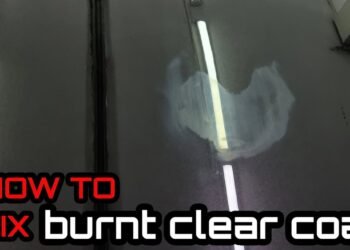
Have you ever touched your car’s clear coat only to feel it rough, like sandpaper? That gritty texture isn’t just unpleasant—it’s a sign that something’s off with your paint’s protective layer.
If your clear coat feels like sandpaper, you might be worried about what’s causing it and how to fix it before your car’s finish suffers permanent damage. Don’t worry—you’re not alone, and there’s a way to restore that smooth, glossy finish you love.
Keep reading to discover why your clear coat feels rough and the simple steps you can take to bring back that flawless shine.

Credit: www.reddit.com
Identify Rough Clear Coat Causes
The rough texture of a clear coat can feel like sandpaper. This problem often puzzles car owners. Understanding the causes helps in fixing it properly. Clear coat issues arise from several common mistakes or environmental effects. Spotting these causes early avoids further damage to your vehicle’s finish.
Common Clear Coat Issues
Improper application is a major cause of rough clear coats. Spraying too thick or too thin creates uneven layers. Dust and dirt trapped during drying also cause roughness. Heat and sunlight can degrade the clear coat over time. Old or poor-quality paint products lead to texture problems. Using wrong sanding techniques leaves scratches and a rough feel.
Signs Of Sandpaper Texture
The clear coat feels gritty or rough to the touch. Light reflects unevenly on the surface, showing dull spots. Small bumps or orange peel texture appear on the paint. The roughness may worsen after washing or drying. Buffing or polishing does not restore smoothness easily. These signs indicate that the clear coat needs correction or refinishing.
Prepare Car Surface
Preparing the car surface is the first step to fix a clear coat that feels like sandpaper. The surface must be clean and smooth before any sanding or polishing. Dirt and debris can cause scratches or make the problem worse. Careful preparation helps achieve a better, lasting finish.
This process includes washing, decontamination, and protecting the car’s surroundings. Each step removes contaminants and protects the paint during repair. It sets the stage for a smooth and shiny clear coat restoration.
Wash And Dry Thoroughly
Start by washing the car with soap and water. Use a gentle car shampoo to remove dirt and grime. Rinse the surface well to avoid soap residue. Dry the car completely with a clean microfiber towel. A dry surface prevents water spots and helps you see imperfections clearly.
Clay Bar Decontamination
After washing, use a clay bar to remove embedded contaminants. These particles stick to the clear coat and feel rough. Glide the clay bar gently over the surface with a lubricant. This step makes the paint feel smooth and ready for sanding or polishing. It removes invisible dirt that washing alone cannot clear.
Mask Surrounding Areas
Before sanding or polishing, protect nearby areas with masking tape. Cover trims, rubber seals, and glass around the work zone. This prevents accidental damage and keeps edges clean. Masking makes the repair process safer and more precise.
Wet Sanding Process
The wet sanding process is a key step to smooth a rough clear coat that feels like sandpaper. This method removes imperfections by gently sanding the surface with water and sandpaper. Water helps reduce dust and prevents damage to the clear coat. Follow the right steps to avoid making the surface worse.
Choose Appropriate Grit Sandpaper
Start with a grit that is not too rough or too fine. A grit around 1500 to 2000 works well for most clear coats. Using the right grit avoids deep scratches and helps level the rough texture efficiently. Change to finer grits as the surface improves.
Keep Surface And Sandpaper Wet
Always spray water on the clear coat and sandpaper. This keeps the surface slippery and stops the sandpaper from clogging. Wet sanding reduces heat and friction, protecting the clear coat from damage. Keep adding water often during sanding.
Sand Using X Pattern
Move the sandpaper in a slow X-shaped motion over the clear coat. This pattern ensures even sanding and avoids creating grooves in one direction. Focus on rough areas but cover the entire section to keep the finish smooth and uniform.
Progress To Finer Grits
After smoothing with the initial grit, switch to finer sandpapers like 2500 or 3000 grit. Finer grits remove scratches left by rougher papers. This step makes the clear coat feel smooth and ready for polishing. Never skip this progression to get the best finish.
Compounding And Polishing
Compounding and polishing fix rough clear coats that feel like sandpaper. These steps smooth the surface and bring back shine. They remove sanding marks and imperfections from the clear coat.
Using the right tools and techniques ensures a smooth, glossy finish. Work carefully to avoid damaging the paint.
Apply Rubbing Compound
Start by applying a small amount of rubbing compound to a polishing pad. This compound cuts through roughness and scratches on the clear coat. Spread it evenly on the affected area.
The rubbing compound helps remove the sandpaper texture and prepares the surface for polishing.
Use Variable-speed Polisher
Use a variable-speed polisher with a foam pad to work the compound in. Start at a low speed to control the process. Increase speed slowly as needed.
This tool helps remove roughness without overheating or damaging the paint.
Work In Small Sections
Focus on small sections of the car at a time. This ensures even compounding and polishing. It prevents missing spots or applying too much pressure.
Move the polisher steadily in overlapping motions. Keep the pad flat to avoid swirl marks.
Switch To Finishing Polish
After compounding, switch to a finishing polish and a soft foam pad. This step refines the surface and restores a deep shine. It removes any haze left by the rubbing compound.
Finish by polishing each small section until the clear coat feels smooth and looks glossy.
Protect And Shine
The clear coat on your car protects the paint and adds shine. It can sometimes feel rough like sandpaper due to damage or dirt. Protecting and shining the clear coat keeps your car looking smooth and glossy. Regular care restores the smooth finish and prevents damage.
Using the right products and methods helps maintain the clear coat’s durability. Simple steps like waxing and gentle cleaning improve the look and life of the paint. This section explains how to protect and shine your clear coat easily.
Apply Car Wax
Car wax forms a protective layer on the clear coat. It shields the paint from dirt, water, and UV rays. Apply wax after cleaning and polishing the surface. Use a soft cloth or applicator to spread wax evenly. Let it dry to a haze, then buff it with a clean cloth. Waxing makes the clear coat smooth and shiny. It also helps prevent the rough sandpaper feel.
Maintain Smooth Finish
Keep the clear coat smooth by washing your car regularly. Use gentle soap and a soft sponge or cloth. Avoid harsh brushes or rough materials that can scratch. After washing, dry with a microfiber towel to prevent water spots. Inspect the surface for any rough patches or damage. If needed, polish lightly to remove imperfections. Consistent care keeps the clear coat feeling soft and smooth.

Credit: www.reddit.com
Tips For Best Results
Getting the best results with clear coat that feels like sandpaper requires careful steps. Proper handling and care prevent rough textures and restore smoothness. Follow these simple tips to improve your paint finish and keep it looking great.
Small actions make a big difference in how your car’s clear coat looks and feels.
Avoid Overheating Paint
Overheating causes the clear coat to dry too fast and become rough. Use low speed on your polisher and work in small sections. Take breaks to let the paint cool down. Keep the surface wet during sanding and polishing to reduce heat buildup. This protects the clear coat from damage and roughness.
Use Quality Tools And Products
Choose good sanding papers, polishing pads, and compounds. Cheap products often cause scratches and uneven surfaces. Use a soft foam pad for finishing polish to bring out shine. A variable-speed polisher lets you control pressure and speed easily. High-quality items make the process smoother and results better.
Regular Maintenance Advice
Wash your car regularly to remove dirt and grit that can scratch the clear coat. Use a clay bar to clean deep contaminants. Apply wax after polishing to protect the surface. Avoid harsh chemicals that strip away the clear coat. Consistent care keeps the paint smooth and prevents it from feeling rough.
Fixing Peeling Clear Coat
Peeling clear coat makes your car look rough and old. Fixing it restores smoothness and shine. The process takes care and patience but delivers great results. Start by removing damaged clear coat, then resand and refinish for a fresh surface. This step-by-step guide helps bring back your car’s glossy finish.
Remove Loose And Damaged Clear Coat
Begin by washing the car thoroughly. Dirt and dust can cause scratches during sanding. Use a clay bar to clean embedded dirt from the surface. Tape around the area to protect paint edges.
Use a medium grit sandpaper to remove loose clear coat. Sand gently to avoid cutting into the base paint. Keep the sandpaper wet while sanding. This reduces dust and prevents clogging. Remove all peeling flakes and rough patches until the surface feels smooth.
Resand And Refinish
Switch to finer grit sandpaper for resanding the area. Sand in a cross or “X” pattern to level the surface evenly. Wet sanding helps achieve a smooth finish without deep scratches. After sanding, apply rubbing compound using a soft polishing pad.
Use a variable-speed polisher on a low setting to work the compound into the clear coat. Work in small sections and keep the surface cool to avoid damage. Follow with a finishing polish and soft foam pad to restore shine.
Finish the job by applying a protective wax coat. This seals the clear coat and keeps it smooth. Your car’s surface will feel sleek again, free from sandpaper roughness.

Credit: www.reddit.com
Frequently Asked Questions
How Do You Smooth Out Rough Clear Coat?
Clean the surface, then wet sand with fine grit in an X pattern. Use rubbing compound and a polisher to remove sanding marks. Finish with polishing and apply wax to protect the smooth clear coat.
How To Fix Flaky Clear Coat?
Clean the surface, then wet sand with fine grit sandpaper using an X pattern. Next, polish with a rubbing compound and a polisher. Finish by applying a finishing polish and wax to restore shine and protect the clear coat.
How Do You Tell If You Sanded Through Clear Coat?
You sanded through clear coat if the surface feels rough or dull, showing color or primer beneath. The clear coat is gone when sanding reveals the base layer.
What Happens If You Spray Too Much Clear Coat?
Spraying too much clear coat causes runs, drips, and uneven surfaces. It creates a rough, sandpaper-like texture. Excess clear coat may also lead to longer drying times and potential peeling or cracking. Proper application ensures a smooth, glossy finish without imperfections.
Why Does My Clear Coat Feel Like Sandpaper?
A rough clear coat usually means sanding marks or orange peel are still present.
Conclusion
A clear coat that feels like sandpaper usually means roughness or imperfections. Proper sanding and polishing can restore its smooth finish. Always start gently and use water to avoid damage. Work carefully in small sections to achieve even results. Finish with wax to protect and shine the surface.
Regular care keeps your clear coat smooth and lasting longer. Fixing rough clear coat takes patience but improves your car’s look greatly.