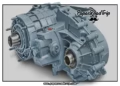


If you own a Chevy Traverse, you might want to pay close attention to its transmission. Many Traverse models, especially those from 2009 to 2017, have experienced transmission problems that can affect your driving safety and comfort.
You may not realize it yet, but a transmission recall could save you from costly repairs or unexpected breakdowns. You’ll discover which Chevy Traverse years are affected, the common symptoms to watch for, and what steps you can take to protect your vehicle and your wallet.
Keep reading to find out if your Traverse needs immediate attention and how to handle the recall process smoothly. Your safety on the road depends on it.
Chevy Traverse Transmission Issues
The Chevy Traverse has faced notable transmission issues over several model years. These problems can affect driving safety and comfort. Understanding the specific years impacted, common faults, and warning signs helps owners act quickly. Prompt attention can prevent costly repairs and maintain vehicle reliability.
Problem Years
The most affected Chevy Traverse models range from 2009 to 2017. Early models with six-speed automatic transmissions often experience the most issues. Later years saw fewer problems but still had some reported faults. Knowing the problem years helps owners check if their vehicle might be at risk.
Common Transmission Faults
One frequent fault is the failure of the “reverse wave plate” inside the transmission. This part’s breakdown leads to gear shifting problems. Other issues include transmission noise and delayed gear shifts. These faults can cause the vehicle to enter “limp” mode, limiting performance. Chevrolet issued a service bulletin for some faults, but it is not a full recall.
Symptoms To Watch For
Signs of transmission trouble include hesitation or failure to shift gears, especially in third and fifth gears. Drivers may notice a check engine light appearing on the dashboard. Transmission noise or rough shifting also signals issues. Any delay in gear changes can indicate internal damage. Early detection improves chances of a simple repair.

Credit: www.youtube.com
Recall Details
The Chevy Traverse transmission recall affects certain models with potential shifting problems. These issues may cause gear hesitation or failure, risking vehicle safety. Understanding the recall details helps owners identify if their vehicle is involved. Below, learn the scope of the recall, the difference between a service bulletin and a recall, and how to check if your vehicle needs attention.
Recall Scope
The recall covers Chevy Traverse models from 2009 to 2017. These vehicles use a six-speed automatic transmission prone to a specific part failure. The problem lies in the reverse wave plate, which can cause shifting delays or transmission damage. Owners may notice symptoms like delayed gear shifts, transmission noise, or the check engine light turning on. The recall aims to fix these defects to prevent further damage and ensure safe driving.
Service Bulletin Vs Recall
A service bulletin is different from a recall. It provides information to dealerships about known issues and possible repairs. Service bulletins do not require owners to get repairs for free. A recall, however, mandates free repairs by law for affected vehicles. The Chevy Traverse had a service bulletin for the wave plate issue before the recall was issued. Owners should be aware that not all problems are covered by recalls.
How To Check For A Recall
Owners can check for recalls using the vehicle identification number (VIN). Visit the National Highway Traffic Safety Administration (NHTSA) website or Chevrolet’s official site. Enter the VIN to see if the Traverse is part of the recall. Dealers also provide free recall checks and repairs. It is important to act quickly if your vehicle is affected to avoid serious transmission problems.
Repair And Replacement Options
Choosing the right repair or replacement option for a Chevy Traverse transmission recall is crucial. The decision affects your vehicle’s performance and your budget. Understanding the different options helps you make an informed choice.
Oem New Transmissions
OEM stands for Original Equipment Manufacturer. These transmissions are brand new and made by Chevrolet. They guarantee a perfect fit and reliable operation. Installing an OEM transmission often comes with a warranty from the manufacturer. This option tends to be the most expensive but offers peace of mind. Ideal for those who want long-term durability and factory standards.
Used And Remanufactured Options
Used transmissions come from vehicles that no longer run. They cost less than new parts but may have unknown wear. Remanufactured transmissions are rebuilt to meet factory specs. Technicians replace worn parts and test the unit before sale. Both options save money but vary in quality and reliability. It is important to buy from trusted sources to avoid future problems.
Warranty Considerations
Warranty coverage differs between transmission types. OEM transmissions usually include a full warranty covering parts and labor. Used transmissions may have limited or no warranty, increasing risk. Remanufactured units often come with a limited warranty lasting a few months. Checking warranty details before purchase protects your investment. Always ask about terms and what is covered.
Cost Factors
Understanding the cost factors behind the Chevy Traverse transmission recall helps owners prepare financially. Various elements influence the overall expense. These include parts, labor, location, and extra fees. Knowing what affects the price can ease budgeting and decision-making.
Parts And Labor Breakdown
The transmission parts are often the most expensive component. A new OEM transmission can cost thousands of dollars. Labor charges depend on the complexity and time needed to replace the transmission. Skilled technicians may charge higher rates, but quality work matters.
Regional Price Variations
Service costs vary across different areas. Urban centers tend to have higher labor rates than rural locations. Parts availability in some regions can affect prices too. Local demand and competition among repair shops influence rates as well.
Additional Fees To Expect
Extra charges may include diagnostic fees and shop supplies. Taxes and environmental fees for disposing of old parts can add up. Sometimes, towing fees apply if the vehicle is not drivable. Always ask about all possible costs before service.
Cost-saving Tips
Dealing with a Chevy Traverse transmission recall can be stressful and costly. Saving money on repairs requires smart choices and careful planning. Use these cost-saving tips to reduce expenses while ensuring quality service for your vehicle.
Getting Multiple Quotes
Request estimates from several repair shops. Prices can vary widely between dealers and independent mechanics. Comparing quotes helps find the best price for the same service. Ask for detailed breakdowns to understand what each charge covers. This prevents surprises and allows informed decisions.
Comparing Repair Types
Explore different repair options like rebuilding, replacing, or patching the transmission. Rebuilt transmissions cost less than brand-new parts but offer good reliability. Some repairs fix only the faulty components, which can be cheaper. Evaluate the pros and cons of each method to save money without risking quality.
Negotiating Warranties
Discuss warranty terms with your repair provider. A longer warranty reduces future expenses if problems return. Some shops may extend warranties or include free follow-up services. Negotiating better warranty coverage can protect your investment. Confirm warranty details in writing before approving repairs.

Credit: www.upi.com
Preventive Maintenance
Preventive maintenance plays a key role in avoiding transmission problems in your Chevy Traverse. Taking care of the transmission early can save costly repairs later. A well-maintained transmission ensures smooth driving and longer vehicle life.
Regular attention to the transmission helps spot issues before they worsen. It also improves fuel efficiency and vehicle safety. Simple checks and timely service keep your Traverse running reliably.
Regular Transmission Checks
Check the transmission fluid level and color often. Low or dirty fluid causes shifting problems. Look for leaks under your vehicle. Listen for unusual noises like grinding or whining. These signs suggest transmission wear or damage.
Schedule professional inspections at least once a year. Mechanics can detect hidden issues early. They can also update your vehicle on any recall-related fixes.
Signs Of Transmission Trouble
Notice if your Chevy hesitates or slips while shifting gears. Harsh or delayed gear changes indicate trouble. A burning smell or check engine light also warns of transmission issues. Strange vibrations or noises while driving need immediate attention.
Ignoring these signs can lead to complete transmission failure. Early detection helps avoid expensive repairs and unsafe driving.
Maintenance Best Practices
Follow the manufacturer’s service schedule for transmission fluid changes. Use only the recommended fluid type for your Traverse. Avoid heavy towing or sudden stops that strain the transmission. Keep your engine tuned and your tires properly inflated.
Clean the transmission cooler and check cooling lines to prevent overheating. Keep an eye on software updates related to transmission control. Proper care extends the life of your Chevy Traverse transmission.

Credit: www.asburyauto.com
Frequently Asked Questions
What Year Has Chevy Traverse Had Transmission Problems?
Chevy Traverse models from 2009 to 2017 experienced transmission problems. Issues include shifting hesitation and limp mode. A service bulletin addressed wave plate failure but no official recall exists.
What Is The Recall On The Chevy Traverse Transmission?
The Chevy Traverse recall addresses transmission issues in 2009-2017 models. It focuses on the six-speed automatic’s reverse wave plate failure. Symptoms include shifting hesitation, limp mode, and engine light. Chevrolet issued a service bulletin for free repairs, but it is not an official recall.
How Much Does It Cost To Replace A Transmission In A Chevy Traverse?
Replacing a Chevy Traverse transmission typically costs between $2,500 and $4,500. Prices vary by part type, labor, and location. New transmissions cost more, while used or remanufactured options are cheaper but may lack warranties. Always request detailed quotes including parts, labor, and fees.
How Do I Know If My Transmission Has Been Recalled?
Check your vehicle identification number (VIN) on the NHTSA website or contact a Chevrolet dealer to see if your transmission is recalled.
What Years Are Affected By The Chevy Traverse Transmission Recall?
The recall mainly affects 2009 to 2017 Chevy Traverse models with six-speed automatic transmissions.
Conclusion
Chevy Traverse transmission issues affect many early models. Common signs include gear hesitation and unusual noises. Chevrolet issued service bulletins but limited official recalls. Owners should check their vehicle’s transmission regularly. Early detection helps avoid costly repairs. Contact your dealer if you notice shifting problems.
Staying informed ensures safer driving and peace of mind. Regular maintenance keeps your Traverse running smoothly. Don’t ignore warning signs; act promptly for your safety.