

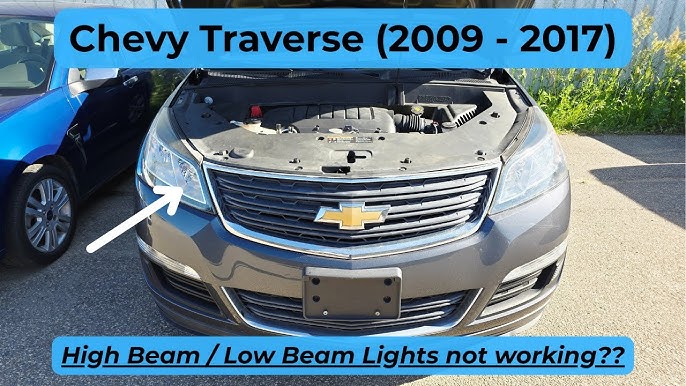
Are your Chevy Traverse headlights acting up when you need them most? Whether they flicker, dim, or just won’t turn on, headlight problems can put your safety and driving confidence at risk.
You rely on your headlights to see clearly and be seen, especially on dark Austin streets or during unexpected weather. But fixing these issues doesn’t have to be confusing or costly. You’ll discover the common causes behind Chevy Traverse headlight problems and simple steps to troubleshoot and resolve them.
Keep reading to protect your ride and drive with peace of mind every time you hit the road.
Common Chevy Traverse Headlight Issues
The Chevy Traverse is a popular SUV known for its spacious interior and smooth ride. Despite its strengths, some drivers face headlight problems that can affect safety and visibility. Understanding common headlight issues helps in quick diagnosis and repair.
Headlight troubles often arise from simple faults. These include bulbs that stop working, electrical faults, and control system failures. Each problem has distinct signs and solutions. Awareness helps keep your Chevy Traverse headlights bright and reliable.
Burnt Out Bulbs
Burnt out bulbs are the most frequent headlight issue. Over time, bulbs lose brightness or stop working completely. Harsh road conditions and long use speed up this wear. Replacing bulbs regularly keeps your lights clear and safe.
Blown Fuses And Relays
Fuses and relays protect the headlight circuit from power surges. A blown fuse or faulty relay cuts power to the headlights. Symptoms include one or both headlights not turning on. Checking and replacing these parts often restores function.
Wiring And Connection Problems
Wiring issues cause intermittent or complete headlight failure. Loose, corroded, or damaged wires block electrical flow. Moisture and road salt worsen corrosion. Inspecting connections and repairing wiring solves many headlight problems.
Switch And Control Module Failures
Switches and control modules regulate headlight operation. Failure in these parts stops lights from responding to commands. Faulty switches may prevent turning lights on or off. Diagnosing these failures requires testing electrical signals and replacing faulty components.
Credit: www.traverseforum.com
Quick Bulb Replacement Tips
Replacing a Chevy Traverse headlight bulb quickly keeps your vehicle safe and road-ready. Knowing the right steps helps avoid damage and saves time. Follow these tips to change bulbs smoothly and correctly.
Choosing The Right Bulb Type
Select the exact bulb type specified for your Chevy Traverse. Check the owner’s manual or use an online bulb finder tool. Using the correct bulb ensures proper brightness and fit. Avoid cheap or incompatible bulbs to prevent electrical issues or poor lighting.
Safe Removal And Installation
Turn off the vehicle and open the hood. Locate the headlight bulb housing and disconnect the power connector carefully. Wear gloves to avoid touching the glass part of the new bulb. Remove the old bulb by twisting or unclipping it gently. Insert the new bulb without force and secure it properly to prevent moisture entry.
Testing New Bulbs
After installation, turn on the headlights to check if the new bulb works. Test both low and high beams for full functionality. If the bulb does not light up, recheck the connection and bulb type. Confirm the headlight beam is aligned correctly to avoid blinding other drivers.
Checking And Replacing Fuses
Checking and replacing fuses is a key step to fix Chevy Traverse headlight problems. A blown fuse can cause headlights to stop working completely. It is a simple and cost-effective way to restore headlight function. Knowing how to locate and test fuses helps save time and money. Follow clear steps to handle fuses safely.
Locating The Fuse Box
The first step is finding the fuse box in your Chevy Traverse. Most models have two fuse boxes. One is under the hood, near the battery or engine bay. The other is inside the vehicle, often below the dashboard on the driver’s side. Check your owner’s manual for exact locations. Make sure the vehicle is off before opening the fuse box.
Identifying Headlight Fuses
Inside the fuse box, fuses are labeled for different circuits. Look for fuses marked with terms like “headlight,” “headlamp,” “low beam,” or “high beam.” The fuse box cover usually has a diagram showing each fuse’s purpose. If labels are worn or missing, the owner’s manual can help identify the correct fuses. Only inspect fuses related to the headlights to avoid confusion.
Fuse Testing Methods
To check a fuse, remove it carefully using a fuse puller or needle-nose pliers. Visually inspect the metal strip inside the fuse. If the strip is broken or burnt, the fuse is blown. For more accuracy, use a multimeter set to continuity mode. Place the probes on the fuse terminals. A beep or zero reading means the fuse is good. No sound or infinite reading means the fuse is bad.
Replacing Fuses Safely
Replace blown fuses with new ones of the same amperage rating. Using a fuse with the wrong rating can cause electrical problems or fires. Turn off the vehicle and disconnect the battery if possible before replacing fuses. Insert the new fuse firmly into the correct slot. After replacement, test the headlights to confirm the fix. Dispose of old fuses properly and keep spares for future use.
Diagnosing Relay Issues
Diagnosing relay issues is important when your Chevy Traverse headlights fail. Relays control the power flow to the headlights. A faulty relay can cause one or both headlights to stop working. Understanding how relays work helps you fix headlight problems quickly.
Role Of Headlight Relays
Headlight relays act like switches that use low power to control high power. They send electricity from the battery to the headlights. This prevents the headlight switch from carrying too much current. A relay ensures your headlights get steady power without overheating wires.
How To Test Relays
Testing a relay is simple and needs a multimeter or a basic tester. First, remove the relay from its socket. Check the relay’s coil resistance with the multimeter. A good relay shows some resistance, not zero or infinite. Next, listen for a clicking sound when applying power. No click means the relay is bad.
Swapping Relays For Troubleshooting
Chevy Traverse often uses identical relays for different parts. Find a relay with the same part number in your fuse box. Swap the headlight relay with a similar one, like the horn relay. If headlights work after swapping, the original relay is faulty. Replace the bad relay to restore headlight function.
Inspecting Wiring And Connections
Inspecting the wiring and connections is crucial for fixing Chevy Traverse headlight problems. Faulty wiring often causes headlights to flicker or stop working. Careful checks can reveal hidden issues. This step saves time and avoids unnecessary part replacements.
Common Wiring Faults
Wiring faults cause many headlight issues in the Chevy Traverse. Broken wires or damaged insulation can cut off power. Short circuits may blow fuses or damage bulbs. Over time, wires may wear out from heat or vibration. Identifying these faults helps restore proper headlight function.
Spotting Corrosion And Damage
Corrosion often forms on wiring connectors and terminals. Moisture and road salt cause this rust-like buildup. Corroded connections block electrical flow and dim headlights. Look for green, white, or powdery deposits on connectors. Damaged wires or melted insulation also harm performance.
Securing Loose Connections
Loose wiring connections cause intermittent headlight failure. Vibration from driving can loosen plugs or terminals. Secure connectors tightly to ensure good contact. Use electrical tape or clamps to hold wires in place. This simple fix improves reliability and headlight brightness.
Switch And Control Module Fixes
The Chevy Traverse headlight system relies heavily on the switch and control modules. These parts control the operation of the headlights. Problems here can cause the lights to fail or act erratically. Fixing these components often solves many headlight issues.
Testing Headlight Switch
Start by checking the headlight switch. Use a multimeter to test for power flow. Turn the switch on and off while measuring voltage. No voltage means the switch may be faulty. Also, inspect the switch for physical damage or wear. Replacing a bad switch is usually straightforward and restores function.
Resetting Or Replacing Control Modules
The control module manages the headlight signals. Sometimes it needs resetting to clear errors. Disconnect the battery for a few minutes to reset the system. If problems persist, the module may need replacement. A new control module can fix persistent electrical faults. Always match the replacement part to your Chevy Traverse model year.
Tools You Need For Headlight Repairs
Fixing headlight problems on your Chevy Traverse requires the right tools. Having these tools ready makes the repair process faster and easier. Even simple headlight issues need specific equipment to check and replace parts. A few basic tools cover most repairs, but some devices help diagnose electrical faults. Understanding what tools to use ensures you handle headlight repairs safely and effectively.
Basic Hand Tools
Basic hand tools are essential for most headlight repairs. A set of screwdrivers, both flathead and Phillips, helps remove screws on headlight covers and panels. Wrenches or socket sets allow you to loosen bolts holding the headlight assembly. Pliers assist with removing clips and connectors. A flashlight or work light is useful to see clearly in tight spaces. Keep a clean cloth handy to handle bulbs without damaging them.
Using A Multimeter
A multimeter is key for testing electrical parts in your headlight system. It measures voltage, resistance, and continuity in wires and fuses. This tool helps find where power stops or if a bulb is faulty. Set your multimeter to the correct mode before testing. Touch the probes to the bulb sockets or fuse box terminals carefully. A reading shows if electricity flows correctly or if repairs are needed.
Helpful Diagnostic Devices
Other diagnostic devices can identify deeper headlight problems. A scan tool or OBD-II reader connects to your Traverse’s computer. It reads error codes related to lighting and electrical systems. These codes guide you to the exact issue affecting the headlights. Some devices also reset warning lights after repair. Using these tools saves time and prevents guesswork in troubleshooting.

Credit: www.amazon.com
Preventive Measures For Headlight Longevity
Maintaining the headlights of your Chevy Traverse is vital for safe driving. Taking simple steps can extend their life and avoid costly repairs. Proper care ensures clear visibility and keeps the vehicle looking good. Follow these preventive measures to keep your headlights working well for years.
Regular Inspection Routine
Check headlights at least once a month. Look for cracks, fogging, or dim light output. Test both low and high beams to ensure they work. Replace bulbs quickly if they flicker or burn out. Early detection prevents bigger problems down the road.
Cleaning And Maintenance Tips
Clean headlights regularly with mild soap and water. Avoid harsh chemicals that can damage the lens. Use a soft cloth to remove dirt and bugs gently. Apply a headlight restoration kit if the lenses appear cloudy. Clear lenses improve light brightness and enhance safety.
Avoiding Electrical Overloads
Do not add extra aftermarket lights without checking the electrical system. Overloading circuits can cause fuse blows or wiring damage. Use recommended bulbs and fuses for your Chevy Traverse. Always switch off headlights before working on electrical parts to prevent short circuits.
Credit: www.youtube.com
Frequently Asked Questions
What Is The Most Common Problem With A Chevy Traverse?
The most common problem with a Chevy Traverse is transmission issues, including slipping, hesitation, and failure. Engine troubles like excessive oil consumption and timing chain failures also occur frequently. Electrical and steering problems often affect power windows, locks, and power steering performance.
How To Troubleshoot Headlight Problems?
Check the headlight bulbs for damage or burnout. Inspect fuses and relays for faults. Test wiring connections for corrosion or breaks. Verify headlight switch functionality. Replace faulty components to restore proper headlight operation.
How Do You Know If A Headlight Relay Is Bad?
A bad headlight relay causes headlights to flicker, not turn on, or stay on constantly. Test with a multimeter or swap with a known good relay. Check for clicking sounds when switching lights on.
Why Are My Headlights So Dim But High Beams Work?
Dim headlights but working high beams often indicate a weak low beam bulb, faulty relay, or wiring issues. Check bulbs and fuses first.
What Causes Chevy Traverse Headlight Problems?
Common causes include blown fuses, faulty bulbs, wiring issues, or a bad headlight switch.
Conclusion
Chevy Traverse headlight problems can affect your safety and driving experience. Regular checks help spot issues early. Replace bulbs or fuses as needed to keep lights working well. Clean headlight lenses to improve brightness and visibility. Address wiring or switch problems promptly to avoid bigger repairs.
Staying aware and taking action keeps your Traverse safe on the road. Don’t ignore dim or flickering headlights; fix them soon. Safe driving starts with clear, functioning headlights every time.