

If you own a Chevy Cruze, you might have heard about intake manifold problems that can cause serious headaches. These issues can lead to rough idling, engine misfires, or even overheating—problems that affect your car’s performance and your peace of mind.
You want your Cruze to run smoothly, right? Understanding the common intake manifold faults and how to spot them early can save you time, money, and frustration down the road. You’ll discover what causes these problems, warning signs to watch for, and practical solutions to keep your Chevy Cruze running strong.
Keep reading to protect your ride and avoid costly repairs.
Common Intake Manifold Issues
The intake manifold is a key part of the Chevy Cruze engine. It directs air into the engine cylinders for combustion. Problems with the intake manifold can cause engine performance issues. Many Cruze owners face similar intake manifold troubles. Understanding these common problems helps in early detection and repair.
Pcv Valve Failures
The PCV (Positive Crankcase Ventilation) valve controls gases inside the engine. In the Chevy Cruze, this valve often fails due to clogging or wear. A bad PCV valve leads to increased pressure in the engine. This causes rough idling, poor fuel economy, and sometimes engine stalls. Replacing the PCV valve is usually a simple fix.
Vacuum Leaks
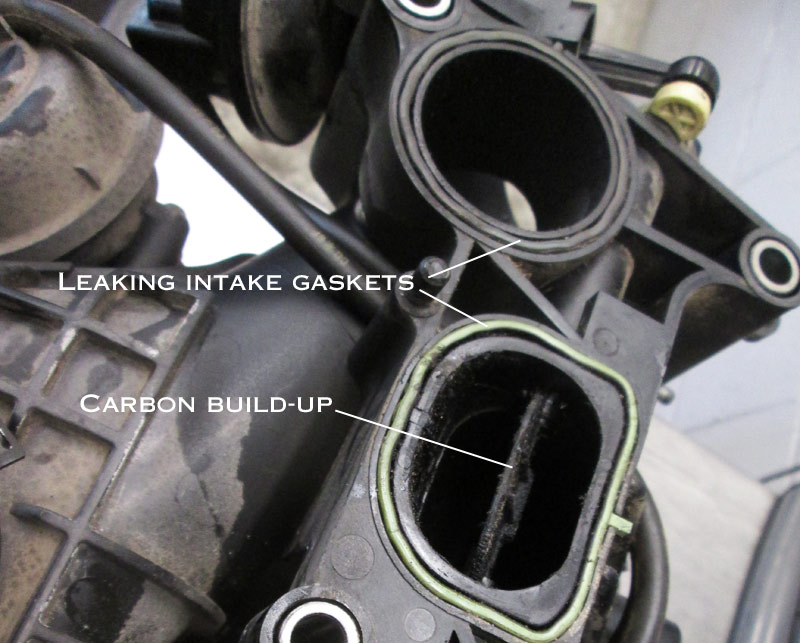
Vacuum leaks happen when air enters the intake manifold through cracks or loose seals. This disrupts the air-fuel mix inside the engine. The result is rough running, poor acceleration, and higher emissions. In many Cruze models, vacuum leaks occur around the intake manifold gasket or hoses. Detecting leaks early helps avoid costly engine damage.
Cracked Diaphragm Problems
The intake manifold includes a diaphragm in the EGR (Exhaust Gas Recirculation) system. This diaphragm can crack or tear over time. A cracked diaphragm causes the EGR system to malfunction. Symptoms include engine hesitation, increased emissions, and the check engine light turning on. Replacing the diaphragm restores proper engine function.
Credit: www.samarins.com
Symptoms Of Intake Manifold Problems
The intake manifold plays a key role in your Chevy Cruze’s engine performance. Problems in this part often cause noticeable symptoms. Knowing these signs early helps avoid bigger engine damage. Watch for unusual engine behavior and check for visible changes in the vehicle.
Engine Overheating Signs
The intake manifold can cause the engine to overheat. This happens when coolant leaks or air flows incorrectly. You may notice the temperature gauge rising quickly. Steam or a hot smell may come from under the hood. These signs show the engine is running too hot and needs attention.
Rough Idling And Misfires
A faulty intake manifold often causes rough idling. The engine may shake or run unevenly at low speeds. Misfires can happen due to poor air or fuel mixing. This leads to loss of power and jerking motions while driving. These symptoms reduce fuel efficiency and can damage engine parts.
Coolant Loss And White Smoke
Coolant loss is a common sign of intake manifold problems. Leaks allow coolant to escape, lowering levels in the radiator. White smoke from the exhaust pipe signals coolant burning inside the engine. This smoke smells sweet and is a clear warning to check the intake manifold and its gasket.
Root Causes Behind Failures
The Chevy Cruze intake manifold is vital for engine performance. Understanding why it fails helps in prevention and repair. Several root causes lead to intake manifold problems. Each has unique impacts on the vehicle’s function and longevity.
Contaminated Or Broken Components
Dirt, debris, or coolant can enter the intake manifold. This contamination blocks air flow and damages internal parts. Broken components, such as valves or seals, cause air leaks. These leaks lead to rough idling and poor engine power. Regular checks help catch these issues early.
Material Degradation Over Time
The intake manifold materials wear down with use. Heat and pressure cause cracks or warping. Plastic manifolds are especially prone to breaking after years of heat exposure. Metal parts may corrode or develop leaks. Aging parts reduce engine efficiency and increase repair costs.
Manufacturing Defects In Early Models
Early Chevy Cruze models (2011-2014) had intake manifold defects. Faulty design or poor-quality materials were common. These defects caused premature failures and leaks. Many owners reported frequent repairs during this period. Awareness of these issues guides buyers and helps avoid future problems.

Credit: www.cruzetalk.com
Impact On Chevy Cruze Performance
The intake manifold plays a key role in the Chevy Cruze’s engine performance. Problems with this part can cause several issues that affect how the car runs. The engine may not get the right air-fuel mixture. This changes how the engine works and lowers its power. Drivers may notice less smooth acceleration or strange sounds from the engine. Understanding these impacts helps in spotting issues early and avoiding bigger repairs.
Reduced Engine Efficiency
A faulty intake manifold disrupts the air flow to the engine. This leads to an uneven air-fuel mix. The engine burns fuel less efficiently. As a result, the Chevy Cruze uses more gas than usual. The car may also feel weaker and struggle to speed up. Reduced engine efficiency means more trips to the gas station and a less enjoyable drive.
Increased Emissions
Problems in the intake manifold cause incomplete fuel burning. This raises the amount of harmful gases released. The Chevy Cruze may fail emissions tests. Higher emissions can damage the environment and cause legal issues. Keeping the intake manifold in good shape helps the car stay cleaner and meet rules.
Potential Engine Damage
Leaks or cracks in the intake manifold let extra air or coolant enter the engine. This can cause overheating or misfires. Over time, these issues may harm engine parts. Serious damage may result in costly repairs or engine failure. Fixing intake manifold problems early protects the Chevy Cruze’s engine and keeps it running longer.
Repair And Replacement Options
Addressing intake manifold problems in a Chevy Cruze requires timely repairs. Ignoring these issues can cause engine damage and reduce performance. Several repair and replacement options exist to restore your car’s health and improve drivability.
These options focus on fixing leaks, replacing worn parts, and ensuring proper air and fuel flow. Selecting the right repair depends on the specific problem and symptoms your Cruze shows. Below are common repair methods that often solve intake manifold issues efficiently.
Intake Manifold Gasket Replacement
The intake manifold gasket seals the manifold to the engine. Over time, this gasket can crack or wear out. A damaged gasket causes air or coolant leaks, leading to engine overheating or rough idling.
Replacing the gasket is a common fix. Mechanics remove the old gasket and clean the surfaces before installing a new one. This repair stops leaks and restores proper engine function. It usually takes a few hours and costs less than replacing the entire manifold.
Pcv Valve Repair Or Swap
The Positive Crankcase Ventilation (PCV) valve helps release gases from the engine. A faulty PCV valve can cause pressure build-up inside the intake manifold. This may lead to leaks or poor engine performance.
Repairing or swapping the PCV valve is a straightforward solution. The valve is checked for blockages or damage and replaced if necessary. This fix improves engine efficiency and reduces the chance of intake manifold problems.
Vacuum Leak Fixes
Vacuum leaks in the intake manifold disrupt air flow and cause engine issues like stalling or rough running. Common leak points include hoses, seals, and gaskets.
Fixing vacuum leaks involves inspecting the manifold and connected parts for cracks or loose fittings. Damaged hoses are replaced, and seals are tightened or renewed. Proper sealing restores engine vacuum and smooth operation.
Cost Estimates For Repairs
Repairing intake manifold problems in a Chevy Cruze can vary in cost. Expenses depend on the specific issue and parts needed. Knowing the common repair costs helps you budget better. Here are some typical costs related to intake manifold repairs.
Average Gasket Replacement Price
Replacing the intake manifold gasket usually costs between $200 and $400. The gasket seals the manifold to the engine, preventing leaks. A worn or damaged gasket causes coolant or air leaks, affecting engine performance. Parts alone may cost $50 to $100. Labor adds to the total price due to the manifold removal process.
Pcv Valve Service Costs
The PCV valve controls engine pressure and emissions. Cleaning or replacing it costs about $50 to $120. This service helps maintain proper engine function and prevents damage. The valve is often part of intake manifold issues, so addressing it can avoid bigger repairs.
Labor And Parts Considerations
Labor costs vary by location but usually range from $75 to $150 per hour. Intake manifold repairs can take two to four hours depending on the damage. Genuine Chevy parts often cost more but offer better durability. Using aftermarket parts may lower costs but could affect reliability. Always weigh parts quality against price for best results.
Model Years With Most Problems
The Chevy Cruze has seen intake manifold problems that vary by model year. Some years show more frequent issues than others. Identifying these years helps buyers avoid costly repairs. It also guides current owners on what to watch for. Below, learn which model years had the most problems and tips to choose a reliable year.
Issues In 2011-2014 Models
The 2011 to 2014 Chevy Cruze models had many intake manifold problems. These early first-generation cars often faced gasket leaks. The leaks caused rough idling and engine overheating. Many drivers reported frequent engine misfires linked to intake manifold failure. The plastic intake manifolds were prone to cracking over time. Heat and pressure worsened these cracks, leading to vacuum leaks. Repairs during these years were costly and common. Turbocharger and water pump issues also added to engine troubles.
Improved Reliability In Later Years
From 2015 onward, Chevy improved the intake manifold design. Newer models used stronger materials and better gaskets. These changes reduced leaks and cracks significantly. Reports of intake manifold problems dropped after 2014. Engine performance became smoother and more reliable. While no car is perfect, later Cruzes show fewer intake manifold failures. This boost in reliability made these years a safer choice for buyers. Regular maintenance still helps prevent issues in all models.
Tips For Choosing A Reliable Year
Pick a Chevy Cruze from 2015 or later for fewer intake manifold problems. Check maintenance records for any past intake manifold repairs. Ask if the intake gasket or manifold was replaced. Avoid cars with history of overheating or engine misfires. Have a trusted mechanic inspect the intake system before buying. Consider a vehicle with lower mileage to reduce wear risks. Proper care and timely repairs improve Cruze reliability over time.

Credit: www.youtube.com
Preventive Maintenance Tips
Preventive maintenance plays a key role in avoiding Chevy Cruze intake manifold problems. Taking simple, regular steps can extend the life of your vehicle’s engine. Small actions prevent costly repairs and keep your car running smoothly. Focus on inspection, cleaning, and engine performance checks. These efforts catch issues early and improve overall reliability.
Regular Inspection Routines
Check the intake manifold and gasket area often for leaks or cracks. Look for signs like coolant residue or oil buildup around the manifold. Inspect vacuum lines connected to the manifold for wear or damage. Use a flashlight to spot hard-to-see cracks or loose bolts. Early detection helps prevent major engine issues.
Cleaning And Component Care
Keep the intake manifold clean to avoid buildup that harms engine performance. Use recommended cleaning sprays to remove carbon deposits gently. Avoid harsh chemicals that may damage manifold surfaces or seals. Clean throttle body and sensors linked to the intake system as well. Regular cleaning ensures proper airflow and fuel mixture.
Monitoring Engine Performance
Pay attention to engine signs like rough idling, misfires, or overheating. These symptoms can indicate intake manifold problems. Use an OBD-II scanner to read engine error codes. Track fuel efficiency changes or unusual noises during driving. Quick response to performance issues reduces the risk of engine damage.
Owner Experiences And Community Insights
Owners of the Chevy Cruze often share their real-world experiences with intake manifold problems. These insights help others understand common issues and practical solutions. Community feedback offers valuable advice for diagnosing and fixing intake manifold troubles.
Many owners describe symptoms like rough idling, engine misfires, and coolant leaks. Sharing these details helps spot patterns and better prepares new Cruze drivers. The community also discusses repair costs, timelines, and part quality.
Common Complaints And Fixes
Many Chevy Cruze owners report intake manifold gasket leaks as a frequent problem. These leaks cause coolant loss and engine overheating. Rough idling and poor fuel efficiency often follow.
Fixes commonly involve replacing the intake manifold gasket or the entire manifold. Some owners recommend using OEM parts to avoid repeated failures. Regular maintenance can reduce the risk of manifold issues.
Forum Discussions And Advice
Online forums like Chevrolet Cruze Forums and Reddit’s r/cruze are rich with user experiences. Members post symptoms, ask for help, and share repair steps. These discussions often highlight early warning signs.
Community advice includes checking for vacuum leaks and monitoring engine temperature closely. Users warn about the cost of repairs and suggest trusted mechanics. Many emphasize the importance of prompt action to avoid bigger damage.
Youtube Repair Tutorials
YouTube offers many step-by-step videos for intake manifold repairs on the Chevy Cruze. These tutorials guide viewers through gasket replacement and leak diagnosis. Visual aids make complex repairs easier to understand.
Popular channels show tools needed and tips to avoid common mistakes. Watching these videos helps owners decide if they can do repairs themselves or need professional help. Many find these tutorials a useful resource before visiting a garage.
Frequently Asked Questions
How Do You Know If An Intake Manifold Is Bad?
A bad intake manifold causes rough idling, engine misfires, coolant leaks, overheating, or white smoke. Check for visible leaks or residue around the gasket.
What’s The Common Problem For A Chevy Cruze?
A common problem for Chevy Cruze is intake manifold issues, causing vacuum leaks, rough idling, and engine performance problems.
How Much Does It Cost To Replace The Intake Manifold Gasket On A Chevy Cruze?
Replacing the intake manifold gasket on a Chevy Cruze costs between $250 and $450. Prices vary by labor rates and parts quality.
What’s The Worst Year For A Chevy Cruze?
The worst years for a Chevy Cruze are 2011 to 2014. These early models suffer from engine, transmission, and electrical issues. Owners report frequent, costly repairs, especially with turbochargers and water pumps. Later models generally offer better reliability. Always get a pre-purchase inspection for early Cruzes.
What Are Common Signs Of A Bad Chevy Cruze Intake Manifold?
Signs include engine overheating, rough idling, white smoke, and coolant loss.
Conclusion
Chevy Cruze intake manifold problems can cause engine trouble and poor performance. Watch for signs like rough idling, coolant leaks, or white smoke. Early models, especially from 2011 to 2014, often face these issues more. Fixing the intake manifold gasket promptly helps prevent bigger engine damage.
Regular vehicle checks can catch problems early and save money. Staying informed about common Chevy Cruze issues ensures better car care. Keep an eye on symptoms and act quickly to maintain your car’s health.