

Thinking about using house paint to refresh your car’s look? It might sound like a quick and affordable fix, but before you grab that can of exterior paint, you need to understand why this isn’t a good idea.
Your car faces tough conditions—heat, cold, rain, dirt, and constant movement—that house paint just isn’t made to handle. If you want a finish that lasts and protects your vehicle, you have to choose the right paint. Keep reading, and you’ll discover why house paint falls short on cars and what you should use instead to get the best results.

Credit: www.youtube.com
House Paint Vs Car Paint
House paint and car paint serve different purposes and have unique properties. Choosing the right paint depends on what you need it for. House paint is made for walls and wood surfaces. Car paint is designed to endure tough outdoor conditions on metal surfaces. Understanding these differences helps you avoid damage and poor results.
Durability Differences
Car paint is made to be flexible. It handles vibrations and bumps on the road. House paint is harder and more rigid. It cracks easily when the car moves. This makes house paint unsuitable for cars.
Bonding And Adhesion
Car paint bonds strongly to metal surfaces. It also uses special primers to prevent rust. House paint does not stick well to metal. It can peel off and cause rust underneath. Proper adhesion is vital for car paint.
Longevity And Finish
Car paint lasts longer in sun and rain. It resists fading and chipping. House paint fades quickly outside. It chips and washes away easily. The finish of car paint stays smooth and shiny for years.
Hardness And Protection
Car paint is harder and protects the car’s surface. It guards against bugs, rocks, and dirt. House paint is softer and less protective. It can scratch and wear off fast. Car paint offers better defense on the road.

Credit: www.reddit.com
Why House Paint Fails On Cars
Using house paint on cars might seem like a cheap solution. The risks, though, are significant. House paint is not made for the harsh conditions cars face. It cannot handle heat, cold, or moisture well. This leads to many problems with the car’s look and safety.
Short-lived Appearance
House paint fades quickly under sunlight. It does not resist rain or wind well. The paint may crack or peel within weeks. This leaves the car looking old and worn fast. A fresh paint job loses its shine soon.
Increased Maintenance
House paint requires more care on cars. You must clean and touch up often. It does not stick well to metal surfaces. The paint chips easily from small bumps. This means more time and money fixing the car’s surface.
Potential Rust Issues
House paint does not protect metal from moisture. Water can seep under the paint layer. This causes rust to form on the car body. Rust weakens the metal and damages the car frame. Automotive paint includes primers to stop rust, but house paint does not.
Costly Repainting
Using house paint leads to expensive repainting later. The damaged paint must be removed fully. This adds extra labor and materials cost. Repainting with proper automotive paint becomes necessary. The total cost ends up higher than using the right paint at first.
Risks Of Using House Paint On Cars
Painting your car can refresh its look and protect the surface. Using the right approach improves the paint job’s quality and durability. Proper tips help avoid common mistakes and achieve a smooth finish. Follow these key steps for a better paint experience.
Surface Preparation
Clean the car surface thoroughly. Remove dirt, grease, and old paint flakes. Sand the surface lightly to create texture for paint to stick. Use a tack cloth to wipe away dust. Repair dents or scratches with filler and sand smooth. Proper prep ensures paint bonds well and lasts longer.
Choosing Quality Materials
Select automotive-grade paint instead of house paint. Car paint is designed to handle weather and movement. Choose primer, paint, and clear coat made for vehicles. Use quality brushes or spray guns for even coverage. Good materials prevent peeling, cracking, and fading over time.
Spray Painting Techniques
Use steady, even strokes while spraying. Keep the spray can or gun about 6 to 8 inches from the surface. Apply thin coats rather than one thick coat to avoid runs. Allow each coat to dry before applying the next. Work in a well-ventilated area to reduce dust and fumes.
Curing And Finishing
Let the paint cure fully according to the manufacturer’s instructions. Avoid touching or washing the car during this time. Apply a clear coat to protect the paint and add shine. After curing, polish the surface gently to enhance gloss. Proper curing preserves the paint job’s color and strength.
Proper Paint Choices For Cars
Painting a car with house paint might seem like a cheap shortcut. Many make simple mistakes that ruin the finish and waste time. Avoiding these errors helps achieve a better, longer-lasting paint job. Below are common painting mistakes to watch out for.
Using Incompatible Paints
House paint is not made for cars. It lacks flexibility to handle car vibrations. It also does not bond well to metal surfaces. Using incompatible paints causes cracking and peeling quickly. Always choose paint made specifically for automotive use.
Skipping Primer
Primer creates a smooth base for paint to stick. Skipping primer leads to poor adhesion and uneven color. It also reduces protection against rust. Applying a proper primer is essential for durability and a clean look.
Poor Weather Conditions
Painting in hot sun, rain, or high humidity causes problems. Paint can dry too fast or not dry properly. Dust and moisture can ruin the finish. Pick a dry, mild day with little wind for the best results.
Inadequate Surface Cleaning
Dirt, grease, or old paint residues stop new paint from sticking. Clean the car surface thoroughly with soap and degreaser. Sanding rough areas helps create a smooth surface. Proper cleaning ensures even coverage and prevents peeling.
Tips For Painting Your Car
Choosing the right paint for your car is crucial for a lasting and professional finish. House paint lacks the durability and flexibility needed for vehicles. Expert alternatives offer better protection and adhesion. These options help maintain your car’s look and resist weather and wear.
Automotive Spray Paints
Automotive spray paints are made for cars. They bond well with metal surfaces. These paints resist cracking and fading from sunlight. Spray paints come in many colors and finishes. They provide a smooth and even coat. Using automotive spray paint ensures a durable, attractive result.
Ceramic Coatings
Ceramic coatings are a modern option for car protection. They create a hard, glossy layer over the paint. This coating repels dirt, water, and chemicals. It also protects from minor scratches. Ceramic coatings keep your car looking new longer. They require special application but offer excellent durability.
Professional Paint Shops
Professional paint shops have the right tools and skills. They prepare the car surface thoroughly before painting. Experts use high-quality automotive paints and clear coats. Their work lasts longer and looks better than DIY jobs. A professional finish adds value and protects your car well.
Diy Vs Professional Jobs
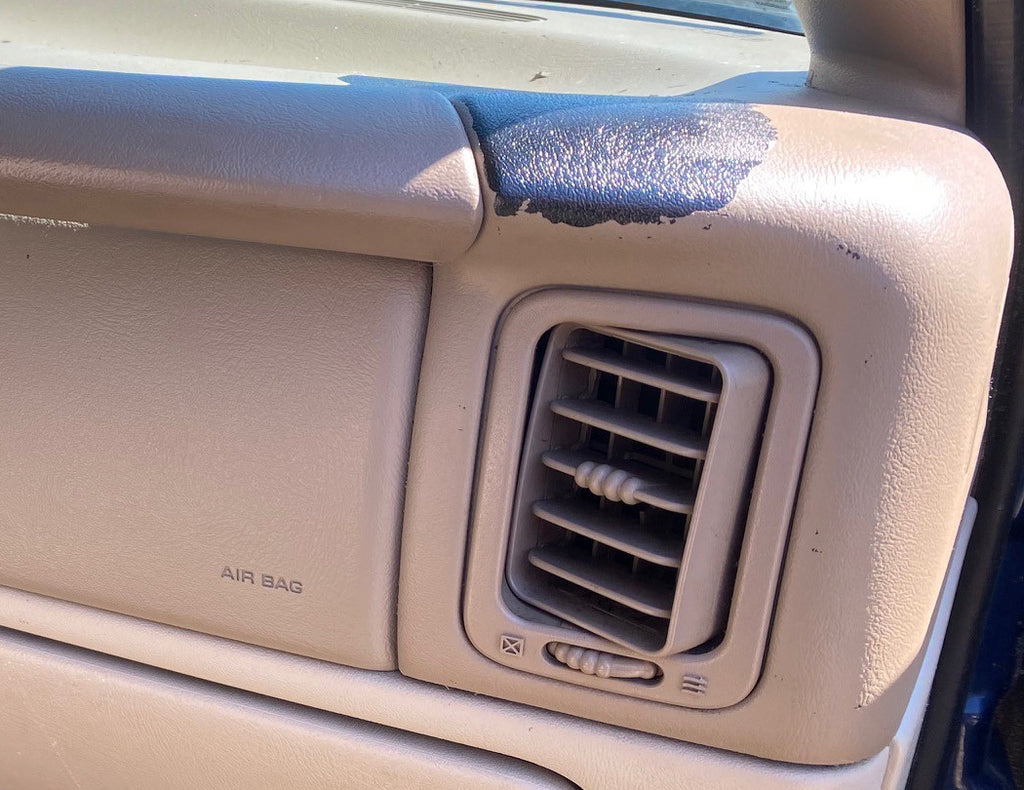
DIY painting can save money but needs patience and skill. Mistakes can lead to uneven paint and poor adhesion. Professionals deliver consistent and smooth results. They handle prep work and finish with precision. Consider the car’s value and your experience before deciding. For best results, professional jobs are recommended.
Credit: www.colorbondpaint.com
Frequently Asked Questions
Can You Use House Paint To Paint A Car?
No, house paint is not suitable for cars. It lacks flexibility, durability, and proper adhesion needed for automotive surfaces. House paint peels, cracks, and fades quickly due to vibrations, weather, and temperature changes. Use automotive paint for a lasting, protective, and high-quality finish on your car.
Is Car Paint And House Paint The Same?
Car paint differs from house paint in durability, flexibility, and adhesion. House paint peels and cracks on cars. Car paint resists weather, vibrations, and road damage, ensuring a long-lasting finish. House paint lacks these qualities and is unsuitable for automotive use.
Can I Use Wall Paint On A Car?
No, wall paint is unsuitable for cars. It lacks flexibility, durability, and proper adhesion, causing peeling and fading quickly. Use automotive paint for a lasting, protective finish.
Can I Use Regular Paint For My Car?
Regular house paint is not suitable for cars. It lacks durability, flexibility, and proper adhesion, causing peeling and fading. Automotive paint resists weather, vibrations, and road damage, ensuring a long-lasting, smooth finish. Use specialized car paint for the best protection and appearance.
Can You Use House Paint To Paint A Car?
No, house paint lacks flexibility and durability needed for car surfaces. It will peel and crack easily.
Conclusion
Using house paint on a car is not a smart choice. It does not stick well or last long on metal surfaces. Car paint is made to handle weather, heat, and movement without cracking. House paint will peel, fade, and chip quickly.
For a good, lasting finish, always pick paint designed for vehicles. This keeps your car looking better and protects it from damage. Choosing the right paint saves time and money in the long run. Paint wisely to keep your car in great shape.