


Have you ever wondered if you can mix different windshield washer fluids in your car? Maybe you have some blue fluid left in the garage and a pink bottle in your car, and you’re asking yourself, “Is it safe to combine them?” You’re not alone.
Many drivers face this question, especially when trying to save time or money. But before you pour one into the other, it’s important to know how mixing can affect your windshield’s cleanliness and your driving safety. You’ll discover what really happens when you mix windshield washer fluids, whether it’s a good idea, and how to choose the right fluid for your needs.
Keep reading to ensure your windshield stays crystal clear, no matter the season.
Mixing Colors
Mixing windshield washer fluid colors often happens when topping off your reservoir. Many fluids come in different colors like pink, blue, green, or yellow. These colors usually indicate different formulas or seasonal uses. Mixing colors does not cause harm but changes the fluid’s appearance and sometimes its performance. Understanding what happens when you mix colors helps you maintain your car’s windshield properly.
Pink And Blue Fluids
Pink and blue fluids are popular types of windshield washer fluid. Pink fluid often contains antifreeze to prevent freezing in cold weather. Blue fluid usually works well in moderate temperatures and focuses on cleaning power. When these two mix, the resulting fluid may lose some antifreeze ability or cleaning strength. The mixture still cleans your windshield but may not work as well in extreme weather.
Resulting Color Changes
Mixing pink and blue fluids creates a purple color. This color change shows the fluids have combined but does not mean a chemical reaction occurred. The new color is simply the blend of the original colors. This color mix can help you see that the fluids have combined. It does not affect how your windshield washer system functions, but the fluid’s effectiveness depends on the original formulas.

Credit: www.youtube.com
Types Of Fluids
Windshield washer fluids come in different types designed for various weather conditions. Each type has unique features to keep your windshield clean and clear. Understanding these fluids helps you choose the right one for your needs. Mixing fluids can affect their performance. Knowing the main types can guide you in making better decisions.
Summer Formulations
Summer windshield washer fluids focus on removing dirt, bugs, and grime. They usually contain detergents and solvents that clean well in warm weather. These fluids do not have antifreeze properties. They help keep the glass clear and streak-free during hot months. Using summer fluid in cold weather can cause freezing and damage.
Winter Formulations
Winter fluids include antifreeze components to prevent freezing in low temperatures. They protect your windshield washer system from ice and frost. These fluids clean effectively while stopping buildup of ice on the glass. Winter formulations often have lower freezing points, sometimes below -20°F. Using winter fluid in warm weather is safe but may cost more.
All-season Options
All-season fluids combine cleaning power with antifreeze protection. They work in both hot and cold weather conditions. These fluids provide convenience and save the trouble of switching fluids seasonally. All-season options may have a moderate freezing point suitable for mild winters. They are a practical choice for regions with changing climates.
Risks Of Mixing
Mixing different windshield washer fluids may seem convenient. It can save time and money. Yet, this practice carries several risks that affect your car’s performance. Understanding these risks helps you make better choices for your vehicle.
Using mixed fluids can harm your windshield cleaning system. It can reduce visibility and safety on the road. Below are key risks to consider before mixing windshield washer fluids.
Reduced Effectiveness
Mixing fluids often weakens their cleaning power. Each fluid is designed with specific ingredients for best results. When combined, these ingredients may not work well together. Your windshield might not get as clean as expected. Streaks and spots can appear more often.
Diluted Antifreeze Properties
Winter washer fluids contain antifreeze to prevent freezing. Mixing them with summer fluids dilutes this protection. The mixture may freeze in cold weather, causing damage. Frozen fluid can block the washer system and reduce safety. It is best to keep antifreeze fluids undiluted.
Potential Chemical Reactions
Different fluid brands use various chemicals. Mixing them can cause unwanted reactions. These reactions might create clumps or change the fluid’s color. Some mixtures can harm rubber seals and plastic parts. This damage leads to leaks and costly repairs.
Climate Considerations
Climate plays a big role in choosing windshield washer fluid. Different weather needs different fluid types. Using the right fluid keeps your windshield clear and safe. Mixing fluids can reduce their benefits, especially in extreme weather.
Understanding when to use each type helps your car perform well. This guide explains which fluid suits your climate and when to switch.
Choosing Based On Weather
Hot and cold climates need different washer fluids. Summer fluids focus on cleaning bugs and dirt. Winter fluids protect against freezing temperatures. Pick a fluid that fits your local weather. This choice helps avoid damage to your car and keeps visibility clear.
When To Use Winter Fluid
Winter fluid stops freezing on your windshield. It contains antifreeze chemicals to work in cold weather. Use it before temperatures drop below freezing. It also removes salt and grime from winter roads. Winter fluid protects your car and keeps your view clear.
When To Use Summer Fluid
Summer fluid cleans bugs, dirt, and dust well. It has stronger detergents for warm weather. Use it when temperatures stay above freezing. It helps keep your windshield spotless during dry, hot months. Switching to summer fluid can improve cleaning power and safety.
Dilution Tips
Proper dilution of windshield washer fluid helps maintain its cleaning power and prevents damage. Using the right water type and the correct ratio is essential. Dilution ensures the fluid works well in different temperatures and avoids streaks on your windshield.
Using Concentrates
Concentrated washer fluids need to be mixed with water before use. Follow the instructions on the label for the best ratio. Usually, one part concentrate to three parts water works well. Mixing too much water weakens the fluid’s cleaning and antifreeze ability. Use a clean container to mix and stir well.
Distilled Water Benefits
Distilled water is the best choice for mixing windshield washer fluid. It has no minerals or impurities that can clog your system. Tap water can leave deposits on the windshield or inside the washer nozzle. Using distilled water keeps your washer system clean and your windshield clear.
Avoiding Streaks
Streaks happen when the fluid does not clean properly or dries too fast. Proper dilution helps reduce streaking by balancing cleaning power and drying speed. Use a fluid with good detergents and do not over-dilute. Regularly check and clean your wiper blades to avoid streaks caused by dirt or wear.
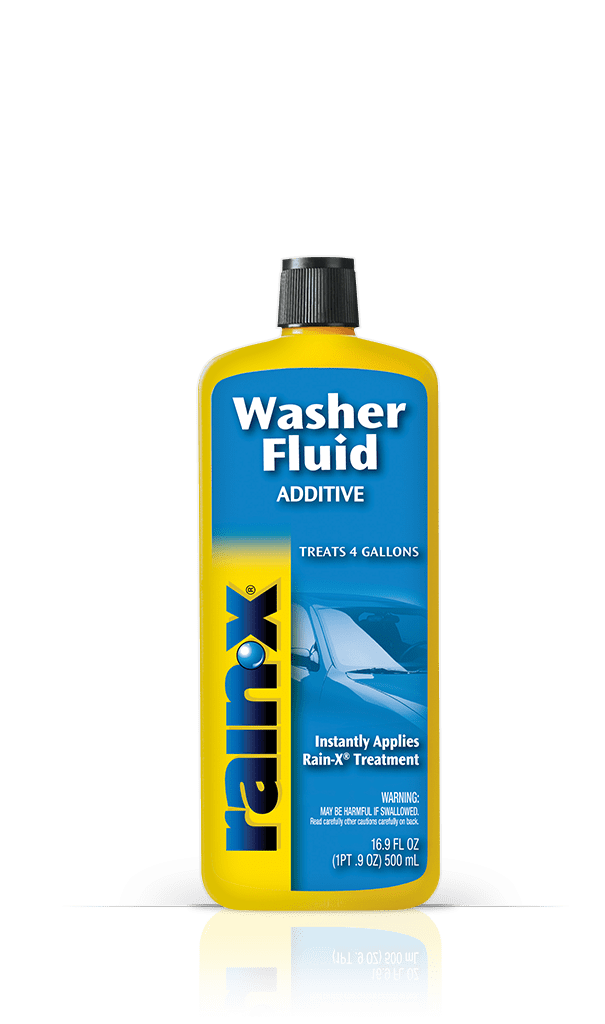
Credit: www.rainx.com
Maintenance Advice
Proper maintenance of your windshield washer fluid keeps your windshield clear and safe. Using the right fluid and handling it well improves visibility on the road. This section explains how to care for your washer fluid system.
Draining Old Fluid
Remove old windshield washer fluid before adding new fluid. Old fluid can contain dirt and lose effectiveness over time. Drain the reservoir by opening the drain plug or using a siphon. This prevents mixing old and new fluids, which can reduce cleaning power.
Refilling Properly
Fill the washer fluid reservoir with the correct type of fluid for your climate. Use a funnel to avoid spills and overfilling. Avoid mixing fluids with different formulas or colors. This keeps the washer system working well and prevents damage.
Handling Seasonal Changes
Change your windshield washer fluid according to the season. Use antifreeze fluid in winter to prevent freezing. In warmer months, use fluid designed for bug and dirt removal. Seasonal fluids keep your windshield clear and protect the washer system.
Diy Washer Fluid
Many car owners consider making their own windshield washer fluid. DIY washer fluid offers a way to save money and control ingredients. You can tailor the mix for different seasons or cleaning needs. Understanding how to create a safe and effective solution is key before trying homemade blends.
Homemade Recipes
Simple recipes include water, dish soap, and vinegar. Mix two parts water with one part vinegar for basic cleaning. Add a few drops of dish soap to help remove grime. Some use rubbing alcohol to prevent freezing in cold weather. Always measure carefully to avoid damaging your car’s system.
Safety Precautions
Use gloves and work in a well-ventilated area. Avoid strong chemicals that can harm paint or plastic parts. Do not mix unknown fluids, as reactions may occur. Store homemade fluid in labeled containers away from children and pets. Test the fluid on a small windshield area first.
Effectiveness Comparisons
DIY fluids clean dirt but may lack antifreeze properties. Commercial fluids often contain additives for bug removal and ice prevention. Homemade blends might leave streaks or build-up over time. Professional products ensure better performance in extreme weather. Choose based on your climate and cleaning needs.

Credit: www.dailyfreeman.com
Wiper Blade Care
Wiper blade care is key for clear vision during driving. Proper care keeps the windshield clean and safe. It also helps the wiper fluid work better. Maintaining blades prevents streaks and damage on the glass. Clean blades and the right fluid make driving safer in all weather.
Replacing Worn Blades
Replace wiper blades every 6 to 12 months. Worn blades leave streaks and miss spots. Cracked or torn rubber reduces wiping power. New blades glide smoothly and clear water fast. Check blades regularly for wear and tear.
Impact On Cleaning
Worn blades reduce the cleaning effect of washer fluid. They smear dirt instead of removing it. Dirty or damaged blades can scratch the windshield glass. Clean and sharp blades remove bugs, dust, and grime well. Good blades improve fluid coverage and visibility.
Complementing Fluid Use
Use the right washer fluid with good wiper blades. Some fluids remove tough dirt or bugs better. Winter fluids prevent freezing on the glass. Blades and fluid work together for clear views. Avoid mixing fluids that may reduce cleaning power.
Frequently Asked Questions
Is It Okay To Mix Different Windshield Washer Fluids?
Mixing different windshield washer fluids is generally safe but not recommended. It can reduce cleaning effectiveness and antifreeze protection. Use a fluid suited to your climate for best results. Avoid mixing winter and summer formulas to prevent dilution and possible freezing issues.
Can You Mix Pink And Blue Windshield Washer Fluid?
You can mix pink and blue windshield washer fluids, but it’s not recommended. Mixing may reduce cleaning and antifreeze effectiveness. Use fluids suited for your climate for best results. Avoid diluting winter formulas with summer fluids to prevent freezing in cold weather.
Can You Mix Different Types Of Screen Wash?
You can mix different types of screen wash, but it may reduce cleaning and antifreeze effectiveness. Avoid mixing winter and summer formulas to prevent freezing. Using a single type suited for your climate ensures optimal performance and safety. Mixing isn’t dangerous but not ideal for best results.
Is It Okay To Mix Windshield Washer Fluid With Water?
Mixing windshield washer fluid with water is possible but not ideal. It dilutes cleaning power and antifreeze properties. Use full-strength fluid for best results and proper climate protection.
Can You Mix Different Colors Of Windshield Washer Fluid?
Yes, mixing different colors like pink and blue is safe but may create a less effective purple mix.
Conclusion
Mixing windshield washer fluids is possible but not ideal. Different fluids have different formulas for cleaning or freezing protection. Combining them can weaken their effects. Your windshield may not get as clean, or the fluid may freeze in cold weather.
Using one type of fluid suited for your climate works best. Always check the fluid’s label before adding it. Clean windows help you drive safely. Keep your washer fluid effective by choosing the right kind. Simple care keeps your car ready for all seasons.