

If you own a Cadillac, you probably appreciate the smooth, comfortable ride that the Magnetic Ride Control system promises. But what happens when this advanced suspension technology starts acting up?
You might notice your car leaning oddly, feeling bumpy, or not handling as well as it used to. These are signs that your Cadillac’s Magnetic Ride Control could be facing problems. Understanding these issues early can save you from costly repairs and keep your driving experience as enjoyable as it should be.
You’ll learn how to spot common Magnetic Ride Control problems, what causes them, and what steps you can take to fix or prevent them. Keep reading to protect your investment and get back to that perfect ride you expect from your Cadillac.
Common Magnetic Ride Control Issues
Cadillac’s Magnetic Ride Control system offers a smooth ride by adjusting the suspension instantly. Despite its advanced design, this system can face some common problems. These issues can affect your vehicle’s handling and comfort. Understanding these problems helps you spot them early and seek repairs promptly.
Leaning And Sagging Problems
One common issue is the vehicle leaning or sagging to one side. This often happens when the suspension cannot hold the car level. Usually, the rear end shows this problem first. It causes uneven tire wear and poor handling. Drivers may feel instability during turns or on rough roads.
Leaking Magnetic Struts
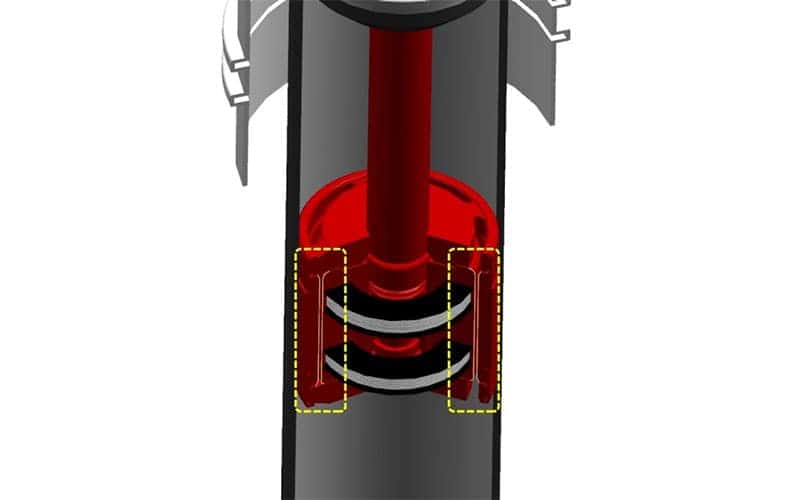
Magnetic struts can develop leaks over time. Fluid leaks reduce the struts’ ability to absorb shocks. This weakens the suspension and leads to a bumpy ride. Leaking struts may also trigger warning lights on the dashboard. Regular checks help catch leaks before they cause bigger damage.
Electrical Connection Failures
The system relies on electrical connections to work properly. Corroded or loose wiring can cause failures. This interrupts the signal between sensors and the control unit. As a result, the suspension may not adjust correctly. Electrical problems can cause warning lights and reduce ride quality.
Faulty Suspension Sensors
Sensors play a key role in Magnetic Ride Control. Faulty sensors send wrong data to the system. This can cause the suspension to react improperly. Common symptoms include uneven ride height and harsh damping. Sensor issues often trigger error codes that require diagnostic tools to read.
Credit: www.germaincadillacofeaston.com
Symptoms Of A Failing System
The Cadillac Magnetic Ride Control system adapts your car’s suspension for a smooth drive. Signs of failure often appear before the system stops working completely. Spotting these symptoms early helps avoid costly repairs. Watch for changes in ride quality and vehicle behavior.
Uneven Vehicle Height
Your Cadillac should sit level on flat ground. Uneven height means one corner is lower or higher than the others. This imbalance shows a problem in the suspension or sensors. The car may lean or sag, especially at the rear. This affects driving safety and comfort.
Rough Or Stiff Ride
The Magnetic Ride Control adjusts for road conditions. A failing system often causes a rough or overly stiff ride. You might feel bumps more than usual. The suspension may not soften impacts as it should. Driving becomes uncomfortable on both smooth and bumpy roads.
Warning Lights And Error Codes
Your dashboard may show warning lights related to the suspension. The vehicle’s computer detects faults and alerts you. Diagnostic trouble codes (DTCs) can be read with a scanner. These codes help identify specific issues in the system. Ignoring these warnings risks further damage.
Unusual Noises From Suspension
Listen for clicking, clunking, or knocking sounds from the suspension area. These noises indicate worn or damaged components. A failing Magnetic Ride Control system may cause parts to move incorrectly. Strange sounds often increase when driving over bumps or turning. Prompt attention prevents bigger problems.
Diagnostic Steps
Diagnosing Cadillac Magnetic Ride Control problems involves clear, step-by-step checks. Each step helps pinpoint exact issues affecting the suspension system. Follow these diagnostic steps carefully to ensure accurate troubleshooting.
Using An Obd-ii Scanner
Start by connecting an OBD-II scanner to the vehicle’s diagnostic port. This tool reads fault codes stored in the suspension control module. Codes can reveal sensor failures or electrical issues. Clear codes after repairs to reset the system. Regular scanning helps detect hidden problems early.
Inspecting Wiring And Sensors
Examine all wiring harnesses linked to the Magnetic Ride Control system. Look for frayed wires, corrosion, or loose connections. Check sensors at each wheel for dirt or damage. Clean or replace faulty sensors to restore proper signal flow. Secure all connections firmly to avoid intermittent faults.
Checking For Fluid Leaks
Inspect shock absorbers and surrounding areas for signs of fluid leaks. Leaking fluid reduces damping efficiency and affects ride quality. Look under the vehicle and around each suspension unit carefully. Replace any leaking shocks promptly to prevent further damage. Fluid loss often causes uneven ride height or sagging.
Evaluating Suspension Bushings
Check all suspension bushings for cracks, wear, or deformation. Worn bushings cause unwanted movement and noise in the suspension system. Use a pry bar to test for excessive play in control arms and links. Replace damaged bushings to improve stability and ride comfort. Proper bushings support correct sensor alignment and function.
Resetting Magnetic Ride Control
Resetting the Magnetic Ride Control (MRC) system can fix many common issues. This system adjusts your suspension for a smooth ride. Resetting helps the system learn the correct settings again. It often clears error codes and improves performance. Several methods exist depending on the problem and vehicle model.
Try simple resets before costly repairs. Below are four ways to reset the Magnetic Ride Control system.
Clearing Fault Codes
Use an OBD-II scanner to find fault codes in the system. These codes show what problems exist. After repairs, clear the fault codes with the scanner. This tells the system to start fresh. Clearing codes can restore normal operation quickly.
Relearn Calibration Process
This process makes the suspension relearn proper settings. It is needed after shock replacements or lowering the vehicle. A dealer or professional scan tool usually performs this. The system adjusts dampers to match vehicle weight and condition. Relearn calibration improves ride quality and handling.
Battery Disconnect Method
Disconnect the vehicle’s battery for 10 to 15 minutes. This cuts power to the Magnetic Ride Control system. It clears temporary errors stored in memory. After reconnecting, the system resets and starts fresh. This simple step can fix minor glitches and sensor errors.
Ignition Cycling Technique
Turn the ignition on and off several times in a row. Do this without starting the engine. This action resets the control module in some Cadillac models. It prompts the system to reinitialize sensors and valves. Ignition cycling is a quick way to reset minor faults.
Calibration After Repairs
Calibration after repairs is crucial for Cadillac Magnetic Ride Control. This system relies on precise data to adjust shock absorbers in real time. Repairs like replacing shocks or modifying suspension can disrupt sensor accuracy. Without proper calibration, the system may not perform correctly, causing ride quality issues or warning lights. Correct calibration restores smooth handling and vehicle stability. Each repair type demands specific calibration steps to ensure the system functions optimally.
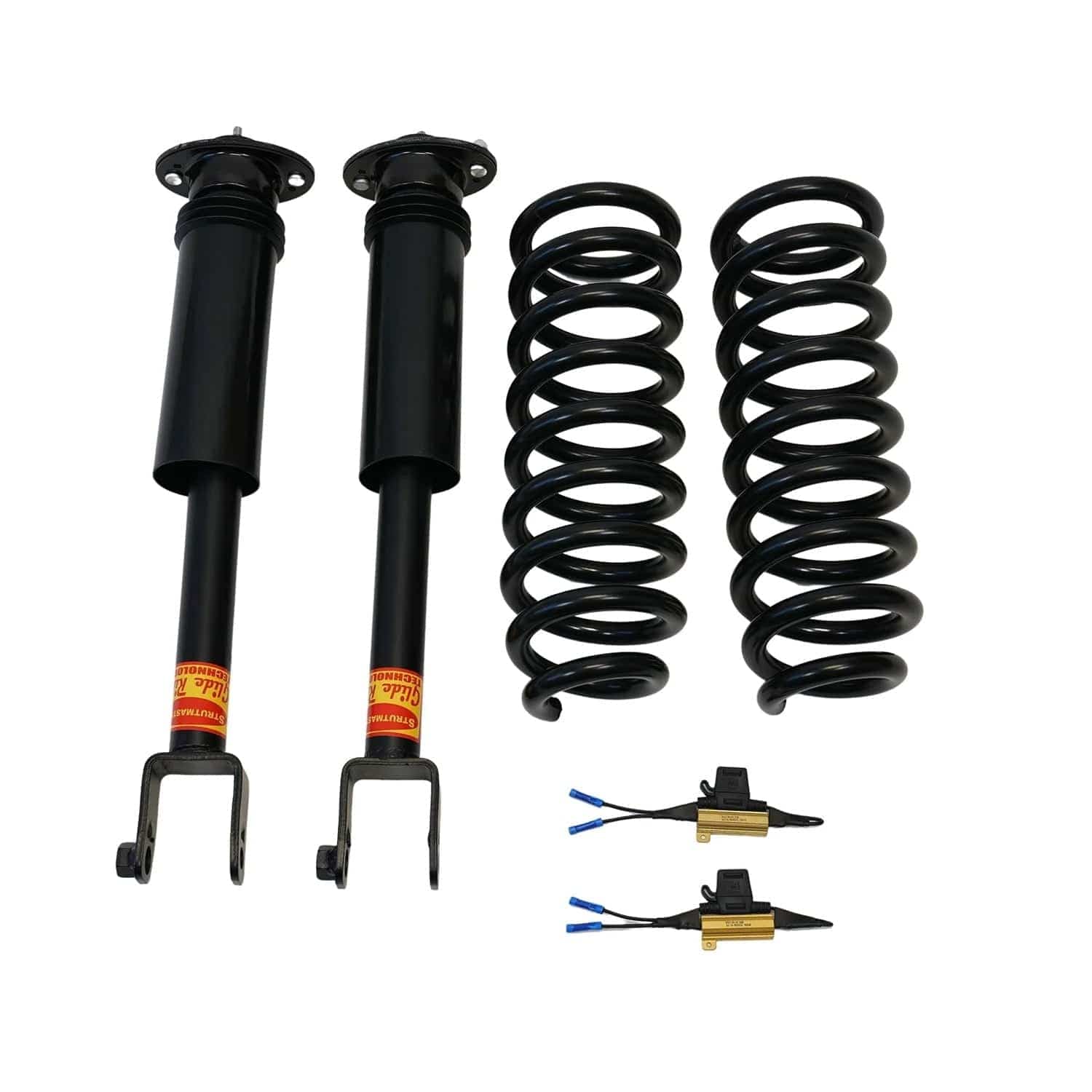
Shock And Strut Replacement
Replacing shocks or struts requires recalibrating the Magnetic Ride Control system. New parts can change suspension dynamics and sensor readings. Calibration aligns sensors with the new components. This step prevents error codes and uneven ride height. Technicians use diagnostic tools to reset the system after installation. Proper calibration helps maintain the vehicle’s original handling and comfort.
Vehicle Lowering Adjustments
Lowering the vehicle affects suspension geometry and sensor inputs. The system needs recalibration to recognize new ride height. Without it, sensors may send incorrect signals. This causes poor shock adjustment and a harsh ride. Calibration after lowering ensures the system adapts to the new setup. It keeps the Magnetic Ride Control responsive and balanced.
Professional Diagnostic Tools
Specialized diagnostic tools are essential for accurate calibration. These tools communicate with the vehicle’s control module. They clear fault codes and initiate sensor recalibration. Professional equipment provides precise system data and status. DIY methods usually cannot perform full calibration. Using the right tools ensures reliable Magnetic Ride Control performance after repairs.
Importance Of Accurate Sensor Settings
Sensor settings are key to the Magnetic Ride Control system. Incorrect sensor calibration leads to poor shock response. This results in uneven tire wear and unstable handling. Accurate sensor data allows the system to adjust shocks instantly. Calibration restores proper sensor function after any suspension work. It guarantees a smooth, safe driving experience with Cadillac’s advanced suspension.
Credit: crescentcitychambermusicfestival.com
Diy Fixes And Maintenance Tips
Maintaining Cadillac’s Magnetic Ride Control system can prevent many common issues. Simple DIY checks and fixes keep your suspension working well. Regular care helps spot problems early, saving time and money. Follow these easy steps to maintain your Magnetic Ride Control system.
Checking And Replacing Fuses
Start by locating the fuse box in your Cadillac. Check the fuses related to the suspension system. Use the owner’s manual to find the correct fuse for the Magnetic Ride Control. Look for blown fuses or signs of damage. Replace any faulty fuse with one of the same rating. This simple step can restore proper function quickly.
Inspecting For Visible Damage
Look closely at the suspension components for cracks, leaks, or broken parts. Pay attention to the shock absorbers and wiring around them. Damage to sensors or wires can cause system errors. Use a flashlight to see hidden areas clearly. Catching damage early helps avoid bigger repairs later.
Cleaning Electrical Contacts
Dirty or corroded electrical contacts can disrupt the system. Carefully disconnect the connectors near the shocks. Use a contact cleaner spray and a soft brush to clean them. Let them dry completely before reconnecting. Clean contacts improve signal flow and system reliability.
Routine Suspension Checks
Check your suspension regularly for smooth operation. Drive slowly over bumps to listen for unusual sounds. Notice if the ride feels rougher than normal. Measure the ride height to see if one side is lower. Routine checks reveal problems early and keep your car safe and comfortable.
When To Seek Professional Help
Knowing when to seek professional help for Cadillac Magnetic Ride Control problems can save time and money. Some issues require expert attention to ensure safety and proper function. Recognizing these signs early helps prevent further damage.
Complex Recalibration Needs
Magnetic Ride Control systems often need precise recalibration after repairs. This process involves advanced equipment and expertise. Attempting recalibration without proper tools can cause more issues. Professionals have the right tools to reset and calibrate the system accurately.
Persistent Warning Lights
Warning lights on your dashboard signal problems with the suspension system. If these lights stay on after basic checks, professional diagnostics are needed. Persistent warnings can indicate deeper electrical or sensor faults. Ignoring these lights may lead to unsafe driving conditions.
Unresolved Suspension Issues
Suspension problems that continue after basic fixes require expert evaluation. Uneven ride height, strange noises, or poor handling need thorough inspection. Specialists can identify hidden faults within the Magnetic Ride Control system. They also provide reliable repair solutions that last.
Dealer-level Diagnostic Equipment
Professional mechanics use dealer-level diagnostic tools to access detailed system data. These tools read fault codes and perform system tests beyond basic scanners. Such equipment helps pinpoint the exact cause of Magnetic Ride Control issues. This ensures efficient and accurate repairs.
Credit: www.strutmasters.com
Frequently Asked Questions
How Do I Know If My Magnetic Ride Control Is Bad?
Signs of a bad magnetic ride control include uneven vehicle sagging, harsh or bouncy rides, warning lights, and error codes from a diagnostic scan.
How To Reset Magnetic Ride Control?
Reset magnetic ride control by scanning and clearing fault codes with an OBD-II tool. Recalibrate the system using a professional diagnostic scanner after repairs or suspension changes. For some models, disconnect the battery and cycle the ignition to allow system recalibration.
Which Cadillac To Stay Away From?
Avoid Cadillac models with Magnetic Ride Control issues, especially older CTS and Escalade versions, due to costly suspension repairs.
Does Magnetic Ride Control Wear Out?
Yes, magnetic ride control components can wear out over time. Regular use and harsh conditions may reduce their performance and responsiveness.
What Are Common Cadillac Magnetic Ride Control Problems?
Common issues include leaking shocks, uneven ride height, and warning lights on the dashboard.
Conclusion
Cadillac Magnetic Ride Control issues can affect your ride quality. Watch for signs like uneven leaning or strange noises. Regular checks help spot problems early and avoid costly repairs. Fixing leaks and faulty sensors restores smooth driving. Use proper tools to reset and recalibrate the system after repairs.
Staying informed keeps your suspension working well and your car comfortable. Don’t ignore small issues—they often lead to bigger troubles later. Taking quick action helps maintain the performance you expect from Cadillac.