If your car is idling rough or you notice a drop in fuel efficiency, the throttle body might be the culprit. Cleaning it can make a huge difference, but here’s the catch: not all cleaners are safe to use.
You might wonder, “Can I use brake cleaner to clean my throttle body? ” The answer isn’t as simple as you think. Using the wrong product could damage sensitive parts, trigger warning lights, or even lead to costly repairs. You’ll discover why brake cleaner is a no-go for your throttle body, what you should use instead, and how to clean it safely step-by-step.
Keep reading to protect your engine and keep your ride running smoothly.

Credit: www.crcindustries.com
Brake Cleaner Risks
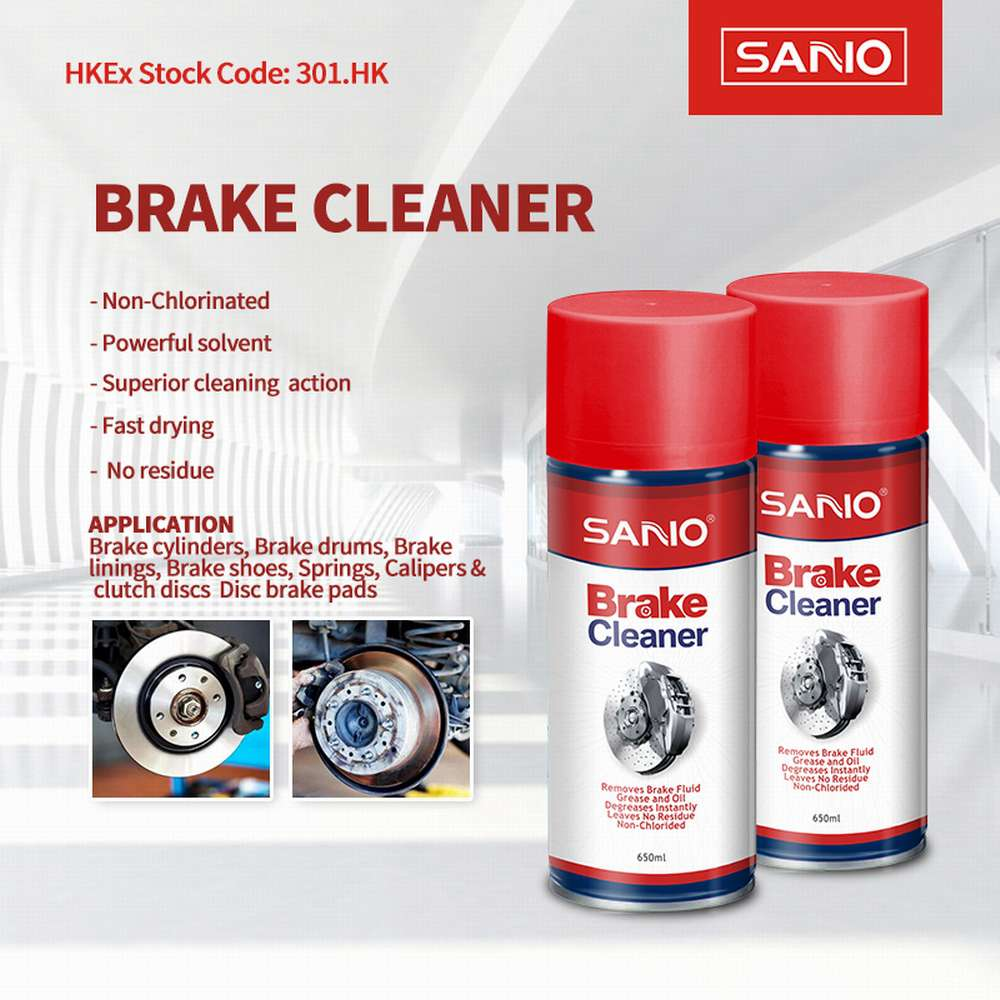
Using brake cleaner to clean a throttle body carries several risks. This product is designed for brake parts, not delicate engine components. Applying brake cleaner can harm sensors and damage essential coatings. It also lacks lubrication needed for throttle body parts. These factors may cause engine problems and costly repairs.
Sensor Damage
Brake cleaner contains harsh chemicals that can harm sensitive sensors. Modern throttle bodies have electronic sensors to control airflow. Brake cleaner can corrode or short-circuit these sensors. Damaged sensors may cause poor engine performance or warning lights.
Coating Removal
Throttle bodies often have protective coatings to prevent wear. Brake cleaner is too strong and can strip these coatings. Removing coatings leads to faster wear and potential malfunction. The throttle body may become rough and less efficient.
Lack Of Lubrication
Brake cleaner does not include lubricants for moving parts. Throttle bodies have components that need light lubrication to work smoothly. Using brake cleaner can dry out these parts. This drying causes stiffness and may lead to throttle sticking.
Triggering Engine Issues
Using brake cleaner can trigger error codes in the engine system. The throttle body may stop working properly, causing rough idling or stalling. The vehicle’s computer might require resetting or reprogramming. These issues increase repair costs and downtime.
Credit: www.sanvochemicals.com
Cleaner Alternatives
Choosing the right cleaner for your throttle body is important. Brake cleaner can harm sensors and remove necessary coatings. Many prefer safer alternatives that clean well without damage. Below are options to consider for effective throttle body maintenance.
Throttle Body Cleaner Benefits
Throttle body cleaners are made for this exact purpose. They remove dirt and grime gently. These cleaners protect sensitive sensors and coatings. They also include lubricants to keep parts moving smoothly. Using them prevents engine issues and check engine lights.
Carburetor Cleaner Use
Carburetor cleaner can sometimes clean throttle bodies. It dissolves grease and deposits effectively. But it may be harsher than throttle body cleaner. For older cars, it might work well. Modern engines usually need a more delicate product.
Choosing The Right Product
Pick a cleaner labeled for throttle bodies. Avoid brake cleaner as it is too strong. Read product labels to check compatibility. Choose cleaners that protect sensors and coatings. This helps keep your engine running well for longer.
Safe Cleaning Steps
Cleaning your throttle body is important for smooth engine performance. Safe cleaning steps protect delicate parts and ensure lasting results. Following the right process prevents damage and keeps your vehicle running well.
Selecting Proper Cleaner
Choose a cleaner made for throttle bodies. Avoid brake cleaner as it can harm sensors and coatings. Throttle body cleaners remove dirt without damaging parts. Using the correct product helps maintain engine health.
Gentle Scrubbing Techniques
Use a soft brush or cloth to clean the throttle body. Avoid hard scrubbing to protect sensitive surfaces. Lightly scrub to remove grime and buildup. Gentle cleaning keeps the throttle body intact and working properly.
Avoiding Mechanical Damage
Do not force or bend any throttle parts. Avoid touching sensors and wiring inside the throttle body. Handle components carefully to prevent damage. Mechanical harm can cause engine issues and costly repairs.
Drying And Reinstallation
Let the throttle body dry completely before reinstalling. Use a clean cloth to wipe excess cleaner. Ensure no moisture remains to avoid engine problems. Reinstall the throttle body carefully and securely for best results.
Common Mistakes
Cleaning the throttle body is important for smooth engine performance. Many people make simple mistakes that harm the throttle body. These errors reduce the cleaning effect and may cause damage. Understanding common mistakes helps protect your vehicle and saves repair costs.
Using Brake Cleaner
Brake cleaner is strong and designed for brakes only. It can harm sensitive sensors inside the throttle body. The cleaner may strip protective coatings that keep parts safe. It also lacks lubricants needed for moving parts. Using brake cleaner can cause engine problems and warning lights.
Forcing Throttle Components
Throttle parts are delicate and require gentle handling. Forcing or pushing components can break sensors or cause misalignment. Use soft tools and light pressure when cleaning. Rough treatment may lead to costly repairs or throttle failure.
Ignoring Drying Time
Cleaning sprays leave moisture on the throttle body. This moisture must dry before starting the engine. Ignoring drying time can cause electrical shorts or poor sensor readings. Wait at least 10 minutes after cleaning before turning the engine on.
Performance Tips
Keeping your throttle body clean is key to maintaining engine performance. Dirt and grime buildup can reduce airflow and cause rough idling. Following simple performance tips helps your car run smoother and last longer.
Regular Maintenance
Check your throttle body during routine car maintenance. Cleaning it every 30,000 miles keeps dirt from building up. Use a throttle body cleaner made for this purpose. Avoid brake cleaner as it may harm sensors and parts.
Recognizing When To Clean
Notice if your engine idles unevenly or hesitates during acceleration. These signs suggest your throttle body needs cleaning. A dirty throttle body restricts airflow, lowering engine efficiency. Clean it promptly to restore proper function.
Signs Of Throttle Body Issues
Watch for rough idling, stalling, or poor fuel economy. Your check engine light may also turn on. These symptoms often point to throttle body problems. Timely cleaning helps prevent costly repairs and keeps your car running well.

Credit: gunk.com
Frequently Asked Questions
Can You Use Brake Cleaner On A Throttle Body?
Do not use brake cleaner on a throttle body. It can damage sensors, remove coatings, and lacks needed lubricants. Use throttle body cleaner for safe, effective cleaning.
What Is The Best Cleaner To Clean A Throttle Body?
The best cleaner for a throttle body is a throttle body cleaner. It safely removes deposits without damaging sensors or coatings. Avoid brake cleaner as it can harm sensitive parts and lacks necessary lubricants. Use gentle scrubbing and let it dry fully before reinstalling.
Can I Use Brake Cleaner On Throttle Body Reddit?
No, avoid using brake cleaner on throttle bodies. It can damage sensors, remove coatings, and lacks necessary lubricants. Use a throttle body cleaner designed for safe, effective cleaning instead.
Can I Clean An O2 Sensor With Brake Cleaner?
No, do not clean an O2 sensor with brake cleaner. It can damage the sensor’s delicate components and coatings. Use a specialized O2 sensor cleaner for safe, effective cleaning and to avoid sensor failure or engine issues.
Can Brake Cleaner Damage A Throttle Body?
Yes, brake cleaner can harm sensors and remove protective coatings on the throttle body.
Conclusion
Cleaning your throttle body requires care and the right products. Avoid brake cleaner to protect sensors and coatings. Choose a throttle body cleaner designed for this task. Gently scrub to remove dirt without forcing parts. Let the throttle body dry fully before reinstalling.
Proper cleaning keeps your engine running smoothly and prevents damage. Simple steps lead to better vehicle performance and fewer problems.