

When it comes to repairing your car or any damaged surface, choosing the right material can make all the difference. You might be wondering, should you go with Bondo or fiberglass?
Both have their strengths, but knowing which one fits your project can save you time, effort, and frustration. Whether you need a quick fix or a long-lasting repair, understanding the key differences between Bondo and fiberglass will help you make the best choice for your needs.
Keep reading to discover which option suits your repair job perfectly and ensures the strongest, most durable finish possible.
Bondo Basics
Bondo is a popular body filler used to repair dents, holes, and cracks in car bodies and other surfaces. It is known for its quick drying time and easy sanding. Understanding the basics of Bondo helps in choosing the right product and applying it correctly for the best results.
Bondo comes in different types and is suitable for various repair tasks. It is important to know how to use it well to avoid common mistakes that reduce its effectiveness.
Composition And Types
Bondo is mainly made from polyester resin mixed with a hardener. This combination creates a putty that hardens quickly. There are two common types:
- Body Filler: Used for filling dents and small holes on metal surfaces.
- Fiberglass Resin: Used with fiberglass cloth for stronger repairs.
Each type serves different repair needs, so selecting the right one is key.
Ideal Uses
Bondo is perfect for fixing minor surface damage. It works well on car panels, boats, and household items. Use body filler to smooth out dents or scratches. For larger cracks or breaks, use fiberglass resin with cloth for added strength. Bondo is not strong enough for structural repairs alone.
Application Tips
Start with a clean, dry surface. Remove rust and loose paint before applying Bondo. Mix the filler and hardener in small batches. Apply thin layers and shape it roughly. Let it cure fully, then sand smooth. Repeat if needed for a perfect finish. Wear gloves and work in a ventilated area for safety.
Fiberglass Essentials
Fiberglass is a strong and lightweight material used in many repair jobs. It consists of tiny glass fibers mixed with resin. This mix creates a solid, durable surface once it hardens. Fiberglass repairs often last longer than regular fillers. It is ideal for fixing large holes or structural damage.
Understanding fiberglass basics helps you choose the right repair method. You get better results by knowing how to handle and apply it properly. This section covers key points about fiberglass material, uses, and preparation.
Material Properties
Fiberglass is made of fine glass fibers combined with a resin binder. The resin hardens to form a tough, rigid surface. It resists water, heat, and chemicals well. Fiberglass is stronger than many fillers and can handle stress without cracking. It is lightweight but adds good strength to repairs.
Common Applications
Fiberglass is widely used in automotive and marine repairs. It fills large holes and rebuilds damaged panels. It works well on boats, cars, and even household items. Fiberglass is great for structural repairs where strength matters. It can also smooth out rough surfaces before painting.
Preparation And Handling
Surface preparation is critical for good fiberglass adhesion. Clean the area from dirt, grease, and loose paint. Sand the surface to create a rough texture. Cut fiberglass cloth or mat to fit the repair size. Mix resin and hardener carefully following instructions. Apply resin evenly and place fiberglass cloth over it. Press out air bubbles to avoid weak spots. Let the repair cure fully before sanding or painting.
Strength And Durability
Strength and durability are key factors when choosing between Bondo and fiberglass. Both materials serve different purposes in repairs and restorations. Understanding their performance under stress, lifespan, and resistance to water helps make the right choice. This section breaks down these aspects clearly.
Resistance To Stress
Fiberglass is known for its high resistance to stress. It can handle heavy loads and pressure without cracking. Bondo, on the other hand, is softer and can flex under minor stress. It is best for filling small dents or scratches. Fiberglass provides a rigid structure, making it ideal for larger repairs.
Longevity In Repairs
Repairs with fiberglass last longer due to its strong fibers. It bonds well with surfaces and holds its shape over time. Bondo tends to shrink and may crack after some time, especially on large or moving surfaces. For durable repairs that last years, fiberglass is often the preferred choice.
Waterproofing Capabilities
Fiberglass offers excellent waterproofing as it forms a solid, sealed layer. This prevents moisture from reaching the underlying material. Bondo is less waterproof and can absorb moisture if not sealed properly. For outdoor or wet environments, fiberglass ensures better protection against water damage.
Credit: www.findtape.com
Ease Of Use
Understanding the repair scope is essential when choosing between Bondo and fiberglass. Each material suits different types of damage on vehicles or other surfaces. Knowing what kind of repair you need helps you pick the right product for a lasting fix.
Small Imperfections
Bondo works best for small dents, scratches, and minor surface flaws. It fills in shallow areas smoothly and sands easily. This makes it ideal for quick cosmetic repairs without much structural concern.
Fiberglass is usually too strong and bulky for small imperfections. Using it here wastes time and materials. Bondo provides a fast, simple solution for fine surface touch-ups.
Large Holes And Cracks
Fiberglass excels at fixing large holes and deep cracks. Its strength and flexibility create a durable patch that holds up well under stress. It bonds firmly to the surface and prevents further damage.
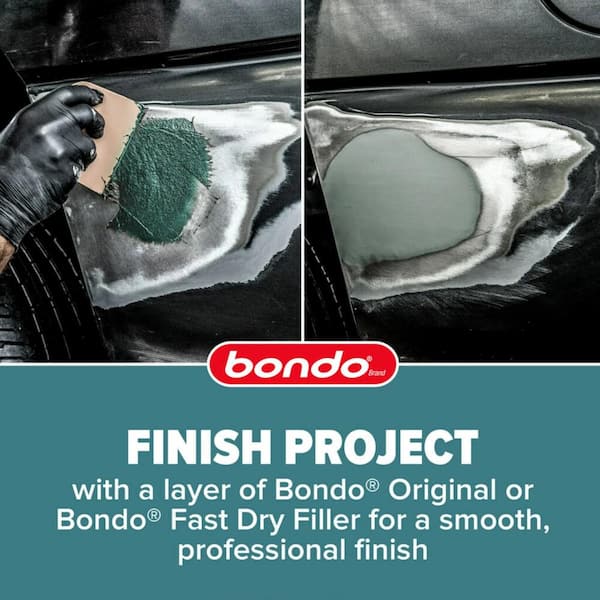
Bondo alone will not hold large gaps or cracks. It may crack or fall off over time without a solid backing. Sometimes, Bondo can be used over a fiberglass patch for a smooth finish.
Structural Repairs
Fiberglass is the preferred choice for structural repairs. It provides strong reinforcement and restores the integrity of broken parts. This makes it suitable for critical areas that bear weight or pressure.
Bondo cannot replace structural materials. It is a filler, not a support. Using Bondo for structural fixes risks failure and unsafe conditions. Fiberglass combined with resin offers a reliable, long-lasting repair.
Repair Scope
Choosing between Bondo and fiberglass depends on how well each material sticks to different surfaces. Compatibility affects repair strength and durability. Understanding these factors helps pick the right filler for your project.
Metal Surfaces
Bondo bonds well to clean metal surfaces. Remove rust and dirt before applying. It fills dents and small holes effectively. Fiberglass needs a good primer on metal to stick. Fiberglass adds strength but requires more prep work.
Fiberglass Panels
Bondo works on fiberglass panels if the surface is roughened. Sanding creates texture for better adhesion. Fiberglass filler matches the panel material perfectly. It repairs cracks and holes more strongly. Bondo may crack over time on flexible fiberglass.
Wood And Other Materials
Bondo adheres to wood and is easy to shape. It is ideal for small repairs and smoothing surfaces. Fiberglass adds durability to wood but is harder to work with. Both can be used on plastic, but surface prep is key. Choose based on repair size and strength needs.
Credit: www.homedepot.com
Cost Considerations
Choosing between Bondo and fiberglass often leads to common mistakes. These errors reduce the quality and durability of repairs. Understanding these mistakes helps improve the final result and saves time and money.
Improper Surface Prep
Cleaning the surface is the first step. Dirt, oil, or rust stop fillers from sticking well. Sanding the area ensures better bonding. Skipping this step causes peeling and weak repairs.
Fiberglass needs a rough surface to grip properly. Bondo also requires a clean, dry base. Rushing this process leads to poor adhesion and cracks later.
Ignoring Material Limits
Bondo is best for small dents and minor fixes. It is not strong enough for large holes or structural repairs. Using Bondo beyond its limits causes cracking and failure.
Fiberglass offers more strength and durability. It works well for bigger damage and structural fixes. Using fiberglass on small spots wastes effort and time. Knowing each material’s limits avoids these problems.
Incorrect Mixing Ratios
Both Bondo and fiberglass need precise mixing ratios. Too much hardener makes the filler dry too fast and brittle. Too little hardener causes slow curing and weak bonds.
Measuring the components carefully ensures the right mix. Mixing too much or too little hardener ruins the repair. Always follow product instructions to get the best results.
Compatibility Factors
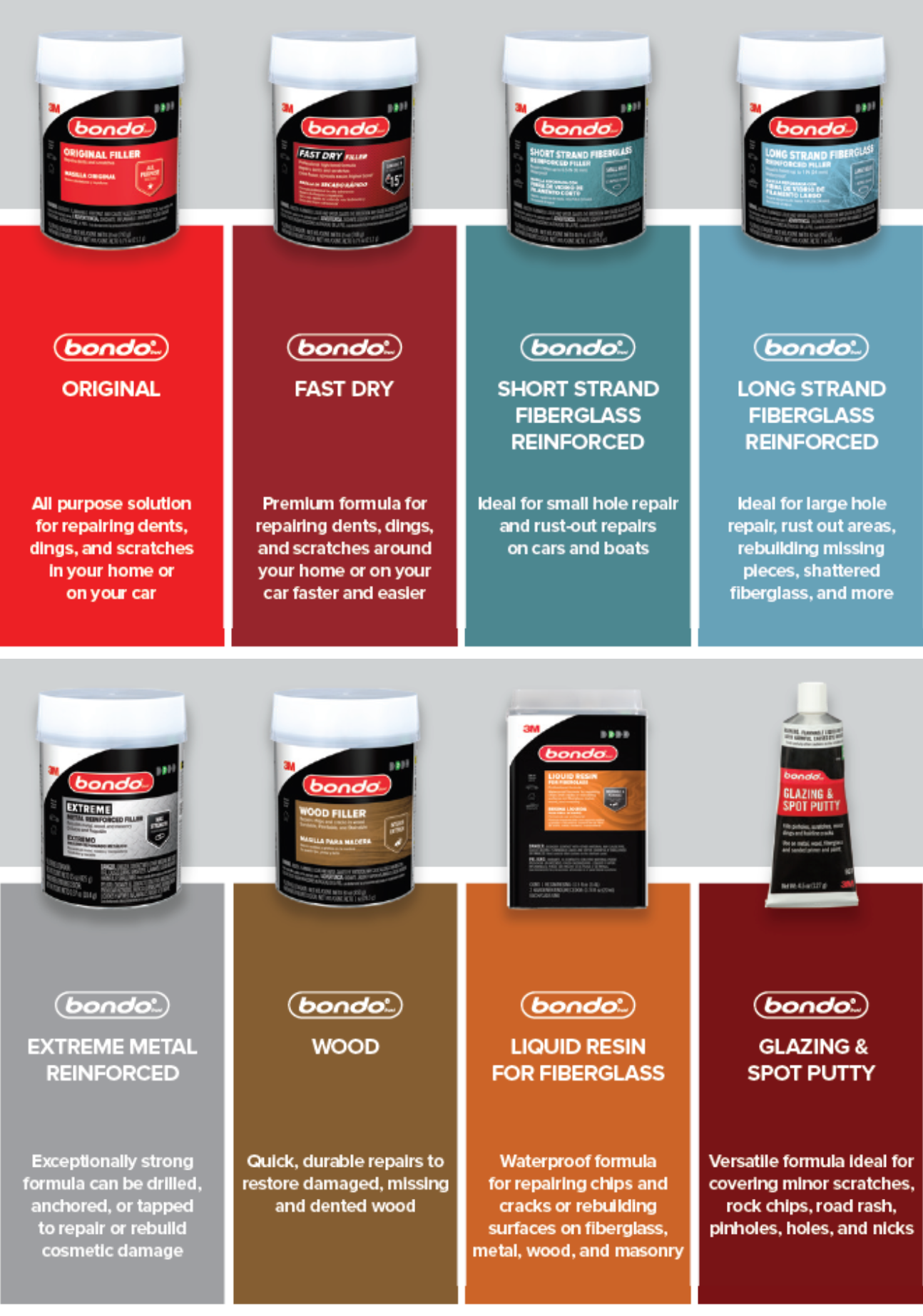
Choosing between Bondo and fiberglass involves understanding their product variations. Each type offers unique forms to suit different repair needs. Knowing these options helps in selecting the right material for your project.
These variations affect strength, application ease, and repair durability. Some products mix features of both Bondo and fiberglass for improved results. Explore the main product types below to see which fits best.
Fiberglass-enhanced Bondo
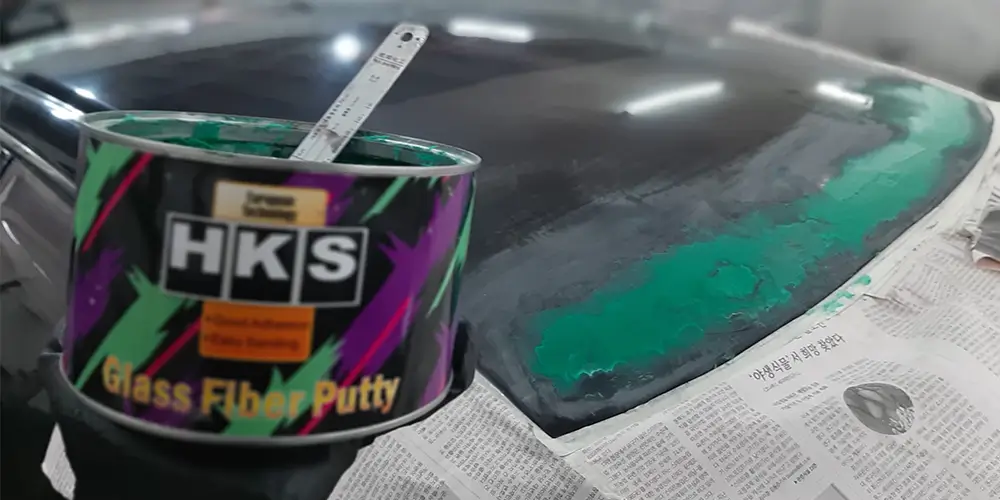
Fiberglass-enhanced Bondo combines traditional filler with fiberglass strands. This mix adds extra strength and durability to the filler. It is ideal for repairs that need more toughness than regular Bondo.
This product works well on larger cracks or holes. It resists cracking better than plain filler. Users still enjoy easy sanding and shaping after curing.
Metal Reinforced Fillers
Metal reinforced fillers include small metal fibers or powders. These fillers improve the bonding to metal surfaces. They provide higher resistance to heat and impact.
These fillers suit automotive and industrial repairs. They create a stronger bond than typical fillers. Metal reinforcement helps in areas with heavy wear.
Liquid Resin Options
Liquid resin options offer a flexible way to apply fiberglass repairs. They come in liquid form to soak fiberglass cloth or mat. Once cured, they harden into a strong, durable surface.
These resins allow precise control for custom shapes. They work great for larger or irregular repairs. Users should follow safety guidelines during application.
Credit: www.supersybon.com
Frequently Asked Questions
Which Is Better, Fiberglass Or Bondo?
Fiberglass offers superior strength and durability for long-term repairs. Bondo is faster and easier for minor fixes and quick projects. Choose fiberglass for heavy-duty work and Bondo for efficient, small-scale repairs.
When Should You Not Use Bondo?
Avoid using Bondo on metal-to-metal contact, large holes, or structural repairs needing strong reinforcement. Use fiberglass filler instead.
Can You Use Regular Bondo On Fiberglass?
Yes, regular Bondo can be used on fiberglass if the surface is well-prepared. It suits minor repairs but lacks structural strength. For stronger, durable fixes, use Bondo’s fiberglass resin or long-strand fiberglass filler designed specifically for fiberglass applications.
Is There Anything Better Than Bondo?
Fiberglass body filler offers better durability and strength than Bondo. Bondo cures faster and is easier to apply. Choose fiberglass for long-term repairs, Bondo for quick fixes.
What Is The Main Difference Between Bondo And Fiberglass?
Bondo is a quick filler, while fiberglass is stronger and more durable for repairs.
Conclusion
Choosing between Bondo and fiberglass depends on your repair needs. Bondo works well for quick fixes and small dents. Fiberglass offers stronger, longer-lasting repairs for bigger damage. Prepare surfaces carefully to ensure good adhesion. For durable results, fiberglass filler or resin is best.
Both materials have unique uses and benefits. Match your choice to the project’s size and strength requirements. This will help you get the best outcome every time.