

When it comes to fixing dents, holes, or cracks, choosing the right filler can make all the difference in your project’s success. You might have heard about Bondo Gold and Regular fillers, but which one truly fits your needs?
Whether you’re repairing your car, boat, or even home surfaces, understanding the key differences between Bondo Gold vs Regular can save you time, effort, and money. You’ll discover what sets these two apart, how each performs under different conditions, and which one will give you the strongest, most lasting repair.
Ready to find the perfect filler for your next repair job? Keep reading to unlock the insider tips and expert advice that will make your repair smooth and professional every time.
Bondo Gold Features
Bondo Gold stands out in the world of fillers due to its unique features. It offers a blend of strength, ease of use, and versatility. These features make it a preferred choice for many repair jobs. Understanding what makes Bondo Gold special helps users pick the right product for their needs.
Composition And Strength
Bondo Gold is made with a high-quality polyester resin. This resin provides excellent adhesion to metal, wood, and fiberglass. The filler is reinforced with fine fibers that increase its strength. This makes it tougher than regular fillers. It resists cracking and shrinking over time.
Ideal Repair Applications
Bondo Gold works well on car bodies, boats, and household items. It is great for fixing dents, holes, and cracks. The filler can rebuild damaged sections with lasting results. It suits both small touch-ups and larger repairs. Its strong hold makes it reliable for areas under stress.
Drying And Curing Time
Bondo Gold has a moderate drying time that allows easy shaping. It sets firm within 15 to 20 minutes after mixing. This gives enough time to spread and smooth the filler. Full curing happens in a few hours, depending on temperature. Users can sand and paint over it soon after curing.

Credit: www.ebay.com
Regular Bondo Features
Regular Bondo is a popular choice for many repair projects. It offers reliable performance for filling dents and holes. Understanding its features helps in choosing the right product for your needs.
Material Composition
Regular Bondo is made from polyester resin mixed with fillers. It includes a catalyst that starts the hardening process. This combination creates a strong, sandable surface. It is designed to bond well with metal, wood, and fiberglass.
Common Uses
People use regular Bondo for auto body repairs. It fixes dents, scratches, and small holes on cars. It also works for home projects like patching wood or concrete. Regular Bondo is versatile and good for general repairs.
Curing And Sanding Details
Regular Bondo cures quickly, usually in 15 to 30 minutes. It hardens into a solid form ready for sanding. Sanding smooths the surface to prepare for painting. Proper curing and sanding give a professional finish.
Performance Comparison
Comparing Bondo Gold and Regular Bondo reveals key differences in performance. Each type offers unique qualities that suit different repair needs. Understanding these helps you choose the right product for your project.
Durability And Flexibility
Bondo Gold is known for its superior durability. It resists cracking and shrinking better than regular Bondo. This makes it ideal for repairs that require long-lasting strength.
Regular Bondo is more rigid and can become brittle over time. It works well for simple fixes but may not hold up in areas with movement. Bondo Gold’s flexibility allows it to adapt to vibrations and slight shifts.
Adhesion To Different Surfaces
Bondo Gold sticks firmly to a wider range of surfaces. It bonds well with metal, wood, and fiberglass. This strong adhesion reduces the chance of peeling or lifting.
Regular Bondo also adheres to many surfaces but may need extra preparation. Rough sanding or priming often improves its grip. For complex materials, Bondo Gold offers a more reliable hold.
Resistance To Moisture And Weather
Bondo Gold shows better resistance to moisture and weather conditions. It does not absorb water easily, preventing swelling and damage. This makes it suitable for outdoor use and wet environments.
Regular Bondo can absorb moisture, leading to weakening or breakdown over time. It performs best in dry, indoor settings. For projects exposed to rain or humidity, Bondo Gold provides greater protection.
Ease Of Use
Ease of use is a key factor when choosing between Bondo Gold and Regular. Both products serve similar purposes but differ in handling and user experience. This section breaks down how simple each product is to mix, apply, sand, and finish. It also looks at the time needed for each step.
Mixing And Application
Bondo Gold mixes smoothly and evenly. It has a creamy texture that spreads well over surfaces. This makes it easier to control and apply thin layers.
Regular Bondo requires more effort to mix properly. It tends to be thicker, which can lead to uneven application. Beginners may find it harder to spread without lumps or bumps.
Sanding And Finishing
Bondo Gold sands down quickly and leaves a smooth surface. It is designed to be less dusty and easier to shape. This helps achieve a clean finish with less work.
Regular Bondo needs more sanding time. It creates more dust and can be harder to smooth out. Finishing may require extra passes to get the right texture.
Time Efficiency
Bondo Gold cures faster, allowing quicker sanding and painting. This speeds up project completion and reduces waiting time.
Regular Bondo takes longer to dry. This slows down the repair process and extends the overall job time.
Cost And Value
Understanding the cost and value of Bondo Gold versus regular Bondo is important for making the right choice. Both products serve to repair dents and holes, but they differ in price and performance. Assessing these differences helps save money and get the best results.
Price Differences
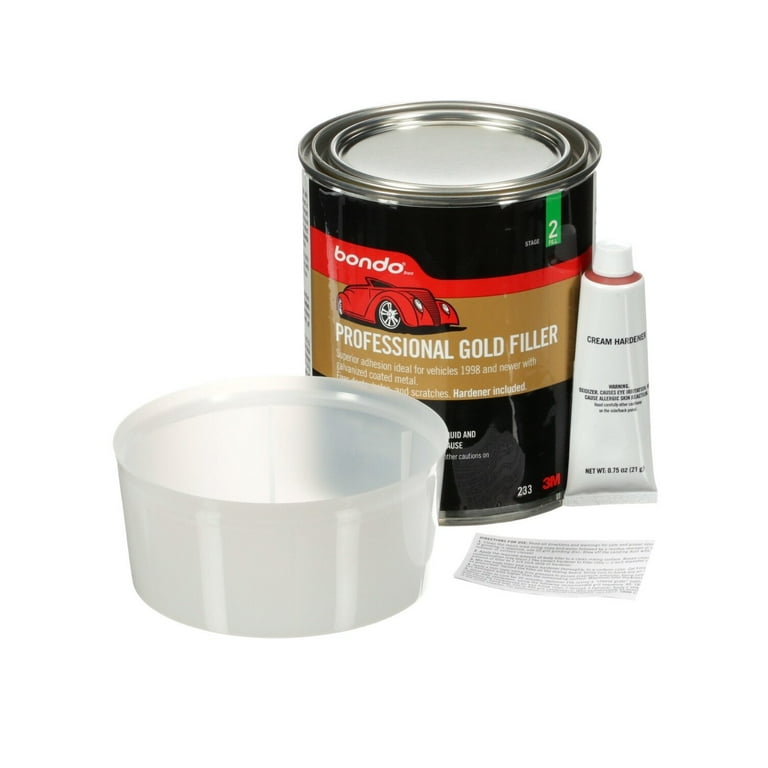
Bondo Gold is usually more expensive than regular Bondo. The price gap reflects the enhanced features of Bondo Gold. Regular Bondo offers a budget-friendly option for simple repairs. Bondo Gold targets professionals needing stronger, longer-lasting results.
Coverage And Quantity
Bondo Gold provides better coverage per container than regular Bondo. This means fewer purchases for large projects. Regular Bondo often comes in smaller quantities suitable for minor fixes. Bondo Gold’s formula spreads easier, reducing waste and saving time.
Long-term Investment
Choosing Bondo Gold can reduce future repair costs. It resists cracking and shrinking better than regular Bondo. The durability of Bondo Gold extends the life of repairs. Regular Bondo may require touch-ups sooner, adding to long-term expenses.
Credit: www.walmart.com
Specialized Bondo Types
Bondo offers specialized types designed for different repair needs. These products provide strength, durability, and versatility beyond regular fillers. They suit specific materials and repair challenges. Understanding these options helps choose the best product for each job.
Fiberglass Reinforced Fillers
Fiberglass reinforced fillers contain short fiberglass strands. These strands add strength and durability to the filler. They work well for larger holes or damaged areas. You can use them on metal, wood, and fiberglass surfaces. This filler helps rebuild missing pieces and prevents cracks from spreading.
Metal Reinforced Fillers
Metal reinforced fillers include metal fibers for extra toughness. They provide strong adhesion to metal surfaces. This type suits large dents, holes, or rusted areas in metal. It resists cracking and supports drilling or tapping. Metal reinforced fillers offer a reliable base for heavy-duty repairs.
Wood And Bumper Repair Options
Bondo also makes fillers for wood and bumpers. Wood filler is designed to repair cracks and holes in wood. It sands and paints easily for a smooth finish. Bumper repair kits restore plastic bumpers with flexible, strong fillers. These options extend Bondo’s use beyond metal and fiberglass repairs.
Choosing The Right Bondo
Choosing the right Bondo is essential for a smooth and lasting repair. Different projects need different types of fillers. Picking the correct product saves time and improves results. Consider the repair needs, surface type, and project size before making a choice.
Assessing Repair Needs
Identify the damage type first. Small dents and scratches need a light filler. Large holes or deep rust spots require a stronger, reinforced filler. Quick fixes benefit from fast-dry options. Knowing the damage helps select the right Bondo for durability.
Matching Product To Surface
Match the Bondo type to the surface material. Metal surfaces work well with metal-reinforced fillers. Fiberglass repairs need fiberglass-reinforced Bondo. Wood surfaces respond best to wood fillers. Using the correct product ensures better adhesion and finish.
Project Size And Complexity
Simple repairs use basic fillers like original Bondo. Complex or large repairs need specialized products. Reinforced fillers handle structural damage and large holes. Consider the project scale to avoid weak or uneven repairs. Proper product choice saves effort and improves repair quality.

Credit: www.amazon.com
Frequently Asked Questions
Which Bondo Is The Strongest?
Bondo Short Strand Fiberglass Reinforced Filler is the strongest, ideal for filling large holes and rebuilding damaged areas. It offers superior durability for metal, fiberglass, and wood repairs. Use it when maximum strength and longevity are required in your restoration projects.
What Are The Different Types Of Bondo?
Bondo types include original filler for general repairs, fast-dry filler for quick fixes, fiberglass-reinforced for strength, wood filler, metal reinforced filler, putties for small cracks, and bumper repair kits. Each suits specific materials and repair needs.
What Is Gold Body Filler?
Gold body filler is a high-quality polyester putty used to repair dents and smooth surfaces on metal, fiberglass, and wood. It offers strong adhesion, easy sanding, and fast drying for durable auto and home repairs.
What Is The Best Bondo Body Filler?
The best Bondo body filler depends on the repair. Original Filler suits general use. Fiberglass Reinforced Filler offers extra strength. Fast Dry Filler works for quick fixes. Choose based on repair size and material for optimal results.
What Is The Main Difference Between Bondo Gold And Regular?
Bondo Gold is stronger and sands smoother than Regular Bondo for better finishes.
Conclusion
Choosing between Bondo Gold and regular Bondo depends on your project needs. Bondo Gold offers stronger, faster repairs for tough jobs. Regular Bondo works well for general dents and scratches. Both products are easy to use and widely available. Consider the material you are fixing and the repair size.
Keep safety and drying times in mind. The right choice helps you finish repairs efficiently. Quality results come from matching filler type to task. Whether fixing metal, wood, or fiberglass, Bondo has options. Take time to prepare surfaces before applying filler.
This ensures a smooth and lasting finish every time.