If you love your Jeep but dread dealing with the hassle of removing those heavy hardtop panels every time you want a quick dose of fresh air, the Bestop Sunrider is here to change the game. But what if you’ve run into problems installing or using it on your hardtop?
You’re not alone. Many Jeep owners face challenges like sealing issues, installation headaches, or unexpected gaps that let in wind and rain. You’ll discover smart solutions to common Bestop Sunrider hardtop problems so you can enjoy the open-air freedom you crave—without the frustration.
Keep reading to learn how to get the most out of your Sunrider and make your Jeep adventures smoother than ever.
Bestop Sunrider Overview
The Bestop Sunrider offers a practical solution for hardtop problems. It allows Jeep owners to enjoy open-air driving without removing the entire hardtop. This soft top replacement fits over the front panels of a factory hardtop. It flips open quickly, providing fresh air and sunshine in seconds. The Sunrider is a popular choice for those who want convenience and flexibility. It blends soft top freedom with hardtop security. This overview explains what the Sunrider is and which models it fits.
What Is The Sunrider Soft Top
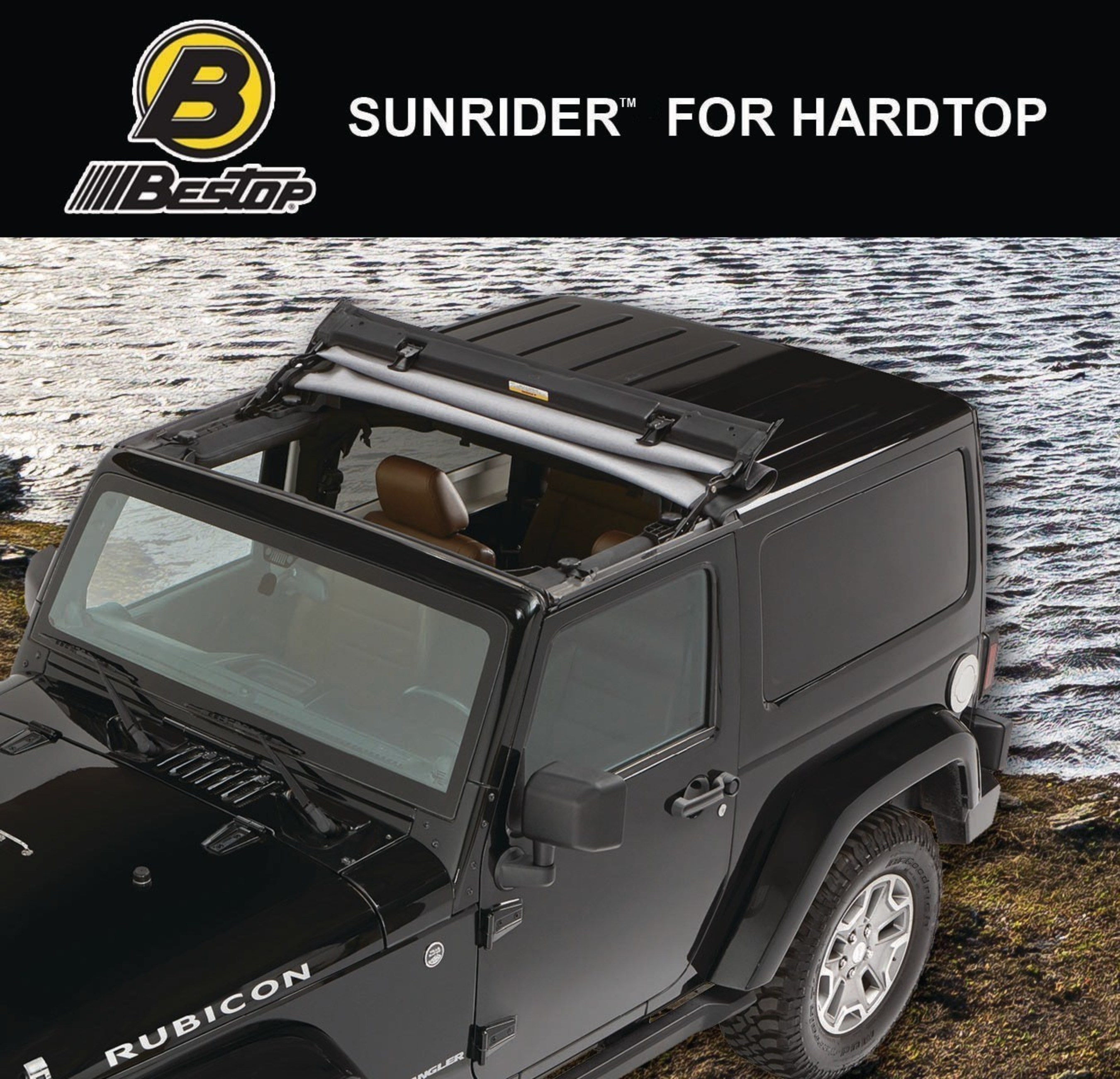
The Sunrider soft top is a flexible roof panel designed to replace the front panels of a hardtop. It is made from durable, weather-resistant fabric. This panel attaches to the existing hardtop frame using clamps or hardware. The top flips open easily from the front, allowing quick access to open air. It gives the Jeep a convertible-like feel without full removal of the hardtop. The soft top also seals tightly to keep out rain and wind. Drivers enjoy a fast way to switch between covered and open driving.
Models Compatible With Sunrider
The Bestop Sunrider fits several Jeep models known for hardtop use. It works well with the Jeep Wrangler JK and JL series. It also fits the Jeep Gladiator JT, which shares similar hardtop designs. Compatibility depends on the year and roof style. Most factory hardtops with removable front panels support the Sunrider. Owners should check the model year and roof type before purchase. Bestop provides specific fit guides to ensure proper installation. This top suits drivers who want a quick open-air option without full roof removal.
Installation Process
The installation process for the Bestop Sunrider addresses common hardtop problems by providing a flexible, soft top alternative. It allows easy conversion from a hardtop to an open roof. This section covers the main steps to install the Sunrider correctly.
Installing the Sunrider requires removing the factory freedom panels on your Jeep. Then, you attach the Sunrider soft top to the hardtop frame. The process is straightforward but needs attention to detail for a proper fit.
Replacing Freedom Panels
First, remove the hardtop’s freedom panels carefully. These are the two front sections that come off to create an open roof. Keep the bolts and hardware safe in case you want to reinstall them later.
Next, position the Sunrider soft panel where the freedom panels were. Align it with the factory hardtop frame. This step ensures the Sunrider will fit snugly and seal well against the hardtop.
Tools And Requirements
You need a few basic tools for this installation. A ratchet with a 10mm socket helps remove the factory bolts. A screwdriver may be necessary to adjust the Sunrider’s latch mechanism. Soft gloves protect your hands while handling the top.
Check that the Jeep is parked on a flat surface. This makes handling the panels easier and safer. Have a clean cloth nearby to wipe down the hardtop frame before installing the Sunrider.
Step-by-step Installation
Start by loosening and removing the factory bolts holding the freedom panels. Carefully lift off both panels and set them aside. Inspect the frame to ensure no debris or damage is present.
Place the Sunrider panel on the hardtop frame. Line up the mounting holes with the existing holes on the frame. Insert the bolts and hand-tighten them first to avoid cross-threading.
Tighten all bolts securely with the ratchet. Check the latch system on the Sunrider to make sure it locks and unlocks smoothly. Adjust the latch tension if needed for a firm seal.
Test the opening and closing of the Sunrider top several times. Confirm it moves easily and stays secure during driving. This ensures your new Sunrider top performs well and solves your hardtop problems.
Operating The Sunrider
Operating the Bestop Sunrider on your hardtop adds convenience to open-air driving. The Sunrider lets you flip back the front portion of your hardtop quickly. This lets fresh air in while keeping the rear panels intact. Understanding how to open, close, and secure the Sunrider is key for smooth use and long-lasting performance.
Opening The Sunrider
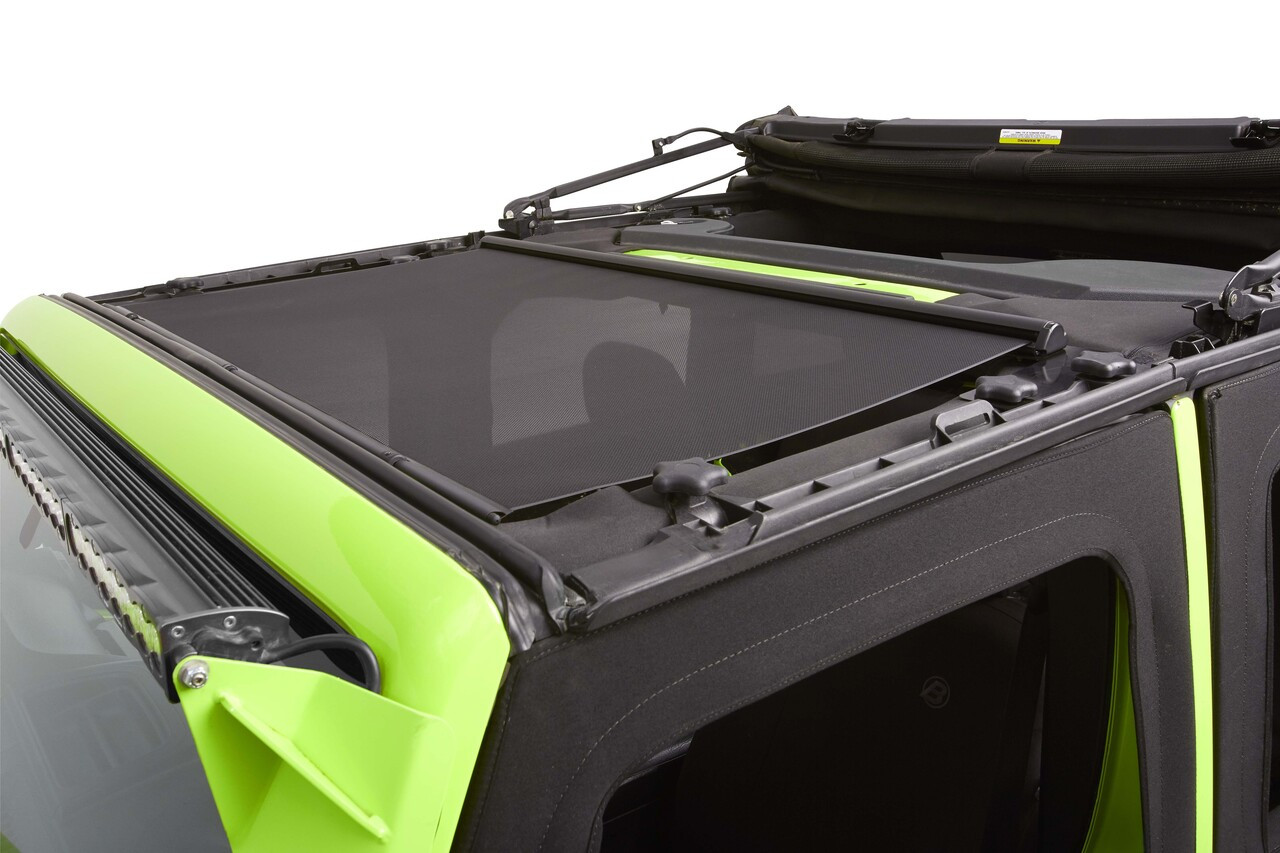
Start by unlatching the front panel of the hardtop. The latches are easy to reach and operate by hand. Lift the panel gently from the front edge. The soft top will fold back smoothly over the rear hardtop section. Open the panel fully to enjoy the breeze and sunshine.
Closing And Securing
To close the Sunrider, pull the soft top forward. Align it carefully with the front frame of the hardtop. Press down evenly to ensure a tight fit. Re-latch all the front clips securely. This prevents wind noise and water leaks during driving. Always double-check each latch before hitting the road.
Tips For Smooth Use
Keep the latches clean and free from dirt or debris. Lubricate the moving parts once in a while with a silicone spray. Avoid forcing the soft top open or closed to prevent damage. Store the Sunrider in the down position when not in use. This protects the material from weather wear and tear.
Credit: www.bestop.com
Common Hardtop Problems
Hardtops offer great protection for your Jeep, but they come with some common problems. These issues can affect comfort, performance, and the overall experience. Understanding these problems helps you choose the right solutions like the Bestop Sunrider. Below are the most frequent hardtop problems Jeep owners face.
Seal Issues And Gaps
Hardtops often have seal problems that cause leaks. Water can enter through worn or damaged seals. Gaps between the hardtop and the Jeep body also let in dust and wind noise. These problems reduce comfort inside the vehicle. Fixing seals and closing gaps is essential to keep the cabin dry and quiet.
Installation Challenges
Installing a hardtop can be tricky. The panels are heavy and hard to align properly. Incorrect installation can cause poor fit and gaps. It also increases the chance of damage during removal or reinstallation. Many Jeep owners find the process time-consuming and difficult without help. Proper tools and clear instructions help avoid these challenges.
Wear And Tear Concerns
Hardtops face wear and tear from weather and use. UV rays can fade and crack the surface. Exposure to rain, snow, and dirt causes corrosion and damage. Moving parts like latches and hinges may wear out over time. Regular maintenance is needed to keep the hardtop in good shape and extend its life.
Solutions To Hardtop Problems
Hardtops offer solid protection but can cause issues like leaks, rattles, and fit problems. Solutions exist that improve your experience without costly replacements. Simple fixes and proper care keep your Bestop Sunrider working well. Below are practical ways to solve common hardtop problems.
Seal Fixes And Adjustments
Leaky seals cause water inside your vehicle. Check the rubber seals for cracks or damage. Replace worn seals with new ones designed for your hardtop. Clean seals regularly to keep them flexible. Adjust seal alignment to ensure tight contact with the frame. A proper seal stops wind noise and water leaks effectively.
Installation Corrections
Incorrect installation leads to rattles and poor fit. Follow manufacturer instructions closely during installation. Tighten all bolts and clamps evenly to avoid gaps. Use the right tools to prevent overtightening or damage. Double-check the Sunrider’s position on the hardtop frame. Correct installation ensures smooth operation and prevents future issues.
Maintenance Tips
Routine maintenance extends the life of your Sunrider hardtop. Clean the fabric and frame regularly with mild soap and water. Avoid harsh chemicals that degrade materials. Lubricate hinges and latches to keep them moving easily. Store the hardtop in a shaded area to prevent sun damage. Timely maintenance reduces wear and keeps your top functioning smoothly.
Credit: www.jlwranglerforums.com
Sunrider Benefits
The Bestop Sunrider offers clear benefits for Jeep owners who want quick open-air fun without removing their entire hardtop. It combines the strength of a hardtop with the ease of a soft top. This design solves many common hardtop problems by adding flexibility and convenience.
Sunrider benefits make driving more enjoyable and less stressful. It lets you enjoy fresh air and sunlight in seconds. Its smart design also helps with storage and daily use. Here are some key advantages of the Bestop Sunrider for hardtop users.
Quick Open-air Access
The Sunrider lets you flip open the front roof panel fast. There is no need to remove heavy hardtop pieces. You just unlatch and push the panel back. This gives you fresh air and sunshine in moments. It fits tightly when closed, so no wind or noise leaks occur.
Convenience Over Freedom Panels
Unlike freedom panels, the Sunrider stays attached to the Jeep. You do not have to carry or store loose panels separately. Opening or closing the top takes only a few seconds. This makes it perfect for quick weather changes or short stops. It also reduces the risk of losing parts.
Storage Advantages
The Sunrider soft top folds back neatly over the hardtop frame. It saves space compared to removing full panels. You keep the roof secure while enjoying open-air driving. This design reduces clutter in your garage or vehicle. It also protects your top from damage when not in use.
Sunrider In Different Conditions
The Bestop Sunrider offers a unique solution for Jeep owners facing hardtop problems. It allows quick roof opening while maintaining the hardtop’s protection. Understanding how the Sunrider performs in different weather and conditions helps users make the most of this accessory. Below, we explore its use in rain, wind, car washes, and seasonal changes.
Using In Rain And Wind
The Sunrider top seals well against rain to keep the interior dry. Its fabric is water-resistant, reducing leaks during light showers. Strong winds can cause slight flapping but do not damage the top. Closing the Sunrider securely prevents most wind noise and drafts. Users should check the seals regularly for wear to maintain protection.
Car Wash Compatibility
The Bestop Sunrider is safe for automatic car washes. Its sturdy design holds up under water jets and brushes. There is no need to remove the top before washing. Still, avoid high-pressure sprays near the edges to protect seals. After washing, open the panels slightly to air dry and prevent mildew.
Seasonal Considerations
In cold weather, the Sunrider remains flexible and easy to operate. The fabric resists cracking and shrinking with proper care. During hot summers, it blocks sunlight while allowing ventilation when opened. Removing the top during extreme weather can extend its lifespan. Store the Sunrider in a dry place when not in use.
User Experiences
User experiences with the Bestop Sunrider for hardtops vary widely. Many Jeep owners share their honest thoughts online. These opinions help new buyers decide if the Sunrider suits their needs. Below are common themes found in user feedback.
Positive Feedback
Many users praise the Sunrider for its easy operation. They enjoy opening the front panel quickly without removing the entire hardtop. The product offers a true open-air feeling in just seconds. Several owners highlight its solid build and weather resistance. The Sunrider fits well on Jeep models with minimal leaks reported. Users also appreciate the improved ventilation it brings during warm days.
Common Complaints
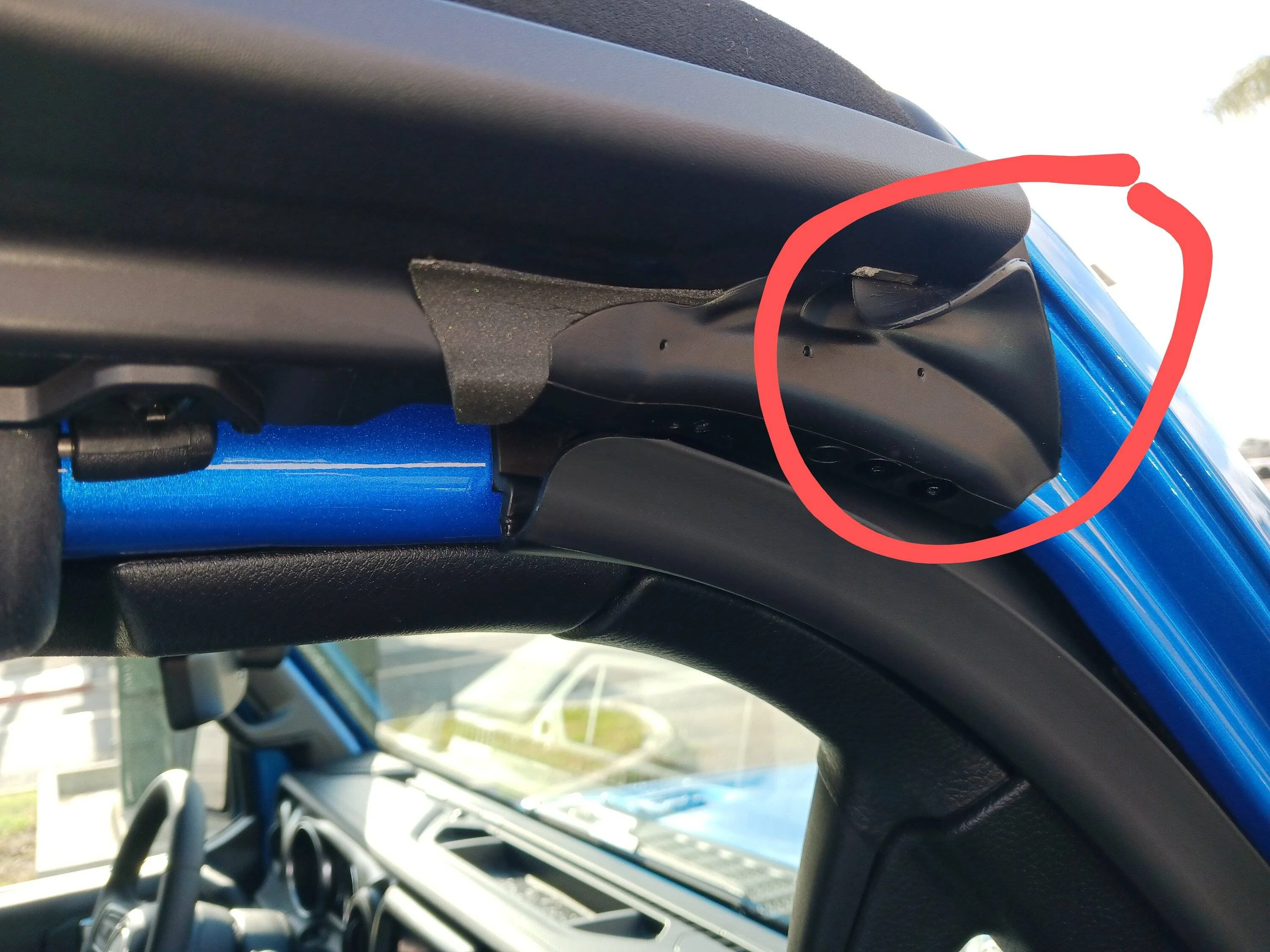
Some users report fitment issues with certain hardtop models. Gaps and slight leaks around the seal are frequent concerns. A few owners find the latch system tricky or stiff at first. Noise during high speeds is mentioned by some as a drawback. Others feel the Sunrider could be more durable in harsh weather. Installation can be challenging for beginners without clear instructions.
Community Solutions
Jeep communities offer many tips to solve Sunrider problems. Some recommend adding extra weather stripping to fix leaks. Lubricating the latch mechanism eases opening and closing. Careful alignment during installation helps reduce gaps and wind noise. Users share DIY videos that simplify the setup process. Forums also suggest periodic checks to ensure seals stay tight and secure.
Tips For Best Performance
The Bestop Sunrider offers a quick way to enjoy open-air driving on your Jeep. To keep it working well, follow these simple tips. Proper care and use help avoid problems and extend the soft top’s life. Here are key points to ensure the best performance of your Sunrider for hardtop issues.
Proper Installation Advice
Start with reading the instructions carefully. Align the Sunrider correctly on the hardtop frame. Tighten all clamps and fasteners firmly but avoid over-tightening. Check for even gaps around the edges to prevent leaks. Use the right tools to avoid damage during installation. A good fit reduces wind noise and water entry while driving.
Regular Maintenance
Clean the Sunrider top with mild soap and water. Avoid harsh chemicals that can damage the fabric. Inspect seals and zippers monthly for wear or damage. Lubricate zippers lightly to keep them smooth. Store the soft top in a dry place when not in use. Regular checks help catch small issues before they grow.
Avoiding Common Mistakes
Do not force the soft top open or closed. Avoid driving at high speeds with the top loose. Never use sharp tools near the fabric. Avoid leaving the Sunrider folded for long periods without support. Do not ignore small tears or loose stitching. Quick attention to these mistakes helps maintain top quality and function.
Credit: www.prnewswire.com
Frequently Asked Questions
Can Bestop Sunrider Go Through Car Wash?
Yes, the Bestop Sunrider can safely go through a car wash. It resists leaks and holds up well during cleaning.
How Does The Sunrider Soft Top Work?
The Sunrider soft top replaces factory hardtop panels with a foldable soft panel. Unlatch and flip it back to open. Flip forward and latch to close. It offers quick, easy open-air driving without removing heavy panels. Installation uses existing hardtop frame bolts.
How To Fold Back A Bestop Soft Top?
To fold back a Bestop soft top, unlatch the front panel from the windshield header. Then, lift and flip it back gently until it rests securely. Ensure the visors are out of the way for smooth operation. This creates an open-air driving experience quickly and easily.
What Is A Sunrider Top For A Jeep?
A Sunrider top for a Jeep replaces the front hardtop panels with a soft, foldable roof section. It allows quick flipping open for an open-air experience without removing the entire hardtop. This upgrade offers convenience and faster access to sunlight and fresh air while driving.
What Is The Bestop Sunrider For Hardtop Problems?
The Bestop Sunrider replaces hardtop front panels with a soft flip-top for easy open-air access.
Conclusion
The Bestop Sunrider offers a simple fix for hardtop issues. It fits well and lets you enjoy open-air driving fast. Installation is straightforward, using existing hardtop parts. This soft top improves your Jeep’s flexibility without full removal. Many Jeep owners find it a practical choice.
It handles weather well and folds easily. The Sunrider helps solve common hardtop problems effectively. Consider it for a better Jeep experience.