If you’ve ever wondered whether you can apply a bedliner over sound deadener in your vehicle, you’re not alone. Maybe you want the tough protection of a bedliner, but you’re also looking to keep your ride quieter and more comfortable.
The good news is, combining these two can be a smart move—but there are important details you need to know before you start. You’ll discover how bedliners interact with sound deadeners, what works best together, and how to get the most out of both for your truck or car.
Keep reading, and you’ll learn exactly how to protect your vehicle while reducing noise, making every drive smoother and more enjoyable.
Benefits Of Bedliner Over Sound Deadener
Using a bedliner over sound deadener offers many benefits for vehicle owners. It combines the strengths of both materials for better results. This method improves noise control, protects surfaces, and adds thermal insulation. These advantages make it a smart choice for enhancing your vehicle’s comfort and durability.
Enhanced Noise Reduction
Bedliner over sound deadener helps block more noise from outside. The sound deadener absorbs vibrations and reduces road noise. The bedliner adds an extra layer that stops sound waves further. This combination creates a quieter ride inside the vehicle. It reduces engine, tire, and wind noise effectively.
Improved Surface Protection
The bedliner protects the vehicle’s surface from scratches and dents. It forms a tough, durable layer that resists damage. The sound deadener underneath cushions impacts, helping prevent cracks. Together, they shield metal from rust and corrosion. This extends the life of your vehicle’s body and parts.
Thermal Insulation Advantages
Bedliner over sound deadener also improves temperature control inside the vehicle. The sound deadener reduces heat transfer through the metal surfaces. The bedliner adds a heat-resistant barrier that keeps the interior cooler. This helps maintain comfortable temperatures during hot weather. It also reduces the need for extra air conditioning.

Credit: paul-kocht.de
Types Of Bedliners And Sound Deadeners
Choosing the right bedliner and sound deadener enhances your vehicle’s durability and comfort. Different types offer unique benefits and installation methods. Understanding these options helps in making a smart decision for your truck or car.
Bedliners protect the truck bed from scratches, dents, and rust. Sound deadeners reduce noise and vibrations inside the cabin. Some materials work well when used together for better results.
Spray-on Bedliners
Spray-on bedliners create a seamless, protective coating. They bond directly to the truck bed surface. This type offers excellent resistance to impacts and corrosion. Spray-on liners provide a custom fit with a textured finish. They help reduce noise slightly by adding a thick layer. Professional application is common but DIY kits are available.
Drop-in Bedliners
Drop-in bedliners are pre-formed plastic shells. They fit inside the truck bed and can be removed easily. These liners protect against dents and scratches but may trap water underneath. Drop-in liners are quick to install and cost less upfront. They do not reduce noise as effectively as spray-on types.
Common Sound Deadening Materials
Sound deadeners come in sheets, sprays, or mats. Popular materials include butyl rubber, foam, and asphalt-based compounds. Butyl rubber mats stick well to metal surfaces and block vibrations. Foam products absorb sound waves and provide thermal insulation. Asphalt-based mats add weight and reduce road noise. Some sound deadeners work well under bedliners for extra noise control.
Application Process
The application process for bedliner over sound deadener ensures strong protection and noise reduction. Proper steps help the materials bond well. This improves durability and performance. Follow each stage carefully for best results.
Preparing The Surface
Clean the surface thoroughly. Remove dirt, grease, and rust. Use a degreaser and wire brush if needed. Dry the area completely before moving on. A clean surface ensures better adhesion.
Check the sound deadener for any loose edges. Press down or reattach as required. Smooth the surface to avoid bumps. Sand rough areas lightly to create texture.
Applying Sound Deadener
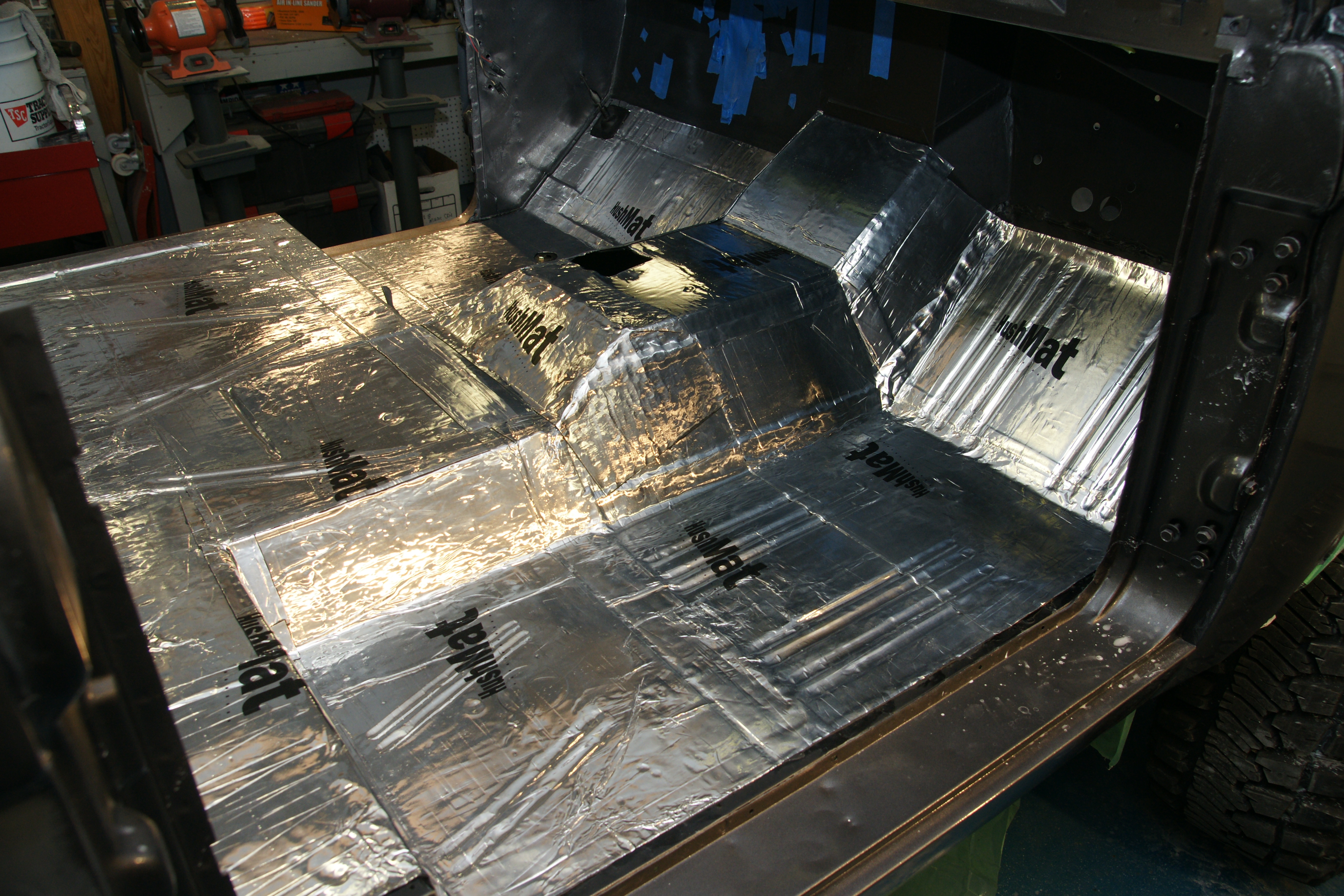
Cut the sound deadener sheets to fit the area. Peel off the backing and press firmly onto the surface. Use a roller to remove air bubbles and improve contact. Cover all metal parts for full sound control.
Overlap edges slightly to prevent gaps. Apply pressure evenly across the sheets. Allow the sound deadener to set as per product instructions. This step reduces noise and vibration effectively.
Coating With Bedliner
Shake the bedliner can or mix the spray thoroughly. Apply thin, even coats over the sound deadener. Hold the spray nozzle at a consistent distance. Let each coat dry before applying the next.
Multiple thin layers build a tough, durable finish. Avoid heavy coats that can drip or peel. Cover all treated areas for maximum protection. The bedliner seals and protects the sound deadener below.
Credit: trucknvanland.com
Compatibility And Adhesion
Applying a bedliner over sound deadener requires attention to compatibility and adhesion. These factors determine how well the two materials bond. A strong bond ensures durability and protection against wear and tear. Poor adhesion can cause peeling or flaking, reducing the effectiveness of both layers.
Sticking Bedliner To Sound Deadener
Bedliner can stick to many sound deadening materials. Most spray-on sound deadeners have a textured surface that helps bedliner grip. Some sound deadeners are rubber-based or asphalt-based, which can affect adhesion. Testing a small area first is wise. Proper surface preparation improves the chance of a good bond.
Potential Challenges
Not all bedliners bond well with every sound deadener. Oils or residues on the sound deadener may block adhesion. Some sound deadeners remain flexible, causing the bedliner to crack later. Differences in material expansion can lead to separation. Environmental conditions, like temperature and humidity, also impact adhesion success.
Tips For Better Adhesion
Clean the sound deadener surface thoroughly before applying bedliner. Use a degreaser or alcohol to remove oils. Lightly sanding the sound deadener surface creates texture for better grip. Apply bedliner in thin, even coats to avoid bubbling. Allow enough drying time between coats. Follow manufacturer instructions for both products carefully.
Performance Comparison
Comparing the performance of bedliner over sound deadener reveals important differences. Each option affects noise reduction, durability, and temperature control in unique ways. Understanding these aspects helps vehicle owners choose the best solution for their needs.
Sound Deadener Alone Vs. With Bedliner
Sound deadener alone reduces road noise and vibrations effectively. It softens impact sounds and makes the ride quieter. Adding a bedliner on top improves noise blocking further. The bedliner adds a dense layer that absorbs more sound waves. Together, they create a stronger barrier against external noise. Bedliner also protects the sound deadener from damage, keeping it intact longer.
Durability And Longevity
Sound deadener materials can wear down over time from moisture and debris. Bedliner coatings offer a tough, protective layer over the deadener. This layer resists scratches, chips, and corrosion. It prevents water and dirt from reaching the sound deadener. Vehicles with bedliner over sound deadener tend to last longer in harsh conditions. The bedliner also reduces the need for frequent repairs or replacements.
Impact On Vehicle Temperature
Sound deadeners help reduce heat transfer slightly by adding insulation. Bedliners improve temperature control more significantly. They reflect sunlight and block heat from entering the vehicle. This keeps the interior cooler in hot weather. In cold climates, bedliners help retain heat inside the vehicle. Using bedliner over sound deadener creates a better thermal barrier overall. It helps maintain a comfortable cabin temperature year-round.
Common Issues And Solutions
Applying a bedliner over sound deadener offers excellent protection and noise reduction. Despite its benefits, some common issues can arise. Knowing these problems and their solutions helps maintain your vehicle’s durability and appearance.
Rust And Moisture Concerns
Rust can develop if moisture gets trapped between the sound deadener and bedliner. This usually happens when the surface is not properly prepared before application. To prevent rust, clean and dry the area thoroughly. Use a rust inhibitor on metal surfaces before adding sound deadener. Inspect the bedliner regularly for cracks or chips that allow water inside. Promptly repair any damage to keep moisture out and avoid corrosion.
Surface Cracking Or Peeling
Cracks or peeling can occur if the bedliner does not adhere well to the sound deadener. This problem often results from poor surface preparation or using incompatible materials. Always clean the surface from dirt, oil, and grease before application. Choose a bedliner product that is compatible with the type of sound deadener used. Apply the bedliner in thin, even layers to ensure strong adhesion. If cracks appear, lightly sand the area and reapply the bedliner to restore protection.
Maintenance Tips
Keep the bedliner over sound deadener in good condition with regular care. Wash the surface with mild soap and water to remove dirt and debris. Avoid harsh chemicals that can damage the coating. Inspect the bedliner periodically for signs of wear or damage. Touch up any worn areas promptly to prevent further issues. Proper maintenance extends the life of both the bedliner and sound deadener, preserving your vehicle’s value and comfort.
Popular Products And Brands
Choosing the right products for bedliner and sound deadening improves your vehicle’s comfort and protection. Various brands offer solutions that protect surfaces and reduce noise effectively. Understanding popular products helps pick the best fit for your needs. Here are some top choices in each category.
Top Spray-on Bedliners
Spray-on bedliners provide durable protection against scratches and corrosion. Rhino Linings is a well-known brand with strong, flexible coatings. Line-X offers fast-drying formulas that resist chemicals and impacts. Herculiner provides a budget-friendly option with good coverage and texture. These products create a tough layer that shields truck beds and other surfaces.
Effective Sound Deadeners
Sound deadeners reduce road noise and vibrations inside vehicles. Dynamat is a leading brand known for its easy-to-install mats. Noico offers affordable, self-adhesive sheets that block sound efficiently. Kilmat products combine heat insulation and sound reduction. These materials improve driving comfort by lowering noise levels in cabins.
Combined Solutions
Some products combine bedliner durability with sound deadening features. Lizard Skin offers spray coatings that protect surfaces and reduce noise. These coatings work well over existing sound mats or bare metal. Another option is applying Dynamat mats first, then spraying a bedliner for extra protection. Such combinations save space and add multiple benefits in one layer.
Diy Vs Professional Installation
Choosing between DIY and professional installation of bedliner over sound deadener affects your project outcome. Both methods have pros and cons. Understanding these differences helps you decide what fits your budget, skills, and time.
Cost Considerations
DIY installation saves labor costs but requires buying tools and materials. Professionals charge for expertise and time, which can increase total cost. Mistakes during DIY may lead to extra expenses. Professionals often provide warranties, adding value to their service.
Tools And Materials Needed
DIY requires sound deadener sheets, bedliner spray or coating, cleaning supplies, and protective gear. You also need tools like rollers, brushes, or spray guns. Professionals bring all tools and materials, ensuring proper preparation and application. They know the right products for durability and adhesion.
When To Hire Experts
Hire professionals if you lack experience or time for detailed work. Complex surfaces and tight spaces need skilled handling. If you want a flawless finish and long-lasting protection, experts provide reliable results. Professionals also handle cleanup and disposal, saving effort.
Real-world User Experiences
Many vehicle owners consider using a bedliner over sound deadener for added protection and noise control. Real users share practical insights about this combination. Their experiences reveal benefits and challenges.
Reading true accounts helps understand how well bedliners work over sound deadeners. Some stories highlight success, while others point out common issues. Experts also offer advice based on these experiences.
Success Stories
Several users report that applying a bedliner over sound deadener improves vehicle durability. It helps protect surfaces from scratches and rust effectively. Many say noise levels drop noticeably, making rides quieter.
People like that bedliner bonds well with sound deadening mats. It creates a tough, unified layer that lasts long. Some mention easier cleaning and a neat finish as added benefits.
Common Complaints
Some users face problems with bedliners peeling off sound deadeners. This often happens if surfaces are not cleaned properly before application. Others note issues with trapped moisture causing rust spots underneath.
Another complaint is that the bedliner can mask problems like loose or damaged sound deadener. Repairing these issues later becomes harder. A few also mention the added weight affecting fuel efficiency slightly.
Expert Recommendations
Experts advise thorough surface preparation before applying bedliner over sound deadener. Removing dust, oils, and debris ensures better adhesion. They suggest using compatible products designed to work together.
Applying thinner coats of bedliner helps avoid trapping moisture. Professionals recommend testing a small area first to check for reactions. Proper curing time is important for a strong, lasting bond.
Experts also stress regular inspections to catch any damage early. They recommend maintaining sound deadener layers and replacing them if needed before bedlining.

Credit: www.secondskinaudio.com
Frequently Asked Questions
Will Sound Deadening Stick To Bed Liner?
Sound deadening generally sticks well to bed liners, but adhesion depends on the liner’s texture and cleanliness. Proper surface prep improves bonding.
What Do You Put Over Dynamat?
You can put Dynaliner, spray-on bedliner, or specialized coatings like Lizard Skin over Dynamat. These add thermal insulation and extra protection. Avoid heavy liners that reduce Dynamat’s effectiveness. Always ensure the surface is clean and dry before application for best adhesion.
Does Bedliner Reduce Noise?
Bedliners add some mass, slightly reducing noise, but they don’t match dedicated sound deadeners’ effectiveness.
Can You Paint Over Sound Deadener?
Yes, you can paint over sound deadener. Use compatible paint to ensure proper adhesion and maintain soundproofing effectiveness.
Can I Apply Bedliner Over Sound Deadener In My Truck Bed?
Yes, bedliner can be sprayed over sound deadener to add durability and extra protection.
Conclusion
Applying a bedliner over sound deadener offers added protection and durability. It helps guard against scratches, rust, and wear. While it adds some noise reduction, sound deadeners perform better alone. Choose the right materials for your needs and budget. This combo suits trucks needing toughness plus moderate sound control.
Proper installation ensures lasting results and vehicle comfort. Consider your driving habits and environment before deciding. Experiment carefully to find the best setup for your ride. This approach balances strength, noise reduction, and cost effectively.