

When it comes to upgrading your engine, choosing the right cylinder heads can make all the difference. You’ve probably heard about 862 and 243 heads, but which one truly fits your needs?
Whether you want more power at high RPMs or better torque in the low to mid-range, understanding the key differences between these heads is crucial. You’ll discover how each head performs, what kind of builds they suit best, and which one will help you unlock your engine’s full potential.
Keep reading to find out which head will give your ride the edge it deserves.
Port And Chamber Sizes
The port and chamber sizes of cylinder heads greatly affect engine performance. These sizes influence airflow, combustion, and power delivery. Understanding the differences helps you pick the right head for your build.
Port volume impacts how much air and fuel enter the combustion chamber. Chamber size affects compression and combustion efficiency. Both are vital to engine tuning and power output.
862 Head Port Volume
The 862 heads have smaller port volumes compared to 243 heads. This smaller size helps increase air velocity at low to mid-range RPMs. It boosts torque by improving cylinder filling during these ranges. These heads suit engines focused on street use and mild builds.
243 Head Port Volume
243 heads feature larger port volumes than 862 heads. Larger ports allow more air and fuel to flow at high RPMs. This benefits horsepower for high-performance and forced induction engines. However, larger ports can reduce airflow speed at lower RPMs, affecting torque.
Chamber Volume Differences
862 heads have smaller combustion chambers, raising compression ratios with the right pistons. This improves power and efficiency in naturally aspirated engines. 243 heads have bigger chambers, lowering compression but allowing for bigger valves and better high-RPM airflow. Choosing chamber size depends on your engine goals and fuel setup.
Valve Dimensions
The valve dimensions play a key role in engine performance. They affect airflow, combustion efficiency, and power output. Understanding the differences in valve sizes helps choose the right cylinder head. This section explains the intake valve sizes of 862 and 243 heads.
Intake Valve Size On 862 Heads
862 heads have intake valves that are generally smaller. These valves promote better low-end torque. Smaller valves improve air velocity at lower engine speeds. This suits trucks and engines needing more torque. The size also helps maintain higher compression ratios. It supports mild builds and naturally aspirated engines.
Intake Valve Size On 243 Heads
243 heads feature larger intake valves than 862 heads. Larger valves allow more air to enter the combustion chamber. This improves performance at higher RPMs. They help engines breathe better during high-speed operation. These heads suit forced induction and high-performance builds. The larger valves contribute to greater peak power output.
Compression And Power
Compression and power are crucial for engine performance. They affect how the engine breathes and how much energy it produces. The choice between 862 and 243 heads impacts these factors significantly.
Each head design offers unique compression traits and power outputs. Understanding these differences helps in selecting the right head for your engine goals.
Compression Characteristics
862 heads have smaller combustion chambers. This allows higher compression ratios with suitable pistons. Higher compression means better efficiency and more torque at low RPMs.
243 heads feature larger combustion chambers. This lowers compression but improves airflow. They suit high-RPM engines needing better breathing and power at the top end.
Torque Output Comparison
862 heads generate more torque in the low to mid-range RPMs. Their smaller chambers and efficient design boost torque for street or mild builds. This makes them ideal for trucks and daily drivers.
243 heads produce less low-end torque but excel at higher RPMs. Their bigger ports and valves increase airflow, improving torque at the top end. They work best in performance-focused engines.
Peak Horsepower Differences
243 heads typically deliver higher peak horsepower. Their design supports better airflow at high engine speeds. This results in more power for racing or forced induction setups.
862 heads offer moderate peak horsepower but focus on balanced power delivery. They provide reliable performance for naturally aspirated engines without extreme modifications.
Performance Applications
Performance applications highlight the strengths and ideal setups for both 862 and 243 heads. Each head type offers unique benefits depending on engine goals and build style. Understanding these differences helps match heads to specific uses for better results.
Best Uses For 862 Heads
862 heads have smaller ports and combustion chambers. This design boosts compression and low-end torque. They work well in mild builds and naturally aspirated engines. Cost is lower, making them a budget-friendly choice. These heads suit street engines focusing on reliability and drivability. They also pair nicely with stock or mildly upgraded components.
Best Uses For 243 Heads
243 heads feature larger ports and valves. This improves airflow and power at higher RPMs. They fit high-performance and forced induction setups best. These heads support builds aiming for maximum horsepower. Higher compression ratios are possible with the right pistons. They cost more but deliver strong gains in racing or aggressive street engines.
Cost And Availability
Cost and availability play a big role when choosing between 862 and 243 heads. These factors affect your budget and how soon you can get the parts. Both heads have different price ranges and stock levels. Understanding these details can help you pick the right head for your engine build.
862 Head Pricing And Availability
862 heads are usually more affordable. Their common use means many suppliers keep them in stock. You can find 862 heads at local stores and online easily. This makes them a popular choice for budget builds. The cost savings allow for upgrades in other engine parts. Availability remains steady because many engines use these heads.
243 Head Pricing And Availability
243 heads cost more than 862 heads. Their advanced design and performance features raise the price. These heads may not be as widely available. Some shops may need to order them, causing delays. They suit high-performance or forced induction builds. The higher price reflects their ability to improve power output.
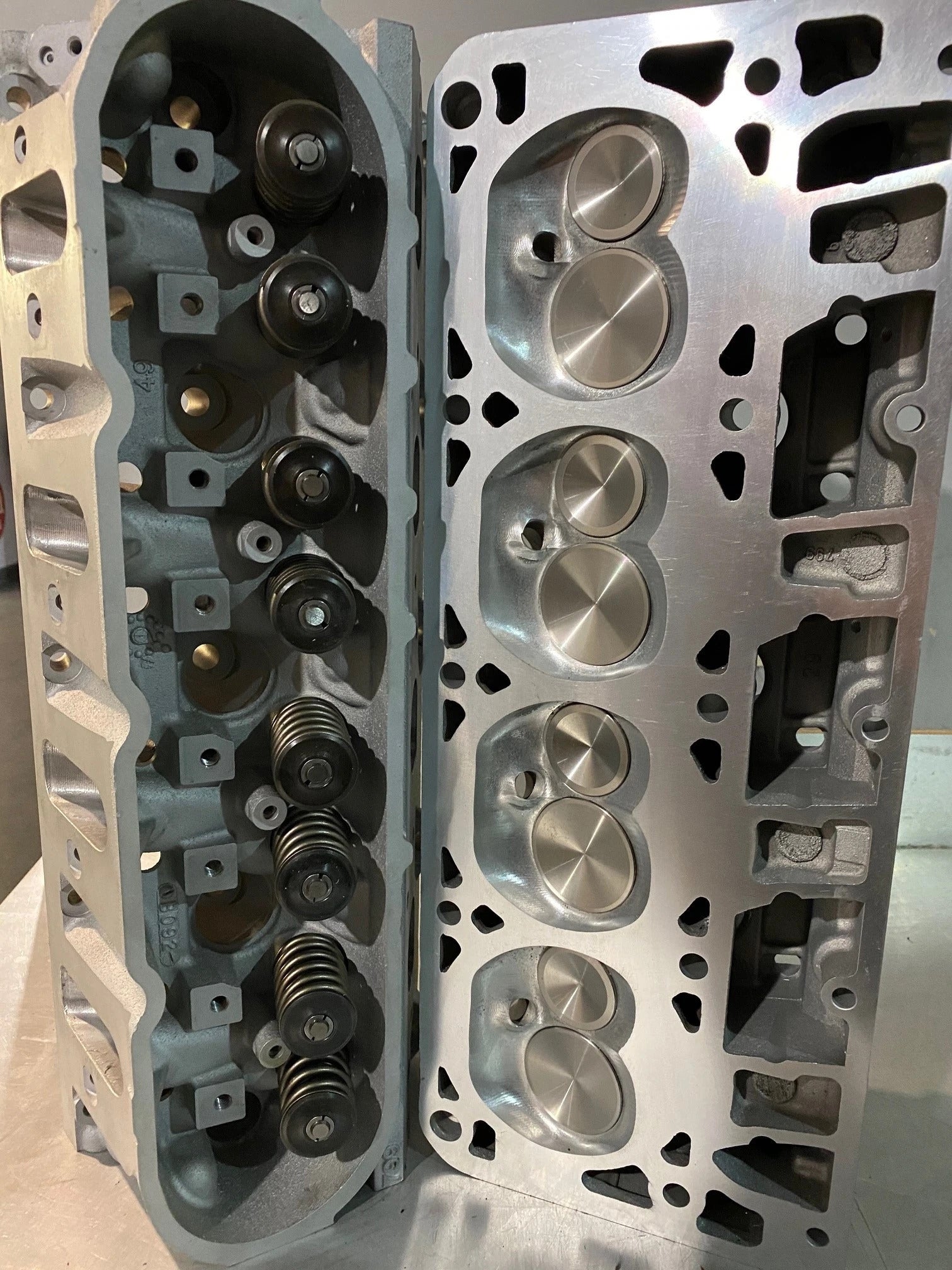
Credit: www.alliedmotorparts.com
Build Considerations
Choosing between 862 and 243 cylinder heads involves several important build factors. Each head type suits different engine goals and setups. Understanding these considerations helps create a balanced and efficient engine.
Focus on how heads interact with pistons, camshafts, and boost systems. Matching the right parts optimizes power and drivability. Let’s explore key build factors for these heads.
Matching Heads With Pistons And Camshafts
862 heads have smaller combustion chambers. They work well with higher compression pistons. This setup improves low to mid-range torque. Camshafts with moderate lift and duration fit best.
243 heads offer larger ports and valves. They suit pistons with lower compression ratios. These heads match aggressive camshafts for high RPM power. The combination favors peak horsepower gains.
Impact On Engine Rpm Range
862 heads excel at low and mid RPM ranges. Their design supports strong torque and smooth power delivery. Engines with these heads feel responsive around town or towing.
243 heads shine at high RPMs. Their larger ports improve airflow at faster engine speeds. Racing or high-performance builds benefit from these heads’ top-end power.
Forced Induction Compatibility
862 heads work well with naturally aspirated setups. Their higher compression suits mild boost levels. They keep costs lower for budget-friendly builds.
243 heads handle forced induction better. Their larger valves and ports allow more air under boost. Ideal for turbo or supercharged engines chasing maximum power.
Real-world Performance Tests
Real-world performance tests provide valuable insight into how 862 and 243 LS cylinder heads perform on the road. These tests go beyond numbers on paper and show actual results under practical conditions. Understanding these outcomes helps in choosing the right head for your build.
Stock Ls Cylinder Head Test Results
Stock tests reveal clear differences between 862 and 243 heads. The 243 heads generally show higher horsepower at high RPMs due to larger ports and valves. They excel in airflow, boosting peak power output.
The 862 heads, with smaller ports and chambers, deliver stronger low to mid-range torque. This makes them ideal for trucks or daily drivers seeking better drivability. Their compression and efficiency often result in better throttle response at lower speeds.
Both heads have strengths depending on the engine’s purpose. Testing confirms that 243 heads suit high-performance builds, while 862 heads work well for mild and cost-conscious projects.
Cnc Vs Hand Porting Effects
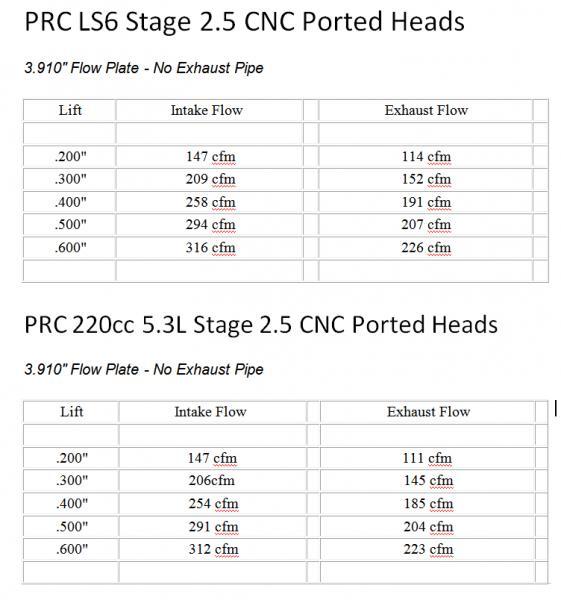
CNC porting offers precise and consistent material removal from the cylinder head. This process improves airflow by enlarging ports and smoothing surfaces. CNC ported heads usually gain more horsepower and torque compared to stock or hand-ported versions.
Hand porting depends on the skill of the technician. It can yield excellent results but often varies between jobs. Hand ported heads sometimes have subtle inconsistencies, affecting performance predictability.
In tests, CNC ported heads show better airflow and power gains. Hand porting remains a good option for custom work or specific flow patterns. Choosing between them depends on budget and desired performance level.

Credit: www.youtube.com
Community Insights
Community insights offer real-world perspectives on the 862 and 243 heads. Enthusiasts and experts share their experiences and advice. These views help you understand strengths and weaknesses from various angles.
Feedback from forums and video analyses highlight important details. They reveal how each head performs in different setups. This information helps you make an informed decision.
Popular Opinions From Forums
Forum users often discuss airflow and power delivery differences. Many praise the 243 heads for better high RPM performance. They note larger ports and valves allow more airflow.
The 862 heads get credit for strong low-end torque. Smaller ports and chambers help in naturally aspirated engines. Budget-friendly and reliable, they suit mild builds well.
Some users mention the 243 heads fit best with forced induction. Others highlight the 862 as a good choice for daily drivers. Cost and engine goals usually guide these opinions.
Expert Youtube Analysis
YouTube experts break down technical specs and dyno results. They confirm the 243 heads excel at high RPM power. Larger intake valves and ports boost horsepower.
Videos also show the 862 heads produce more torque at low RPMs. Their smaller combustion chambers improve compression efficiency. Analysts recommend these heads for budget-conscious builds.
Many experts stress matching heads with pistons and camshafts. This ensures the engine runs smoothly and meets power targets. Their detailed reviews help viewers choose wisely.
Credit: ls1tech.com
Frequently Asked Questions
What Are 862 Ls Heads Good For?
862 LS heads suit mild builds and naturally aspirated engines. They offer smaller chambers for higher compression and cost-effective performance. Ideal for budget-conscious enthusiasts seeking improved low to mid-range power without forced induction.
How Much Hp Can 243 Heads Handle?
243 heads can handle around 450 to 500 horsepower. They offer larger ports and valves for better airflow at high RPMs, ideal for forced induction and high-performance builds.
What’s So Good About 243 Heads?
243 heads offer larger ports and valves, improving airflow and performance at higher RPMs. They suit forced induction and high-power builds.
What Is The Difference Between 862 And 241 Heads?
862 heads have smaller ports and chambers, offering higher compression and better low-end torque. 241 heads feature larger ports and valves, improving airflow and peak power for high-performance builds. Choose 862 for budget-friendly, mild builds; pick 241 for forced induction or maximum power goals.
What Are The Main Differences Between 862 And 243 Heads?
862 heads have smaller ports and chambers; 243 heads feature larger ports and valves for better airflow.
Conclusion
Choosing between 862 and 243 heads depends on your engine needs. The 862 heads suit budget builds and improve low-end torque. The 243 heads offer better airflow and higher power at high RPMs. Match your choice with pistons, camshaft, and goals.
Think about cost, performance, and intended use. Both heads have strengths for different setups. Understanding these differences helps you pick the right head. This ensures your engine runs smoothly and meets your expectations.