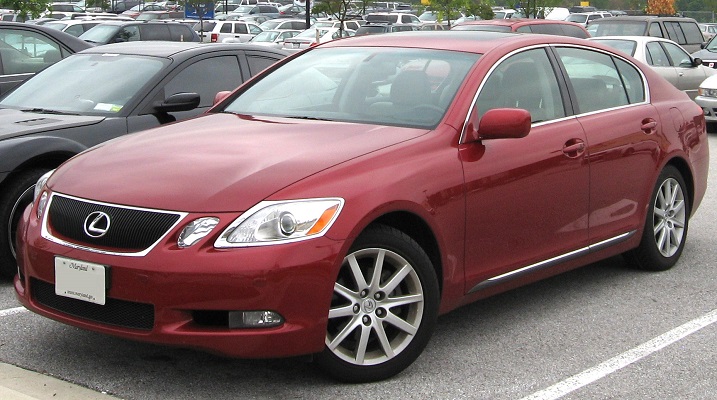
If you own a 2006 Lexus GS300 or are thinking about getting one, you probably want to know what issues to watch out for. While this model is known for its luxury and smooth ride, it’s not without its quirks and common problems.
From engine performance hiccups to suspension noises, these issues can affect your driving experience and your wallet. Knowing what problems are typical for the 2006 Lexus GS300 can help you keep your car running longer and avoid costly repairs. You’ll discover the most common troubles owners face and how to tackle them before they become serious headaches.
Keep reading to protect your investment and enjoy your Lexus to the fullest.

Credit: www.youtube.com
Engine And Drivetrain Issues
The 2006 Lexus GS300 is known for its smooth performance and luxury feel. Yet, some engine and drivetrain issues can affect its reliability. Understanding these problems helps owners maintain their vehicle better. Regular checks and timely repairs extend the car’s life and keep it running well.
Timing Belt And Water Pump Replacement
The timing belt in the GS300 needs replacement every 90,000 miles. Ignoring this can lead to belt failure and severe engine damage. The water pump usually gets replaced at the same time. A failing water pump can cause overheating and coolant leaks. Replacing both parts together saves time and prevents costly repairs.
Oil Consumption And Carbon Buildup
Some 2006 GS300 engines consume more oil than normal. This issue often links to worn piston rings or valve seals. Excess oil use can cause smoke and engine fouling. Carbon buildup inside the engine is common with high mileage. It clogs valves and affects fuel efficiency. Using quality oil and regular changes help reduce these problems.
Rough Idle And Stalling Causes
Rough idling and stalling can stem from dirty Idle Air Control (IAC) valves. Carbon deposits block airflow, causing the engine to run unevenly. The Exhaust Gas Recirculation (EGR) valve can also get clogged. Cleaning or replacing these parts usually fixes idle problems. Fuel system cleaning improves engine smoothness too.
Transmission Problems And Solutions
While the GS300’s transmission is generally reliable, some owners report slipping or hard shifts. These issues may arise from worn transmission fluid or faulty solenoids. Regular fluid changes keep the transmission healthy. In severe cases, a transmission rebuild or replacement might be needed. Addressing issues early prevents bigger repairs later.
Credit: repairpal.com
Suspension And Exterior Concerns
The 2006 Lexus GS300 has earned praise for its smooth ride and elegant design. Yet, some suspension and exterior issues have been reported by owners. These concerns can affect driving comfort and the car’s appearance over time. Understanding these problems helps in maintaining the vehicle’s value and performance.
Front Suspension Wear And Noise
Front suspension parts in the 2006 Lexus GS300 may wear out prematurely. Common signs include clunking or knocking noises when driving over bumps. Worn shocks and struts reduce ride quality and handling. Timely replacement ensures a safer, more comfortable drive.
Control Arm Bushing Wear Effects
Control arm bushings tend to deteriorate with age and mileage. This wear causes vibrations and uneven tire wear. It also leads to poor steering response and alignment issues. Replacing worn bushings restores stability and improves driving safety.
Chrome Peeling And Exterior Wear
The exterior chrome trim on the GS300 can peel or fade over time. Exposure to sun, rain, and road salt accelerates this wear. Peeling chrome detracts from the car’s sleek look. Regular cleaning and protective coatings help preserve the finish longer.
Cooling System And Maintenance
The cooling system plays a vital role in keeping the 2006 Lexus GS300 engine at the right temperature. Proper maintenance of this system prevents overheating and costly repairs. Regular checks help spot issues early and keep the car running smoothly.
Coolant Hose Aging And Replacement
Coolant hoses can wear out over time due to heat and pressure. Cracks or leaks in these hoses cause coolant loss and engine overheating. Replacing old hoses every few years keeps the cooling system reliable. Use quality hoses designed for the Lexus GS300 to ensure a perfect fit.
Cooling System Clogging And Flushing
Debris and rust can build up inside the cooling system, blocking coolant flow. This reduces cooling efficiency and raises engine temperature. Flushing the system removes old coolant and dirt. It is best to flush every 30,000 miles or as stated in the owner’s manual. Fresh coolant helps prevent corrosion and keeps the engine cool.
Water Pump And Cooling Efficiency
The water pump moves coolant through the engine and radiator. A failing pump can cause leaks or poor coolant circulation. This leads to overheating and engine damage. Check the water pump for noise or leaks during maintenance. Replace it as recommended or if signs of wear appear. A working pump ensures the cooling system functions at its best.
Electrical And Interior Glitches
The 2006 Lexus GS300 offers luxury and performance but faces some electrical and interior glitches. These issues can affect comfort and convenience during driving. Understanding common problems helps owners maintain their vehicle better.
Many owners report faults in climate control, infotainment, audio systems, and warning lights. These glitches often require attention to keep the car running smoothly. Below are some common electrical and interior problems found in this model.
Climate Control Blender Door Failure
The climate control system in the 2006 GS300 can experience blender door failures. This part controls air temperature inside the cabin. When it breaks, the system may blow only hot or cold air.
Owners often notice inconsistent cabin temperatures and strange noises from the dashboard. Repair usually involves replacing the faulty actuator or blender door parts.
Infotainment Touchscreen Issues
The infotainment touchscreen sometimes stops responding or works intermittently. This can make navigation and audio controls difficult to use. Screen flickering and freezing are common complaints.
These problems stem from aging hardware or wiring faults. Repair may require resetting the system or replacing the touchscreen unit.
Audio System Corrosion Risks
Moisture can cause corrosion in the audio system’s wiring and connectors. This leads to poor sound quality or complete audio failure. Corrosion is more likely in humid climates or if water leaks occur inside the car.
Regular inspection and cleaning of audio components can prevent damage. Replacing corroded parts restores sound performance.
Check Engine Light Causes
The check engine light often illuminates due to electrical faults in sensors or the emission system. Common causes include faulty oxygen sensors, loose gas caps, or EVAP system leaks.
Diagnosing the exact cause requires a scan tool. Timely repairs prevent further engine damage and maintain efficiency.
Common Carbon Buildup Problems
Carbon buildup is a common issue in the 2006 Lexus GS300. It affects engine parts and causes performance problems. Over time, carbon deposits form inside the engine. These deposits block vital components and reduce efficiency.
Carbon buildup causes rough idling, poor acceleration, and increased emissions. It mainly affects the Idle Air Control (IAC) valve and the Exhaust Gas Recirculation (EGR) valve. Cleaning these parts regularly helps maintain smooth engine operation.
Idle Air Control Valve Blockage
The IAC valve controls the engine idle speed. Carbon deposits can block this valve. When blocked, the engine may idle unevenly or stall. Drivers might notice shaking or rough running at low speeds. Cleaning or replacing the IAC valve can fix these issues.
Exhaust Gas Recirculation Valve Issues
The EGR valve recirculates exhaust gases to reduce emissions. Carbon buildup can cause the valve to stick or fail. This leads to engine knocking, poor fuel economy, and increased pollution. Cleaning the EGR valve removes carbon and restores proper function.
Cleaning And Maintenance Tips
Use fuel additives designed to reduce carbon buildup. These help keep engine parts clean. Regularly inspect the IAC and EGR valves for signs of blockage. Professional cleaning services can remove stubborn deposits effectively. Routine oil changes also reduce carbon formation inside the engine.
Transmission And Shifting Challenges
The 2006 Lexus GS300 is known for its smooth ride and luxury features. Yet, some owners face transmission and shifting challenges. These problems can affect driving comfort and vehicle performance. Understanding the common issues helps in timely repairs and maintenance.
Harsh Shifting Symptoms
Harsh shifting is a common complaint among GS300 owners. The transmission may shift abruptly or jerk during gear changes. This can feel like sudden jolts or rough transitions between gears. Sometimes, the car hesitates before shifting or slips out of gear. These symptoms can worsen over time without attention.
Transmission Control Module Role
The Transmission Control Module (TCM) manages gear shifting. It uses sensors to decide the best time to shift gears. Faulty TCMs can cause delayed or harsh shifts. Errors in the module may trigger warning lights on the dashboard. Repairing or replacing the TCM often resolves shifting problems.
Regular Transmission Maintenance
Routine maintenance prevents many transmission issues. Checking transmission fluid levels and quality is crucial. Old or dirty fluid causes poor shifting and wear. Lexus recommends fluid changes at specific intervals. Regular inspections catch problems early, extending transmission life. Keeping up with maintenance ensures smooth driving and fewer repairs.
Steering And Safety Concerns
The 2006 Lexus GS300 has raised concerns related to steering and safety. These issues can affect how the car handles and how safe it feels on the road. Paying attention to these problems helps keep drivers and passengers secure.
Steering and braking systems are crucial for vehicle control. Any fault in these areas can lead to dangerous situations. Understanding specific problems helps in recognizing symptoms early.
Steering Rail Depressurization
Some 2006 GS300 models experience steering rail depressurization. This means the steering system loses hydraulic pressure. The result is heavier steering effort and less precise control. Drivers may feel the steering wheel is stiff or unresponsive. This condition may worsen over time and needs prompt attention.
Impact On Braking Performance
Steering rail depressurization can affect braking performance. Both systems share components that rely on hydraulic pressure. A leak or failure in the steering rail might reduce brake assist power. This leads to longer stopping distances and harder brake pedals. Such issues increase the risk of accidents and should be addressed quickly.
Preventive Measures
Regular inspections can prevent steering and safety problems. Check hydraulic fluid levels and look for leaks under the car. Replace worn or damaged parts immediately. Using quality fluids and components helps maintain system integrity. Early repairs save money and protect lives on the road.
Routine Maintenance Essentials
Routine maintenance is the key to keeping the 2006 Lexus GS300 running smoothly. This car requires regular care to avoid common problems. Small tasks done on time can save you from costly repairs later. Focus on the essential maintenance areas to protect your investment and ensure safety.
Regular Oil Changes Importance
Changing the oil regularly keeps the engine clean and lubricated. Old oil can cause sludge buildup and wear on engine parts. Fresh oil improves engine performance and fuel efficiency. Follow the manufacturer’s recommended oil change intervals for best results. Using the right oil type helps prevent engine damage and extends engine life.
Coolant And Fluid Checks
Coolant prevents the engine from overheating. Checking coolant levels and condition is vital. Low or dirty coolant can cause overheating and damage. Also, check brake, transmission, and power steering fluids. Proper fluid levels ensure smooth operation and prevent system failures. Replace fluids as recommended in the maintenance schedule.
Timing Belt Service Intervals
The timing belt controls engine timing and valve operation. A worn or broken timing belt can cause major engine damage. Replace the timing belt at recommended intervals, usually around 90,000 miles. Also inspect the water pump and coolant hoses during service. Staying on schedule helps avoid costly repairs and keeps the engine running reliably.
Credit: carspecmn.com
Frequently Asked Questions
What Are The Common Problems With A 2006 Lexus Gs300?
Common problems with a 2006 Lexus GS300 include carbon buildup, rough idling, timing belt wear, transmission issues, and suspension noise. Owners also report coolant hose aging, check engine light from EVAP faults, and occasional electrical glitches in the infotainment system.
Regular maintenance prevents major damage.
What Year To Avoid Lexus Gs 300?
Avoid the 2007 Lexus GS 300 due to transmission and engine issues. Maintain regular service to prevent problems.
Is The Lexus Gs300 Reliable?
The Lexus GS300 is generally reliable with proper maintenance. Regular oil changes and timing belt replacements prevent major issues. Some older models may face transmission or carbon buildup problems. Overall, it offers strong engine performance and durability when well cared for.
What Is The Common Problem Of Lexus 300?
Common Lexus 300 problems include carbon buildup causing rough idle, check engine light from EVAP faults, and front suspension clunking noises. Regular oil changes and maintenance prevent engine sludge and transmission issues.
What Are Common Engine Problems In A 2006 Lexus Gs300?
The 2006 GS300 often faces carbon buildup and oil consumption issues affecting performance.
Conclusion
The 2006 Lexus GS300 offers solid performance but has some common problems. Regular oil changes help reduce engine sludge and carbon buildup. Watch for timing belt wear to avoid costly engine damage. Suspension noises often come from worn shock mounts.
Transmission issues exist but stay rare with proper care. Keep coolant hoses in good shape to prevent overheating. Address idle and stalling troubles by checking ignition and air control parts. Staying on top of maintenance keeps this car running smoothly.
A well-cared-for GS300 can still deliver a reliable ride today.