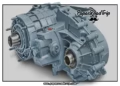


When it comes to choosing the right manual transmission for your truck, you want to make sure you pick one that matches your driving style and power needs. The NV4500 and NV5600 are two popular options, but which one suits you best?
Whether you’re hauling heavy loads or craving smoother shifts on the road, understanding the key differences between these transmissions can save you time, money, and frustration. You’ll discover how the NV4500 and NV5600 compare in durability, shifting performance, and upgrade potential—so you can make a confident decision that keeps your truck running strong for years to come.
Keep reading to find out which transmission fits your driving demands perfectly.
Transmission Basics
Understanding transmission basics is key to choosing between the Nv4500 and Nv5600. Both are manual transmissions used in trucks. They control how power moves from the engine to the wheels. This affects the vehicle’s performance and efficiency. Each transmission has unique traits. Knowing these helps in making a wise decision.
Core Design Differences
The Nv4500 has a five-speed layout, while the Nv5600 offers six speeds. This extra gear in the Nv5600 allows for better control and fuel efficiency. Nv4500’s design is simpler and lighter. The Nv5600 uses a more complex internal setup to handle more torque. This makes the Nv5600 suitable for heavier loads. Gear spacing and ratios vary, impacting driving feel and power delivery. The shift pattern also differs, affecting driver comfort and ease.
Materials And Build
The Nv4500 features a cast iron case, known for strength and durability. This helps it resist wear over time. The Nv5600 uses an aluminum case, which reduces weight. Lighter weight improves vehicle handling and fuel economy. However, aluminum is less tough than cast iron. Internal parts in the Nv5600 are built to withstand higher torque levels. Both transmissions have strong gear sets, but material choice affects longevity and maintenance needs.
Credit: www.pirate4x4.com
Durability Comparison
The NV4500 and NV5600 are popular manual transmissions known for their strength. Durability plays a key role in choosing between these two models. Both are built for tough use but have different designs and materials that affect their lifespan. Understanding these differences helps in selecting the right transmission for your needs.
Case Strength
The NV4500 features a cast iron case, making it very strong and heavy. This design resists cracks and damage during heavy-duty use. The NV5600 uses an aluminum case, which is lighter but less tough than cast iron. Aluminum cases can be more prone to wear and damage under extreme stress.
Common Weaknesses
The NV4500 often faces issues with the fifth gear, which can wear out faster than other parts. The NV5600 sometimes experiences problems with its sixth gear due to design flaws. Both transmissions can suffer damage if abused or driven aggressively without proper care.
Recommended Upgrades
Upgrading the fifth gear on the NV4500 improves its durability significantly. A stronger clutch also helps reduce wear and tear. For the NV5600, reinforcing the sixth gear and using high-quality shift components can extend its life. Regular maintenance and proper upgrades make both transmissions last longer.
Performance And Power Handling
The performance and power handling of the NV4500 and NV5600 transmissions define their use in various heavy-duty vehicles. Both are manual transmissions known for durability and strength. Understanding their torque capacity, gear ratios, and shifting experience helps choose the right transmission.
Torque Capacity
The NV4500 handles torque up to about 350 lb-ft. It suits medium-duty trucks and light off-road vehicles. The NV5600 offers a higher torque capacity, around 505 lb-ft. It fits heavy-duty trucks and more demanding applications. This makes the NV5600 stronger for powerful engines and tough driving conditions.
Gear Ratios
NV4500 features five forward gears with a wide range of ratios. It allows good control over speed and power. NV5600 has six forward gears, adding an extra gear for better efficiency. This extra gear helps with fuel economy and smoother acceleration. Gear ratios in NV5600 are closer spaced, improving performance under load.
Shifting Experience
Shifting in the NV4500 feels solid but can be stiff, especially when cold. It requires more effort but offers a reliable feel. The NV5600 shifts smoother and with less effort. It uses improved synchronizers for easier gear changes. Drivers find NV5600 more comfortable on long hauls or heavy traffic. Both require skill, but NV5600 is friendlier for daily use.
Common Issues And Failures
Both the NV4500 and NV5600 transmissions have their own set of common issues and failures. Knowing these problems helps in maintaining the transmission better. It also guides in choosing the right model for your needs. Below are the typical weak points found in these transmissions.
Gear Weak Points
The NV4500 often faces wear in the fifth gear. This gear can chip or break under heavy use. The NV5600 has a known issue with the sixth gear. It may fail due to a design flaw. Both models benefit from upgraded gears for longer life. Paying attention to gear condition can prevent sudden failures.
Clutch Concerns
Clutch problems are common in both transmissions. The NV4500 sometimes has clutch slipping issues. This happens when the clutch disc wears out early. The NV5600 has been criticized for a weak stock clutch. Many owners replace it with a stronger, aftermarket version. Proper clutch maintenance improves shifting and durability.
Design Flaws
The NV4500’s case is cast iron, making it tough but heavy. It may crack under extreme stress or impact. The NV5600 uses an aluminum case to save weight. This makes it less durable under heavy abuse. Early NV5600 models had issues with poor gear ratios. Some users find the shift pattern confusing. Understanding these design aspects helps in avoiding common pitfalls.
Upgrade Paths
Choosing between the NV4500 and NV5600 transmissions often leads to questions about upgrade options. Both models offer paths to improve strength and performance. Understanding these upgrade paths helps owners decide which transmission fits their needs.
Upgrades can range from simple tweaks to major modifications. Each step can extend the life and capability of the transmission. Below are key areas to consider for enhancing either transmission.
Minor Enhancements
Minor enhancements improve reliability without major changes. Upgrading the shift linkage and bushings can sharpen gear shifts. Replacing worn synchros reduces grinding and wear. Adding better fluids helps with cooling and smooth operation. These upgrades keep the transmission running well for daily use.
High-performance Mods
High-performance mods boost the transmission’s torque capacity. Strengthening the input shaft reduces the risk of twisting under heavy load. Installing a double-disc clutch improves power transfer and heat resistance. Some owners replace the entire gear set with stronger aftermarket parts. These mods support higher horsepower and tougher driving conditions.
Clutch And Shaft Upgrades
Clutch and shaft upgrades are crucial for durability. A heavy-duty clutch helps handle increased torque. Upgrading the input shaft to a billet or chromoly version adds strength. Replacing the output shaft with a hardened steel variant prevents breakage. Proper clutch and shaft upgrades prevent common failures in both transmissions.
Credit: www.planet4x4.net
Application Suitability
Choosing between the NV4500 and NV5600 depends on how you plan to use the transmission. Each model suits different driving needs and vehicle demands. Understanding their application suitability helps pick the right one.
Heavy-duty Use
The NV5600 excels in heavy-duty applications. It has a cast iron case built for toughness. This transmission can handle higher torque levels without breaking down. Trucks used for towing or hauling heavy loads benefit from the NV5600’s durability. The NV4500 is strong but less ideal for extreme heavy-duty use. It has a good reputation but may wear faster under very hard work.
Daily Driving
The NV4500 suits daily driving better. It is lighter and shifts smoothly. Drivers notice less effort in city traffic and stop-and-go conditions. The NV5600 is heavier and can feel stiff at times. For regular commuting or light truck use, the NV4500 offers comfort and reliability. It balances strength with ease of use in everyday situations.
Performance Tuning
Performance tuners often choose the NV4500 for upgrades. It responds well to modifications like clutch and gear improvements. The NV5600 can also be tuned but is more complex and costly. Its heavy-duty design suits high-power engines but requires careful upgrade choices. Both transmissions handle extra power differently, so tuning plans depend on the build goals.
User And Expert Insights
User and expert insights provide valuable perspectives on the NV4500 and NV5600 transmissions. Real experiences from users reveal practical strengths and weaknesses. Experts offer technical advice and professional evaluations. Together, these viewpoints help you understand which transmission fits your needs best.
Community Feedback
Many users praise the NV4500 for its durability and ease of repair. It handles moderate torque well and suits daily driving. Some report the fifth gear as a weak spot but fixable with upgrades. The NV5600 gets high marks for toughness and smooth shifting. Owners say it works well under heavy loads. A few mention its heavier weight and complex repairs as downsides.
Professional Recommendations
Mechanics often recommend the NV4500 for light to medium-duty trucks. It is easier to maintain and parts are widely available. For heavy-duty and high-torque applications, professionals favor the NV5600. Its cast iron case offers better strength and longevity. Experts suggest upgrading the clutch and gears on both for improved performance. Proper maintenance is key to extending the life of either transmission.
Video Resources
Several detailed videos compare NV4500 and NV5600 features and repairs. These include step-by-step rebuild guides and user reviews. Visual content helps clarify shifting feel and installation differences. Watching expert tutorials can assist in choosing the right transmission. Many channels cover common issues and upgrade tips for both models.
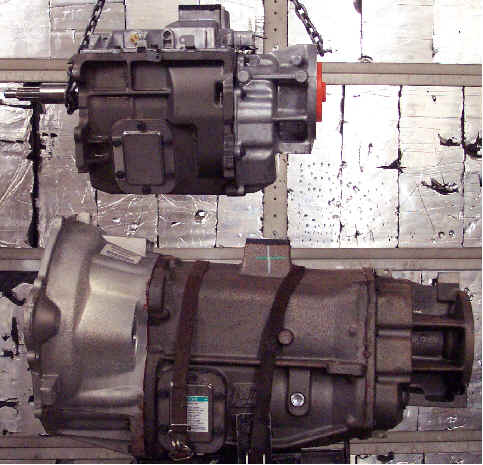
Credit: www.4btswaps.com
Frequently Asked Questions
How Much Hp Can A Nv4500 Take?
The NV4500 transmission can handle around 450 to 500 horsepower stock. Upgrades like clutch and gear improvements increase its capacity safely.
Is A G56 Better Than A Nv5600?
The NV5600 is tougher with a cast iron case, ideal for extreme torque. The G56 is lighter, smoother shifting but less durable under abuse. Choose NV5600 for heavy-duty use and G56 for better daily drivability.
What Does Nv5600 Stand For?
The NV5600 stands for New Venture 5600, a heavy-duty manual transmission designed for durability and smooth shifting in trucks.
What Are The Common Problems With Nv4500 Transmissions?
Common NV4500 transmission problems include fifth gear wear, synchronizer failure, and input shaft issues. Upgrading these parts improves durability and performance.
What Are The Main Differences Between Nv4500 And Nv5600?
NV4500 has a cast iron case, while NV5600 uses aluminum, affecting weight and durability.
Conclusion
Choosing between the NV4500 and NV5600 depends on your needs. The NV4500 suits lighter use with reliable performance. The NV5600 offers stronger durability for heavy-duty tasks. Both have unique strengths and minor weaknesses. Consider how you drive and what your vehicle requires.
Proper maintenance can extend their lifespan. Understanding these transmissions helps you make a smart choice. Your truck’s performance relies on the right transmission fit. Keep your goals clear, and pick accordingly.